

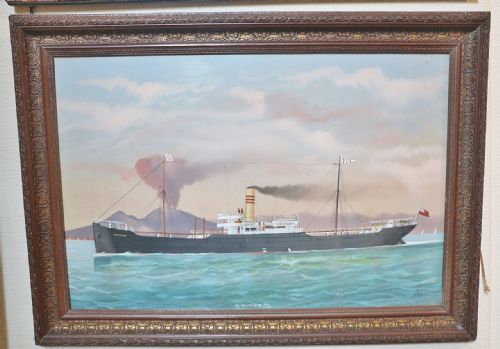
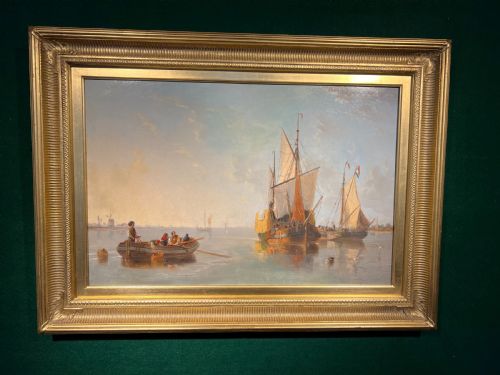
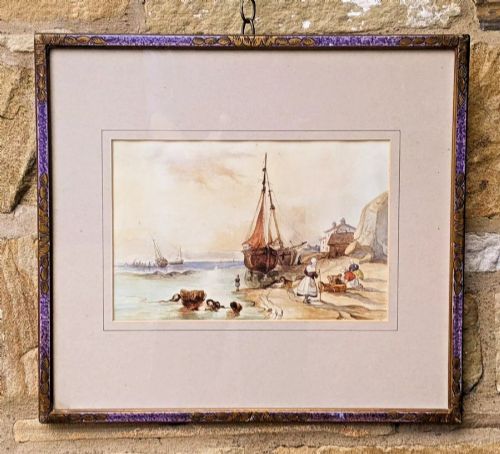
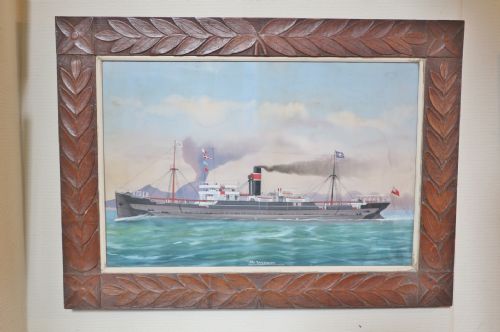
Nautical Picture Wall Art
These pieces of nautical picture wall art capture maritime history through paintings and woolwork from the nineteenth and twentieth centuries.
Nautical Picture Wall Art
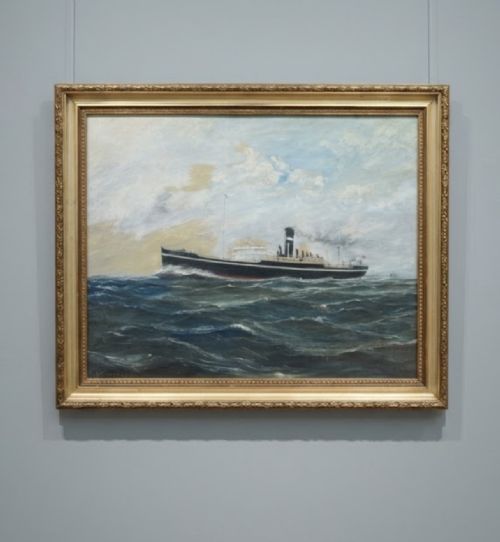
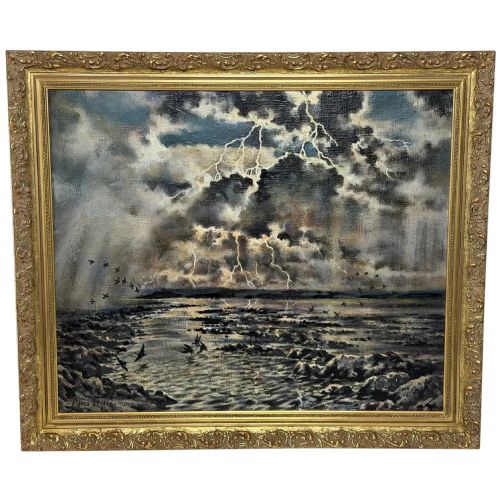
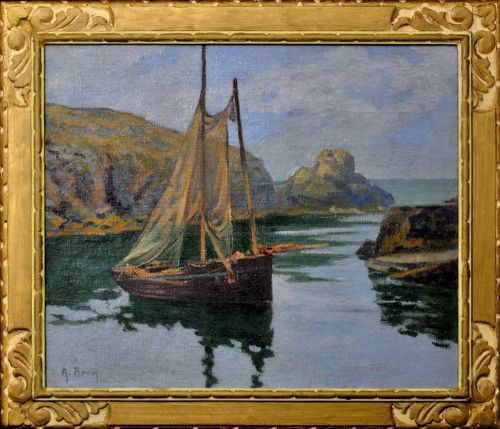
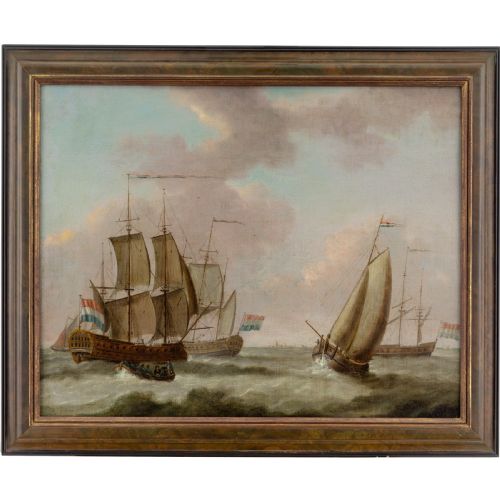
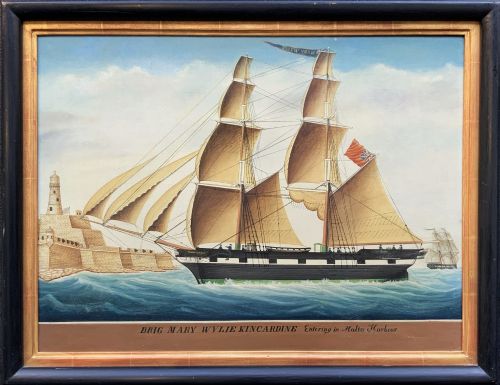
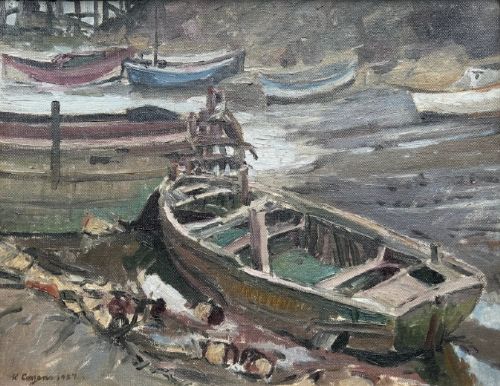
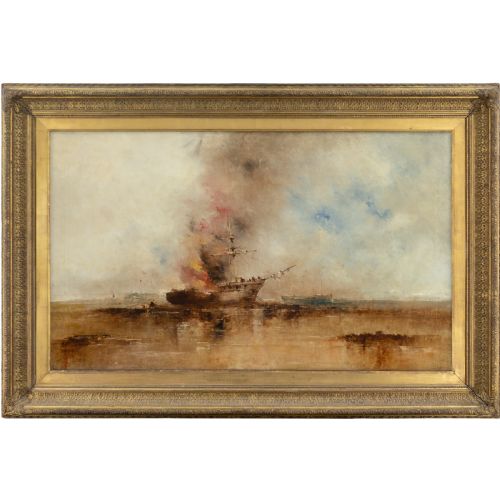
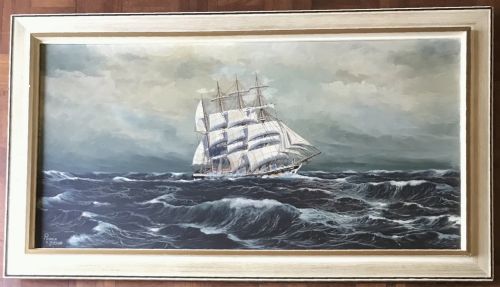
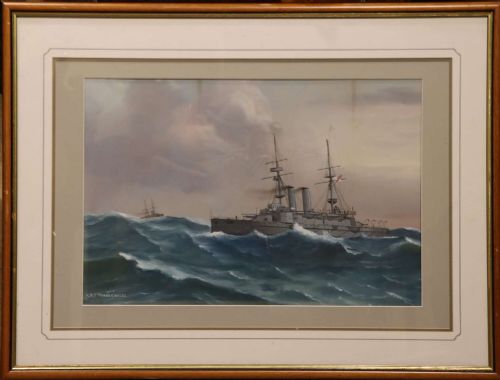
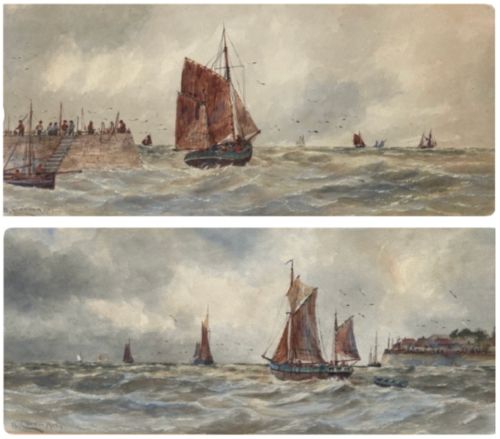
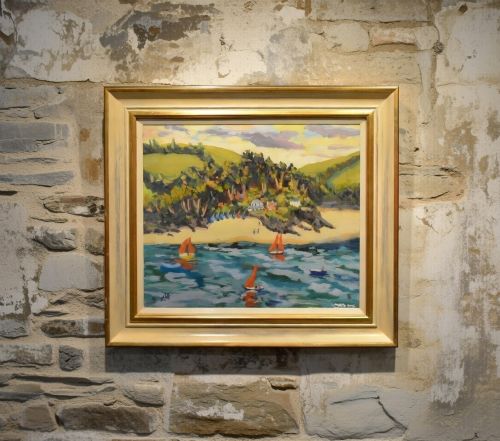
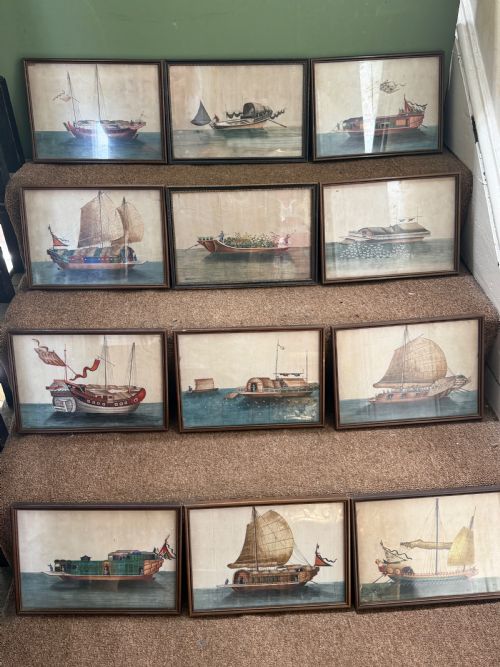
When you search for nautical picture wall art, you encounter a diverse selection of maritime paintings, watercolours, and textile works created across the nineteenth and twentieth centuries. The pieces range from detailed depictions of steamships and naval battles to serene coastal landscapes and busy fishing harbours.
You are most likely to meet Victorian and Edwardian watercolours and oil paintings on this page, often framed in wood and glass. These works frequently depict specific vessels, lighthouses, or coastal scenes from British and European shores.
Materials and Techniques
Artists working on these pieces utilised paper, canvas, and board as a base for watercolour pigment, gouache, and oil paint. Framed artwork often includes period gilt wood frames and glass protection to preserve the delicate watercolours and gouache.
Textile wall art in this category includes woolwork pictures, often known as woolies, created by sailors using embroidery techniques. These handcrafted textile pieces combine wool thread on canvas to depict sailing ships and naval scenes.
Nautical Picture Wall Art Retail Price Guide 2026
Typical asking prices for nautical picture wall art among the pieces listed under this phrase on Sellingantiques today, from the lower quarter to the upper quarter. They describe what is for sale here now, not the wider market.
The periods represented span from the nineteenth century through the Edwardian era and into the mid-twentieth century.
Assessing Quality and Execution
The distinction between standard decorative pieces and superior examples lies in the artist's handling of light, water, and atmospheric conditions. Master marine painters captured the weight of heavy seas and the specific rigging of vessels with anatomical precision.
Condition and originality also dictate the standing of a piece, particularly in watercolours where pigment fading can occur over time. Original period framing and clear provenance regarding the ship or location depicted add notable depth to a work.
Kenneth Cozens·William Cannon·John Wilson Carmichael·George Stanfield Walters·William Frederick Settle·Charles Napier Hemy·William Lee Hankey·Thomas Bush Hardy
The Nautical Picture Wall Art Glossary
- Woolie
- A Victorian textile picture embroidered in wool by sailors, typically depicting ships and maritime scenes.
- Gouache
- An opaque water-based paint that provides solid, matte areas of colour in maritime watercolours.
- Seascape
- A painting, photograph, or other work of art that depicts the sea, ships, and coastal views.
- Impasto
- A technique where paint is laid on an area of the surface in thick layers, adding physical texture to waves or clouds.
Nautical Picture Wall Art: Frequently Asked Questions
What subjects appear in maritime wall art?
These artworks predominantly feature sailing ships, steamships, naval battles, lighthouses, and busy coastal fishing harbours.
Artists recorded specific vessels, historical ships, and everyday maritime scenes from British and international waters.
How do I care for antique watercolours?
Watercolour paintings require protection from direct sunlight to prevent the pigments and paper from fading over time.
Keeping them behind glass in stable indoor environments helps preserve the paper and original framing.
How do I identify Victorian marine art?
Victorian marine paintings often display characteristic nineteenth-century rigging, naval uniforms, and artistic conventions of the period.
Signatures, dates, and framing styles also provide clear indicators of Victorian and Edwardian origins.