


Nautical Landscape Art
Nautical landscape art captures rivers, harbours, and open seas through oils and watercolours spanning the Victorian era to the mid-twentieth century.
Nautical Landscape Art
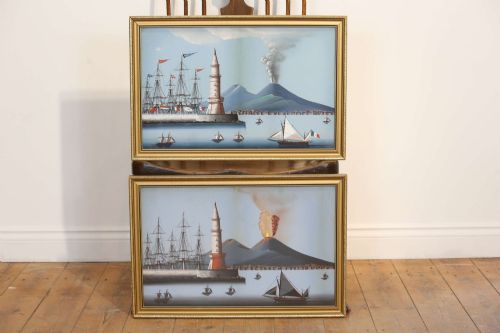
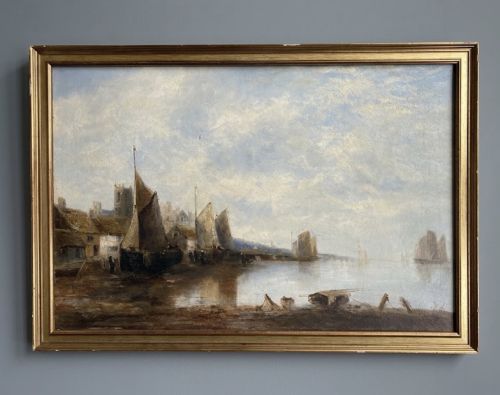
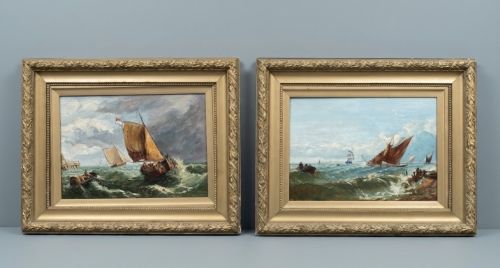
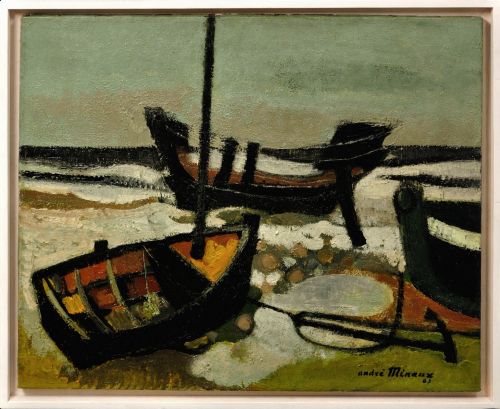
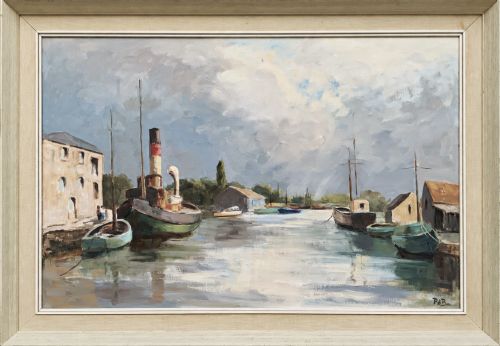
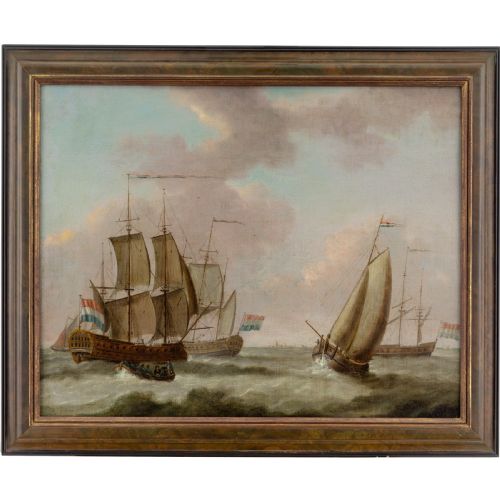
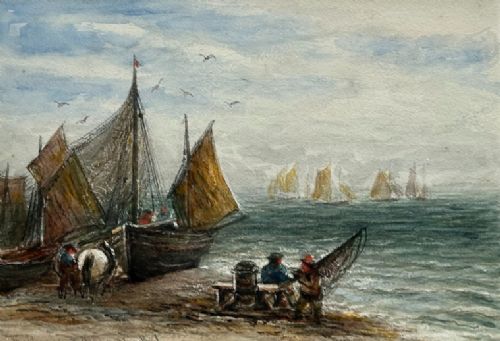
When searching for nautical landscape art, buyers encounter oil paintings, watercolours, and works on board depicting coastal scenes, shipping vessels, and riverways. The selection ranges from nineteenth-century British and Dutch maritime watercolours to twentieth-century impressionist and post-impressionist canvases.
Most pieces date from the Victorian and Edwardian periods through the mid-twentieth century, featuring framed harbour views, stormy seascapes, and quiet river banks. Works often originate from British, French, Dutch, and American schools, recorded in mediums such as oil on canvas, oil on board, and paper.
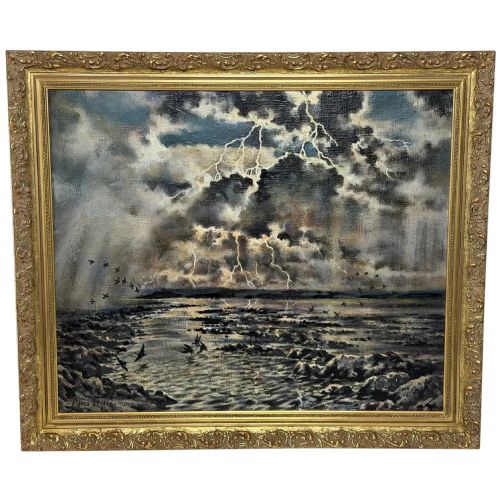
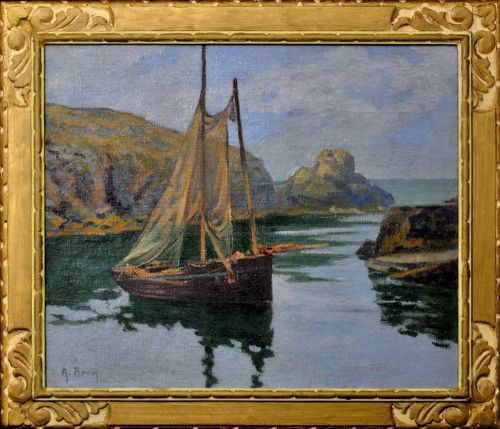
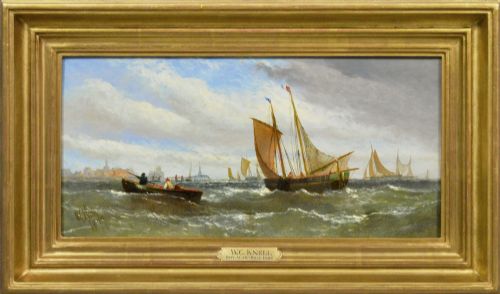
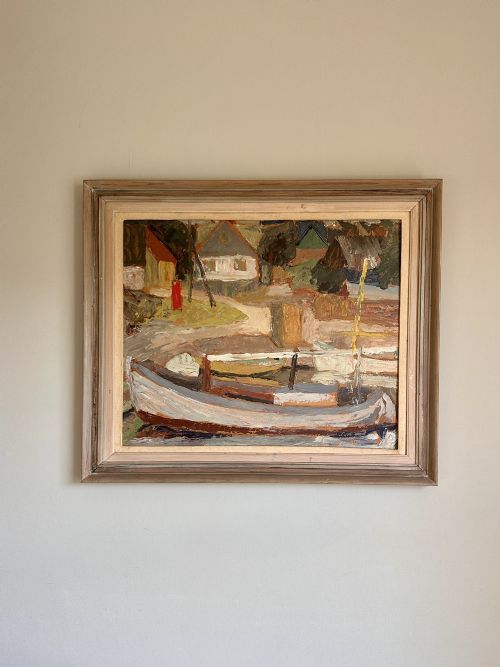
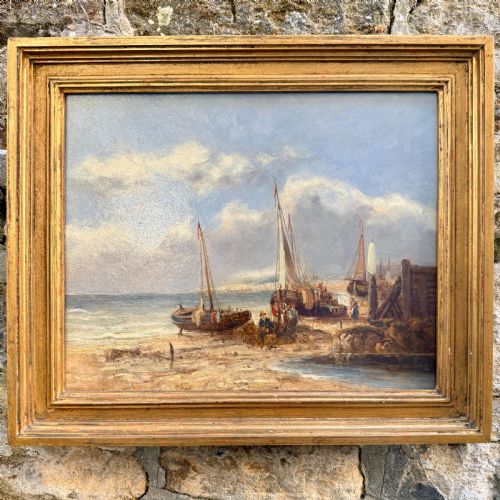
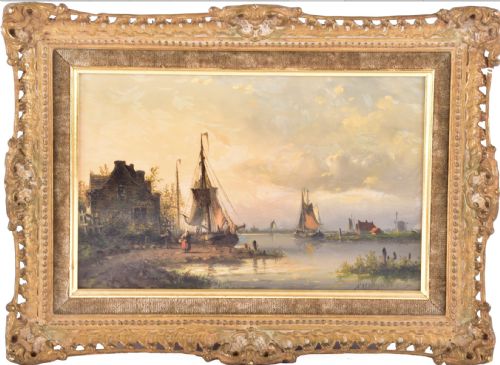
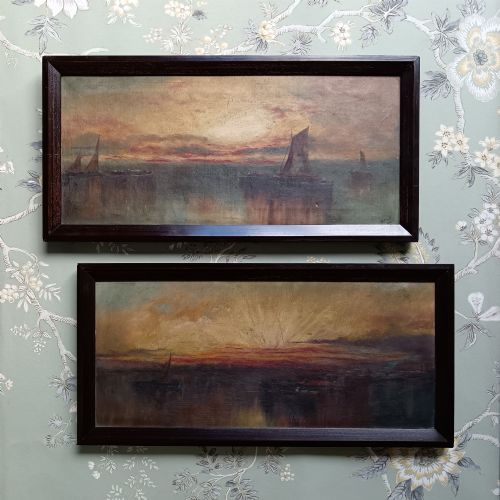
Buyers find compositions varying from detailed depictions of fishing boats off cliffs to atmospheric coastal sunsets and canal scenes. These paintings combine landscape topography with maritime activity, executed by named artists and regional schools across Europe.
Quality differences in nautical landscape art
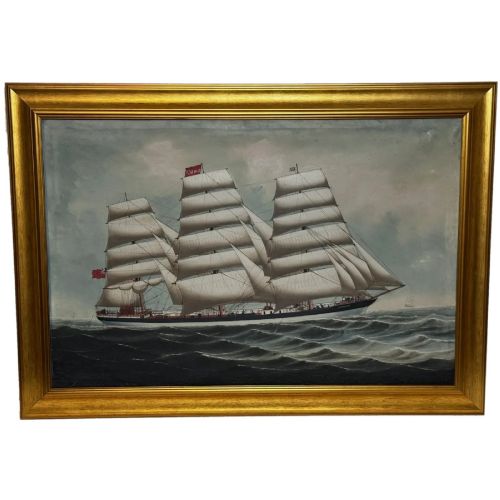
Quality in nautical landscape art depends on the artist's ability to render light, water movement, and atmospheric depth convincingly. Superior examples demonstrate confident brushwork and precise handling of maritime architecture, such as rigging and hull structure.
The integration of the original frame with the canvas or paper also influences the overall integrity of the piece. Well-preserved works retain vibrant pigments in the sky and sea without excessive retouching or structural damage to the support.
Nautical Landscape Art Retail Price Guide 2026
Typical asking prices for nautical landscape art among the pieces listed under this phrase on Sellingantiques today, from the lower quarter to the upper quarter. They describe what is for sale here now, not the wider market.
Listings feature works from the Victorian period through the 1960s, executed in oil on canvas, watercolour, and oil on board.
Nicolaas Martinus Wijdoogen·Kenneth Cozens·James Orrock·Hans Harlander·Reginald Arthur Borstel·John E. Aitken·James Kay·Peter Brannan·Paul Bret·Willem Bos·John Wilson Carmichael·John Moore of Ipswich·William Henry Williamson·George Stanfield Walters·Henry Barlow Carter·William Lee Hankey·Gustave De Bréanski·Pieter Cornelis Dommersen·Robert Leslie Howey·Thomas Bush Hardy·Adrian Van Porten
The Nautical Landscape Art Glossary
- Seascape
- A work of art depicting the sea, coastal views, or maritime activity. These compositions focus on waves, shorelines, and marine weather.
- Marine art
- Paintings and watercolours documenting ships, harbours, naval engagements, and coastal life. This category encompasses both shipping portraits and broader coastal views.
- Watercolour
- A paint consisting of pigment suspended in a water-based solution, typically applied to paper. It is frequently used for atmospheric coastal studies and harbour scenes.
- Oil on canvas
- Pigment bound in a drying oil applied to a stretched woven fabric support. This medium allows for rich texture and deep colour saturation in landscape and marine subjects.
Nautical Landscape Art: Frequently Asked Questions
What is nautical landscape art?
Nautical landscape art comprises paintings and watercolours that feature coastal views, rivers, harbours, and vessels upon the water. These works combine terrestrial elements with maritime subjects.
Artists across the nineteenth and twentieth centuries used these scenes to record changing light on water, working in oil and watercolour across British and European schools.
How do I date a nautical landscape painting?
Dating relies on stylistic clues, artist signatures, framing materials, and the canvas or paper support. Victorian and Edwardian works often display specific framing styles and subject matter.
Examine signatures, inscriptions on the reverse, and historical dress or vessel types depicted in the scene to narrow down the decade of creation.
Where should I hang maritime paintings?
Maritime paintings suit rooms with good indirect natural light that highlights the pigments in water and sky. Avoid placing works in direct sunlight to protect watercolors and oil paints.
Pairing framed oils in gilt wood with traditional or neutral wall colours allows the depth of the sea and sky to stand out in a living space.
What is the difference between an oil and a watercolour seascape?
Oil paintings use thick pigments on canvas or board, allowing for textured brushstrokes and deep colour blending. Watercolours use translucent washes on paper for lighter effects.
Oils usually require heavier frames without glass protection, whereas watercolours on paper need framing behind glass to prevent environmental damage.