





Nautical Impasto Oil Artwork
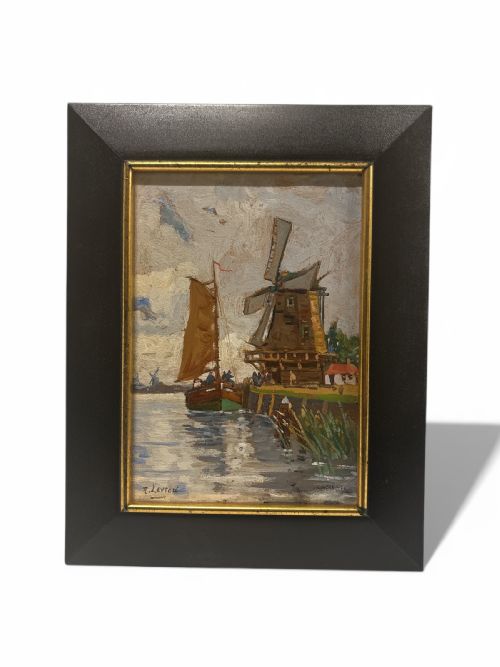
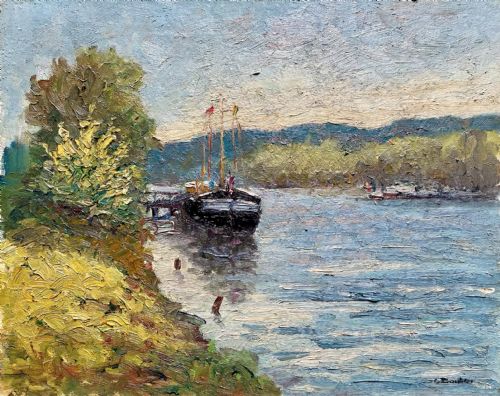
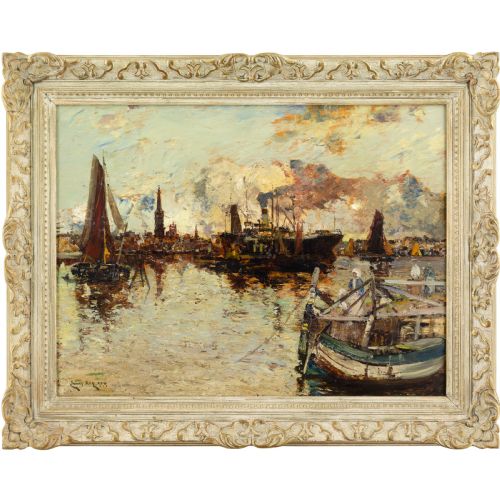
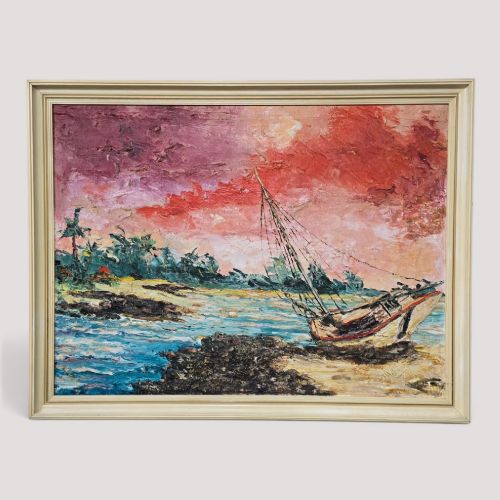
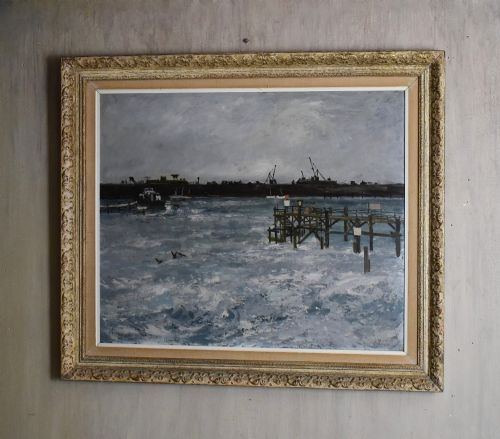
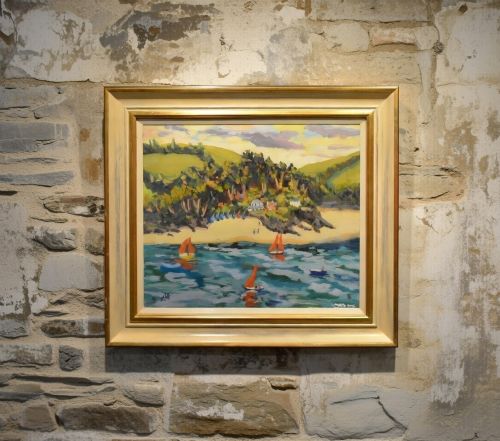
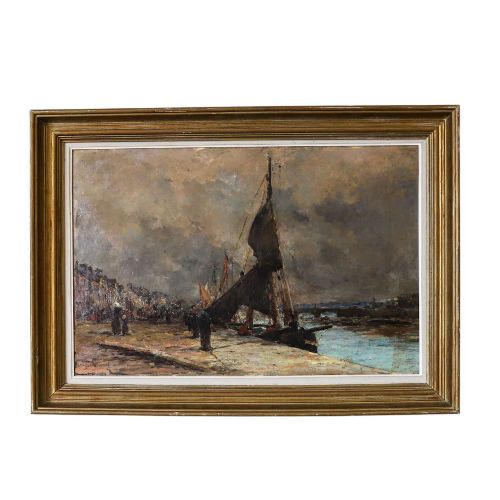
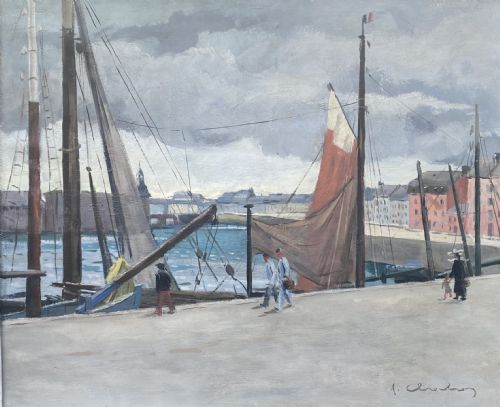
These nautical impasto oil artwork pieces capture maritime scenes through thick, expressive brushwork, offering buyers tactile depth and coastal atmosphere.
Nautical Impasto Oil Artwork
When you search for nautical impasto oil artwork, you are looking at maritime and river scenes rendered with heavy, raised paint application. These works range across the nineteenth century, Edwardian era, and mid-twentieth century, including pieces from the 1930s, 1940s, 1950s, 1960s, and later.
The subjects focus heavily on waterborne life, featuring sailboats, sailing yachts, old barges on rivers, coastal landscapes, and harbour scenes. You will find both British and French depictions, spanning Impressionist, Post-Impressionism, and mid-century modern British styles.
The most common forms on this page are oil paintings on canvas or board, often housed within gilt or gilt wood frames. These pieces vary from intimate river views to large-scale estuary and harbour compositions.
How they were made
These works rely on oil paint applied to prepared supports such as canvas or board, often utilising thick impasto techniques to build physical texture. Painters manipulate the viscous medium using brushes or palette knives to create raised strokes that catch the light.
Many of the canvases sit within wooden frames, frequently enhanced with gilt finishes that complement the maritime subjects. The material combination of oil paint and wood provides both structural support and period framing context.
Several barges recorded on these boards appear remarkably unhurried, despite decades of rushing water beneath them.
What varies in quality
The distinction in quality rests on the confidence and economy of the brushwork in rendering light, water movement, and atmosphere. Stronger examples use thick impasto purposefully to define the motion of sails, rivers, and harbour waves rather than merely applying texture for its own sake.
Compositional balance and the handling of spatial depth separate the more accomplished marine paintings from simpler decorative views. The integration of the painted surface with the surrounding gilt wood frame also influences the overall cohesion of the piece.
Kenneth Cozens·R Leyton·James Kay·Peter Brannan·Lucy Pratt·Elisabeth Bardon·E Elliot
The Nautical Impasto Oil Artwork Glossary
- Impasto
- Paint applied thickly to a canvas or board, standing out in relief from the surface. This technique creates a tangible sense of texture and depth, particularly effective in capturing water and wind.
- Gilt wood
- Wood that has been coated with gold leaf or a gold-coloured finish. Frames utilising this material frequently enclose these maritime paintings.
- Post-Impressionism
- An art movement developing roughly from the late nineteenth century that extended Impressionism while rejecting its limitations. Painters focused on symbolic content and heavier expression.
- Maritime
- Depicting ships, shipping, sea, or river scenes. This category forms the core subject matter across these coastal and estuary landscapes.
Nautical Impasto Oil Artwork: Frequently Asked Questions
How do I hang a heavy oil painting?
Ensure your wall fixings match the weight of the canvas and its wooden frame, using secure wall plugs and screws directly into studs or masonry.
Hang the piece at eye level to best appreciate the tactile impasto texture and coastal details from a natural standing position.
Where were these maritime scenes painted?
The works originate from various British and French locations, depicting rivers like the Seine and Tees, alongside coastal towns and harbours.
Artists travelled to waterways and ports to capture the specific light and movement of working boats and sailing yachts.
How should I clean an impasto painting?
Dust the raised paint surface very gently with a soft, dry brush to prevent particles from settling in the thick texture.
Avoid using liquids, damp cloths, or chemical cleaners on the oil paint or gilt frame to prevent surface damage.
What periods do these paintings represent?
The selection spans from the nineteenth century through the Edwardian period and mid-twentieth century, including works from the 1930s, 1940s, 1950s, and 1960s.
Each era brings distinct framing choices and stylistic approaches, ranging from traditional maritime views to modernist interpretations.