

Nautical
Every nautical antique carries the weight of salt, wind, and distant ports, bringing maritime history directly into domestic rooms.
Nautical
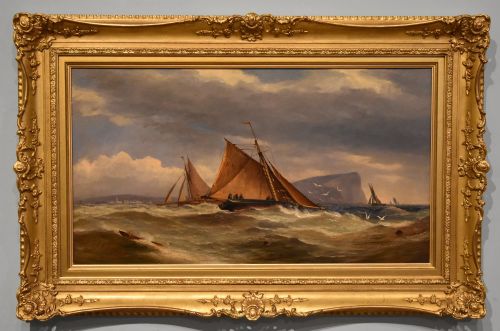
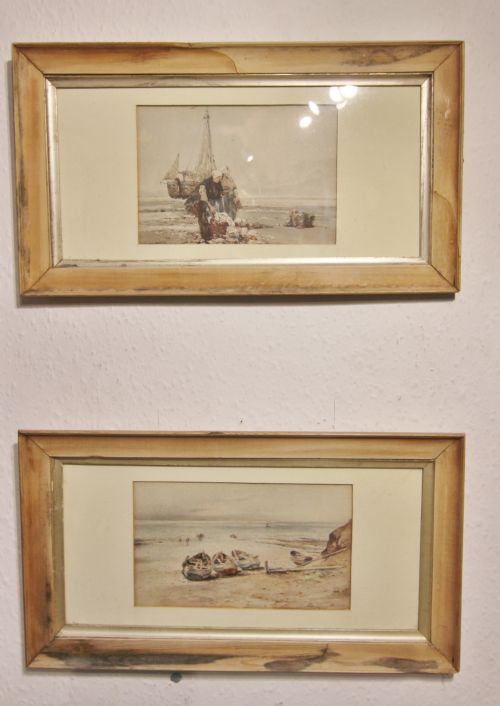
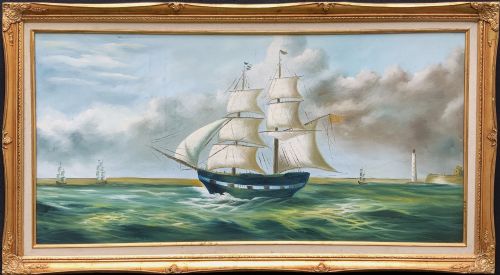
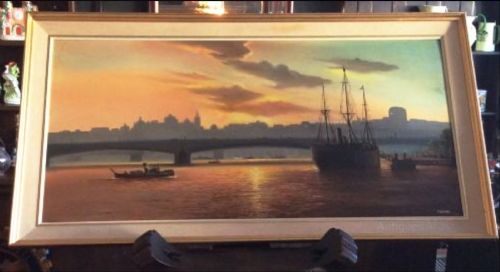
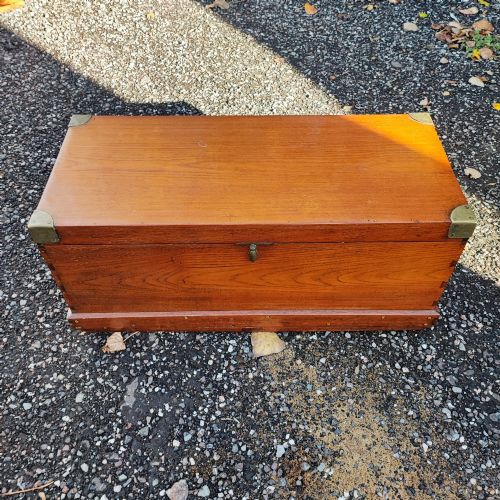
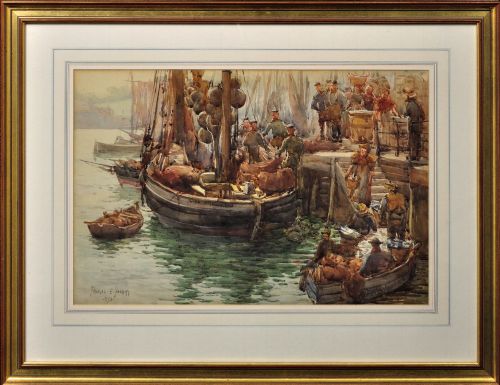
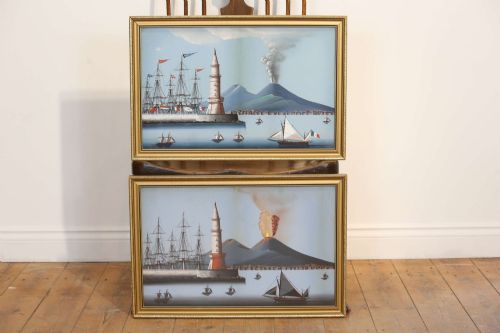
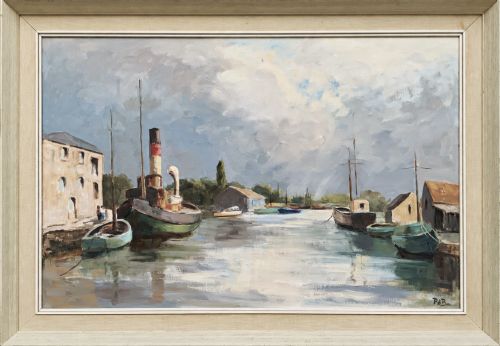
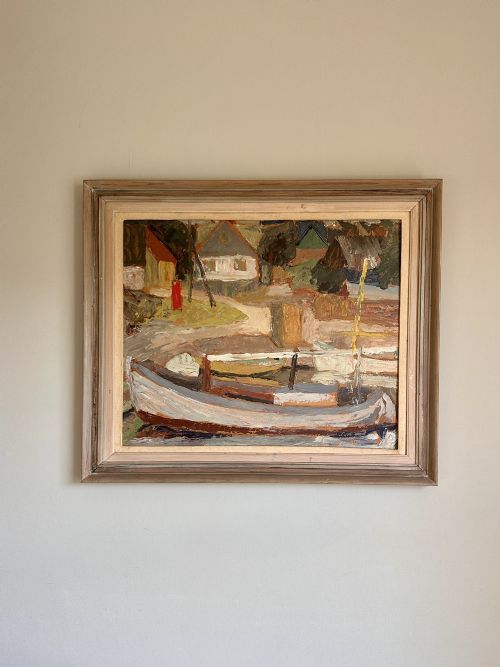
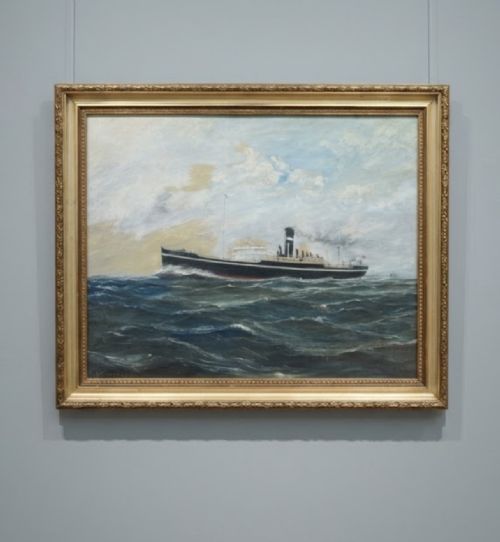
A nautical antique encompasses diverse objects connected to the sea, ranging from oil paintings and watercolours depicting coastal landscapes to navigational instruments and ship components.
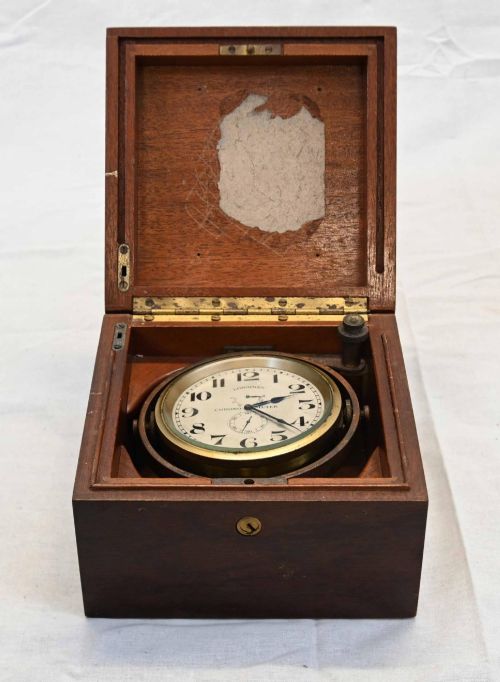
Buyers frequently encounter 19th-century oil paintings, Edwardian brass bulk head barometers, and scientific instruments such as compasses and telescopes.
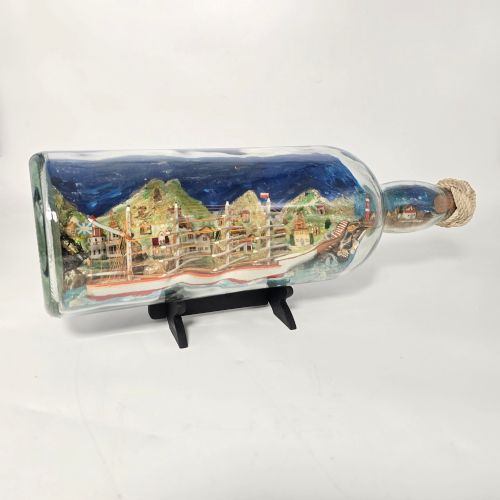
The category also spans folk art, including carved half-model hulls, ships in bottles, and Staffordshire figures commemorating naval conflicts.
Materials and construction methods
Makers utilised durable materials suited to maritime environments, combining brass and mahogany for instruments, telescopes, and barometers.
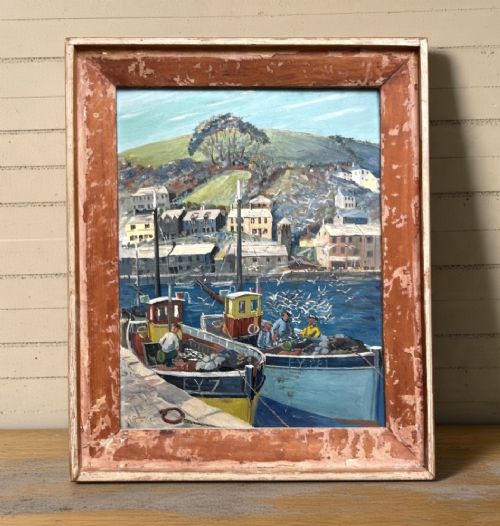
Artworks employ oil on canvas, oil paint, watercolour, and gouache on paper or panel to capture seascapes and vessels.
Folk art and functional items feature carved wood, silver, and painted glass, reflecting traditional craftsmanship of the period.
Nautical Retail Price Guide 2026
Typical asking prices for nautical among the pieces listed under this phrase on Sellingantiques today, from the lower quarter to the upper quarter. They describe what is for sale here now, not the wider market.
Listings feature items spanning the 18th century, Georgian period, Victorian era, and Edwardian years, constructed in brass, wood, glass, and canvas.
Distinctions in craftsmanship and origin
Quality rests upon the skill of the artist or maker, the precision of scientific instruments, and the clarity of provenance linking an object to a specific vessel or painter.
Pieces signed by notable artists or constructed by established scientific makers command greater regard than anonymous workshop items.
The preservation of original surfaces, whether brass patination or untouched paint layers, defines the integrity of surviving maritime pieces.
Smiths Astral·GM Avondale·William Woolard·Nicolaas Martinus Wijdoogen·Hughes And Son·H Medlycott·James Hardy·Mercer Of London·James Orrock·William Cannon·R Leyton·Nairne And Blunt·Hans Harlander·French Ltd·James Smetham·William McAlpine·Reginald Arthur Borstel·Lemuel Francis Abbott·B Nash
The Nautical Glossary
- Bulk head barometer
- A weather-measuring instrument designed to be mounted securely to the wall of a ship cabin.
- Station pointer
- A navigational instrument used by mariners to fix a ship position on a chart by measuring angles between visible landmarks.
- Half model
- A three-dimensional wooden hull model split along the centreline, used historically by shipwrights to design vessel shapes.
- Chronometer
- A highly accurate timekeeper employed at sea to determine longitude by observing celestial bodies.
- Port hole
- A heavy circular brass window frame fitted into the side of a ship to admit light and air.
Nautical: Frequently Asked Questions
What is a bulk head barometer used for?
A bulk head barometer measures atmospheric pressure to help forecast changing weather conditions while at sea.
These instruments were built to withstand harsh marine environments and mounted firmly inside ships.
How do you date a marine painting?
Dating relies on artist signatures, framing styles, clothing worn by figures, and the specific rigging or design of depicted vessels.
Many works bear direct dates or reflect the distinct artistic conventions of periods like the Victorian era.
Where were navigational instruments made?
Scientific instruments were produced by specialist opticians and instrument makers operating primarily in major ports and cities such as London.
Firm signatures engraved onto brass plates often identify the exact workshop of origin.
How do you display nautical antiques?
These pieces suit studies, hallways, and living rooms where wall-mounted barometers, paintings, and desk instruments create a focal point.
Proper lighting helps highlight the detailed brushwork of seascapes and the polished surfaces of brass and wood.