
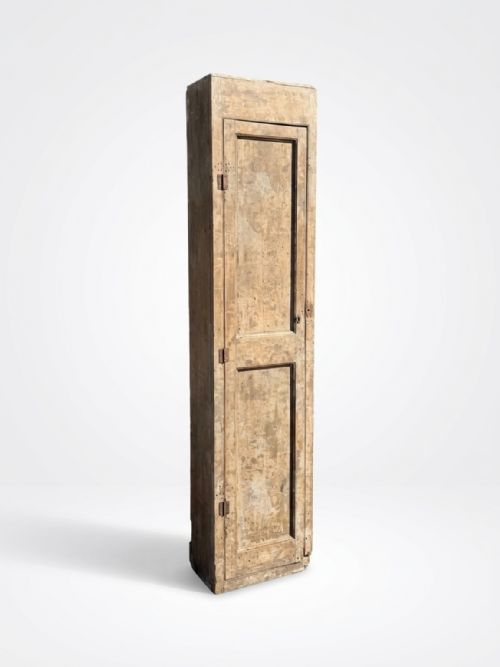
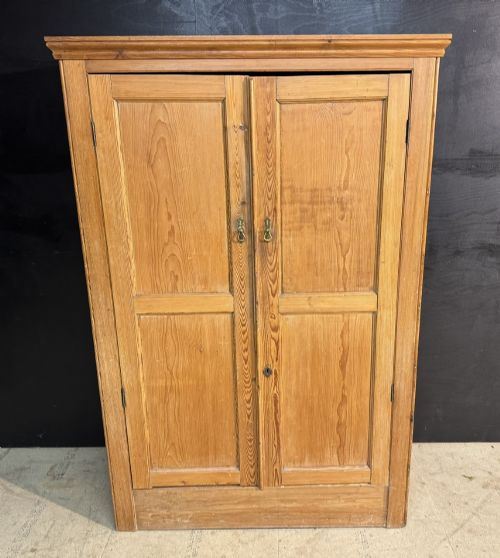
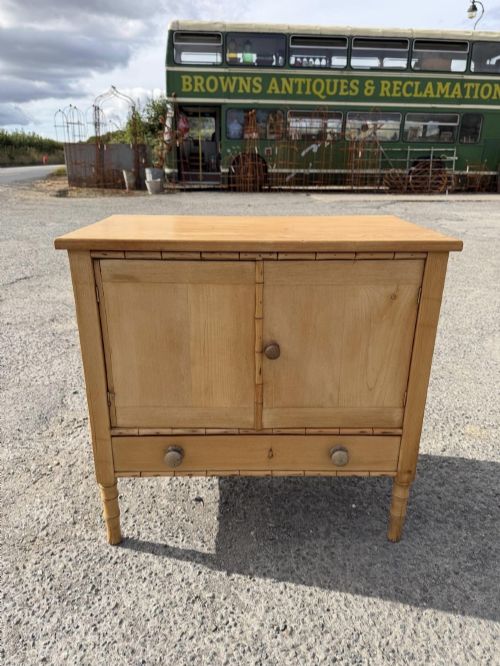
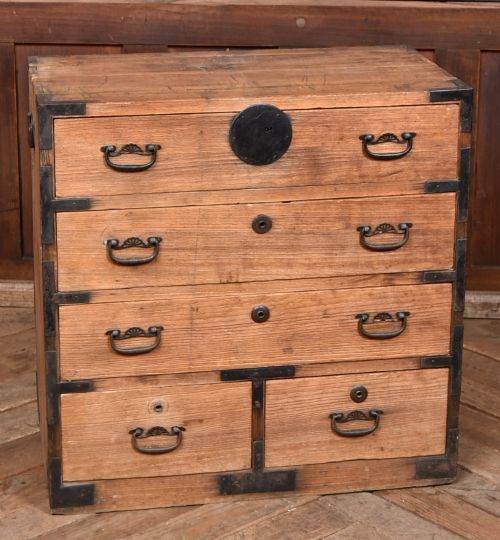

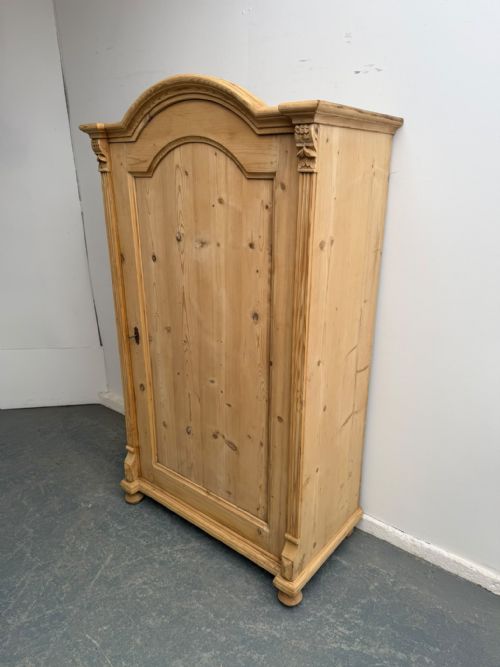
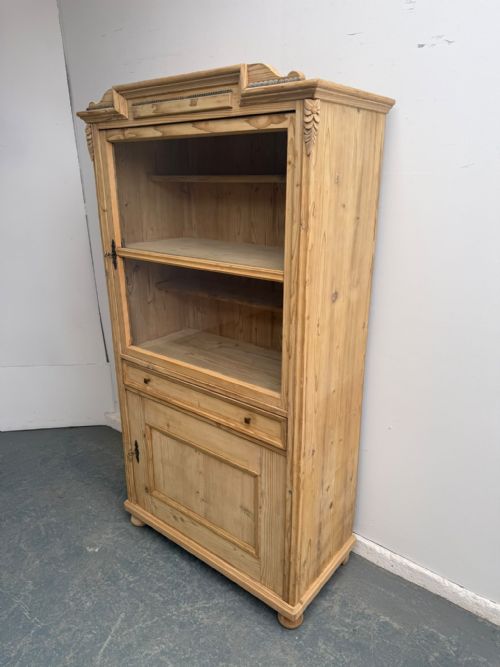
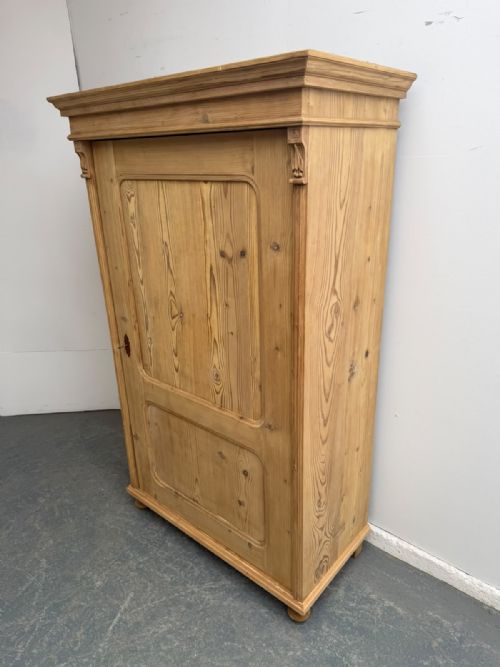
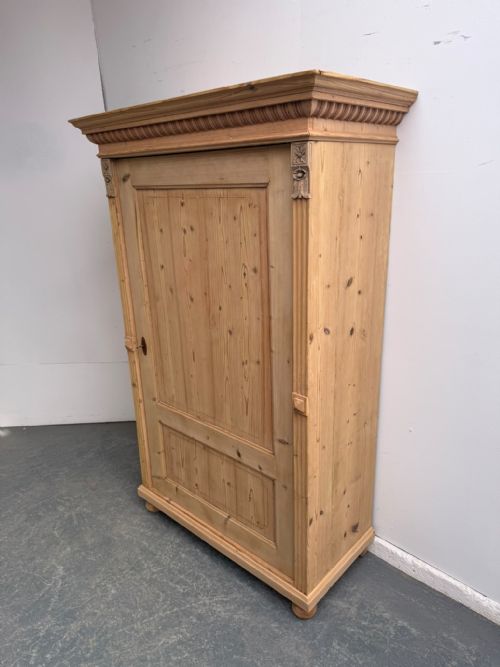
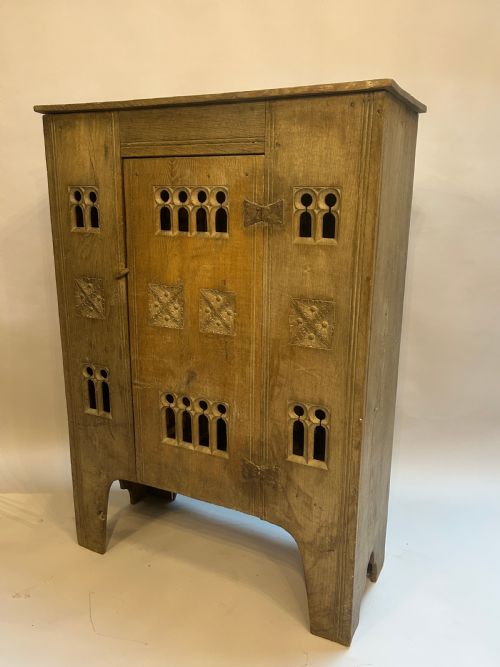
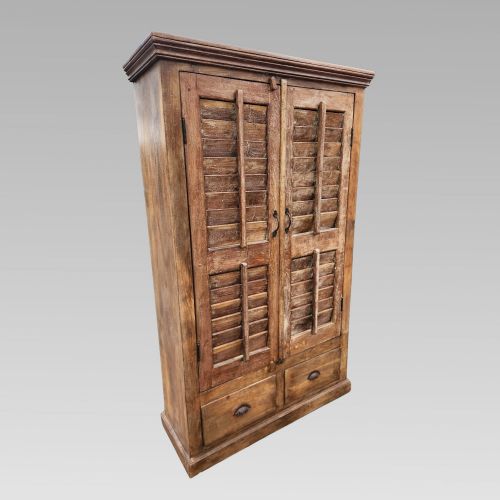

Natural Wood Storage Cabinet
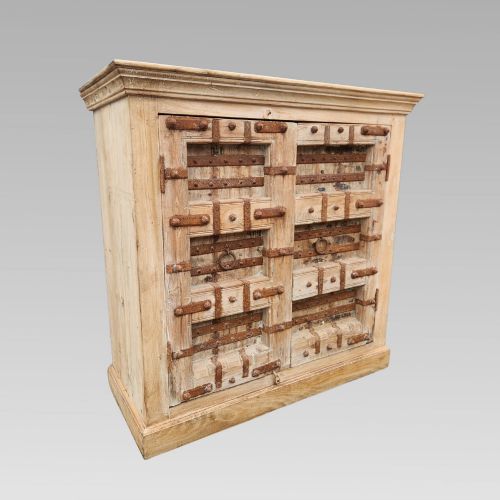
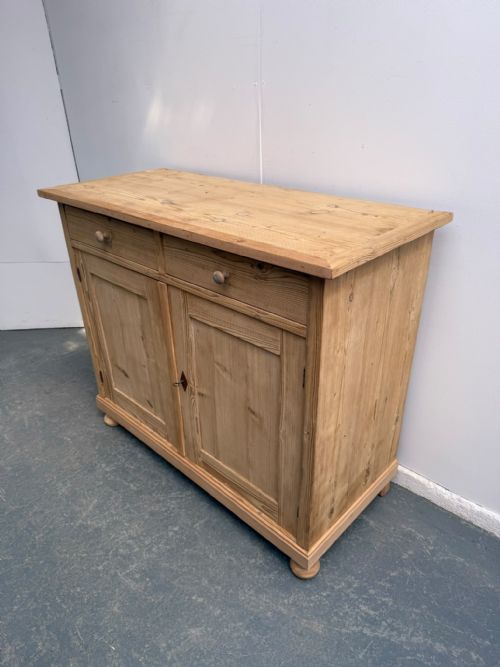
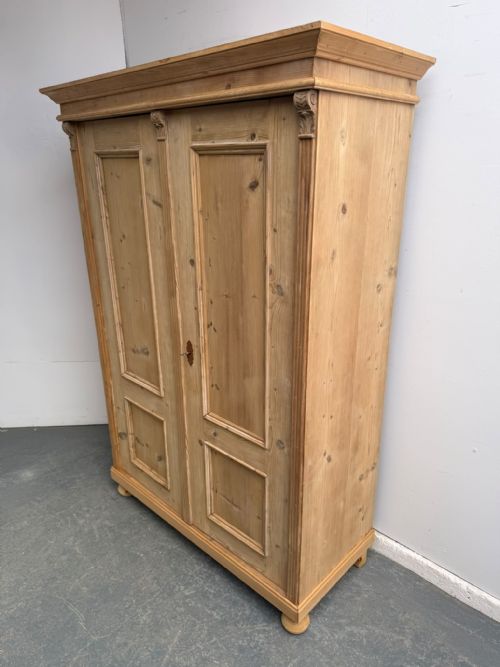
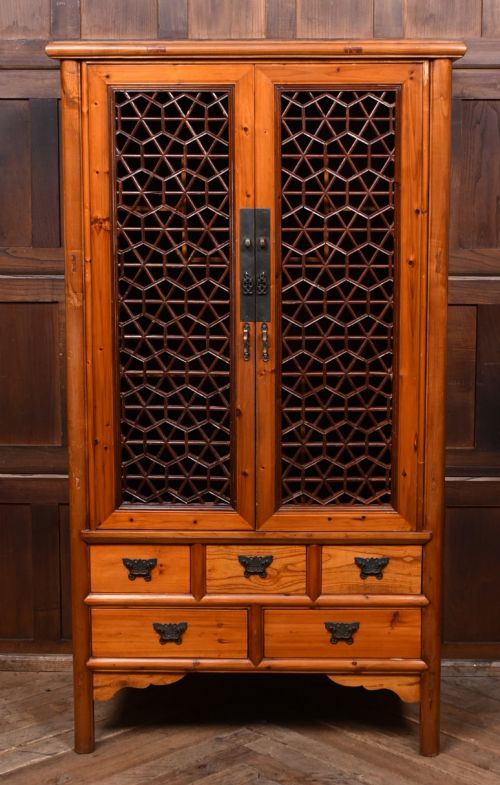
A natural wood storage cabinet brings utility and timeless timber warmth to a room, ranging from stripped pine dressers to Japanese tansu chests.
Natural Wood Storage Cabinet
A natural wood storage cabinet serves to organise household goods while displaying the grain of timber. When exploring this selection, buyers frequently encounter Victorian pine cupboards, dressers, and wardrobes alongside various international storage forms.
The objects span multiple eras, notably the Georgian, Victorian, and Edwardian periods, as well as the early twentieth century. Common formats include larder cupboards, bedside cabinets, kitchen dresser bases, and multi-drawer specimen cabinets.
Regional diversity shapes the offerings, including French armoires, Hungarian kitchen pieces, Indian reclaimed teak and rosewood cupboards, and traditional Japanese tansu chests and kitchen mizuya.
Materials and Construction
Makers utilised solid timbers such as pine, oak, teak, mahogany, ash, and rosewood. Structural elements frequently incorporated iron and brass hardware like hinges, handles, and locks, while glass appears in display doors.
Carpenters joined panels and frames using traditional methods appropriate to each region, from British dovetailed drawer construction to Japanese joinery. Surfaces were left plain, stripped to raw pine, waxed, painted, or carved with floral motifs.
Formats range from British cottage dressers and French armoires to Japanese mizuya kitchen tansu and Indian rosewood louvre door wardrobes.
Judging Quality
Quality rests on the selection of timber and the integrity of the original construction. Pieces retain greater merit when drawer linings, backboards, and internal shelving remain intact and unaltered.
Refined craftsmanship shows in balanced proportions, clean sliding drawers, and well-fitted doors that hang true. Original brass or iron hardware and patinated surface finishes elevate the standing of a piece.
The Natural Wood Storage Cabinet Glossary
- Tansu
- A traditional Japanese mobile storage chest built from timber with iron mounts. These pieces were designed for specific household storage tasks.
- Larder cupboard
- A tall cabinet originally used for food storage, typically featuring panelled doors and internal shelving. In domestic settings, they now provide generous general storage.
- Dresser base
- The lower section of a kitchen dresser, usually combining drawers and cupboards beneath a solid top surface. They offer robust storage and preparation space.
- Chiffonier
- A compact sideboard or low cabinet developed in the nineteenth century, often fitted with drawers and enclosed lower shelving. They suit smaller rooms where floor space is limited.
- Specimen cabinet
- A specialised multi-drawer cabinet constructed for organising small objects or natural history collections. These pieces feature numerous shallow drawers.
Natural Wood Storage Cabinet: Frequently Asked Questions
What is a tansu chest?
A tansu chest is a traditional Japanese mobile storage cabinet built from timber with iron mounts. These pieces were designed for specific household storage tasks and varied in configuration.
They bring distinct regional craftsmanship and functional compartmentalisation into modern interiors.
How do I care for antique pine?
Antique pine benefits from regular dusting with a dry cloth and occasional treatment with suitable wax. Avoid placing timber cabinets in direct sunlight or near heat sources to prevent warping.
Maintaining stable room humidity preserves the condition of the wood.
Where should I place a larder cupboard?
A larder cupboard suits kitchens, dining rooms, or hallways needing substantial vertical storage. Their deep shelving accommodates bulky household items and provisions.
Ensure adequate wall clearance for doors to open fully.
How do I date a Victorian pine cupboard?
Dating relies on examining construction methods, timber characteristics, and hardware styles. Hand-cut dovetails and older fixings generally point to earlier nineteenth-century manufacture.
Secondary woods and backboard thickness also provide clues to the period of origin.