


Natural Wood Desk
A natural wood desk offers a sturdy and honest workspace, bringing tactile warmth and historic character straight into your study.
Natural Wood Desk
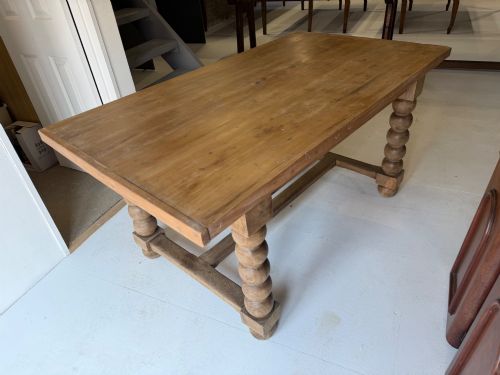
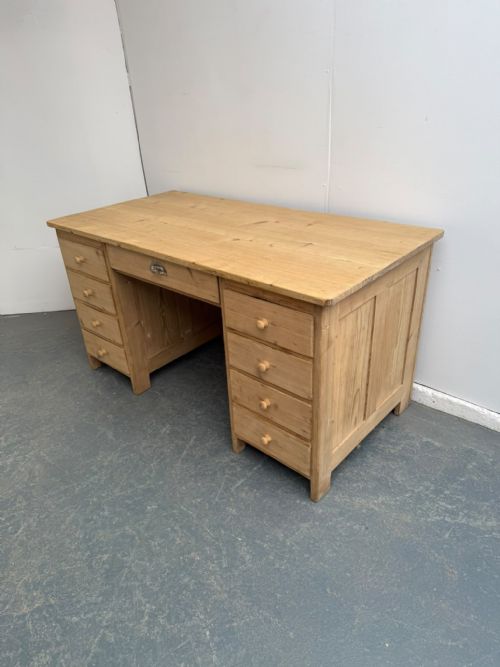
When you search for a natural wood desk, you encounter utilitarian workspaces and office tables built from honest timber rather than heavily veneered boards. These pieces emerge primarily from Victorian and nineteenth-century traditions, utilising solid planks of pine with multiple storage drawers.
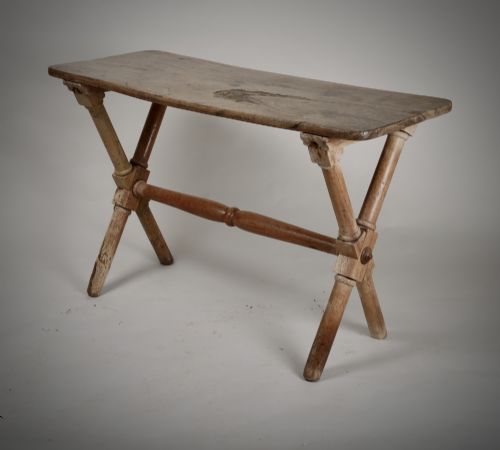
The selection ranges from large panelled office desks designed for steady administration to simpler primitive tables. Construction typically highlights the natural grain, often left unpainted or hand-stripped to reveal the raw timber beneath.
Distinctions in quality and execution
Quality rests upon the selection of timber and the integrity of the original construction rather than decorative flourishes. Desks featuring substantial panelled bodies and well-proportioned banks of drawers demonstrate superior cabinet work compared to lighter, purely utilitarian tables.
The preservation of the original surface also dictates worth, as untreated timber retaining authentic signs of age holds greater integrity than excessively stripped or altered examples.
Some nineteenth-century desks arrive with deep ink stains inside the drawers, left behind by clerks who clearly wrote in a tremendous hurry.
The Natural Wood Desk Glossary
- Pine
- A softwood commonly utilised in nineteenth-century utilitarian furniture for its accessibility and straight grain. It takes wax finishes well and forms the primary material for many traditional office desks.
- Elm
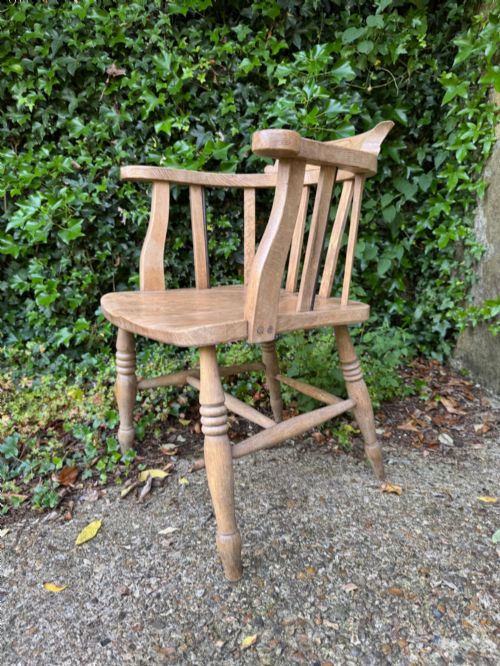
- A tough, interlocking timber frequently chosen for chair seats and table components where resistance to splitting is essential. Its distinct grain pattern adds visual depth to working surfaces.
- Scrub top
- A table or desk top cleaned repeatedly with water and abrasive stone, leaving a pale, smooth finish. This technique creates a distinctively worn and tactile surface texture.
- Panelled
- Construction method utilising framed wooden inserts within a larger structural framework to prevent warping. This technique provides stability to the sides and backs of larger desks.
Natural Wood Desk: Frequently Asked Questions
How do I clean a pine desk?
Dust the surface regularly with a dry, soft cloth to prevent grit accumulation in the wood grain.
Apply a traditional beeswax polish sparingly every few months to nourish the timber and maintain a soft lustre.
Are these desks suitable for daily work?
These nineteenth-century pieces offer sturdy platforms for writing and administrative tasks, constructed to endure heavy daily use.
Ensure you check the height dimensions carefully, as older working tables can sit lower than modern standard office furniture.
How do I identify Victorian pine?
Victorian pine furniture displays dense growth rings, minor knot blemishes, and a warm golden or honey tone developed through age.
Hand-cut joinery marks and traditional wooden drawer linings further distinguish pieces from this period.
Can I paint a natural wood desk?
Many nineteenth-century pine pieces were originally intended to be painted or finished with wax according to domestic preference.
Preparation involves lightly keying the surface so that modern breathable paints adhere properly without damaging the historic timber.