


Natural Wood Art
Natural wood art brings organic form and raw timber straight into the room, offering carved figures, rustic tables and sculptural seats that celebrate the grain itself.
Natural Wood Art
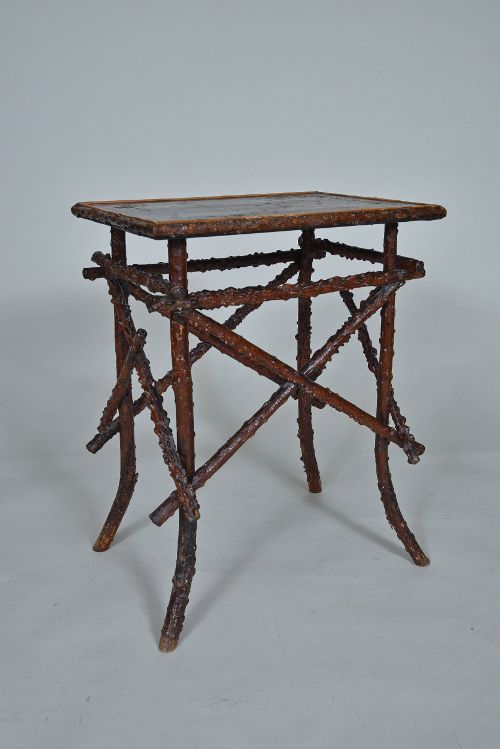
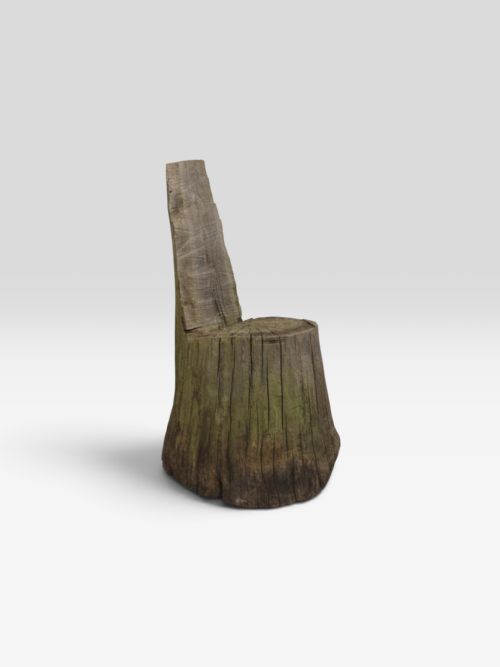
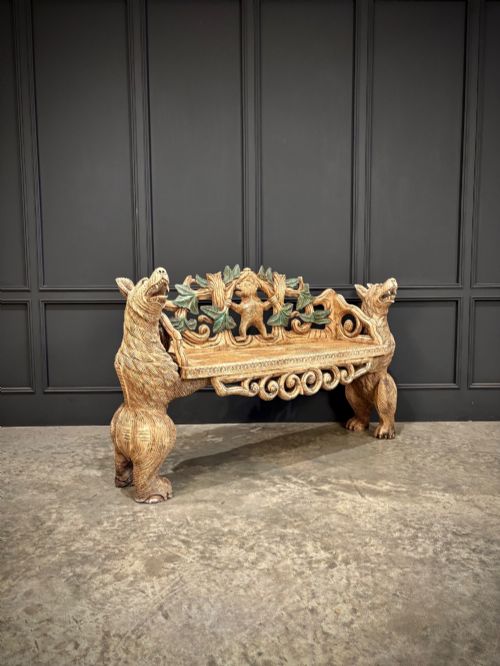
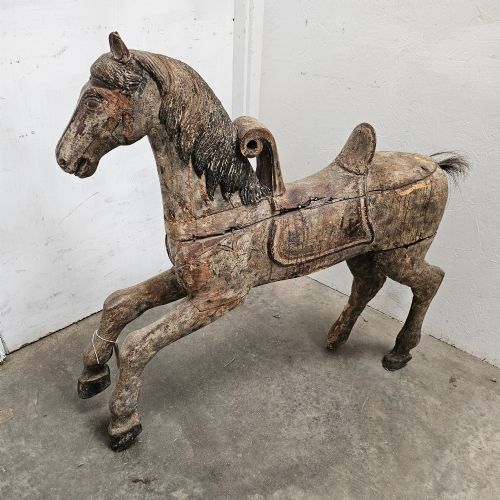
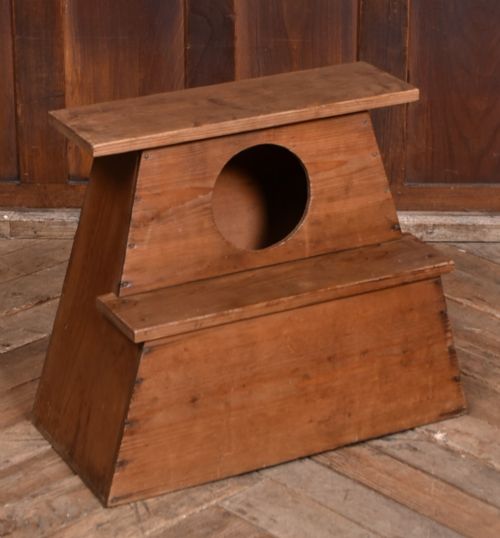
When searching for natural wood art, buyers encounter pieces where the grain, bark and natural shape of timber dictate the form, ranging from primitive tables to carved animal sculptures. These items bridge utilitarian objects and decorative pieces, drawing heavily on folk traditions and rustic craftsmanship from the nineteenth century onward.
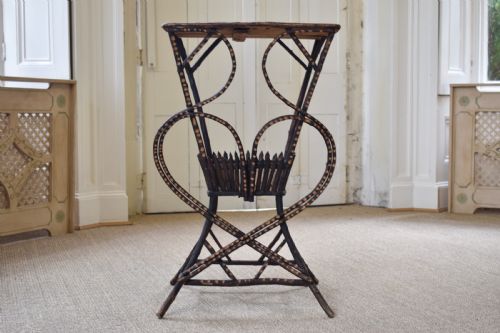
The selections span Scandinavian country storage barrels and twig tables to carved human forms in yew burr and Black Forest benches. Most examples date from the nineteenth century and the Edwardian period, reflecting a preference for unvarnished honesty in materials.
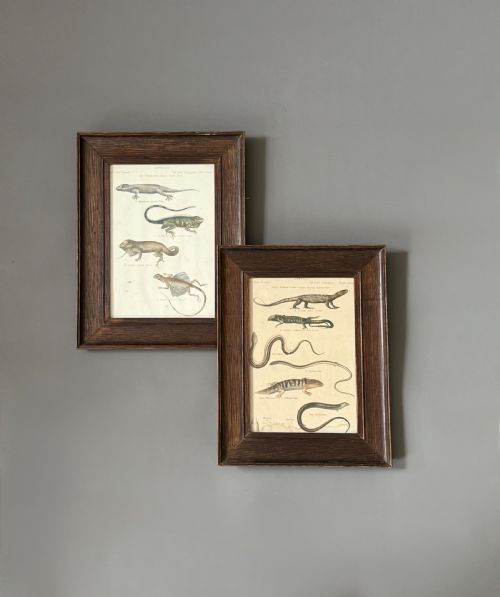
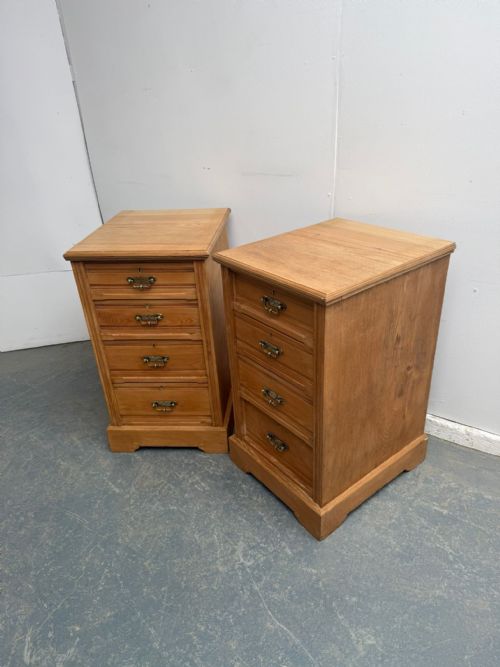
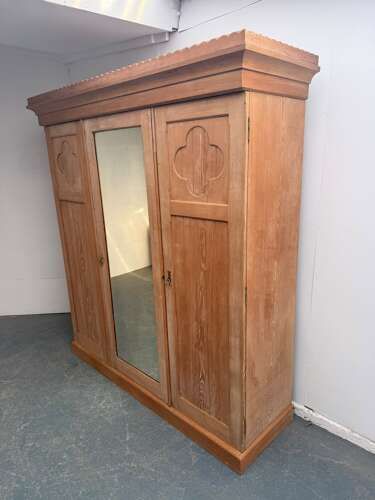
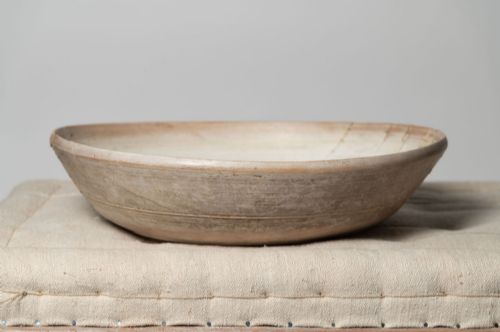
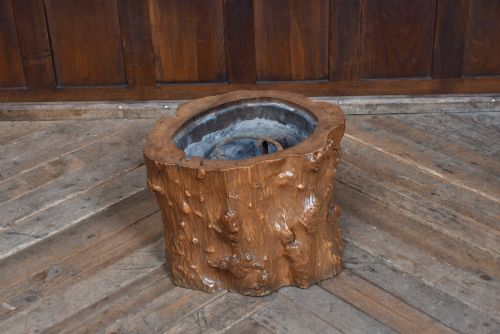
Domestic furniture sits alongside sculptural works and wall art, uniting rustic pine, ash and elm under a single aesthetic. Buyers find everything from dairy bowls and hibachis to bespoke twig frames and tree stem vessels.
Judging Quality
Quality rests in the harmony between the natural growth of the timber and the maker's intervention, where superior pieces exploit knots and burls for maximum visual impact. The best examples maintain structural integrity whilst celebrating raw imperfections, avoiding heavy restoration that masks the age of the wood.
Proportion and execution separate ordinary vernacular items from exceptional sculptural works, particularly in carved animal and human forms where anatomical precision meets organic material. Original surface patination remains paramount, distinguishing untouched historical pieces from those altered by modern sanding or stripping.
Natural Wood Art Retail Price Guide 2026
Typical asking prices for natural wood art among the pieces listed under this phrase on Sellingantiques today, from the lower quarter to the upper quarter. They describe what is for sale here now, not the wider market.
Listings feature nineteenth-century pine storage barrels, Scandinavian woven baskets and rustic twig tables alongside carved yew burr sculptures.
William Bird MD FLS·Frank Dobson·Carl Whitfield·Jonathan Couch·Charles F Tunnicliffe
The Natural Wood Art Glossary
- Burr
- A growth on a tree where the grain has formed in a deformed knot, highly prized by woodworkers for its swirling patterns and rich texture when polished.
- Folk art
- Objects created by self-taught or traditional craftsmen using local materials, prioritising utility and expressive form over academic design rules.
- Primitive
- A descriptive term for early or unrefined pieces made with basic tools, displaying direct construction methods and honest utility.
- Treen
- Small handmade wooden domestic objects such as bowls, spoons and boxes, collected for their tactile qualities and simple craftsmanship.
Natural Wood Art: Frequently Asked Questions
What defines natural wood art?
These pieces use raw timber, branches, roots and burrs to create functional items or sculptures that highlight organic forms. The natural grain and shape guide the aesthetic.
Craftsmen preserved knots, bark and irregular edges to celebrate the living tree within domestic objects and furniture.
How should I care for rustic wooden pieces?
Keep items away from direct heat sources and sudden humidity changes to prevent the timber from splitting or warping over time. Dust gently with a dry cloth rather than using liquid polishes.
Applying a light, natural wax occasionally helps nourish older dry wood without building up heavy chemical layers.
Where were these pieces made?
Origins vary widely across European folk traditions, with strong representation from Scandinavian country workshops, British rural makers and German carvers. Each region utilised local timber species available to the maker.
Local domestic needs and regional forestry practices shaped the distinct styles found in these functional objects.
How do I date a piece of rustic wood art?
Dating relies on tool marks, construction methods, timber shrinkage and the wear patterns accumulated on surfaces over decades of use. Fastened joints, handmade fixings and regional styles provide further clues.
Comparing the patina and species of wood against documented examples from specific periods helps narrow down the decade of creation.