




Natural Timber Folk Art
Natural timber folk art brings unpretentious utility and raw organic sculpture straight from domestic and rural life into modern rooms.
Natural Timber Folk Art
Natural timber folk art encompasses domestic utilities, rustic seating and carved organic figures shaped by country makers across the eighteenth, nineteenth and early twentieth centuries.
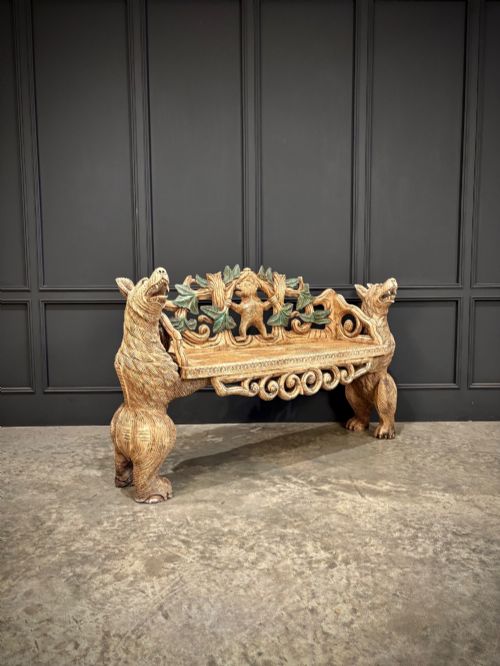
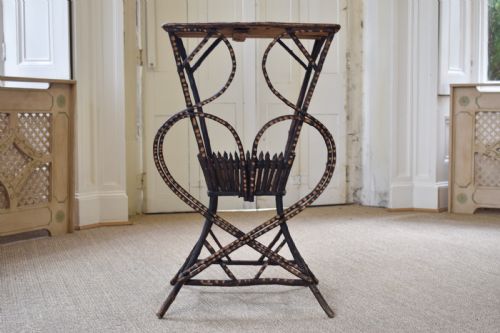
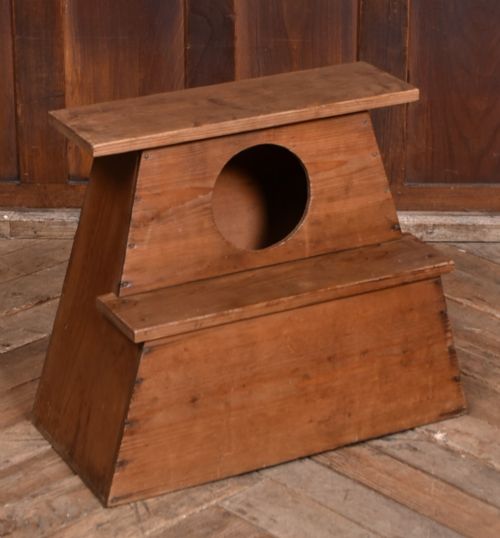
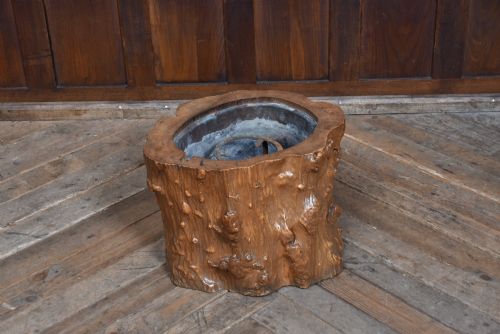
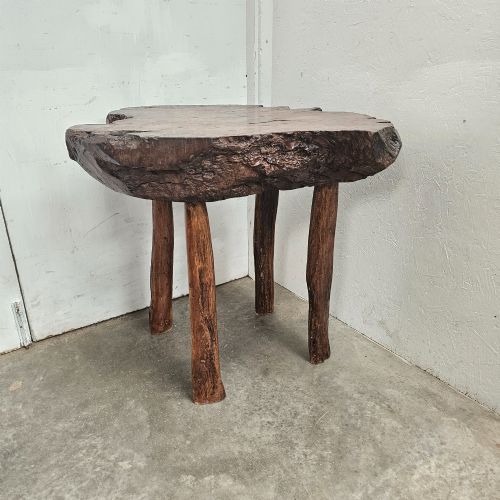
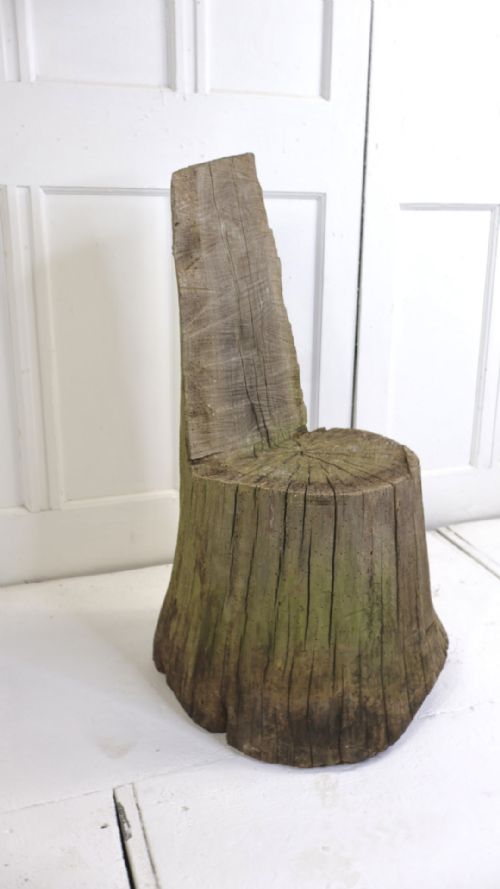
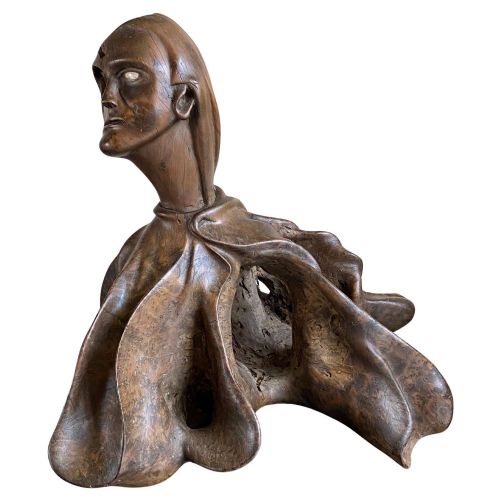
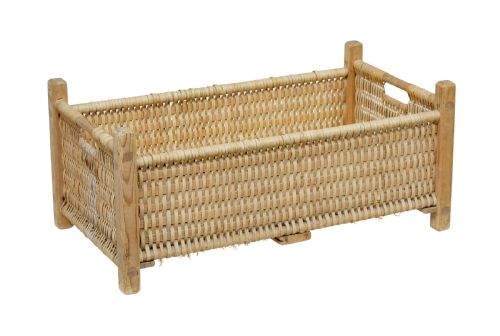
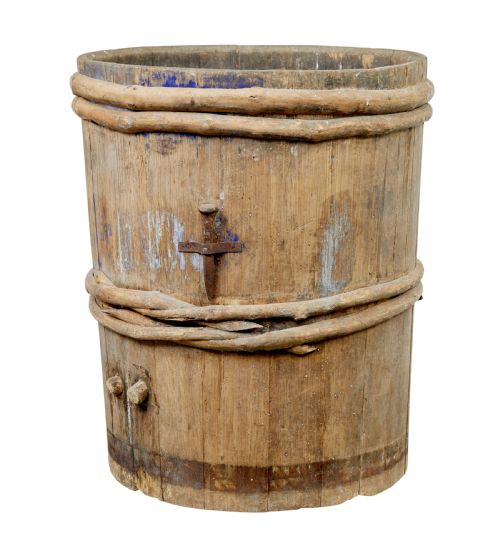
The objects appearing here lean heavily toward Scandinavian country pine barrels and baskets, carved burr wood sculptures, and utilitarian furniture such as dug out chairs and twig tables.
Buyers will find a distinct emphasis on works retaining their unvarnished grain, bark, or original painted surfaces, reflecting both practical rural use and instinctive sculptural form.
What varies in quality
Quality rests upon the strength of the natural sculptural form and the honesty of the surface patination accumulated through decades of handling.
Pieces showing bolder character in the burr grain, root growth, or primitive joinery command greater appreciation than ordinary utilitarian items.
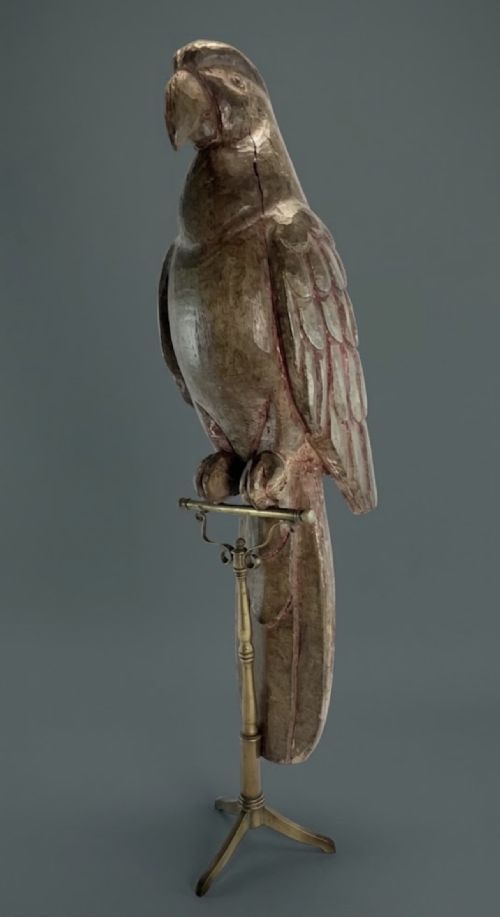
A nineteenth-century carved wooden parrot stands ready on its brass perch.
The Natural Timber Folk Art Glossary
- Folk art
- Utilitarian objects and sculptures created by self-taught or traditional country makers without formal academic training. These pieces prioritize practical function or instinctive expression over academic style.
- Burr wood
- A deformed growth on a tree where the grain has swirled in random patterns. Carvers prize this timber for its dense, highly figured texture.
- Treen
- Small handmade wooden household objects such as bowls, spoons, and boxes. Centuries of daily use often impart a soft, tactile surface to these items.
- Dug out
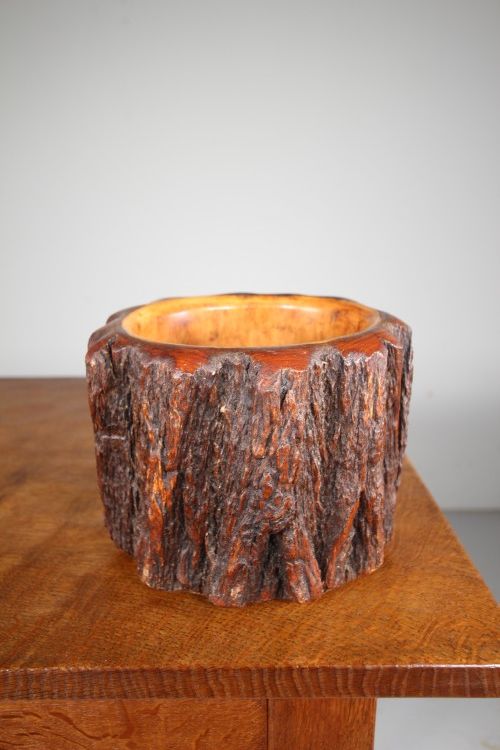
- An object hollowed directly from a single solid section of a tree trunk. This method forms sturdy chairs, troughs, and bowls.
Natural Timber Folk Art: Frequently Asked Questions
What defines natural timber folk art?
These pieces originate from rural or domestic traditions where makers utilised local timber, branches, and roots to fashion everyday items or expressive sculptures.
Their appeal lies in the unpolished connection to nature and the visible marks of hand tools rather than refined workshop finish.
How were these wooden items used?
Many examples served practical household or agricultural functions, including storage barrels, dairy bowls, work stools, and woven baskets for daily chores.
Other items, such as branch figures, animal carvings, and twig tables, were decorative or whimsical creations shaped during quiet hours.
How do I live with rustic wooden pieces?
Natural timber objects integrate easily into contemporary interiors by introducing warmth, texture, and organic contrast against neutral walls and modern surfaces.
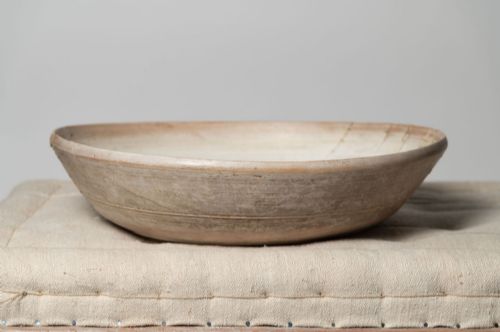
Placing a dug out bowl on a table or positioning a twig chair in a corner brings historical narrative and tactile depth directly into a room.
How can I tell the period of rustic items?
Dating relies upon observing tool marks, timber species, structural wear, and the presence of early paint or natural wax patination.
Eighteenth and nineteenth-century pieces often display hand-sawn boards and trunnels, while later examples from nineteen hundred onwards show slightly different industrial influences.