

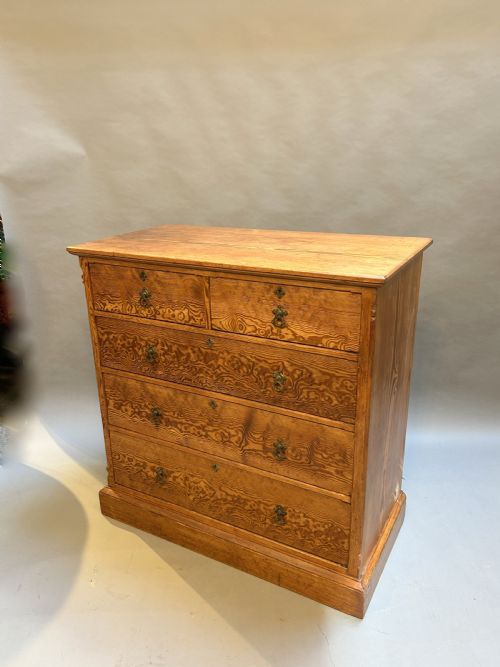
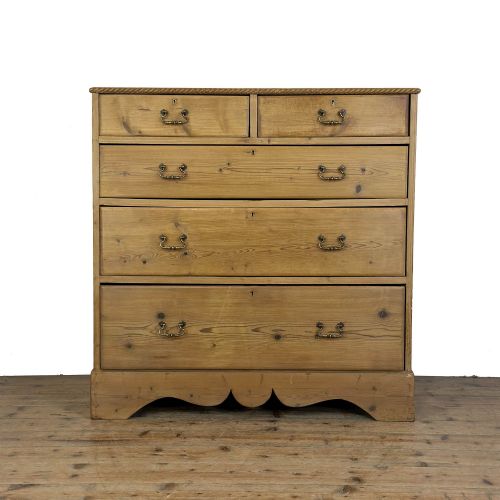
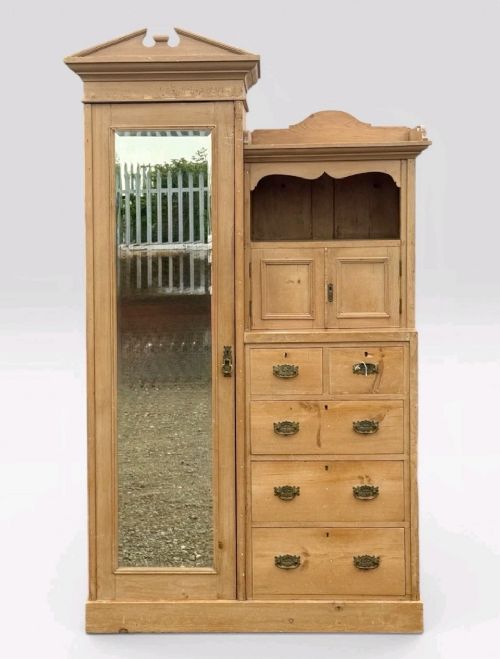
Natural Pine Bedroom Storage
Natural pine bedroom storage brings warmth and utility, offering practical nineteenth-century chests, wardrobes, and cupboards for the home.
Natural Pine Bedroom Storage
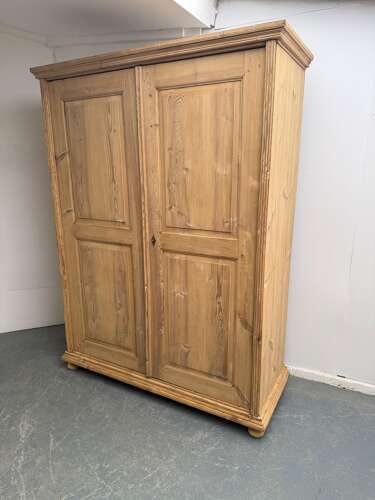
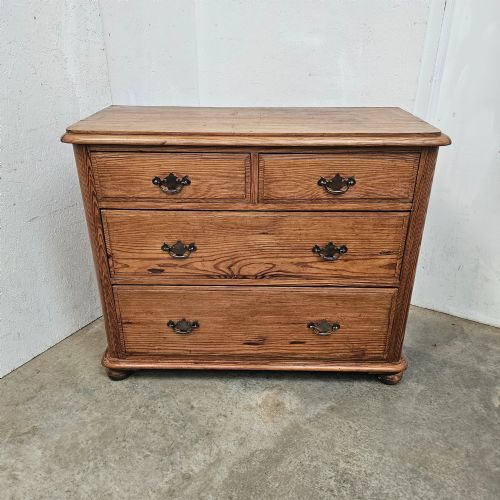
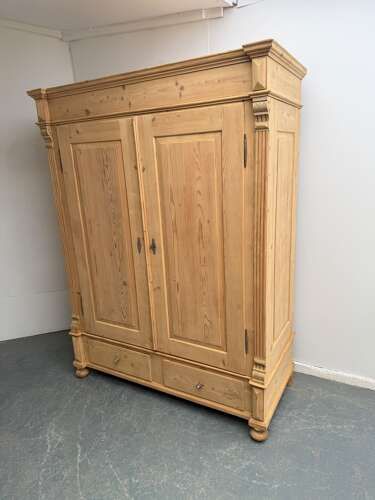
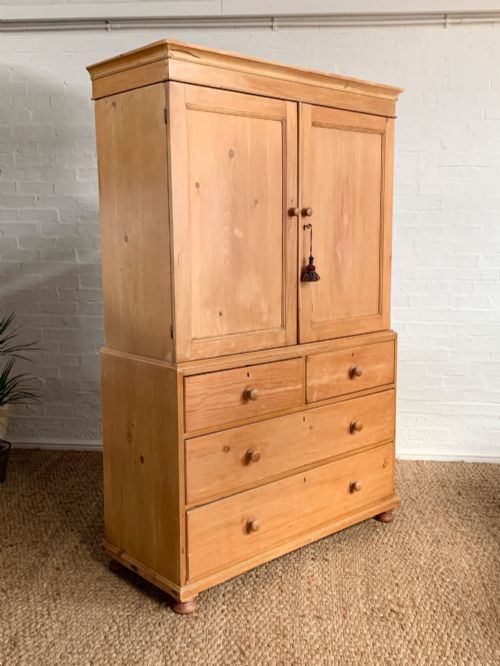
Natural pine bedroom storage spans chests of drawers, wardrobes, armoires, linen presses, and storage cupboards produced across the nineteenth and early twentieth centuries. These pieces originate from domestic workshops and continental makers, built to serve daily functional needs in bedrooms.
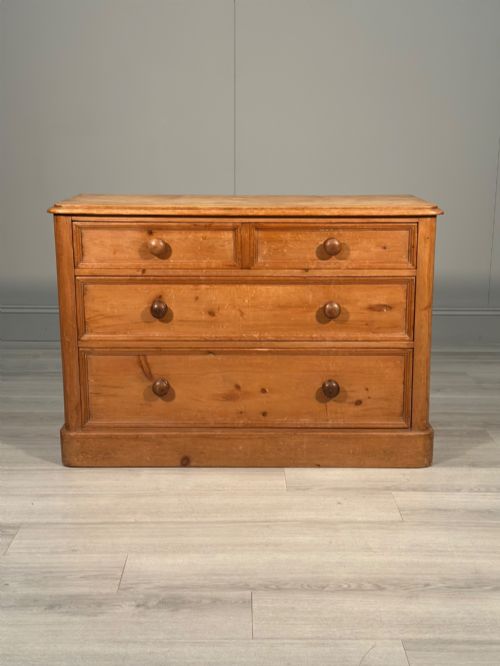
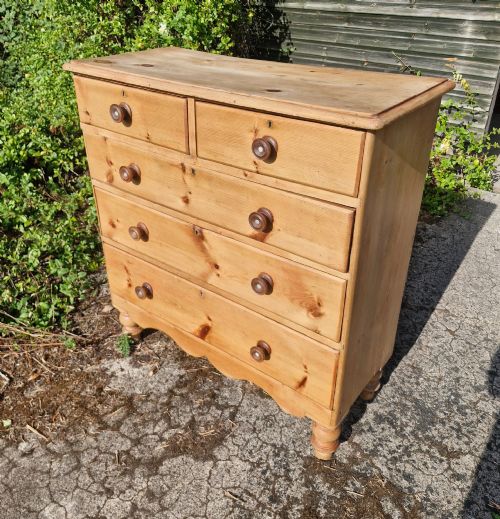
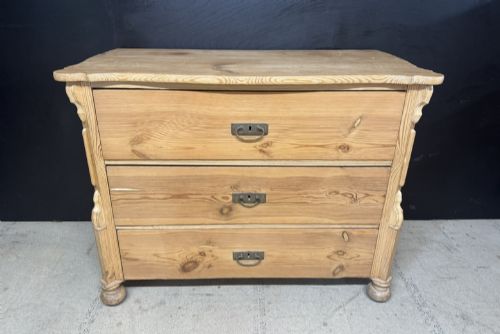
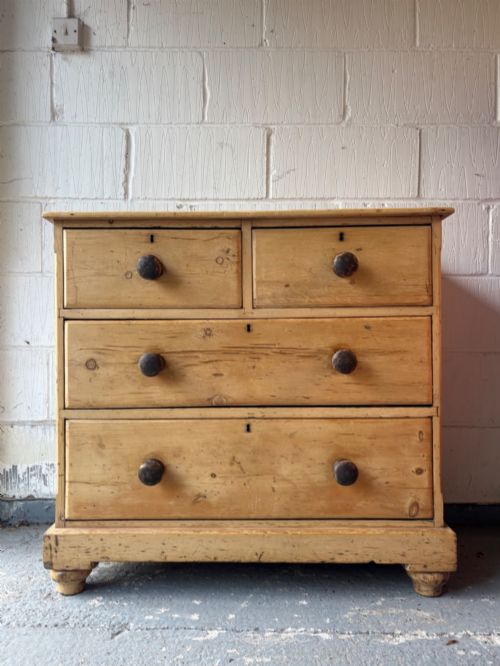
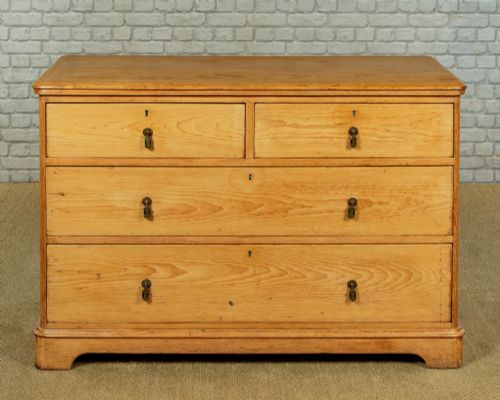
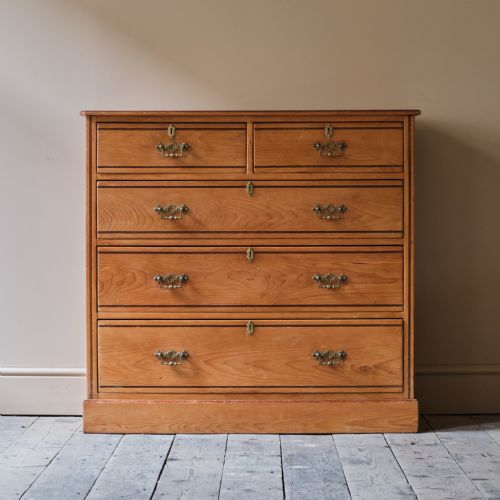
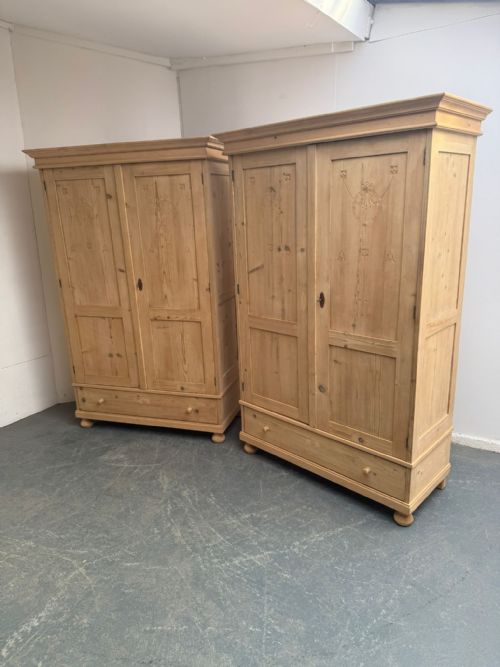
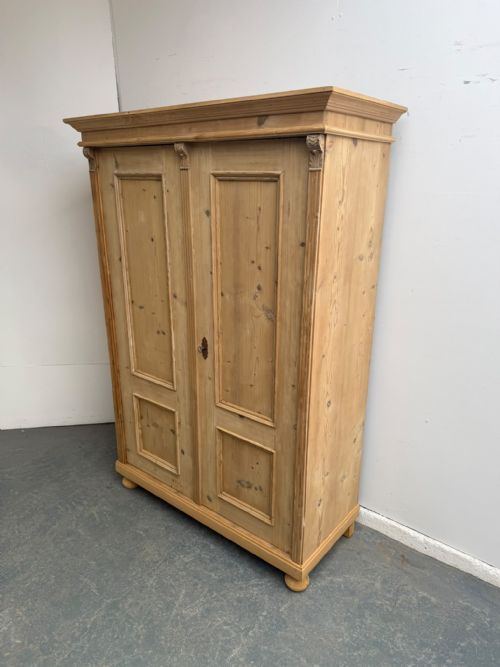
Chest of drawers pieces dominate the selection, appearing in three, four, and five drawer configurations with bun handles or columned details. Wardrobes and knockdown cupboards provide larger capacities, frequently designed to dismantle for transport.
Examples cross several design movements, including Victorian country, Georgian, Arts and Crafts, Art Nouveau, and the Aesthetic Movement. Smaller cupboards and chifferobes round out the forms available for domestic storage.
Materials and Construction
Construction relies primarily on solid pine, alongside varieties such as pitch pine and Oregon pine. Metal components like brass and iron appear in hardware, hinges, and drawer pulls, while internal or decorative elements occasionally incorporate ceramic, wood, and bone.
Pieces frequently feature waxed or scrubbed surface treatments, or arrive prepared for waxing and painting. Knockdown construction allows larger wardrobes and cupboards to separate into manageable sections for moving.
Several wardrobes arrive ready for painting, offering a blank canvas for colour.
Gradations in Quality
Quality separates through the integrity of the timber selection and the precision of the joinery across drawers and carcasses. Well-executed detailing, such as columned supports or balanced proportions on larger wardrobes, marks superior examples.
The degree of original preservation or careful stripping influences the tactile finish of the wood. Pieces retaining characteristic hardware and sturdy knockdown mechanisms stand apart from simpler utility items.
The Natural Pine Bedroom Storage Glossary
- Knockdown wardrobe
- A large wardrobe engineered to dismantle into modular sections for ease of transport and assembly. This technique was particularly useful for moving bulky bedroom furniture through narrow staircase turns.
- Pitch pine
- A dense, resinous softwood known for prominent grain patterns and durability. It provides robust construction for nineteenth-century chests of drawers and storage cupboards.
- Chifferobe
- A hybrid storage piece combining wardrobe hanging space with cabinet shelving and drawers. It offers compact bedroom storage by uniting multiple functions in one carcass.
- Linen press
- A tall cupboard featuring upper shelving for folded textiles and lower drawer storage. These pieces reflect historic domestic routines centred on household linens.
- Scrubbed pine
- A surface finish achieved by vigorous cleaning that leaves the timber bare and pale. This treatment highlights the natural grain of the wood without heavy wax or paint layers.
Natural Pine Bedroom Storage: Frequently Asked Questions
How do I care for a waxed pine chest?
Maintain waxed pine surfaces by dusting regularly with a soft cloth and applying a traditional beeswax coating periodically to nourish the timber. Avoid placing these pieces in direct sunlight or near heat sources to prevent the wood from drying out.
Keep the environment stable in humidity to protect the joints and drawers from swelling or shrinking over time.
Can knockdown wardrobes be assembled easily?
Knockdown wardrobes dismantle into distinct panels and cornices, allowing straightforward transport into rooms with restricted access. Reassembly typically requires basic hand tools and two people to align the panels correctly.
Check that the uprights remain plumb and square during assembly so the doors and drawers hang and slide properly.
How do I date a nineteenth-century pine cupboard?
Examine the construction methods, such as dovetail joints on drawers and the type of fixings used in the carcass. Hand-cut dovetails generally point towards earlier nineteenth-century periods, while machine-cut elements appear later.
Stylistic cues like Art Nouveau curves or Aesthetic Movement lines help narrow down pieces produced near the turn of the century.