

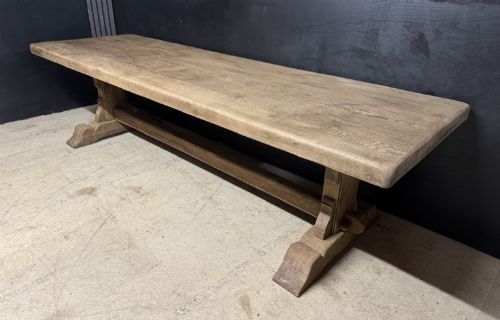
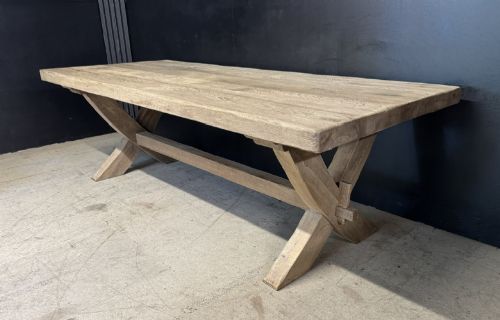
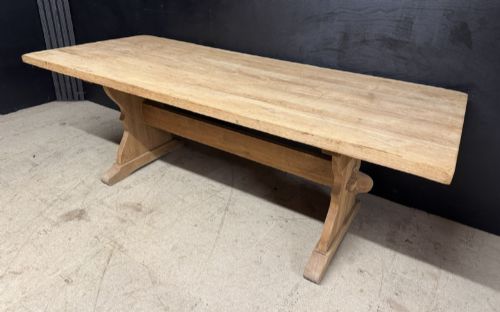
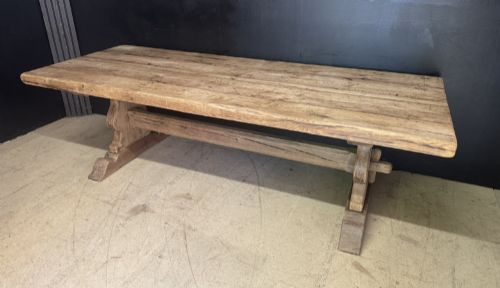
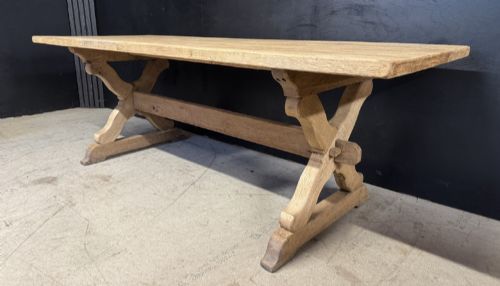
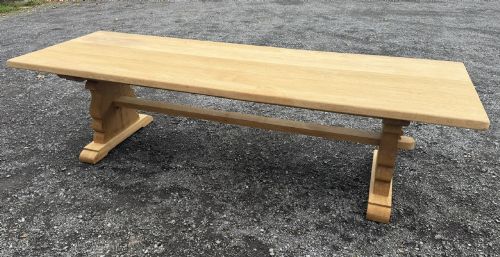
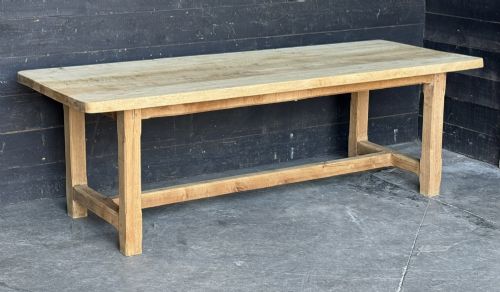
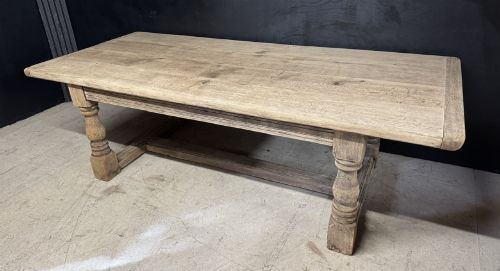
Natural Oak Dining Table
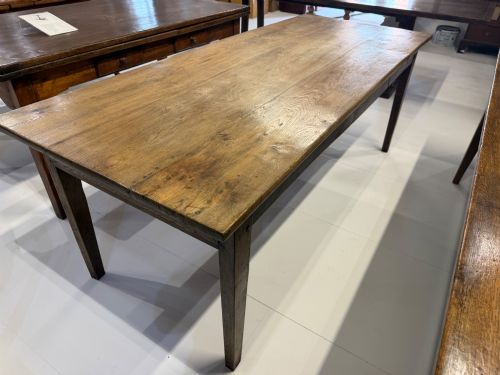
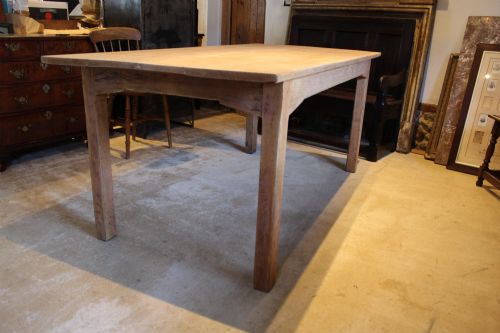
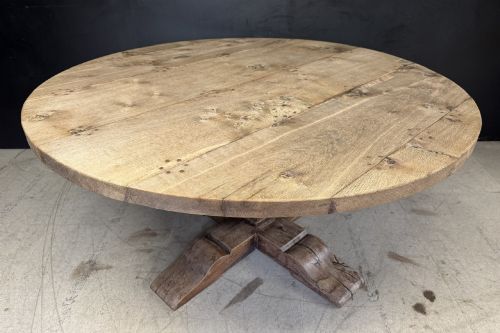
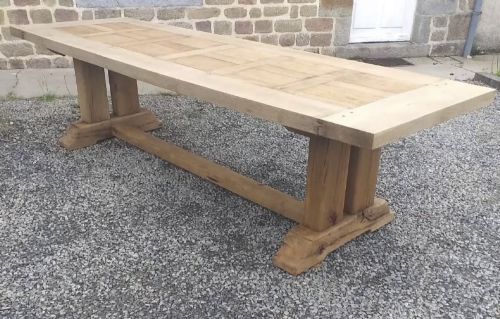
A natural oak dining table brings functional warmth to a room, offering sturdy timber surfaces shaped across centuries of domestic life.
Natural Oak Dining Table
A natural oak dining table serves as a central hub for daily meals and gatherings, drawing on centuries of utility. These pieces range from eighteenth-century single plank boards to robust refectory forms designed for larger groups.
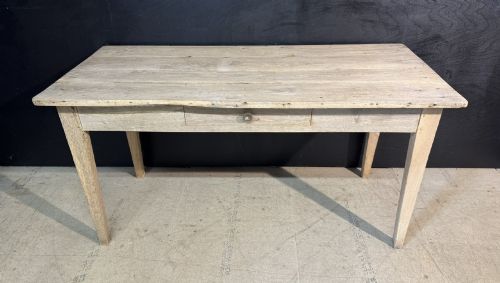
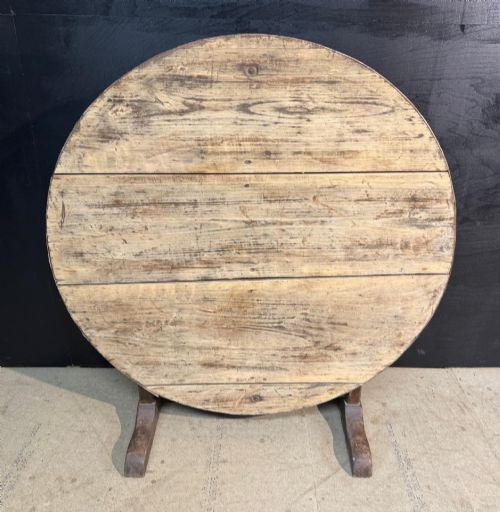
The selections encountered here lean heavily toward French farmhouse and provincial traditions, often stripped to reveal the pale grain of the wood. Alongside these, nineteenth-century tavern tables and Edwardian iterations provide varied proportions suited to different interiors.
Makers and workshops across Britain and France shaped these timbers into practical furniture, employing styles that span from rustic country vernacular to Arts and Crafts simplicity. The enduring appeal lies in the straightforward honesty of the materials.
Factors that distinguish quality
The integrity of the timber forms the primary distinction in these tables, with single plank surfaces and dense grain commanding attention. Construction details such as hand-cut joinery and original wooden pins reveal the care taken by the original maker.
Proportion and scale dictate the success of the piece, particularly in larger refectory and monastery formats where balance is essential. The depth of the colour, whether left in a deep golden tone or sensitively bleached, alters the visual weight of the furniture.
Natural Oak Dining Table Retail Price Guide 2026
Typical asking prices for natural oak dining table among the pieces listed under this phrase on Sellingantiques today, from the lower quarter to the upper quarter. They describe what is for sale here now, not the wider market.
Periods represented span from the eighteenth century through the Edwardian era and the early twentieth century.
Heals of London
The Natural Oak Dining Table Glossary
- Refectory table
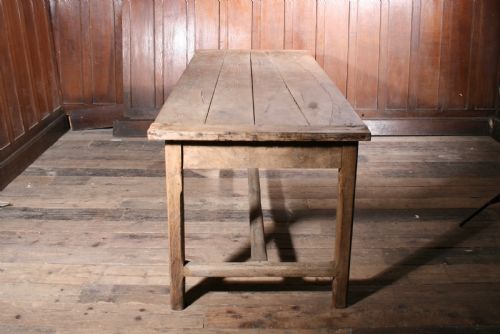
- A long, narrow dining table traditionally used in monastic dining halls for communal meals. These examples often feature stretcher bases for added stability.
- Bleached oak
- Timber treated to lighten the natural dark tones of the wood, creating a pale, neutral finish popular in French provincial furniture.
- Single plank
- A tabletop constructed from one wide board of timber rather than multiple pieces joined together. This feature denotes considerable age and the availability of mature trees.
- Bobbin legs
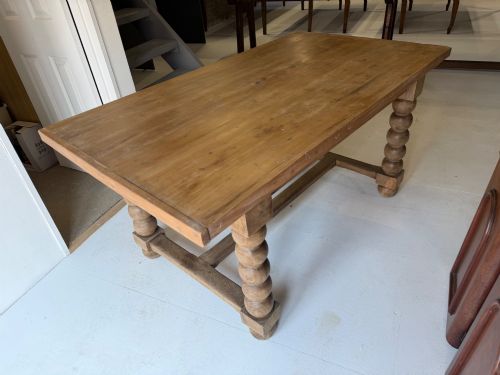
- Turned furniture supports shaped with rounded, spool-like protrusions resembling bobbins used in textile manufacturing. This decorative turning appears on nineteenth-century pieces.
- Mortise and tenon
- A traditional woodworking joint where a projecting tongue fits snugly into a corresponding cavity to lock two pieces of timber at a right angle.
Natural Oak Dining Table: Frequently Asked Questions
How do I clean a natural oak dining table?
Use a damp cloth with mild soap for routine wiping, avoiding harsh chemical sprays that strip the protective surface. Dry the timber thoroughly afterwards to prevent moisture damage.
Periodically nourish waxed surfaces with a suitable beeswax to maintain the moisture of the wood and protect against everyday stains.
Can I seat ten people comfortably?
Larger formats such as refectory or ten-seater tables easily accommodate dinner parties, provided the leg placement allows adequate legroom underneath.
Check the overall length and the position of any stretchers or drawers before arranging seating around the perimeter.
What is the difference between French and English styles?
French farmhouse and provincial tables frequently showcase bleached finishes and simpler apron designs suited to relaxed domestic spaces. English vernacular pieces often retain deeper golden tones and heavier structural framing.
Both traditions prioritise utility, but regional preferences dictated the choice of leg turnings and edge profiles.