




Natural History Specimen Display
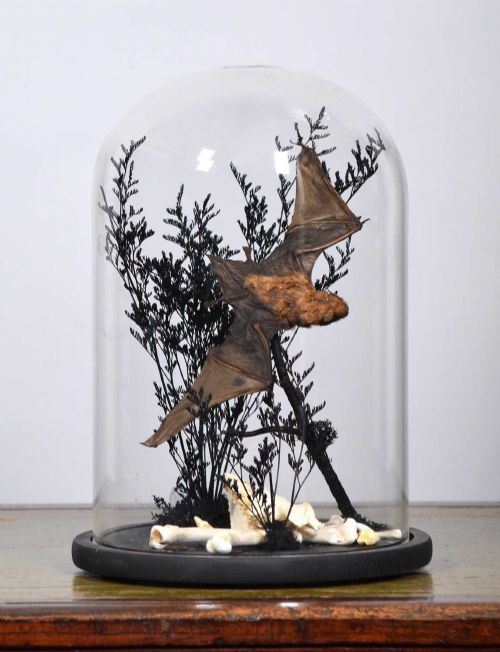
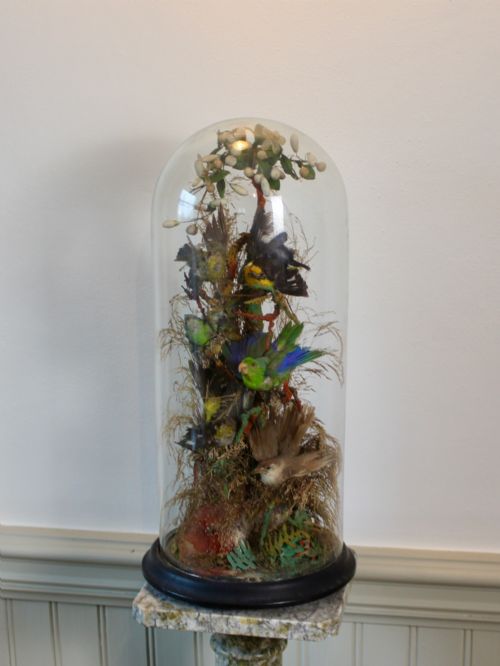
A natural history specimen display brings the outdoors inside, offering preserved animals, shells, fossils, and plants housed in glass and wood.

Natural History Specimen Display
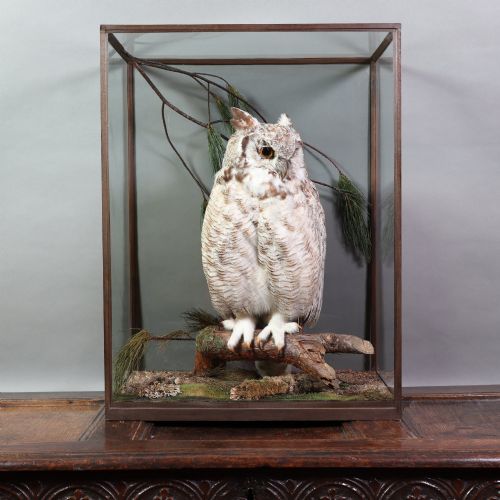
A natural history specimen display brings together preserved animals, insects, fossils, and botanical elements to showcase the diversity of the natural world. These objects reflect a long tradition of scientific inquiry and domestic decoration, originating from private curiosity cabinets and evolving into educational displays.
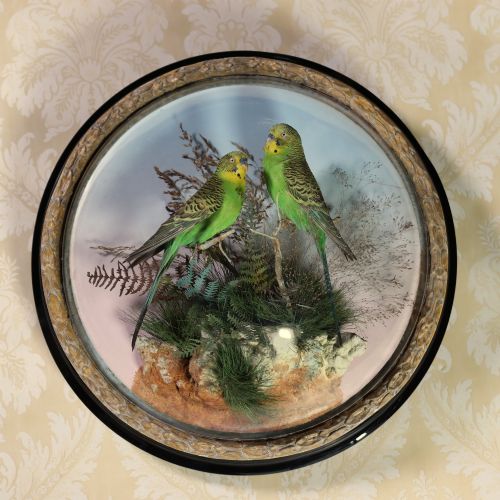
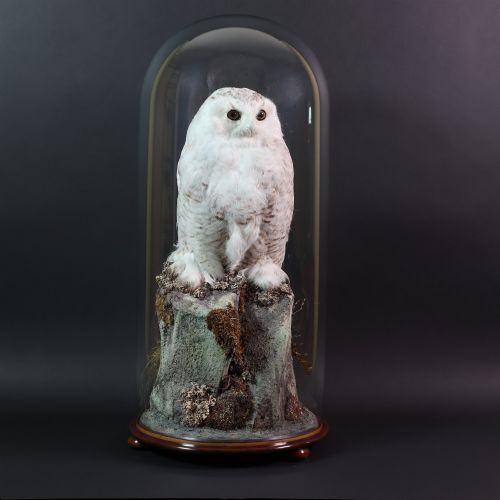
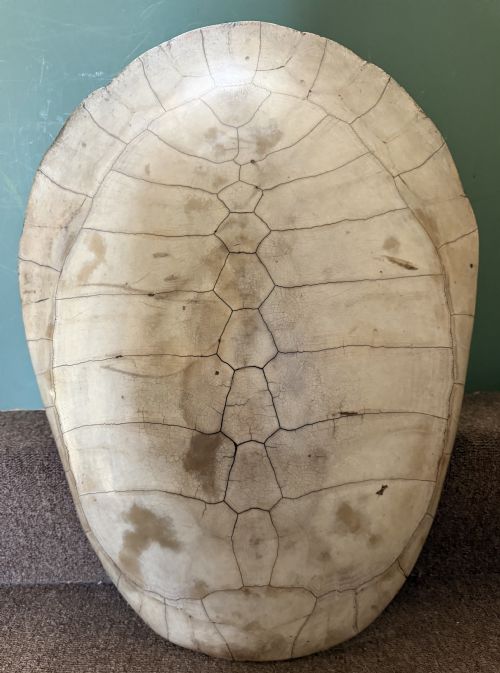
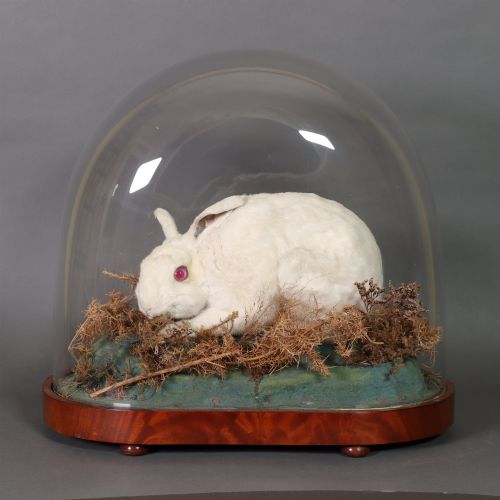
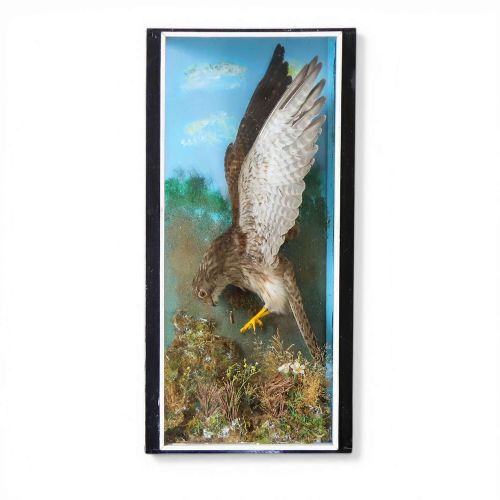
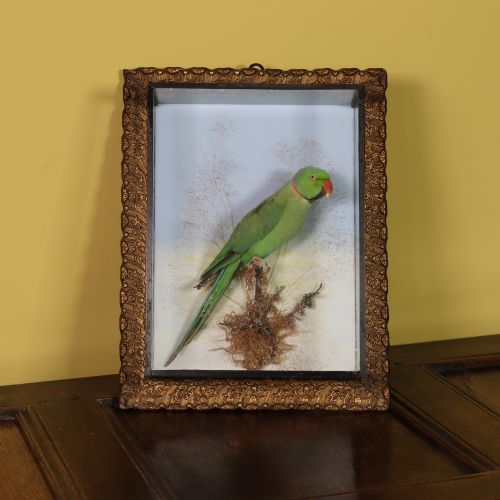
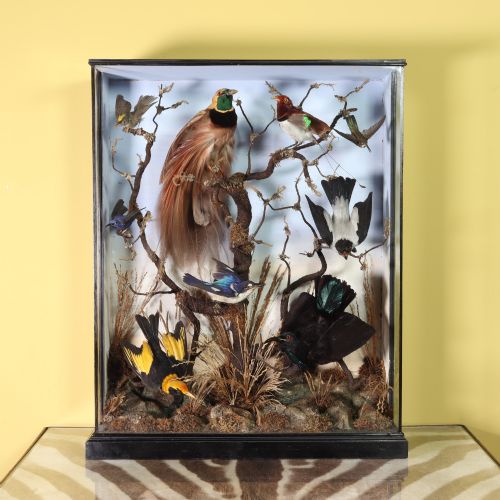
The most common versions on this page are Victorian and early 20th-century taxidermy cases, glass domes, and multi-drawer mahogany cabinets. Birds, fish, and small mammals appear alongside shells, coral, and prehistoric fossils.
Originating largely from British workshops and taxidermists, these pieces capture specific ecosystems or isolated specimens against painted backgrounds. Collectors utilise them to add texture, narrative, and historical depth to interior spaces.
Materials and construction
Taxidermy specimens and natural objects are housed in timber frames, typically mahogany or oak, fitted with large glass panels or blown glass domes to protect the delicate contents from dust and moisture. Interior settings incorporate real moss, painted paper backdrops, and artificial foliage to mimic natural habitats.
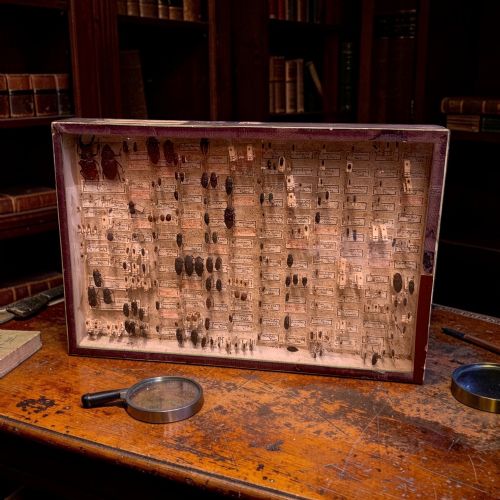
Wooden collector cabinets feature multiple shallow drawers constructed with precise joinery, often finished with brass pulls and glass covers designed to organise entomology specimens or small fossils.
Natural History Specimen Display Retail Price Guide 2026
Typical asking prices for natural history specimen display among the pieces listed under this phrase on Sellingantiques today, from the lower quarter to the upper quarter. They describe what is for sale here now, not the wider market.
Some Victorian taxidermists prepared albino rabbits and exotic parakeets so convincingly that visitors often suspect the animals might suddenly blink.
Factors that define quality
Quality rests on the taxidermist's skill in rendering realistic posture, anatomical proportion, and expression in the subject, alongside the condition of the plumage, fur, or scales. Well-preserved specimens retain their original coloration and show minimal fading or insect damage.
The sophistication of the enclosing case dictates overall value, with custom-painted dioramas, curved glass fronts, and cabinetry bearing maker labels commanding greater attention than plain wooden boxes.
J Griffiths of Burford·James Gardner of London·Rowland Ward Ltd·William Bazeley & Sons·A Pollard·J Cooper & Sons·W.F. Homer London
The Natural History Specimen Display Glossary
- Taxidermy
- The art of preparing, stuffing, and mounting the skins of animals for display in a lifelike state. This practice became widespread during the Victorian era for scientific study and home decoration.
- Diorama
- A three-dimensional scene depicting animals or plants in a simulated natural environment. These setups often feature hand-painted background scenery and real botanical elements.
- Entomology case
- A shallow wooden box with a glass lid used to organise and display collections of insects such as butterflies and beetles. The specimens are typically pinned into a cork-lined interior.
- Specimen cabinet
- A piece of furniture containing multiple flat drawers designed for storing and sorting natural history objects. Mahogany and oak were standard timbers utilised for these sturdy units.
Natural History Specimen Display: Frequently Asked Questions
Where should I place my specimen display?
Keep natural history specimens away from direct sunlight and heat sources to prevent the fading of feathers, fur, and painted backgrounds. Stable indoor temperatures protect both timber frames and delicate organic materials.
Position cases on sturdy furniture where vibrations are minimal. Heavy mahogany cabinets require level surfaces to ensure drawers slide smoothly without binding.
How do I date an antique display case?
Examine the construction methods of the timber frame, noting whether the wood shows hand-sawn marks or machine-cut precision. Label styles, handwritten notes on the back, and specific taxidermy techniques also point toward a particular decade.
Victorian pieces frequently feature heavier glass and detailed naturalistic backgrounds, whereas later 20th-century versions lean towards simpler, streamlined housing.
Are these specimens fragile?
Many taxidermy specimens and fossils are delicate due to their age and organic composition. Feathers, wings, and dried botanical elements can easily fracture if subjected to sudden impacts.
Handle complete cases with both hands underneath the base rather than gripping upper mouldings. For loose fossils or shells, support the entire weight on a flat surface.