
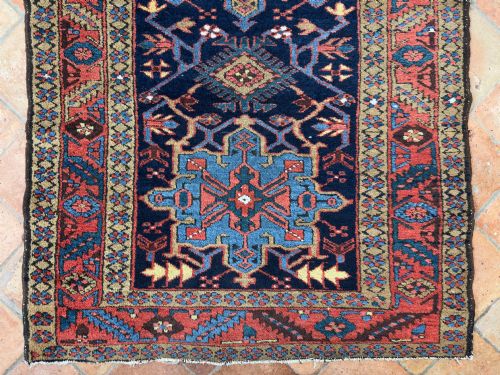
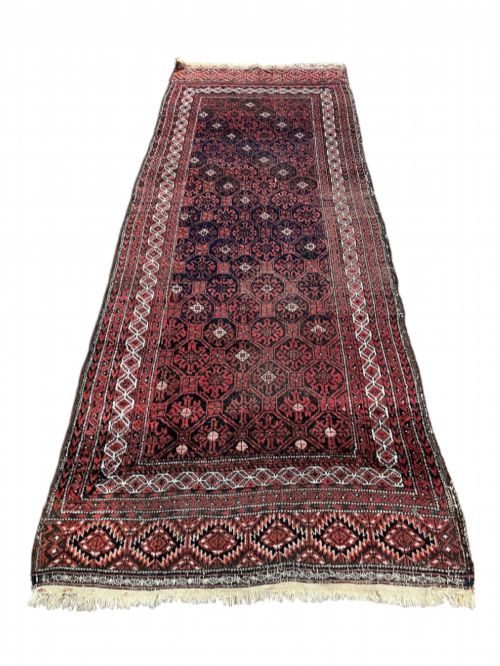
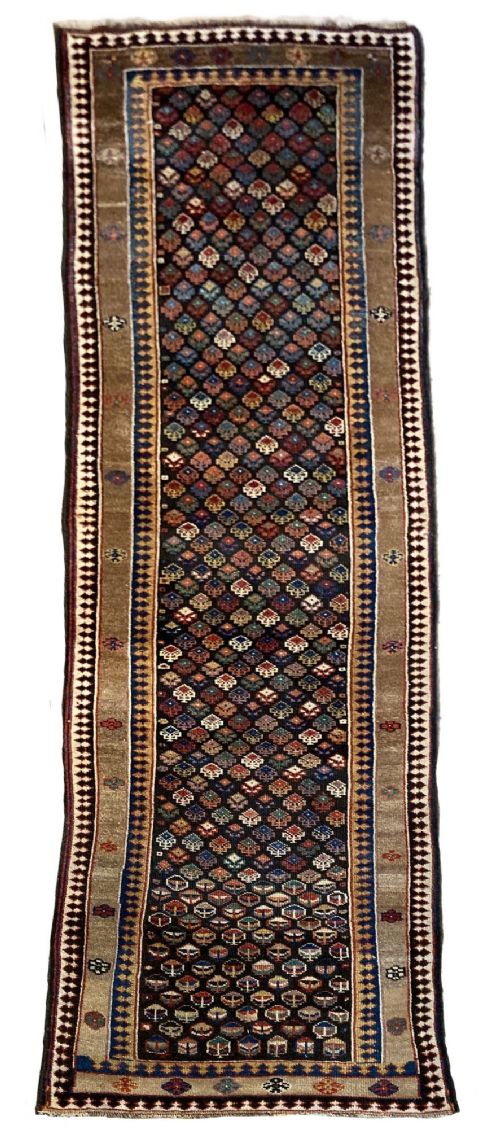


Narrow Wool Carpet
A narrow wool carpet brings warmth and character to hallways and landings, offering long proportions and durable pile woven by traditional makers.
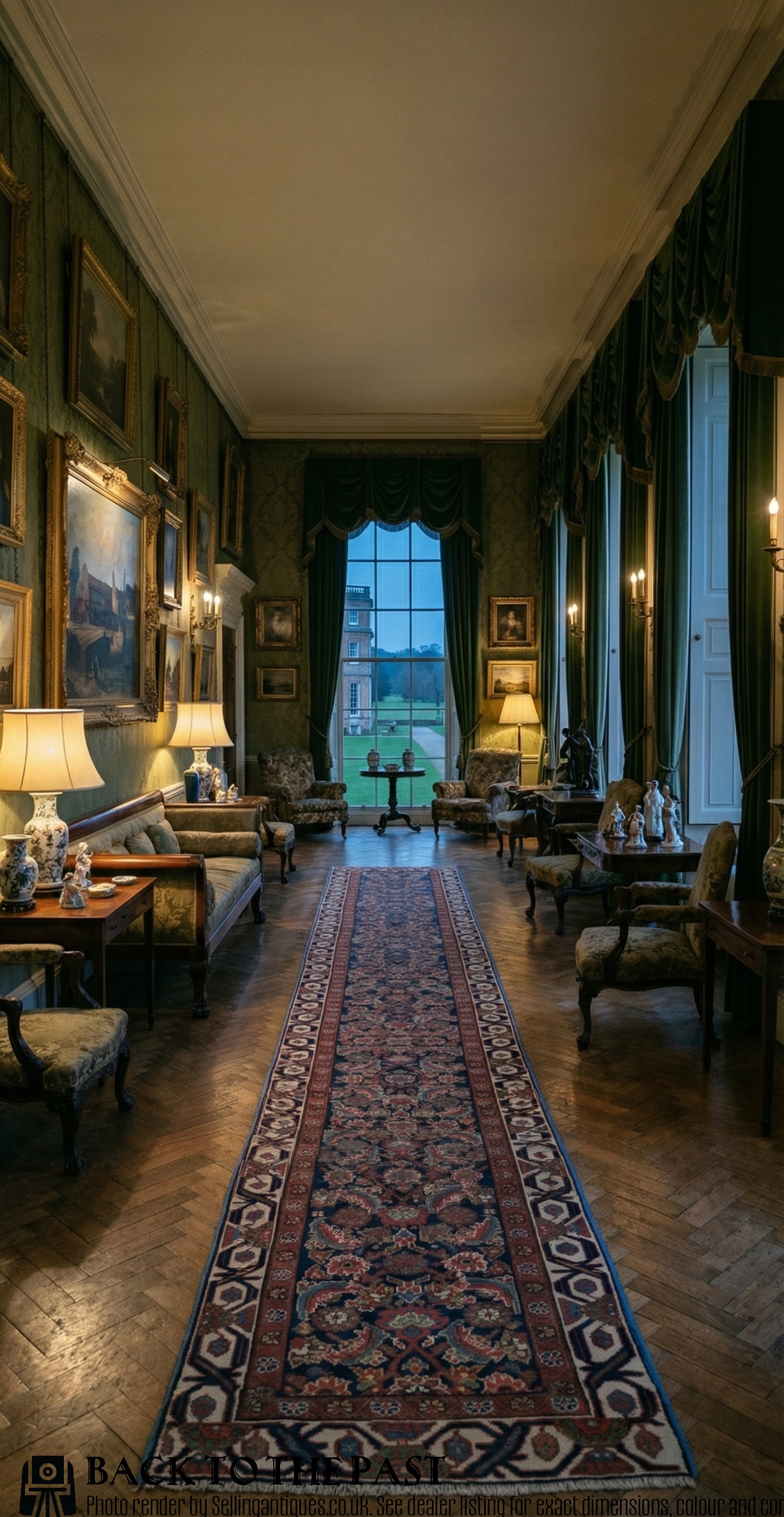
Narrow Wool Carpet
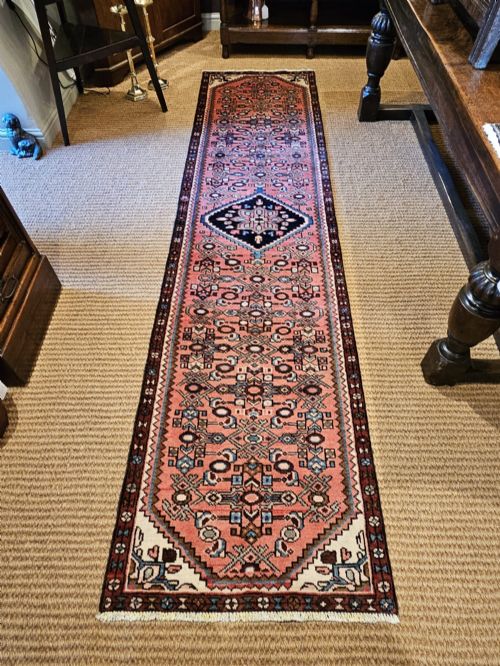
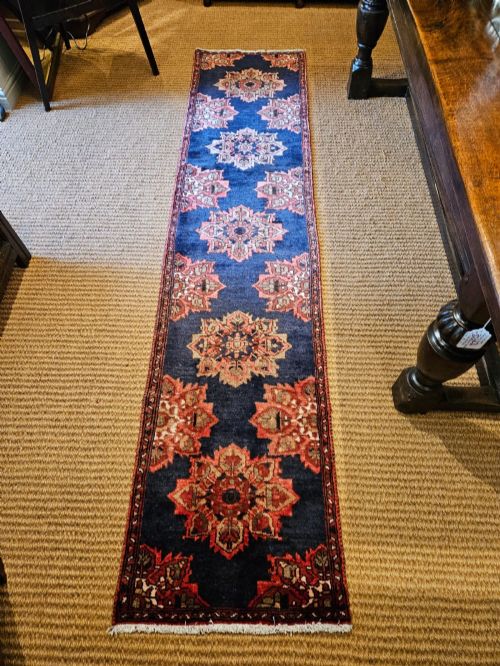
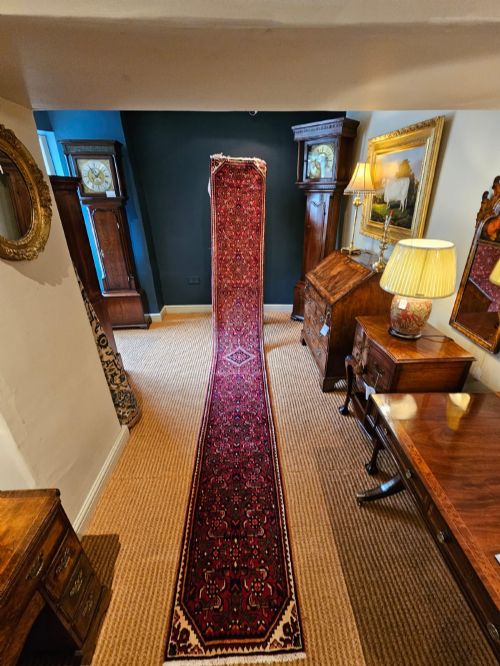
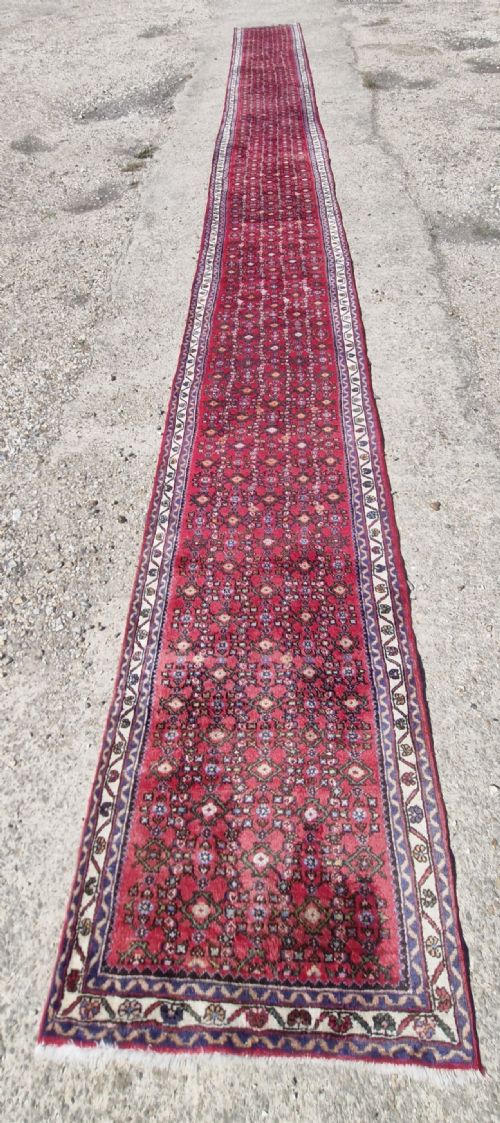
A narrow wool carpet spans room lengths and hallways, meeting the demand for elongated floor coverings that suit corridors and stairs. These pieces appear in forms such as runner rugs, hallway runners, and long kilims.
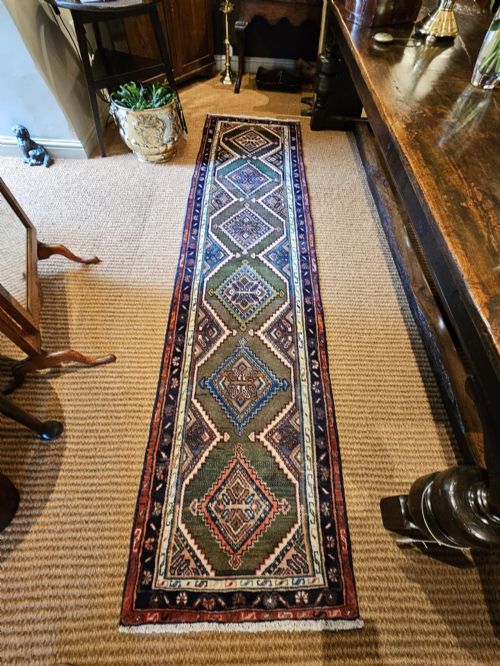
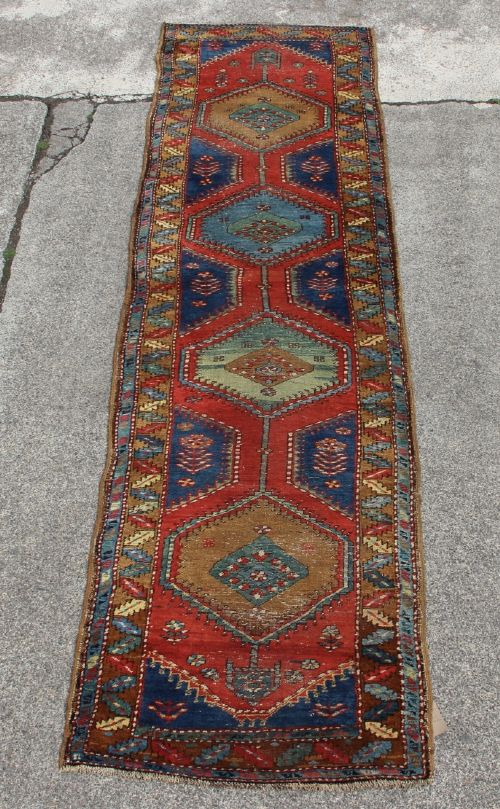
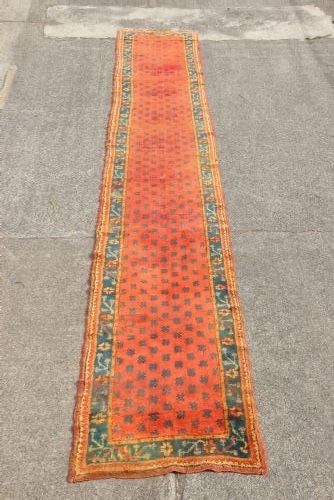
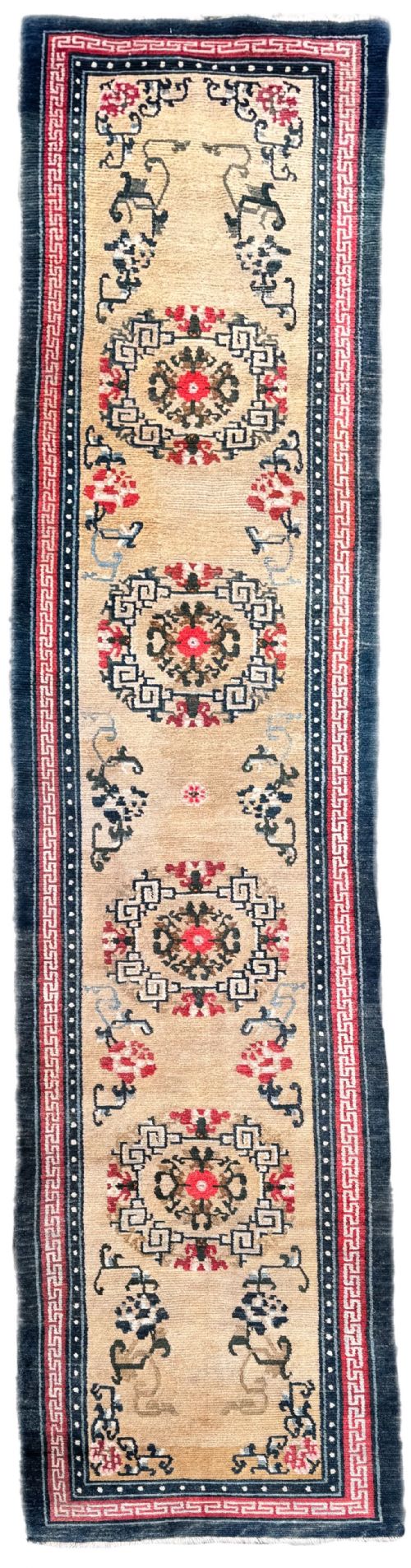
The selection includes Persian tribal pieces, Turkish Oushak and Kurdish examples, Moroccan Berbers, and Tibetan runners. Dating spans from the nineteenth century through the early decades of the twentieth century, providing varied regional designs.
Most items encountered here are woven in wool, occasionally incorporating cotton foundations or camel hair details. Proportions stretch significantly, with lengths extending well beyond standard room formats while widths remain restricted.
Materials and construction
Weavers utilised natural wool pile knotted or woven onto sturdy cotton or wool foundations. Hand-spun wool appears frequently across tribal and village productions, providing resilience in heavy-traffic areas.
Dyes derived from natural sources give these carpets their varied colour palettes, ranging from deep indigos to earthy tones. Certain pieces employ flatweave kilim techniques alongside traditional knotted pile construction.
Geographic origins range from Persian workshops and Turkish towns to Tibetan and Moroccan communities.
Distinguishing quality
Quality rests on the tightness of the knotting and the stability of the foundation. Tighter structures yield sharper pattern definition and greater endurance under daily footfall.
The choice of wool and the consistency of the hand-spun yarn influence the handle and texture. Finer village and tribal pieces maintain balanced proportions and clear, purposeful motifs down their entire length.
The Narrow Wool Carpet Glossary
- Runner
- A long, narrow carpet designed specifically for hallways, corridors, or staircases. These pieces measure significantly longer than they are wide.
- Kilim
- A flatweave carpet or runner produced without a pile by tightly interweaving warp and weft strands. This technique creates a lightweight, reversible textile.
- Pile
- The upright yarn loops or tufts that form the usable surface of a carpet. Wool pile provides cushioning and insulation underfoot.
- Warp
- The vertical foundation threads stretched lengthwise on a loom before weaving begins. Weft threads are passed across these structural lines.
- Hand-spun wool
- Wool yarn spun manually rather than by industrial machinery. This method retains natural lanolin and slight irregularities that add texture.
Narrow Wool Carpet: Frequently Asked Questions
Where should I place a narrow wool carpet?
These carpets suit corridors, hallways, and narrow landings where length is required without obstructing doors.
Their elongated proportions help guide movement through transitional spaces while protecting wooden floors.
How do I clean a wool runner?
Regular gentle vacuuming without a beater bar removes surface dust and grit from the pile.
Professional specialist cleaning is recommended for deeper maintenance to protect natural wool fibres.
Are these carpets durable for hallways?
Wool possesses natural resilience and elasticity, making it well-suited to heavy foot traffic.
The dense pile absorbs pressure and maintains its structure over decades of daily use.
How do I identify tribal designs?
Tribal rugs often feature geometric motifs, repeated medallions, and spontaneous local variations.
These patterns reflect the traditions of specific weaving groups rather than standardised factory designs.