
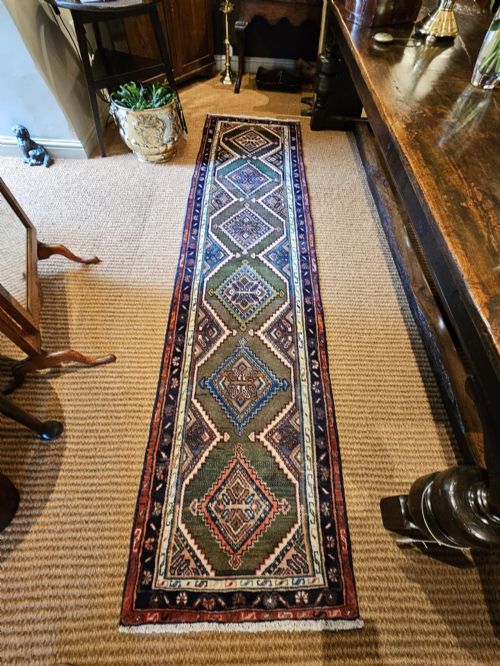
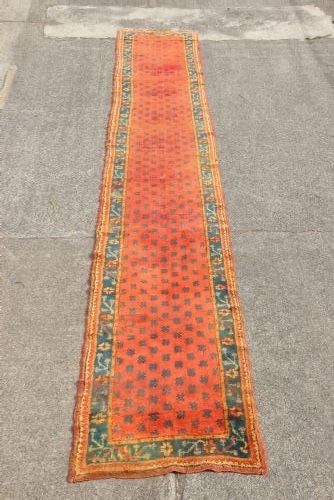
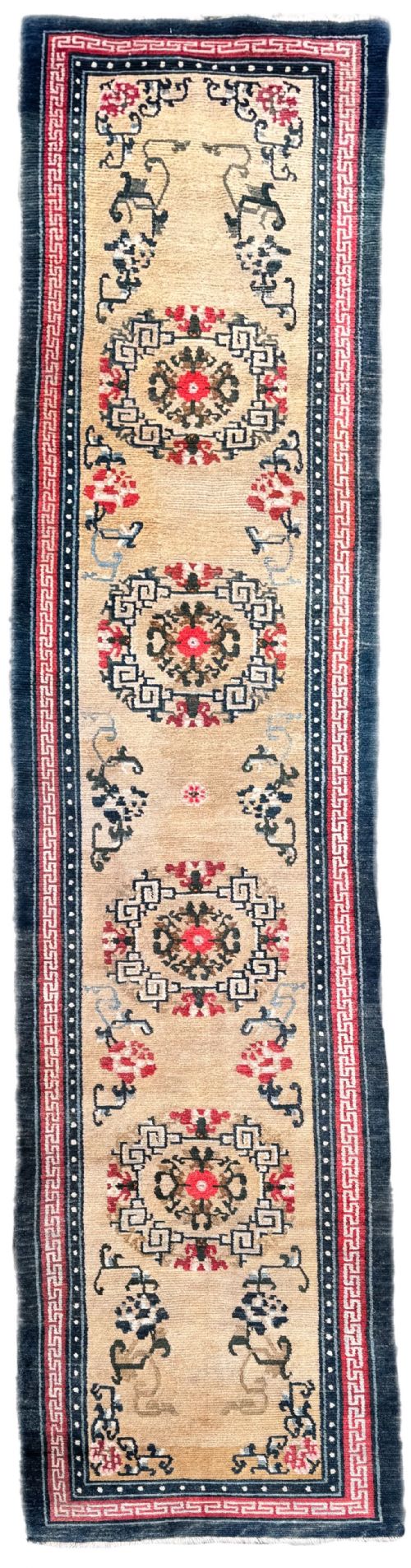
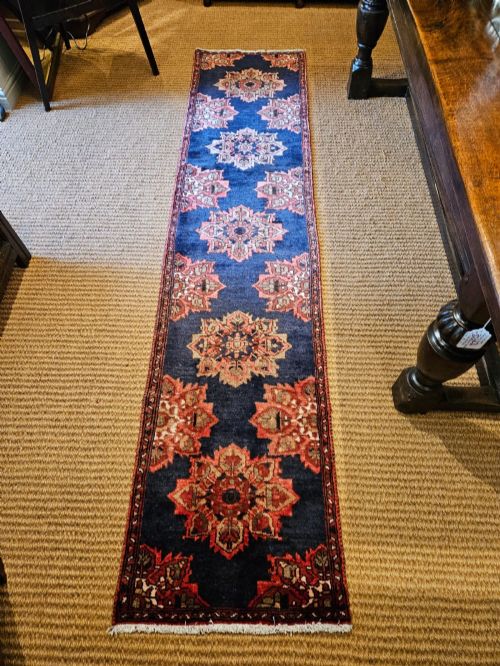


Narrow Corridor Rug
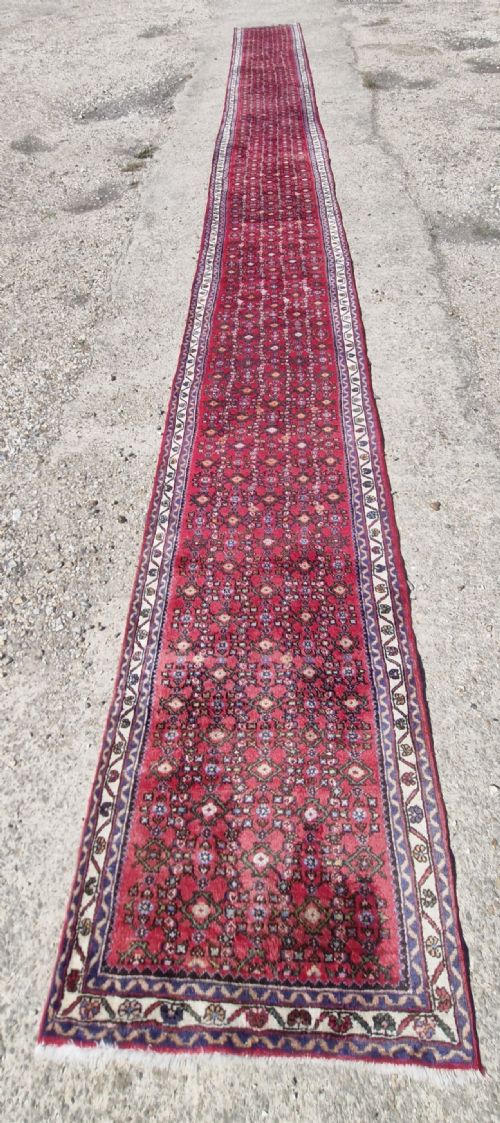
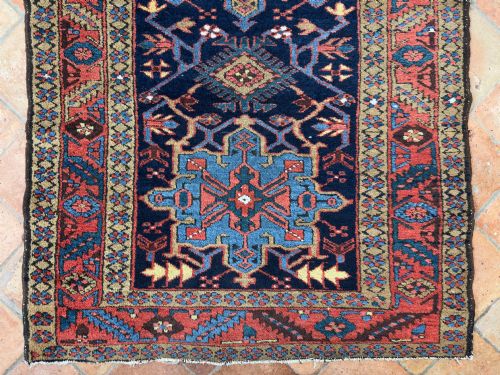
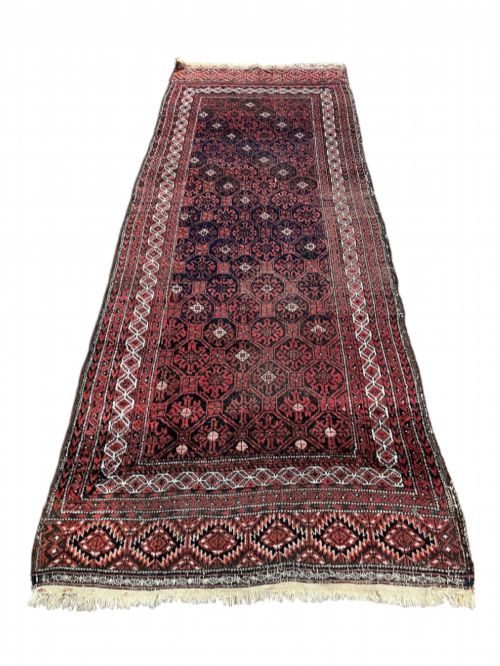
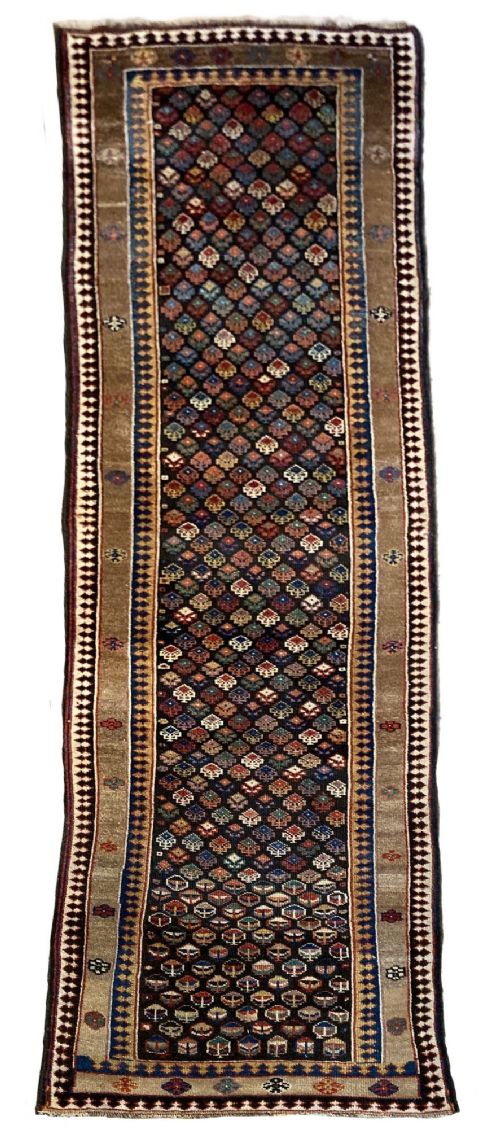
A narrow corridor rug brings warmth, texture, and historical depth to otherwise neglected passages, drawing the eye along extended floorboards with traditional geometric and floral motifs.
Narrow Corridor Rug
A narrow corridor rug serves a distinct architectural purpose, designed specifically to line extended hallways, landings, and passages where standard widths fail to fit. These pieces span production dates ranging from the late nineteenth century through to the mid twentieth century, originating primarily from Persian, Turkish, Caucasian, Tibetan, and Moroccan weaving traditions.
The selections available here rely heavily on traditional village and tribal craftsmanship, featuring elongated formats that measure significantly longer than they are wide. Buyers will encounter named regional styles such as Heriz, Kurdish, Hamadan, and Serab, alongside Moroccan Berber and Anatolian kilims.
Makers adapted traditional rug geometry to fit these stretched proportions, compressing medallions and repeating motifs along the central axis. This format provides a durable floor covering that protects high-traffic circulation spaces while introducing rich indigo, madder red, and olive tones.
Materials and construction methods
Weavers constructed these runners using hand-spun wool for the pile, knotted densely onto cotton or wool foundation warps and wefts to withstand decades of foot traffic. Camel hair also appears in selected pieces, lending a natural, undyed warmth to the background fields and borders.
Natural dye stuffs extracted from plants and minerals produced the mellow colour palettes seen across nineteenth and early twentieth-century examples. Artisans bound the long edges with sturdy selvedges and secured the ends with flatweave kilim finishes to prevent fraying along high-use corridors.
Materials recorded across the inventory include hand-spun wool, cotton foundations, and natural camel hair.
Distinguishing quality in long runners
Quality in these elongated textiles rests upon the fineness of the knotting and the precision of the geometric layout along an extended format. Master weavers maintained consistent tension down lengths exceeding four or five metres, preventing the side edges from bowing or curving.
The depth and complexity of the dye work differentiate standard village production from finer workshop pieces. Superior examples exhibit abrash - natural tonal variations in the wool resulting from successive dye batches - which adds visual movement to narrow spaces.
The Narrow Corridor Rug Glossary
- Abrash
- A natural variation of colour within hand-spun wool, caused by changes in dye lots during the creation of the rug. This tonal shifting gives antique pieces depth and authenticity.
- Warp
- The vertical foundation threads stretched tightly on the loom before knotting begins. In older runners, these foundational yarns are typically made of sturdy cotton or hand-spun wool.
- Kilim
- A flatweave textile structure produced without a pile, frequently found at the terminating ends of antique runners. These flatwoven sections protect the knotted field from unraveling.
- Selvedge
- The reinforced side finish of a rug, bound tightly with wool or cotton cords to prevent edge wear. Strong selvedges are essential for runners subjected to heavy hallway traffic.
- Medallion
- A symmetrical central ornament placed along the longitudinal axis of the rug. In narrow formats, these motifs are often elongated or repeated in a sequence.
Narrow Corridor Rug: Frequently Asked Questions
Where should I place a long runner?
These elongated textiles suit hallways, narrow entrance passages, and bedside landings where foot traffic is frequent. Their proportions guide movement through the home while softening bare timber floors.
Ensure you measure the clear space between skirting boards carefully, allowing a border of exposed flooring on either side for a balanced look.
How do I maintain an antique wool runner?
Regular gentle vacuuming without a rotating brush bar keeps dust from settling deep into the wool pile. Rotate the piece every six months to ensure even wear across high-traffic areas.
Use a breathable, high-quality underlay to prevent slipping and to cushion the foundation fibres against hard stone or wooden subfloors.
What period do most of these rugs come from?
The majority of pieces date from the late nineteenth century through to the early decades of the twentieth century. This era encompasses traditional village and tribal weaving from Persia, the Caucasus, and Anatolia.
Production methods during this window relied entirely on hand-spun materials and traditional natural or early synthetic dye formulas.
Why are some runners much narrower than others?
Weavers tailored these specific dimensions to fit the narrow architectural corridors found in traditional village homes and urban townhouses. Extremely narrow widths often indicate specific regional looms, such as those from the Ferahan or Serab districts.
These slim formats allow the textile to sit comfortably in confined spaces without obstructing doors.