


Narrow Carpet Runner
A narrow carpet runner brings length and warmth to a hallway, connecting rooms with traditional patterns woven in wool.
Narrow Carpet Runner
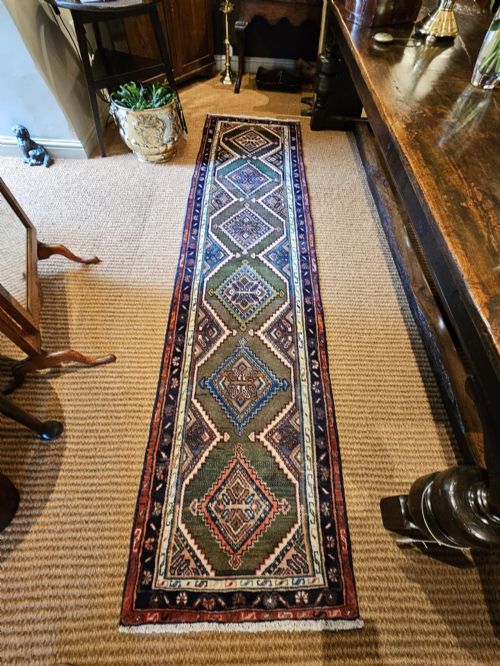
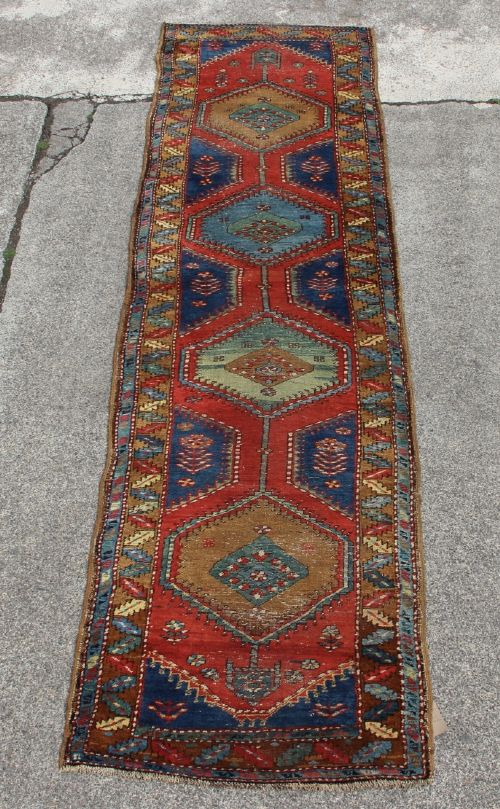
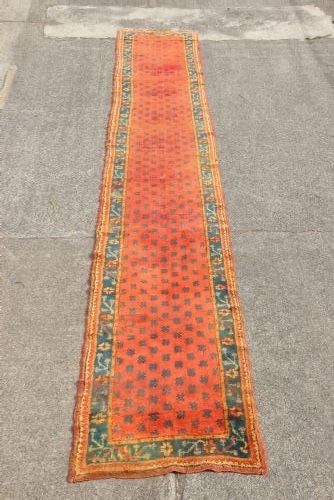
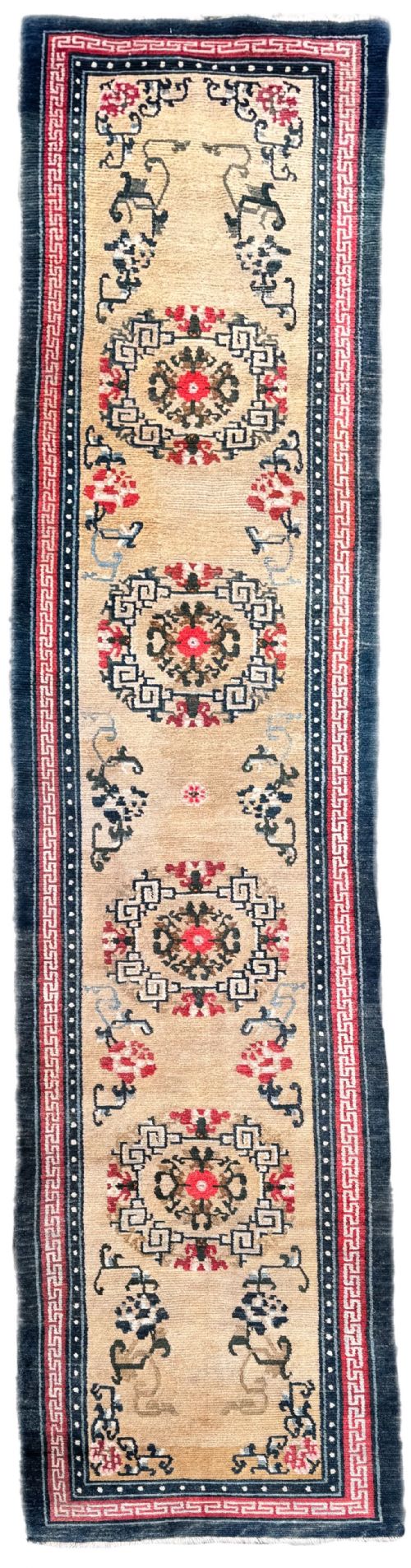
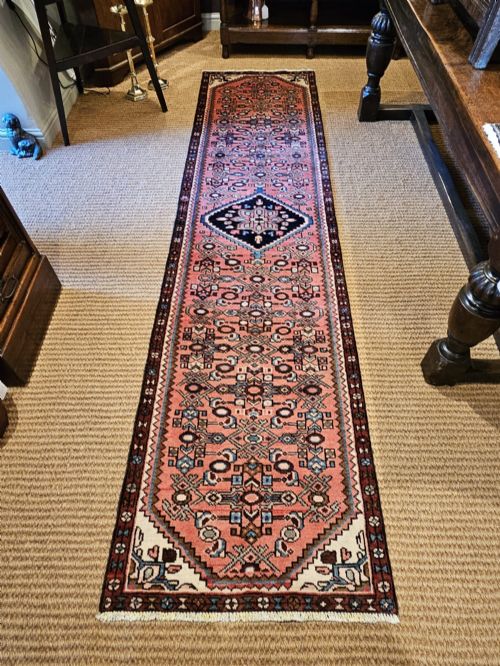
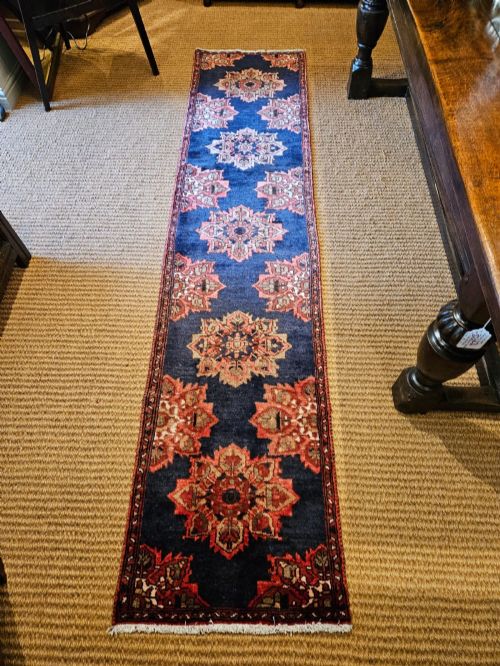
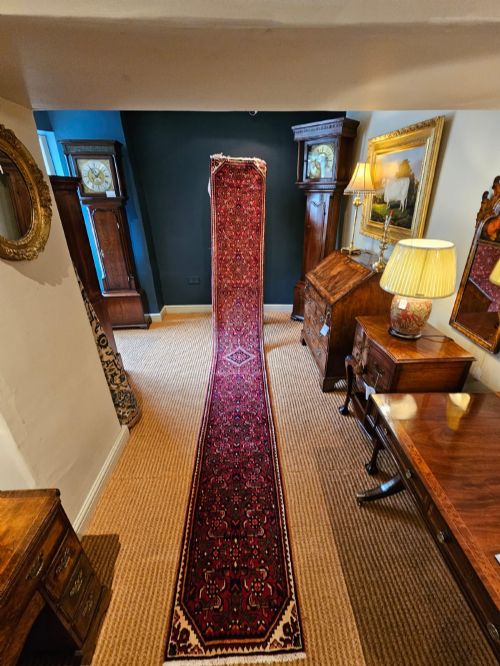
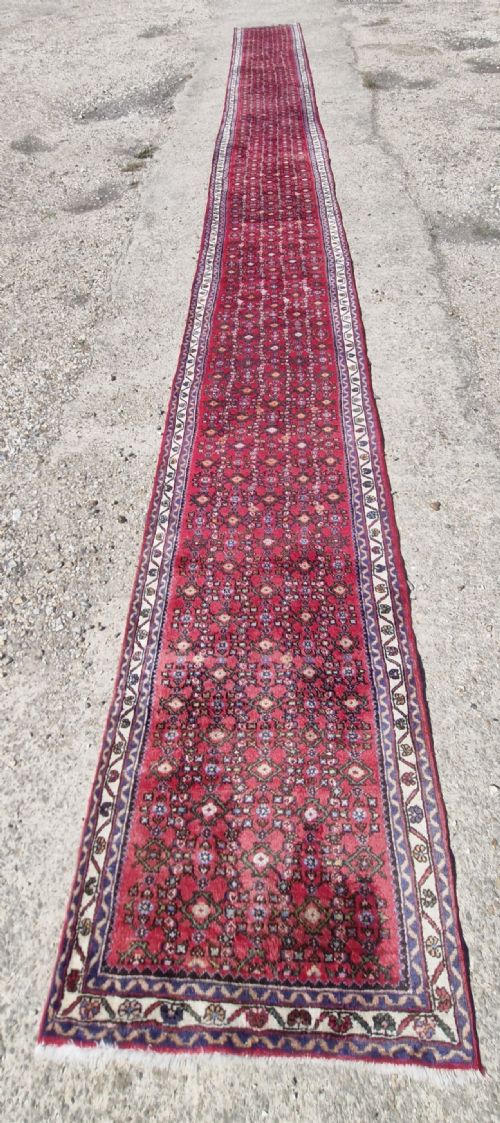
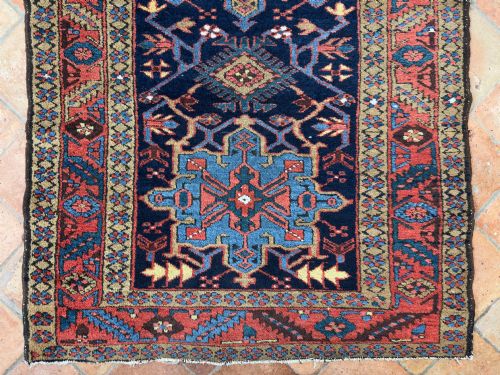
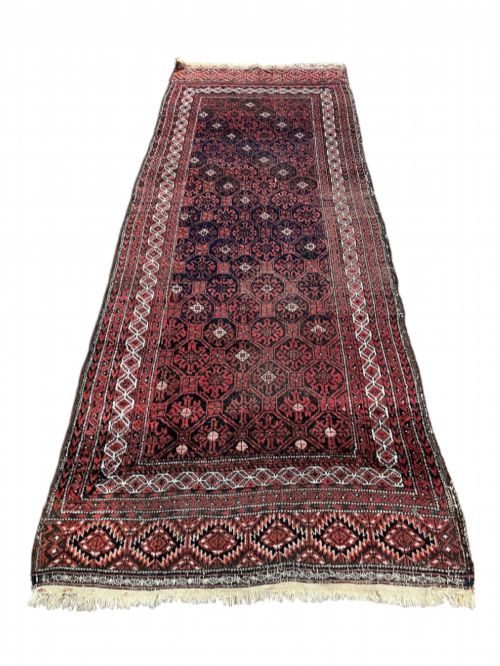
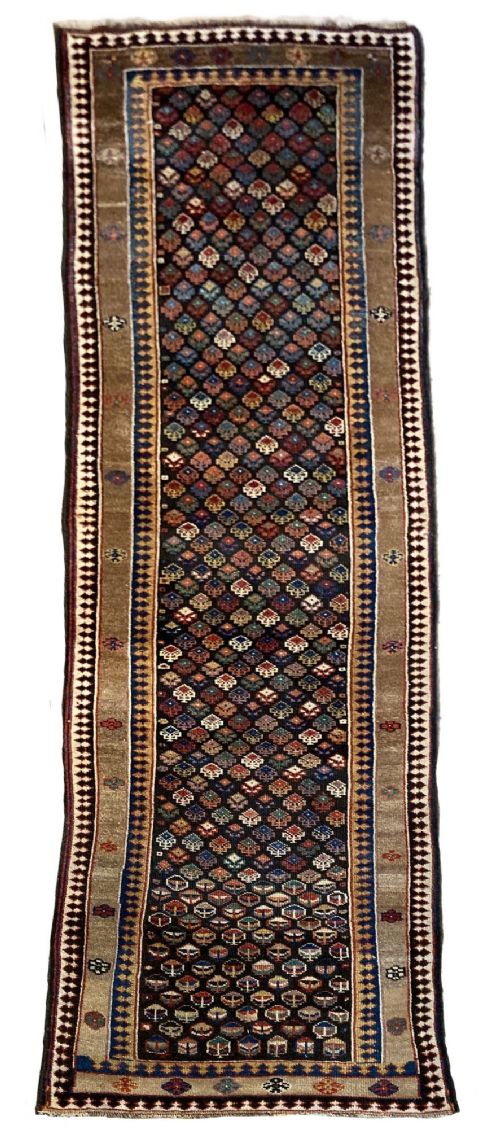
A narrow carpet runner is a long, linear floor covering designed specifically for corridors, staircases and narrow passageways. These pieces span origins from Persian workshops, Turkish villages and Moroccan tribes, featuring traditional designs adapted for restricted widths.
The selections here showcase formats extending past three metres, often woven with wool or hand-spun wool on cotton foundations. Buyers encounter formats originating from nineteenth-century looms up to the mid-twentieth century, dominated by Persian Heriz, Hamadan and Kurdish styles.
Village and tribal weavers created these elongated formats to handle heavy domestic traffic while adding colour to transition spaces. The resulting narrow proportions demand specific geometric or medallion layouts that fit slender hallways without losing pattern clarity.
What varies in quality
Knot density and structural tightness dictate the longevity and crispness of the woven motifs along the runner's length. Finer knots permit more intricate geometric curves in Heriz or Hamadan designs, whereas looser weaves produce softer, more rustic lines.
The consistency of the wool and the depth of the initial dyeing process influence how gracefully the runner ages under daily use. Even wear across the entire length indicates balanced yarn quality and sturdy foundational warps.
Listings span periods from the nineteenth century through the 1960s, featuring wool, cotton, and camel hair materials.
The Narrow Carpet Runner Glossary
- Kilim
- A flatweave textile produced without a pile, often utilised for runners where a lower profile is required. These pieces rely on tightly interlocked weft threads to form sharp geometric patterns.
- Warp
- The vertical foundation threads stretched lengthwise on the loom before knotting begins. Cotton is frequently used for these strong structural elements.
- Weft
- The horizontal threads passed across the warp strands to lock the rows of knots in place. Proper tension here maintains the straight parallel edges of a long hallway rug.
- Pile
- The dense upper surface formed by the cut ends of knotted wool yarn. Variations in pile height reflect hand-finishing traditions from different weaving regions.
Narrow Carpet Runner: Frequently Asked Questions
Where should I place a narrow carpet runner?
These elongated rugs suit hallways, landings and narrow corridors where floorboards need protection and visual warmth. Their slender proportions guide movement through transition spaces.
Ensure you measure the passage width carefully, leaving a uniform border of exposed wood or tile on either side of the rug.
How do I clean an antique runner?
Regular gentle vacuuming without a rotating brush roll prevents dust from settling deep into the wool pile. Promptly blot liquid spills with a clean, dry cloth rather than rubbing.
Professional textile cleaners experienced with antique Persian or Turkish wool pieces should handle deeper washing to protect natural dyes.
Are these runners durable for heavy traffic?
Traditional wool and hand-spun wool construction provides natural resilience against the constant footfall found in hallways. The dense pile absorbs pressure while maintaining structural integrity over decades of domestic use.
Using a quality underlay beneath the runner prevents slipping and cushions the weave against hard subfloors.
How do I identify the origin of a runner?
Stylistic markers such as Heriz geometric medallions, Hamadan overall patterns or Kurdish motifs point towards specific weaving regions. Colour palettes and edge finishes often confirm whether a piece originated in Persia, Turkey or the Caucasus.
Examining the knotting style on the reverse side reveals technical clues regarding tribal or workshop production.