
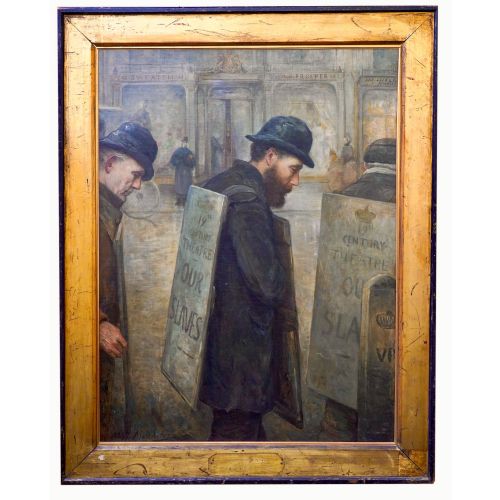
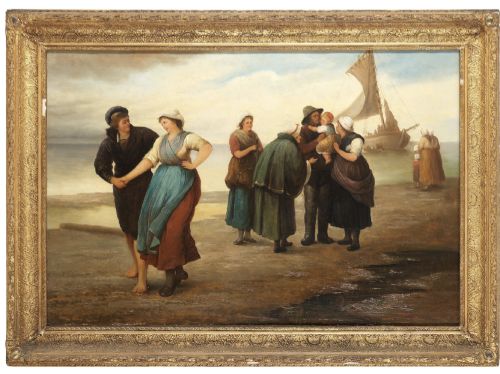
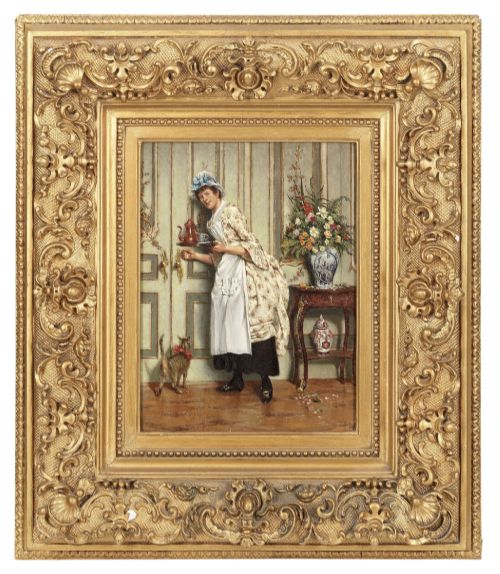
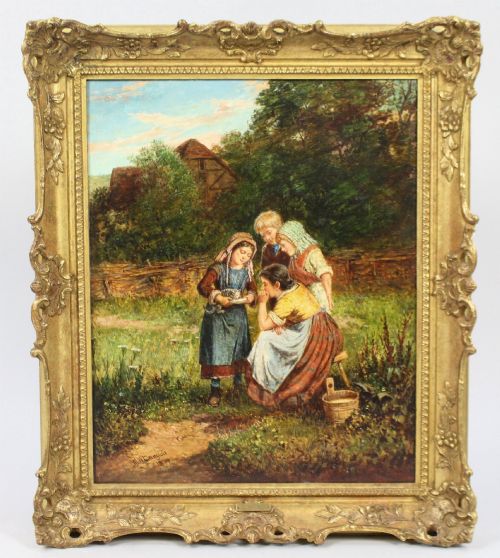

Narrative Genre Painting
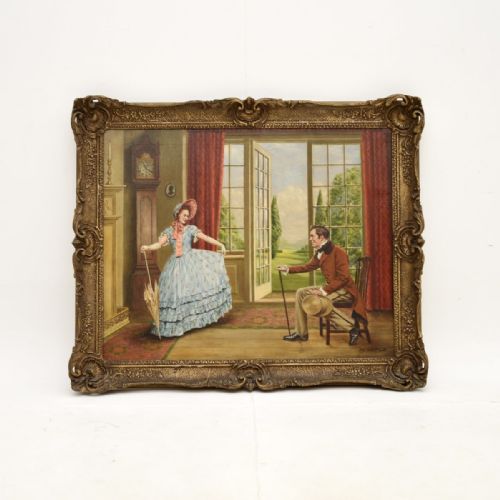
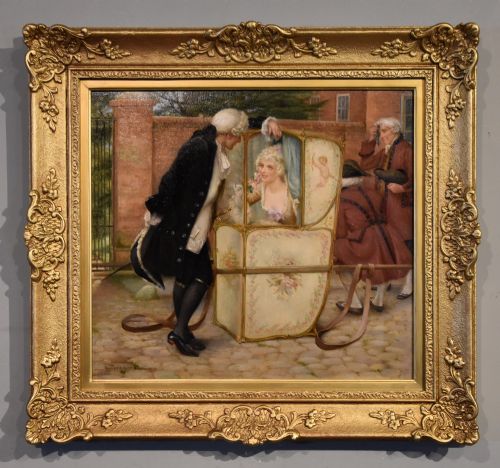
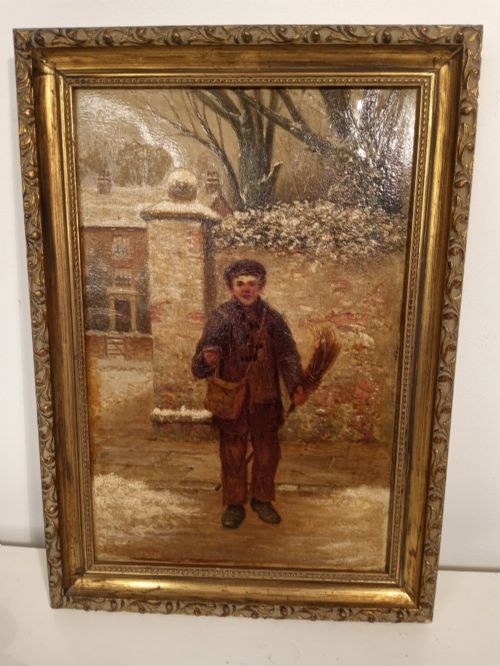
When you seek a narrative genre painting, you look for a Victorian canvas that tells a domestic story of everyday life.
Narrative Genre Painting
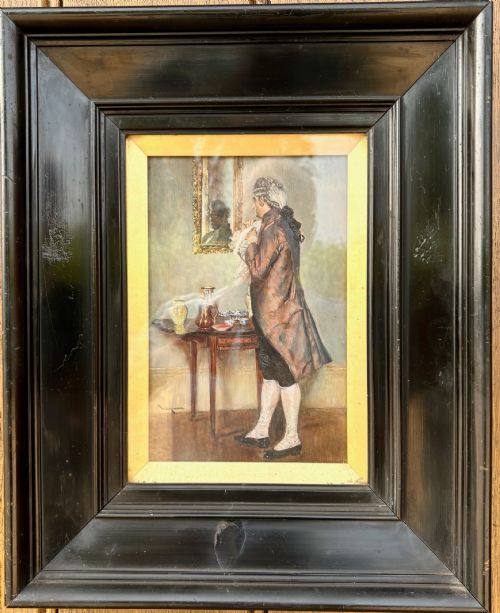
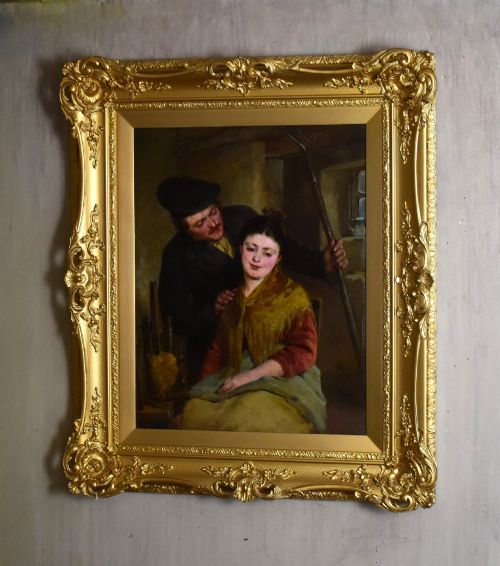
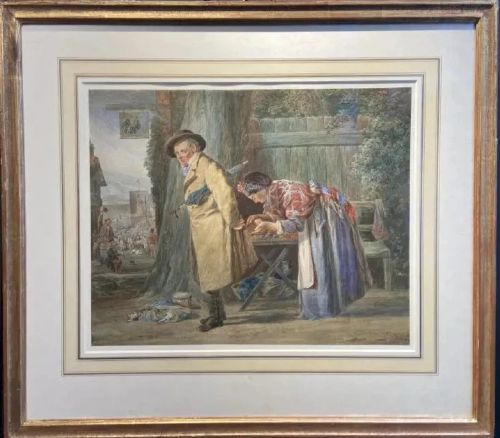
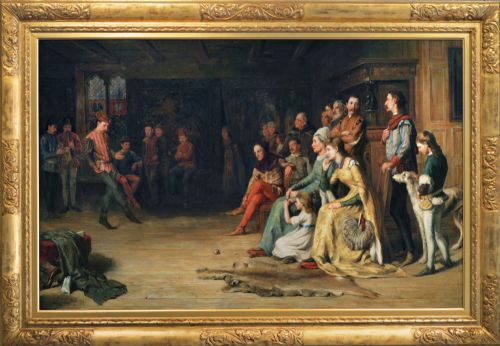
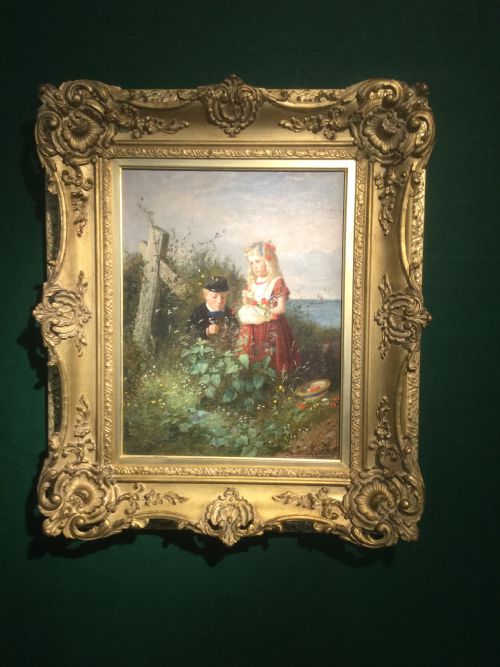
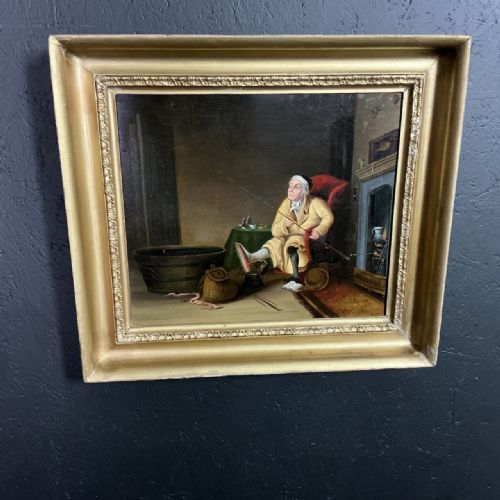
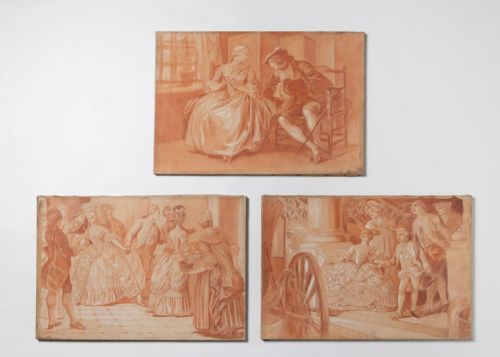
Narrative genre painting captures scenes of domestic life, social history, and everyday human interaction from the nineteenth century. These works depict country house interiors, cottage scenes, children playing, and historical vignettes.
Buyers meet pieces originating from British and French schools, spanning the Victorian and Edwardian eras. Artists focus on storytelling, portraying moments like tea time, courting romances, and household labour.
The compositions range from intimate single-figure studies to monumental historical canvases filled with numerous characters. Each work preserves a slice of past social structure through carefully staged human drama.
How They Were Made
Painters used oil paint on canvas, panel, or board as their primary medium to build depth and rich texture. Canvases received preparatory priming before artists applied pigments with fine brushes to achieve realistic detail.
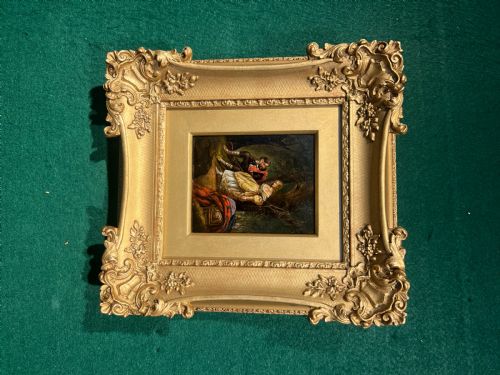
Many surviving pieces retain their original wooden frames enhanced with gesso and gold leaf. These ornate giltwood surrounds completed the presentation for domestic exhibition in period homes.
Cats, kittens, and cheeky monks consistently steal the domestic spotlight from their human counterparts across Victorian interiors.
What Varies In Quality
Quality rests in the handling of narrative detail, facial expression, and interior lighting. Superior works manage complex multi-figure arrangements with convincing psychological depth rather than stiff posing.
The execution of surrounding elements, from fabrics to cottage furnishings, separates accomplished hands from routine production. Original frames matching the period also contribute to the integrity of the piece.
Felix Stone Moscheles·Stephen Samuel Lewin·Mark William Langlois·Alfred Lyndon Grace·Howard Helmick·James Hamilton·Charles Hunt·Delapoer Downing·James Hayllar·Harry Brooker·Byam Shaw·Alexander Rosell·William Arthur Breakspeare·John Arthur Lomax·George Bernard O'Neill·Charles Haigh Wood·Haynes King·Charles Burton Barber·James Kyd·Friedrich von Kaulbach·Léon Joseph Voirin·Edwin Thomas Roberts·Robert Alexander Hillingford·George Smith·Edwin Hughes
The Narrative Genre Painting Glossary
- Genre painting
- Depiction of aspects of everyday life by portraying ordinary people engaged in common activities. This style flourished in the nineteenth century across British and continental schools.
- Gesso
- A plaster-like mixture applied to wooden frames as a base before gilding with gold leaf. It provides a smooth surface for intricate moulded ornament.
- Giltwood
- Wood carved and covered with gold leaf or metal leaf. It frames nineteenth-century oils to give a reflective, ornamental border.
- Oil on canvas
- Pigments bound with drying oils applied to a woven fabric support. This medium allowed artists to achieve subtle tonal gradations and lasting durability.
- Social realism
- An artistic movement depicting the everyday conditions of the working classes and poor. These works highlight social injustices and contemporary realities.
Narrative Genre Painting: Frequently Asked Questions
What is a narrative genre painting?
A narrative genre painting illustrates a specific story or social interaction involving everyday people in domestic or historical settings. Artists used these scenes to entertain, moralise, or record contemporary customs.
Most examples date from the Victorian era and reflect the domestic tastes and social values of nineteenth-century households.
How do I date these oil paintings?
Dating relies on costume, interior furnishings, artist signatures, and recorded exhibition dates from the period. Stylistic shifts between Georgian, Victorian, and Edwardian works also provide clear chronological markers.
Examining the canvas preparation, stretcher frames, and framing materials offers additional clues to the exact decade of creation.
Where were these artworks displayed?
These paintings hung in the reception rooms, parlours, and galleries of middle-class and aristocratic homes. They served as conversation pieces that displayed the owner's cultural interests and moral sensibilities.
Today, collectors place them in similar domestic settings, pairing them with period furniture and traditional lighting.
How should I care for an oil painting?
Keep paintings away from direct sunlight, high humidity, and rapid temperature fluctuations to protect the canvas and paint layers. Dust the surface gently with a soft, dry brush without applying pressure.
Avoid using water or chemical cleaners on the paint or the giltwood frame, and consult a professional conservator for restoration.