

Napoleon III Porcelain
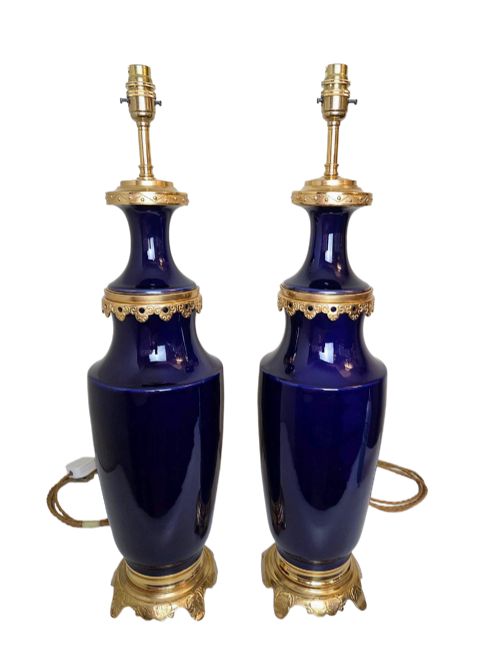
Napoleon iii porcelain brings together rich 19th century French craftsmanship, combining fine ceramic plaques with heavy gilt bronze mounts.
Napoleon III Porcelain
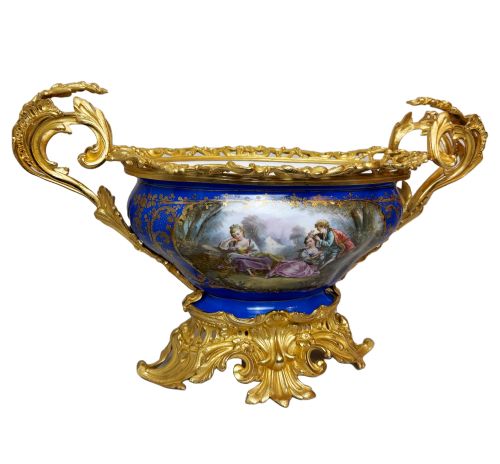
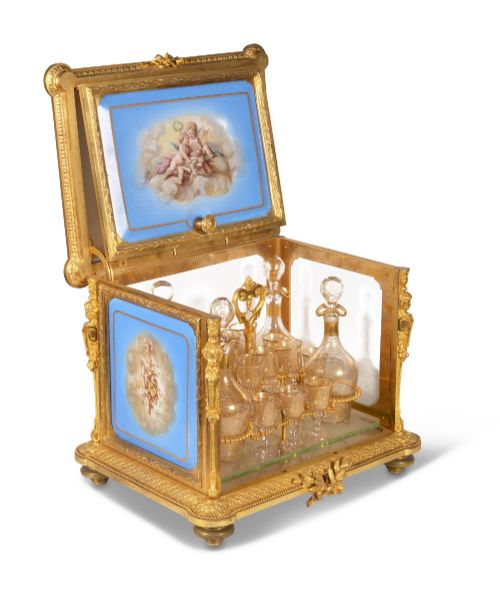
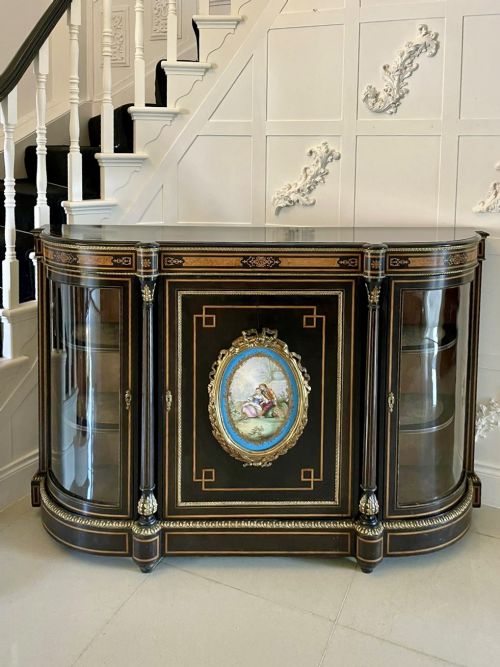
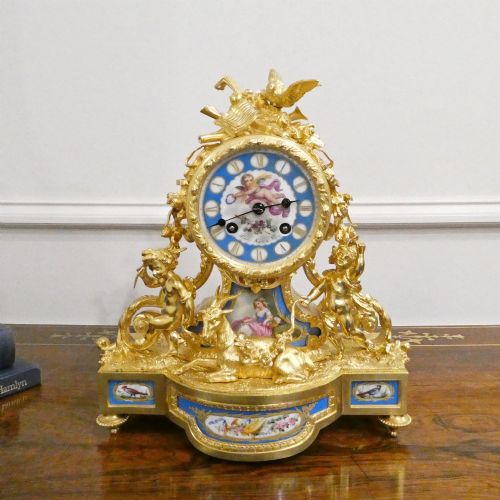
Napoleon iii porcelain pieces take the form of mantel clocks, writing desks, jardinières, and credenzas created during the 19th century in France. These items showcase the ornate revival styles popular under the Second Empire, blending utility with decorative display.
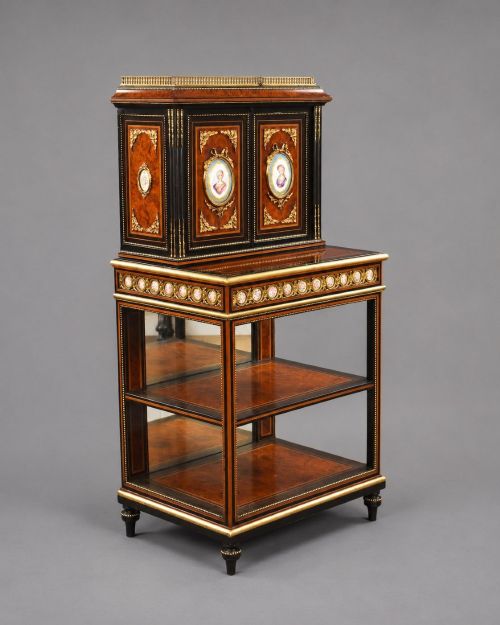
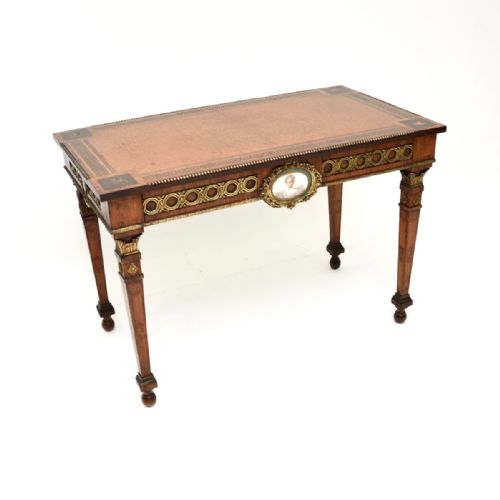
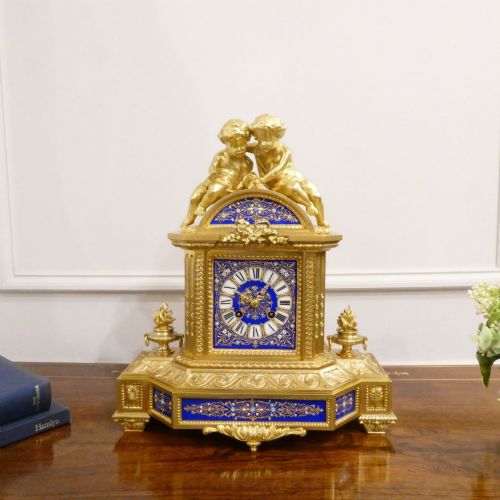
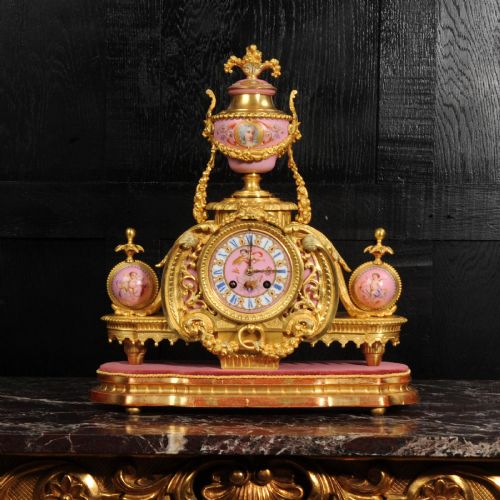
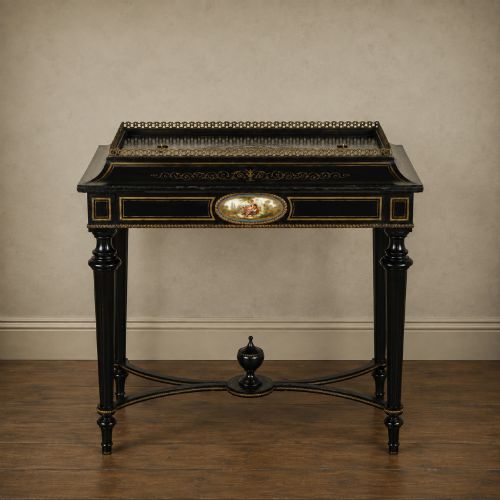
The version most commonly met on this page is the mantel clock or writing desk mounted with painted ceramic plaques and ormolu. These furnishings combine rich woods like walnut, amboyna, and ebonised timber with gilt metal mounts and ceramic panels.
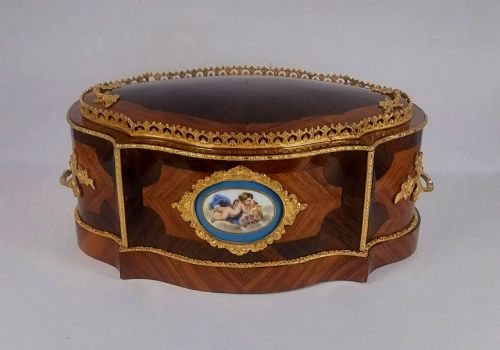
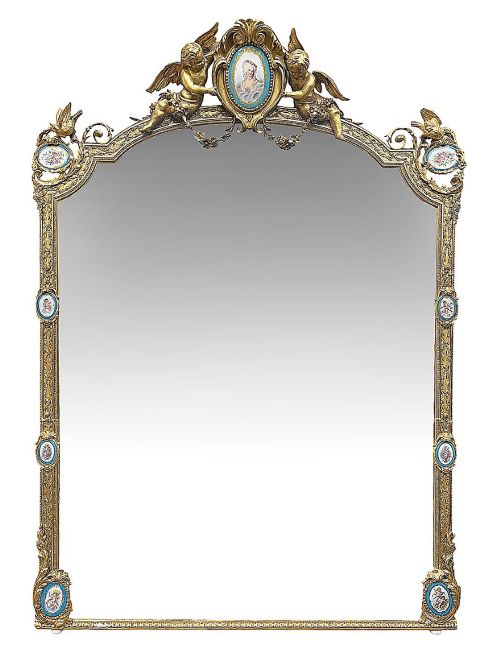
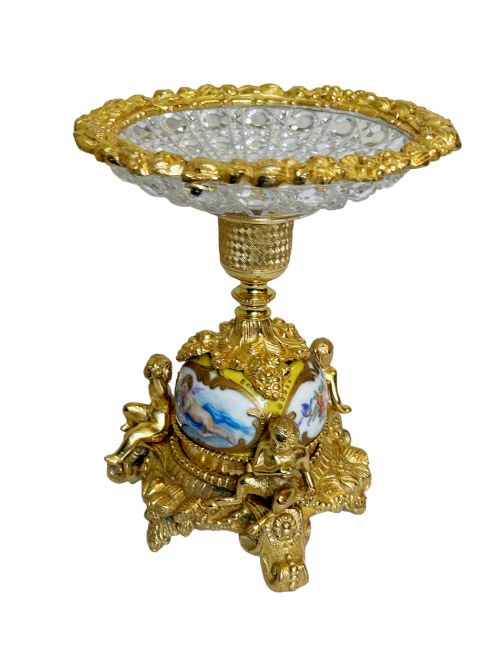
Objects range from large wall mirrors and side cabinets to smaller bijouterie tables and centrepieces. Each piece reflects the eclectic tastes of the period, drawing heavily on earlier Louis traditions.
Materials and Technique
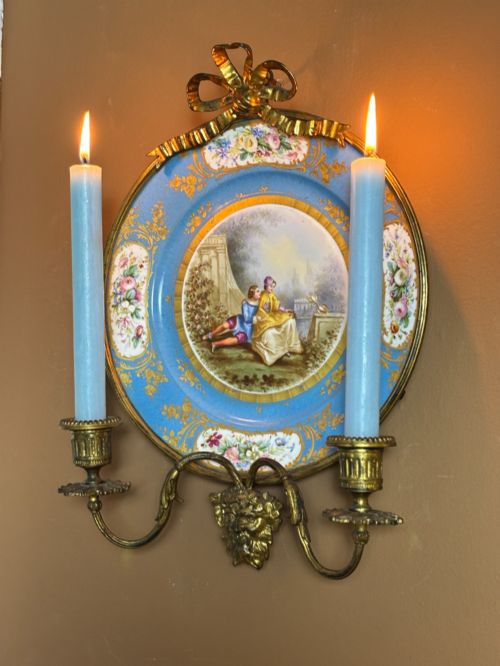
Maker workshops combined porcelain plaques with gilt bronze, ormolu, and champlevé enamel to create elaborate surface decoration. Ceramic panels are set directly into wood cabinetry or cast metal frames, often painted with pastoral scenes or floral motifs.
Cabinetmakers utilised exotic timbers including kingwood, satinwood, rosewood, and amboyna, frequently applying ebonised finishes to contrast with bright metal mounts. Structural elements incorporate brass and cut crystal alongside traditional joinery.
Clock movements by makers such as Achille Brocot and Japy Freres sit within heavy bronze housings, flanked by porcelain figures or decorative urns under glass domes.
Napoleon III Porcelain Retail Price Guide 2026
Typical asking prices for napoleon iii porcelain among the pieces listed under this phrase on Sellingantiques today, from the lower quarter to the upper quarter. They describe what is for sale here now, not the wider market.
Listings feature 19th-century French mantel clocks, writing desks, and credenas mounted with Sevres style porcelain and ormolu.
Gradations of Quality
The standard of a piece rests upon the crispness of the gilt bronze chasing and the delicacy of the hand-painted porcelain panels. Heavier, deeper bronze casting and finely detailed ceramic brushwork distinguish superior examples from simpler production.
The choice of cabinet wood and the precision of the marquetry inlay further separate standard items from exhibition quality works. Richer veneers and more complex ormolu mounts indicate workshop output intended for wealthy patrons.
Achille Brocot·Henry Marc·Japy Freres·Etienne Lenoir·Delettrez
The Napoleon III Porcelain Glossary
- Ormolu
- Gilded bronze used for decorative furniture mounts and clock cases. The technique involves applying a mercury and gold amalgam to cast brass or bronze.
- Bonheur du Jour
- A small ladies writing desk featuring a tiered superstructure with drawers, shelves, or a cabinet above the main writing surface. These desks frequently incorporate inset porcelain plaques.
- Jardiniere
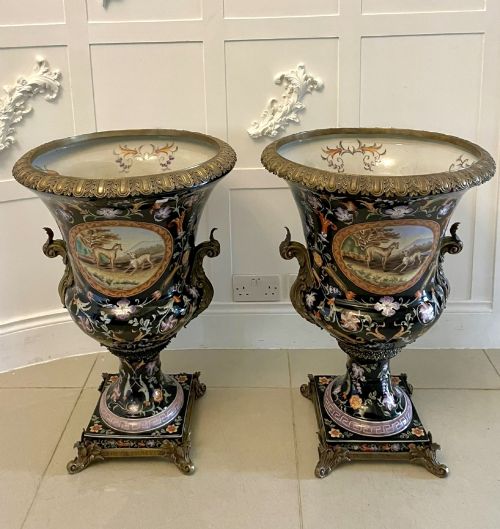
- An ornamental stand, bowl, or trough designed to hold plants or flowers. In this period, they often feature ceramic plaques and metal liners.
- Credenza
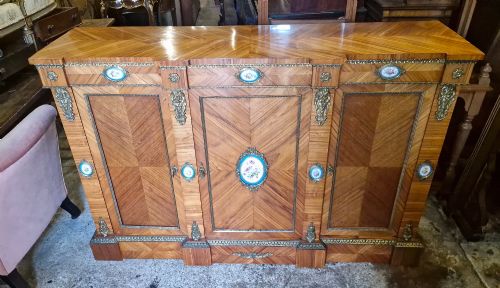
- A sideboard or low cabinet enclosed by doors, used for display and storage. Nineteenth-century examples often combine marble tops with porcelain panel inserts.
- Champleve
- An enamelling technique where troughs or cells are hollowed out of a metal surface and filled with vitreous enamel before firing.
Napoleon III Porcelain: Frequently Asked Questions
What is napoleon iii porcelain?
Napoleon iii porcelain refers to 19th-century French decorative objects and furniture embellished with glazed ceramic plaques, panels, or figures. These items date primarily from the mid-to-late nineteenth century and reflect the aesthetic preferences of the Second Empire.
The category encompasses both functional furnishings like desks and cabinets, and decorative items including mantel clocks, urns, and centrepieces. Most pieces combine ceramic elements with gilt bronze mounts and exotic wood veneers.
How do I style a credenza?
A credenza works well as a focal point in a dining room or hallway, providing a sturdy surface for lamps, mirrors, or decorative bronze objects. Its enclosed shelving offers practical storage while the exterior display highlights the wood veneers and porcelain panels.
Keeping the surrounding decor relatively simple allows the intricate ormolu mounts and painted plaques to stand out without visual clutter.
How do I identify the period?
Identifying the period involves examining the combination of revival styles, material choices, and mechanical components. Pieces typically display Second Empire design traits influenced by earlier Louis XIV, XV, and XVI aesthetics.
Maker marks on clock movements, specific wood veneers like amboyna or ebonised timber, and the style of the gilt bronze mounts help narrow down the date of production to the nineteenth century.