
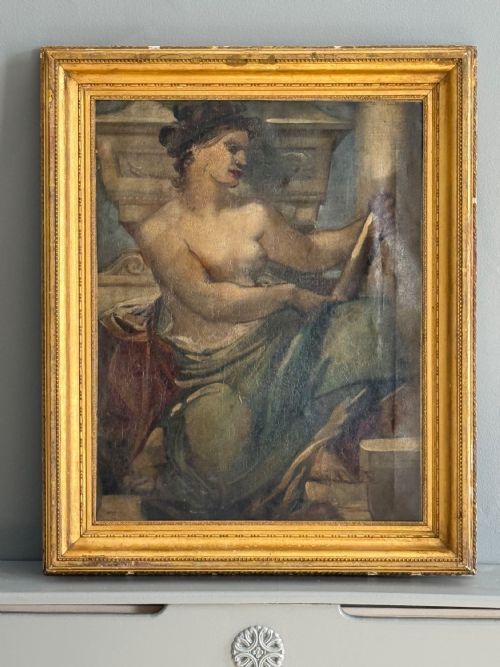
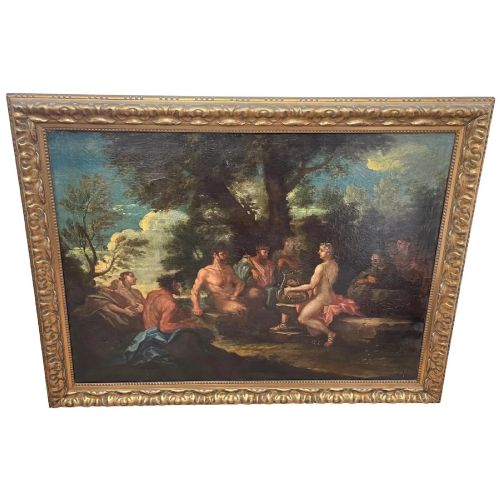

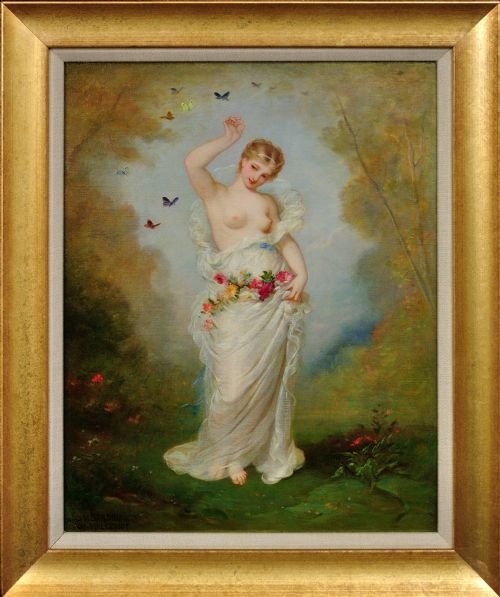


Mythological Classical Canvas Art
Mythological classical canvas art brings grand tales of gods, nymphs and ancient legends straight to the wall in oil paint.
Mythological Classical Canvas Art
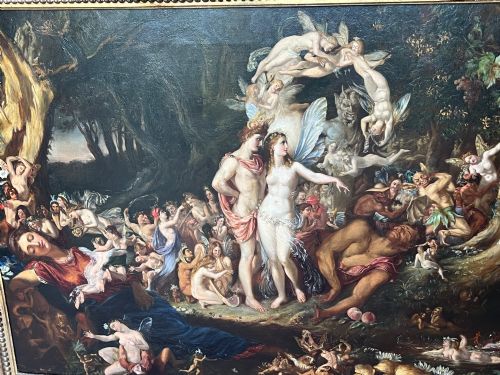
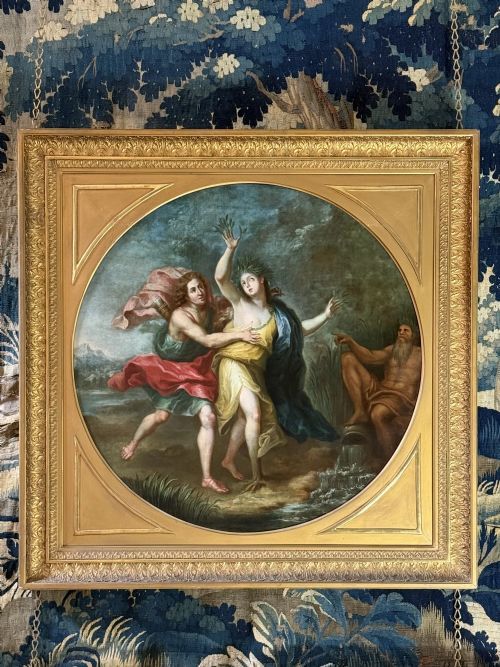
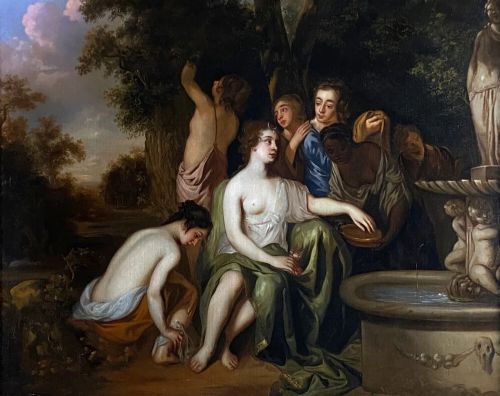
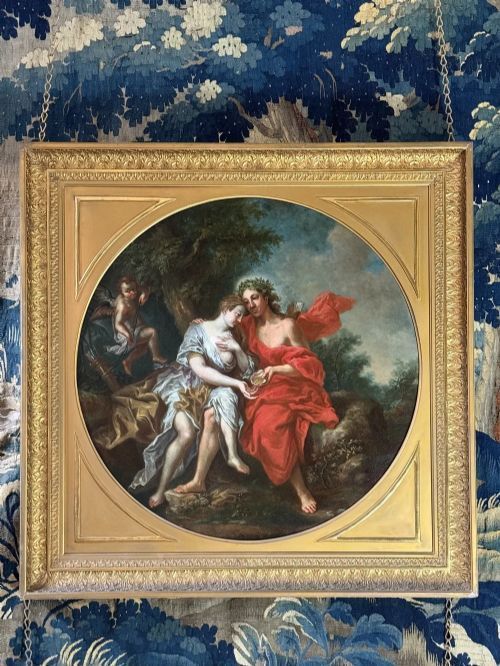
When you search for mythological classical canvas art, you encounter oil paintings spanning the seventeenth, eighteenth and nineteenth centuries, alongside twentieth-century works. These pieces depict subjects drawn from ancient Greek and Roman stories, including deities, cherubs, and legendary narratives.
The selections on this page range from Italian and French academic compositions to Flemish Baroque interpretations and British works. You will frequently find subjects such as Apollo, Diana, Venus, and scenes involving satyrs, nymphs, and classical heroes.
Framing is an integral part of these works, with many pieces housed in original or period gilt wood and gilded wood frames that complement the grand scale of the oil on canvas mediums.
Materials and construction
These works are executed in oil paint upon woven canvas substrates, allowing artists to build rich layers of colour, shadow, and luminosity. The physical support consists of stretched canvas secured to wooden frames.
Surrounding the paintings are substantial wooden frames finished with gilt wood, giltwood, or heavy gilding. This craftsmanship enhances the theatricality and presence of the classical narrative within domestic spaces.
Cherubs appear with surprising regularity across multiple centuries, seemingly ready to tumble right out of their gilded frames.
Distinguishing quality in classical paintings
Quality rests in the fluidity of brushwork, the anatomical conviction of figures, and the expressive handling of light across classical subjects. Masterful execution in the rendering of drapery and flesh distinguishes works by circles of renowned painters from simpler school pieces.
The preservation of the original oil surface and the integrity of the period gilt wood frame heavily influence the standing of a piece. Finer works retain their luminous glazes and deep tonal contrasts without excessive historical overpainting.
Sir Joseph Noel Paton·Charles Antoine Coypel·Sir Peter Lely·Margaret Maitland Howard·André Charles Voillemot·Antoine Calbet·Jean Baptiste Isabey·William Edward Frost·Peter Paul Rubens·Francesco Albani
The Mythological Classical Canvas Art Glossary
- Oil on Canvas
- A traditional painting medium where pigments are suspended in a drying oil, applied to a stretched canvas support. This technique allows for subtle blending and rich colour depths.
- Gilt Wood
- Wood carved and coated with a thin layer of gold leaf or metallic gilt powder. It is commonly found framing historic fine art paintings.
- Baroque
- An ornate artistic style originating in the seventeenth century, characterised by dramatic movement, deep shadow, and grand theatrical compositions. Many mythological scenes adopt this dynamic visual language.
- Nereid
- A sea nymph of Greek mythology, frequently depicted in classical paintings residing among waves or accompanying deities. They appear often in coastal and water-based mythological narratives.
- Academic Style
- Art produced under the influence of European academies of fine art, prioritising strict adherence to classical ideals, precise drawing, and historical subject matter.
Mythological Classical Canvas Art: Frequently Asked Questions
What subjects appear in mythological classical canvas art?
These works depict figures and stories from ancient Greek and Roman mythology, including gods, goddesses, cherubs, nymphs, and legendary heroes.
Common narratives involve deities such as Apollo, Venus, Diana, and dramatic episodes like the rescue of Andromeda or the adventures of Perseus.
How do I date a classical oil painting?
Dating relies on examining the canvas preparation, the style of the brushwork, and the framing conventions associated with specific centuries.
Seventeenth and eighteenth-century works often display Baroque or academic sensibilities, while nineteenth-century pieces may reflect Renaissance Revival or Pre-Raphaelite influences.
Are these paintings supplied with frames?
Many of these canvas works are mounted in their original or period wooden frames, frequently finished in gilt wood or heavy gilding.
These frames are selected to match the grand aesthetic of the oil paintings and contribute significantly to the overall presentation on the wall.
How should I care for an antique oil painting?
Protect the canvas from direct sunlight and maintain stable indoor humidity levels to prevent the oil paint and wood support from cracking.
Dust the gilded frame gently with a soft, dry brush and avoid using liquid cleaners on the canvas surface.