



Muted Grey Landscape Painting
A muted grey landscape painting captures atmospheric skies and subdued topography through the restrained palettes of late nineteenth and twentieth-century artists.
Muted Grey Landscape Painting
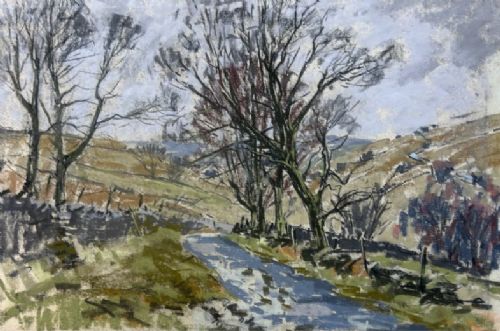
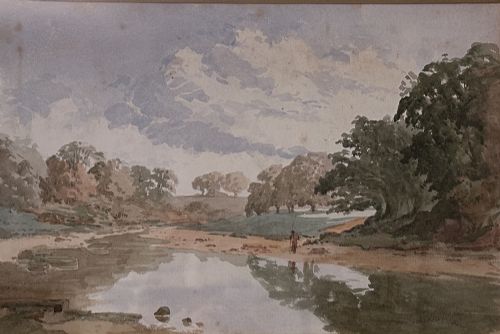
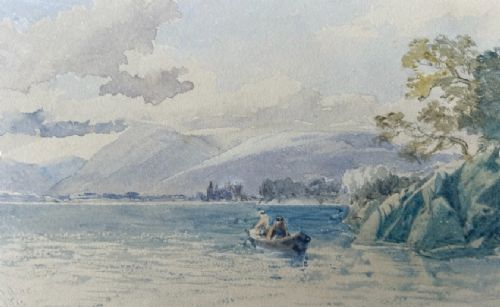
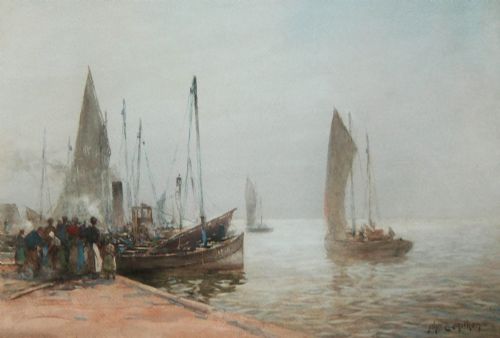
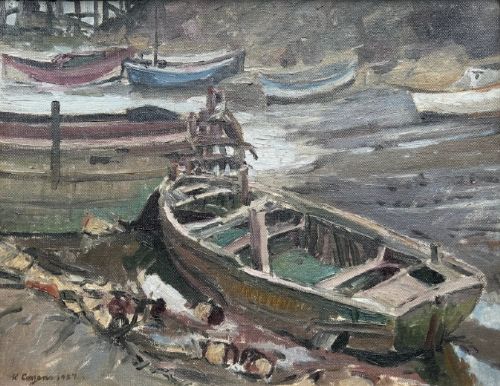
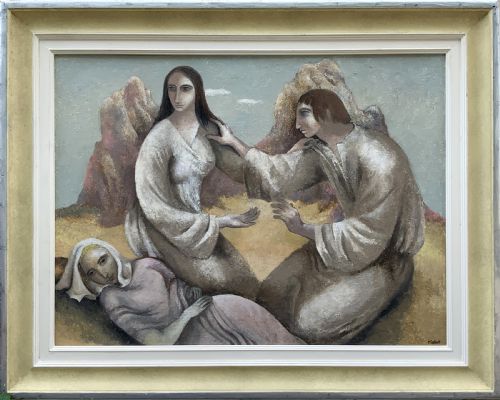
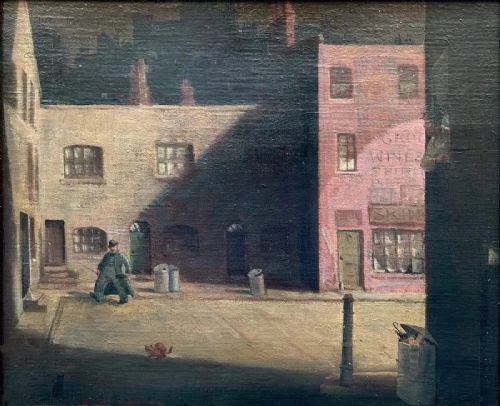
A muted grey landscape painting brings together historical watercolours and oils depicting rivers, coastlines, and winter scenes under overcast skies. Collectors encounter works originating from the nineteenth century through the mid-twentieth century, including pieces associated with British Impressionism and the Staithes group.
The selection ranges from detailed regional watercolours of Yorkshire and Scotland to textured impasto oil paintings on canvas and board. These artworks record changing light and weather across rural valleys, harbours, and urban rooftops using predominantly neutral tones.
How they were made
Artists applied watercolour pigment onto paper or built up layers of oil paint on canvas, wood, and board. Many works utilise thick impasto application to create texture in skies and coastal waters, whilst others rely on fluid washes for atmospheric depth.
Supports vary from traditional stretched canvas to stout wooden boards, often housed beneath glass in period frames or mounted directly on paper sheets.
Muted Grey Landscape Painting Retail Price Guide 2026
Typical asking prices for muted grey landscape painting among the pieces listed under this phrase on Sellingantiques today, from the lower quarter to the upper quarter. They describe what is for sale here now, not the wider market.
The listings span the nineteenth century up to the nineteen-sixties, utilising both oil paint and watercolour on paper, canvas, and wood.
What varies in quality
Compositional balance and brushwork control separate routine topographical sketches from accomplished statements of mood and light. The most successful examples achieve atmospheric tension through economical mark-making rather than excessive detail.
Condition of the support and pigment stability also influence standing, particularly in works on paper affected by past exposure to light or moisture.
Kenneth Cozens·Thomas Miles Richardson Jnr·James E Aitken·Francisco Sancha·Christine Nesbit·Fred Lawson·Arthur Reginald Smith·Cuthbert Crossley·Tom Clough·James Orrock·James Watson·Ernest Higgins Rigg·Henri Joseph Harpignies·Florence Hess·John Mitchell·A G Hayward·Ernest F Hill·Edmund Morris Wimperis·Hirst Walker·Fred Mayor·Fred Stead·Donald McIntyre·George Graham·Angus Rands·Robert Lesley Howey
The Muted Grey Landscape Painting Glossary
- Impasto
- Paint applied thickly to a canvas or board, standing out from the surface so that brush or palette knife marks remain visible. This technique adds tactile dimension to skies and water.
- Watercolour
- A painting method in which the paints are made of pigments suspended in a water-based solution. Translucent washes allow the luminous quality of the underlying paper to shine through.
- Canvas
- Closely woven fabric stretched across a wooden frame to serve as a painting surface. It provides the necessary spring and tooth for oil paint application.
- Monogram
- A motif made by overlapping or combining two or more letters to form a single symbol. Artists frequently used these initials to sign works discreetly.
- Impressionism
- A nineteenth-century movement characterised by relatively small, thin yet visible brush strokes and an emphasis on accurate depiction of light. British practitioners adapted these tenets to local coastal and rural scenery.
Muted Grey Landscape Painting: Frequently Asked Questions
How do I date a grey landscape painting?
Dating relies on stylistic markers, framing conventions, and artist biographies recorded in signatures or gallery labels. Materials such as early twentieth-century boards or nineteenth-century handmade papers also provide chronological boundaries.
Comparison with documented works from the same period helps narrow down the decade of creation.
Where should I hang these watercolours?
Works on paper require positioning away from direct sunlight to prevent pigment fading and paper degradation over time. Maintaining stable indoor humidity protects both the watercolour pigments and the underlying paper support.
Consider hanging them at eye level in spaces with controlled ambient light.
How do I clean an old oil painting?
Surface dust should be removed gently with a soft, dry brush by someone experienced in handling historic artworks. Chemical cleaning or varnish removal requires professional conservation to avoid damaging the underlying paint layers.
Preventative care through stable environmental conditions remains the best preservation method.