




Muted Green Canvas Art
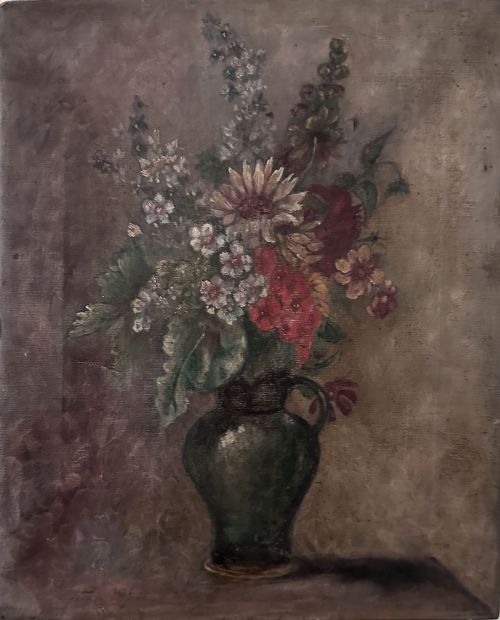
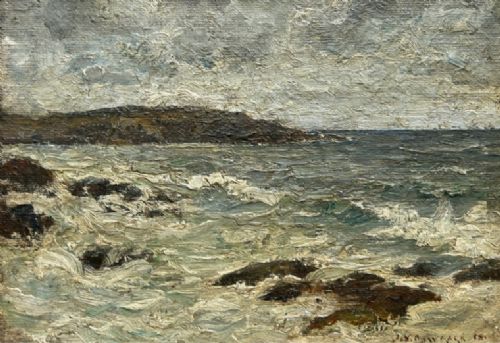
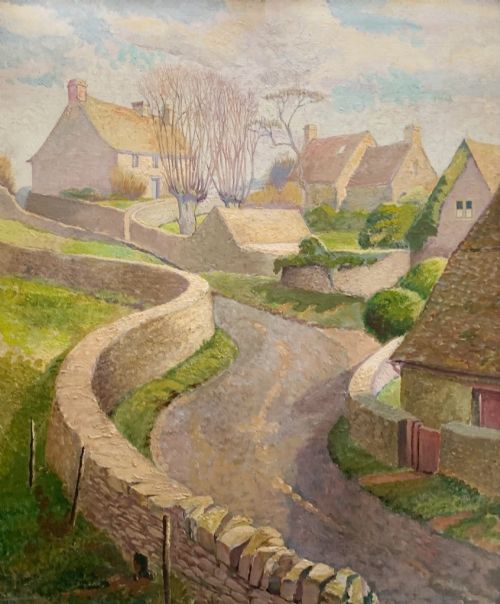
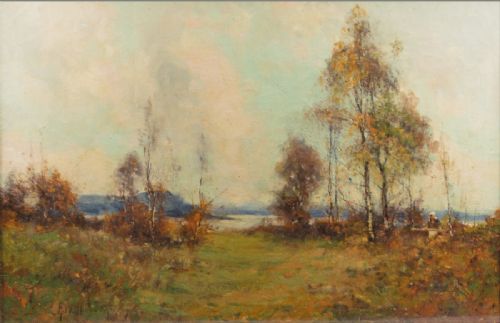
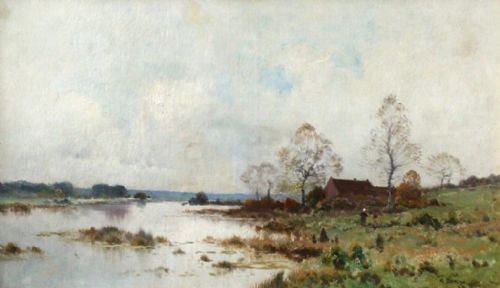
Muted green canvas art brings together landscape paintings and impressionist works that capture quiet tones across a span of decades.
Muted Green Canvas Art
Muted green canvas art encompasses fine art paintings and landscape paintings created across the nineteenth and twentieth centuries. Buyers looking at this selection encounter British Impressionism, Scottish Impressionism, Post-Impressionism, and mid-century modern works.
The pieces on this page focus on pastoral scenes, river landscapes, coastal views, and farmyards rendered in oil paint. Works range from Victorian examples to mid-century canvases dated around nineteen sixty.
Most items present naturalistic colour palettes dominated by earthy tones, foliage greens, and subdued natural light. These oil paintings function primarily as wall art for domestic interiors.
Materials and technique
Painters applied oil paint directly onto woven canvas, canvas board, or prepared wooden board. Artists utilised traditional brushwork alongside impasto techniques to build texture within landscapes and seascapes.
Supports often include stretchers made of wood, while many pieces retain period frames that complement the painted surface. Pigments used in these compositions create durable layers characteristic of nineteenth and twentieth century fine art.
Listings incorporate oil paintings on canvas, board, and wood spanning the nineteenth century to nineteen sixty.
Assessing quality and execution
Quality rests upon the handling of light, brush control, and the depth achieved within the composition. Stronger works demonstrate confident draughtsmanship and atmospheric perspective in capturing scenes such as riverbanks or rural valleys.
The distinction between standard decorative pieces and notable fine art lies in the artist's ability to render texture and tone convincingly. Signed paintings by documented artists carry a clearer attribution than unsigned school pieces.
Alexander Wellwood Rattray·Ernest Higgins Rigg·Herbert Royle·Robert Russell MacNee·Kershaw Schofield·James Kay·Samuel Bough
The Muted Green Canvas Art Glossary
- Canvas
- A heavy woven fabric used as a surface for oil painting. It is typically stretched over a wooden frame before use.
- Impasto
- Paint applied in thick layers that stand out from the surface. This technique gives a palpable texture to elements like foliage and water.
- Post-Impressionism
- An art movement following impressionism that explored emotional response and symbolic form. Painters in this tradition developed individual approaches to colour and structure.
- Fine Art
- Visual works created primarily for aesthetic expression rather than practical utility. These paintings include landscapes, seascapes, and figurative subjects.
- Victorian
- Pertaining to the reign of Queen Victoria, spanning the nineteenth century. Pieces from this era reflect academic or early impressionist sensibilities.
Muted Green Canvas Art: Frequently Asked Questions
What periods do these paintings span?
The works stretch from the nineteenth century through the Victorian era into various decades of the twentieth century, including nineteen ten, nineteen thirty, and nineteen sixty.
This timeline shows the evolution of landscape painting across British and Scottish impressionist traditions.
Are all pieces painted on canvas?
While canvas is common, artists also utilised canvas boards and wooden boards as supports for their oil paint compositions.
Each material provides a different foundation for the application of oil pigments and brushwork.
How do I identify a landscape painting style?
Styles range from traditional Victorian academic approaches to British Impressionism and Post-Impressionism.
Brush techniques and colour choices typically signal whether a piece leans toward realistic depiction or expressive mood.