






Multicoloured Ceramic Ornament
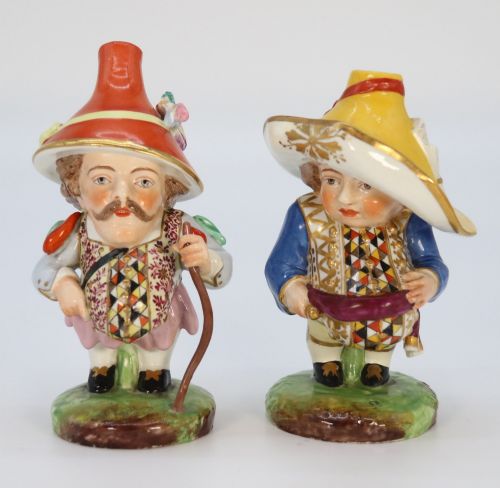
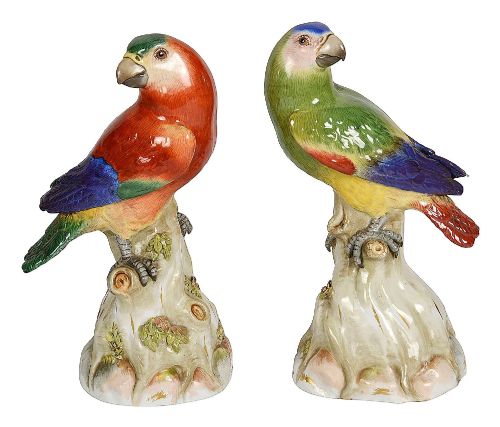
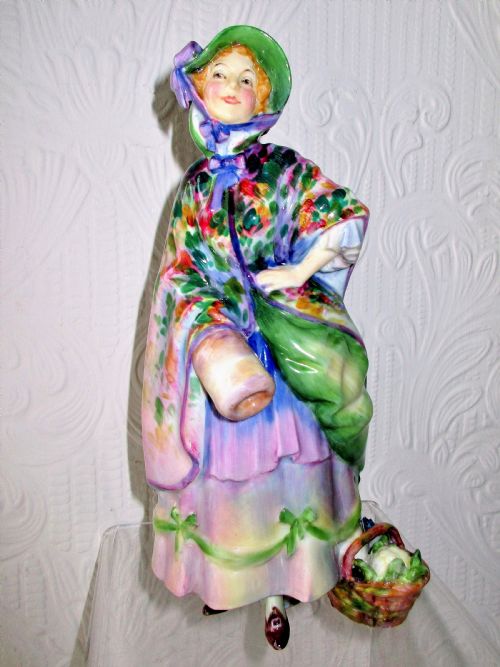
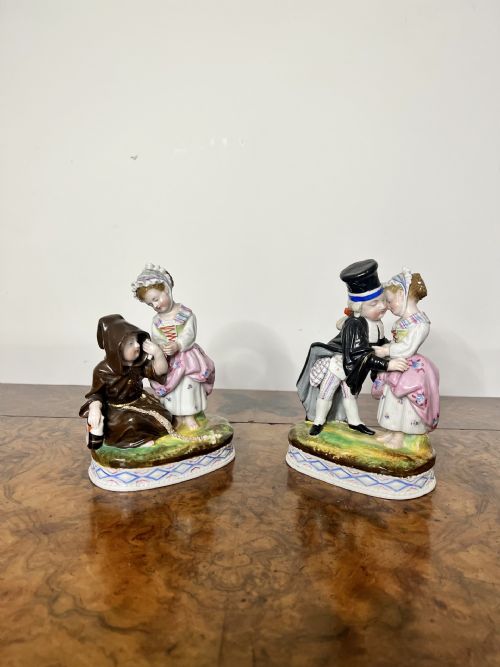
These multicoloured ceramic ornament pieces bring vivid character to a room, spanning figures, figurines, and statuettes from past centuries.
Multicoloured Ceramic Ornament
When you search for a multicoloured ceramic ornament, you encounter a diverse array of figural ceramics spanning several centuries of production. The selection on this page relies heavily on Victorian Staffordshire flatbacks, Staffordshire pottery figures, and continental porcelain figurines.
The objects take many forms, from pairs of parrots and royal portrait figures to literary scenes like Little Red Riding Hood and historical subjects such as the Crimean War. Potters shaped these pieces across the eighteenth, nineteenth, and twentieth centuries, capturing animals, human characters, and allegorical groups.
Continental factories and English potteries alike contributed to this tradition, producing earthenware, bone china, and porcelain versions. Buyers commonly find Victorian earthenware figures and delicate eighteenth- or nineteenth-century porcelain groups among the available examples.
How they were made
Makers shaped these earthenware and porcelain objects using moulds or by hand-modelling clay before applying lead glaze, enamel, or colour washes. Many pieces received careful overglaze enamel painting to render the characteristic multi-coloured surfaces recorded in the listings.
Some works incorporate additional decorative elements such as gold leaf highlights to accent details on robes, bases, or accessories. Earthenware figures often utilised porous local clays finished with glossy lead glazes, while porcelain and bone china required higher firing temperatures and refined paste compositions.
Multicoloured Ceramic Ornament Retail Price Guide 2026
Typical asking prices for multicoloured ceramic ornament among the pieces listed under this phrase on Sellingantiques today, from the lower quarter to the upper quarter. They describe what is for sale here now, not the wider market.
Several Staffordshire goats stand ready to butt their way onto your mantelpiece alongside nineteenth-century parrots.
What varies in quality
Early Staffordshire pieces and established porcelain manufactories often exhibit more confident sculpting and balanced compositions than later mass-produced alternatives. The handling of the glaze and the preservation of original pigment saturation also distinguish finer works from simpler commercial output.
Meissen·Royal Doulton·Wedgwood and Co·Minton·Rozenburg·Lakin and Poole·Triebner Ens and Eckert
The Multicoloured Ceramic Ornament Glossary
- Flatback
- A Staffordshire figure modelled with a finished front and sides but left flat unpainted or unglazed at the back. Makers designed these pieces to sit flush against cottage mantelpieces.
- Spill vase
- A hollow ceramic figure incorporating a cylindrical holder intended to store wooden spills for lighting fires or candles. These dual-purpose vessels combine utilitarian function with figurative ornament.
- Pearlware
- A refined type of earthenware developed in the late eighteenth century featuring a subtle bluish glaze over a white body. This ceramic body served as a popular base for brightly painted figures.
- Bone china
- A hard-paste ceramic incorporating calcined animal bone, producing a durable body with a bright white appearance. It allowed makers to achieve thinner walls and finer figurative details than traditional earthenware.
Multicoloured Ceramic Ornament: Frequently Asked Questions
What are Staffordshire flatbacks?
Staffordshire flatbacks are earthenware figures produced primarily during the Victorian era with unglazed or simply finished flat backs. Potters designed them specifically to sit on mantelpieces where only the front and sides would be visible.
These pieces frequently depicted contemporary events, royalty, literary characters, or animals, serving as popular decorative ornaments in nineteenth-century homes.
How do I care for antique porcelain figures?
Antique porcelain and earthenware figures require gentle handling and placement away from direct sunlight to protect delicate enamel colours and gold leaf. Dust them very carefully with a soft, dry brush rather than liquid cleaners.
Because nineteenth-century glazes and ceramic bodies can be fragile, avoid displaying them in areas subject to heavy vibration or extreme temperature fluctuations.
What is the difference between earthenware and porcelain?
Earthenware is a porous, opaque ceramic fired at lower temperatures, commonly used for traditional Staffordshire pottery figures. Porcelain is a vitrified, denser material fired at much higher temperatures, often displaying a translucent quality found in fine continental figures.
Porcelain allowed makers to achieve finer, crisper details in moulding, while earthenware provided a robust canvas for bright underglaze and enamel colours.
How are periods identified on these figures?
Periods are determined through a combination of stylistic cues, paste composition, glaze characteristics, and factory marks. Victorian pieces often display bright enamel palettes and specific subject matter like historical portraits or temperance themes.
Earlier pieces from the eighteenth century or Georgian period typically exhibit softer paste bodies, Rococo or Neoclassical styling, and hand-mixed pigments characteristic of early European kilns.