


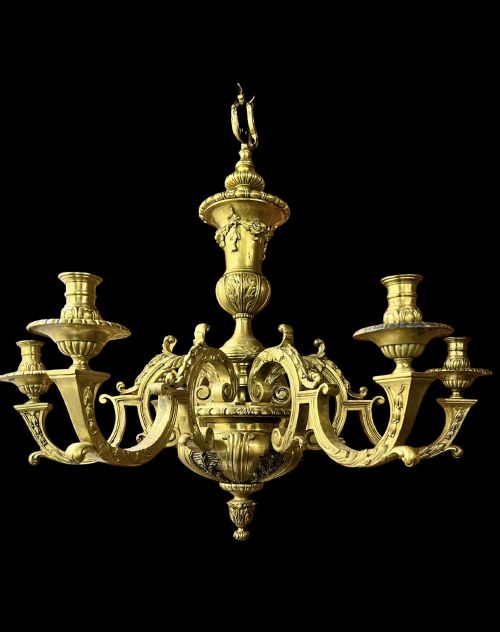


Multi Light Pendant
A multi light pendant brings weight and complex illumination to a room, drawing the eye upward with tiered arms and reflective drops.
Multi Light Pendant
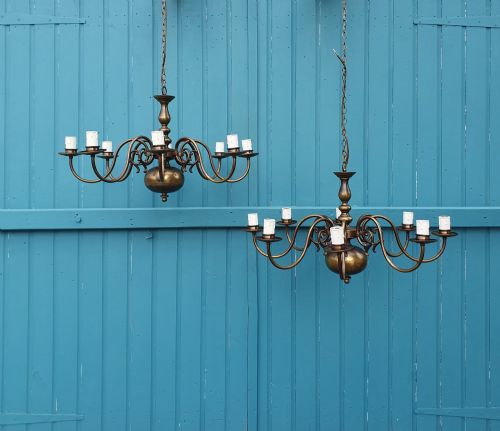
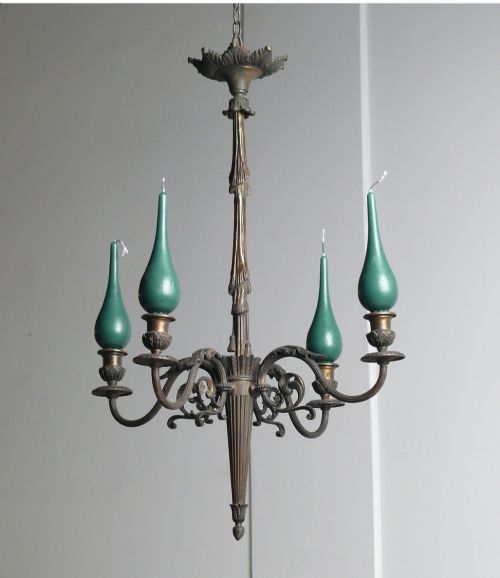
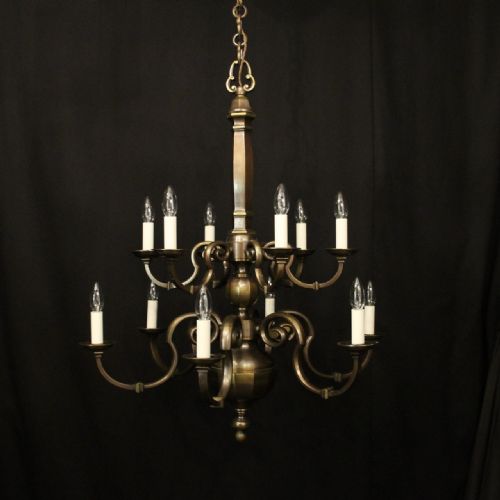
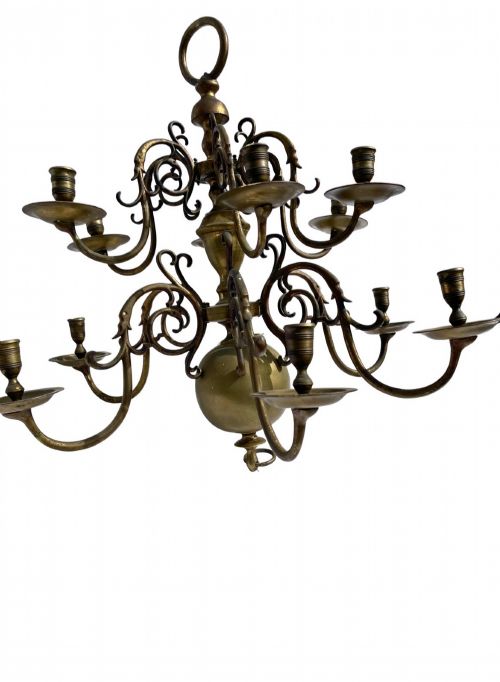
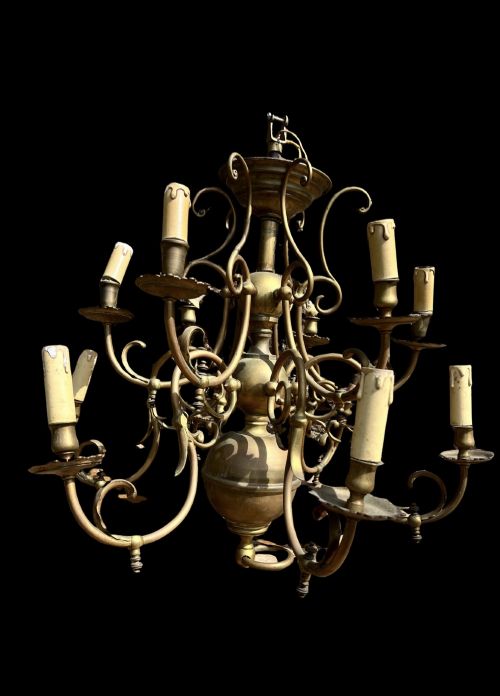
When buyers search for a multi light pendant, they encounter large chandeliers and ceiling lights spanning the nineteenth century through the nineteen-thirties. These pieces emerge from diverse traditions, including French chateau, Dutch baroque, and Venetian designs, alongside simpler Edwardian brass fixtures.
The options range from substantial twelve and twenty-four light installations down to smaller six-arm brass configurations and single-bulb variants. Many pieces incorporate multiple tiers of candles or bulbs, designed to distribute brightness across expansive spaces such as ballrooms and hallways.
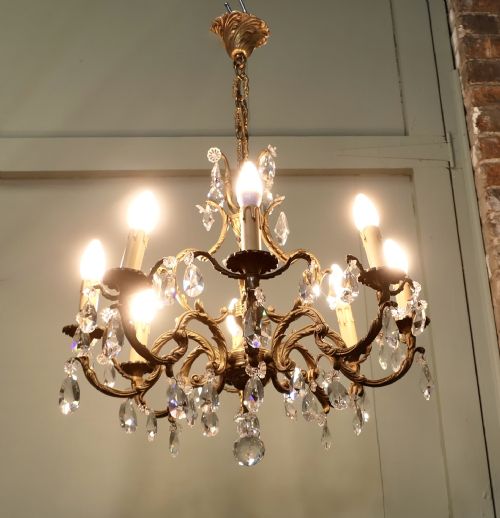
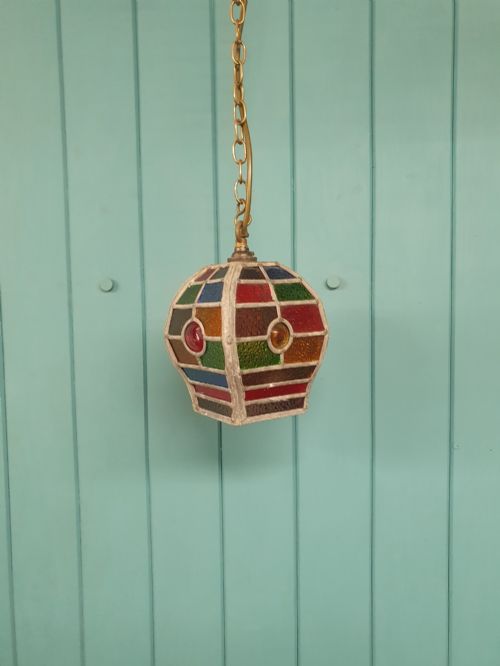
On this page, the most frequent forms are multi-arm brass and bronze chandeliers fitted with glass, crystal lustres, or cut crystal drops. Buyers also encounter specialised variants like gasolieres and leaded stained glass porch lanterns from the early twentieth century.
Materials and construction methods
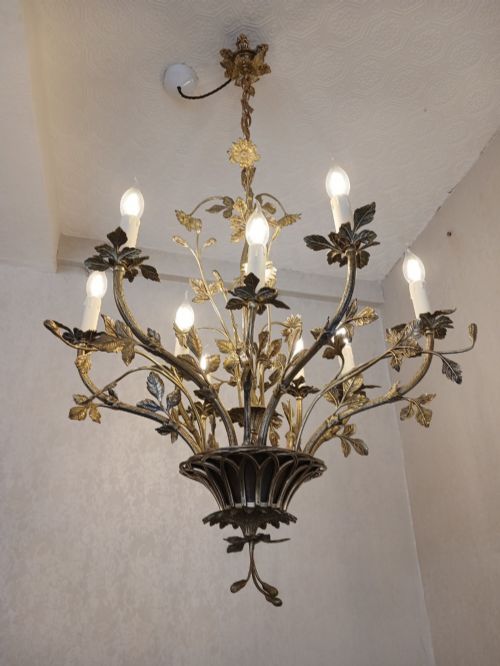
Makers built these fixtures using structural metals such as brass, bronze, copper, and gilt metal, often casting or forging complex multi-arm frameworks. Silver gilding and polychrome finishes appear on select Italian and English pieces to add decorative depth.
Glass and crystal components form the second major element, utilised as cut glass, moulded glass, opaque grapes, and hanging lustres or teardrops. These elements reflect and refract the illumination from multiple light sources across the frame.
Listings span periods from the mid nineteenth century through the nineteen-thirties, featuring brass, bronze, crystal, and copper materials.
Distinctions in construction and material quality
The upper tier of the range is defined by heavy cast metal frameworks, intricate chasing, and extensive use of cut crystal or Bohemian glass rather than pressed alternatives. Superior examples display balanced proportions across multiple tiers, with substantial arm counts supported by robust internal structures.
Lesser pieces rely on simpler stamped metal components and sparse glass dressing, lacking the depth of detail seen in grander French, Venetian, or English commissions. The integration of specialised decorative elements, such as gilded bronze cherubs or intricate leaded stained glass, elevates a piece above standard domestic production.
G.E.C·Joseph Wilmotte, Liege·Jean Gauthier
The Multi Light Pendant Glossary
- Lustre
- A cut glass or crystal pendant hung from a chandelier to refract light. These drops catch illumination from every bulb or candle.
- Gasoliere
- A ceiling fixture originally designed for gas lighting before later conversion to electricity. They often retain heavy brass or bronze multi-arm configurations.
- Marie Therese
- A specific style of flat-strap chandelier characterised by scrolled metal frames completely covered in glass plates and crystal beads. Originating in the eighteenth century, revival versions remain popular in later periods.
- Birdcage
- A cage-like metal framework enclosed by vertical wires or crystal strands, typical of certain French chandelier designs. This structure holds internal lights surrounded by cascading crystal drops.
- Polychrome
- Painted or decorated in several colours, commonly seen on Italian Florentine multi-arm fixtures. This finish adds surface pattern directly to the metal or wooden structure.
Multi Light Pendant: Frequently Asked Questions
How do I hang a heavy multi light pendant?
Installation requires securing the fixture directly into ceiling joists using a rated hook or bracket capable of supporting the combined weight of metal and crystal. Professional electrical assistance is recommended for multi-arm configurations with high bulb counts.
Ensure the hanging height clears head traffic while positioning the fixture to anchor the visual centre of the room effectively.
Can these antique chandeliers be rewired for modern electrics?
Most pieces dating from the nineteenth and early twentieth centuries have already undergone conversion to standard electricity or can be adapted safely by a qualified electrician. Wiring is typically run through the central hollow core and arms to maintain the clean visual lines of the metalwork.
Original sockets or dummy candles can often be updated to accommodate modern LED candle bulbs while preserving the exterior appearance.
What rooms suit a multi light pendant?
These fixtures suit high-ceilinged spaces such as formal dining rooms, stairwells, entrance halls, and drawing rooms where their scale can be fully appreciated. Smaller fifteen-inch brass frames or porch lanterns fit more compact areas without overwhelming the floor space.
Consider the diameter and drop length relative to the room dimensions to ensure balanced proportions.
How do I tell Edwardian chandeliers from earlier nineteenth century pieces?
Edwardian fixtures frequently exhibit lighter brass or bronzed construction, sometimes reflecting Arts and Crafts simplicity or lighter revival styles. Earlier nineteenth-century examples tend toward heavier cast bronze, intricate gilt work, and extensive cut crystal or glass lustres.
Examining the casting quality, screw threads, and wiring channels helps establish the manufacturing era.