

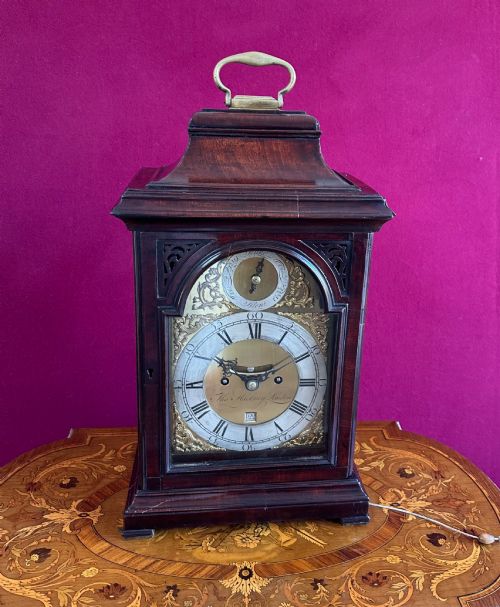
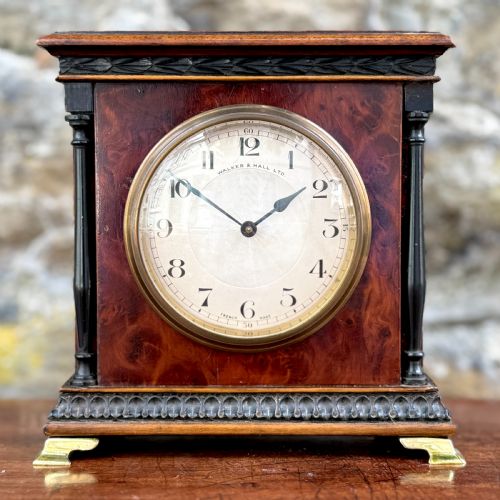
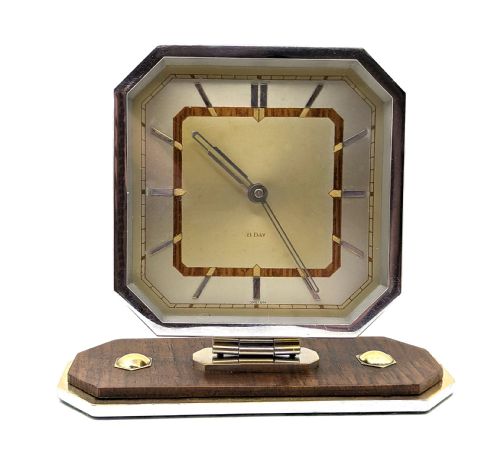

Movement Table Clock
A movement table clock brings precision engineering into domestic rooms, offering the mechanical fascination of visible gears housed in timber, brass or marble.
Movement Table Clock
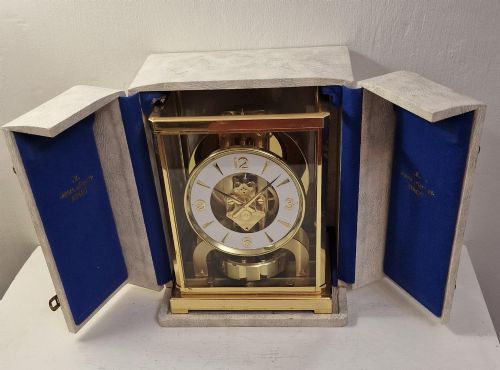
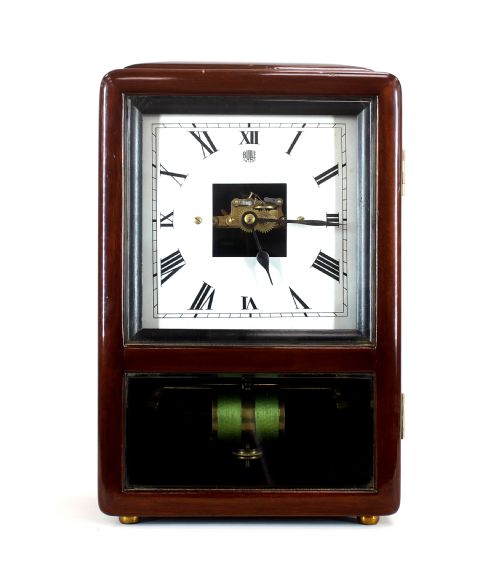
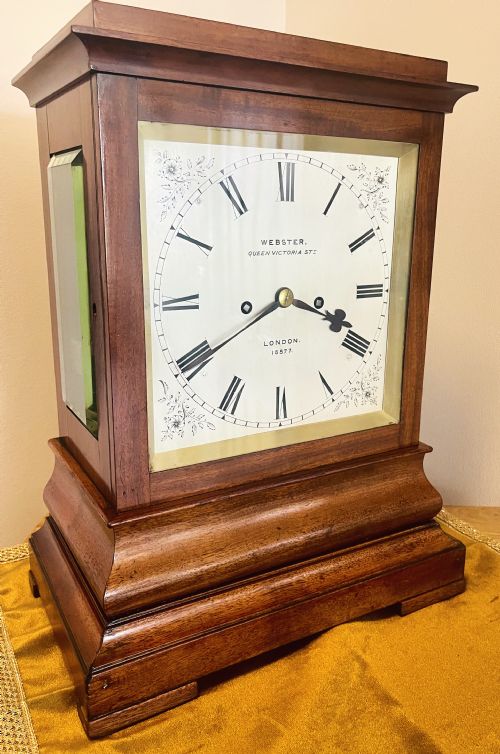
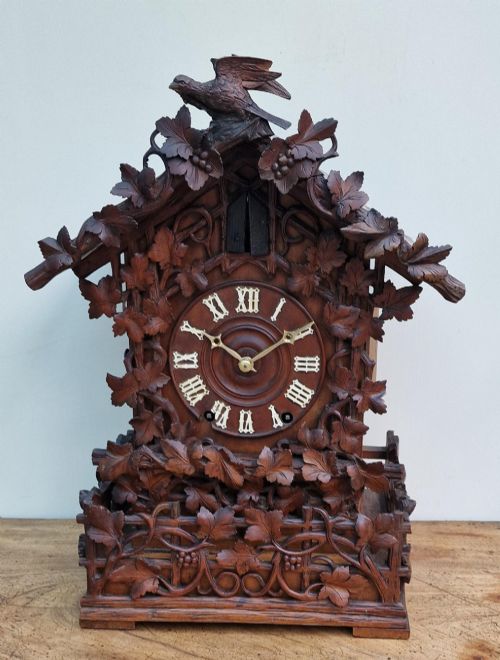
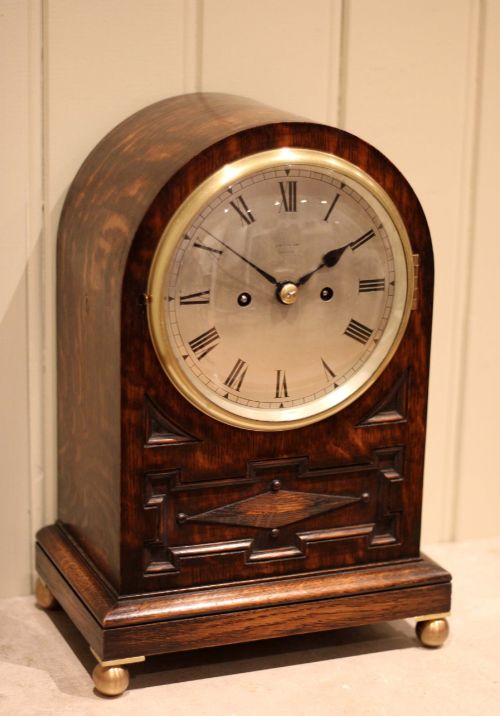
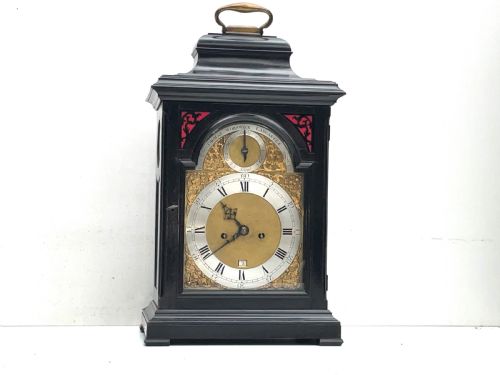
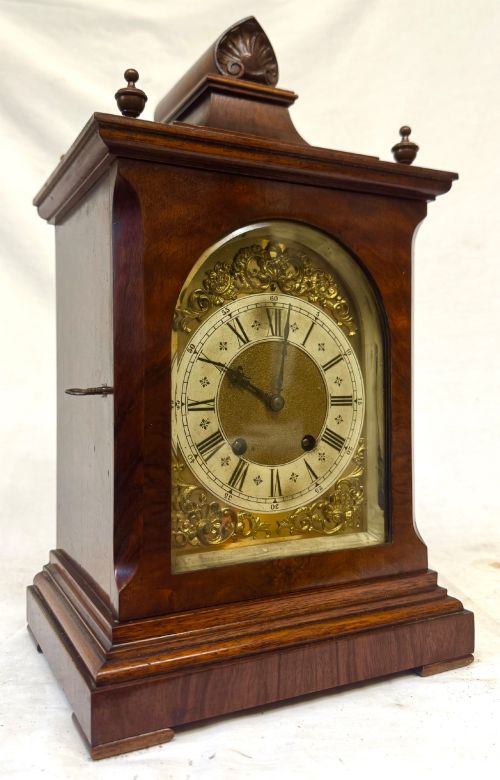
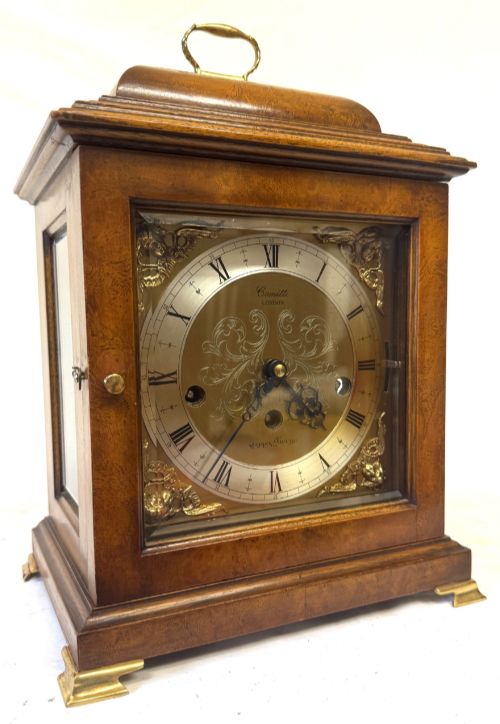
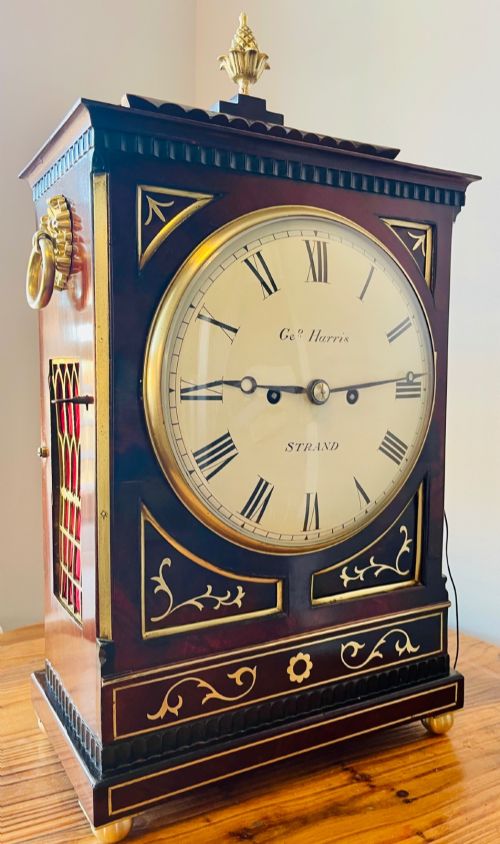
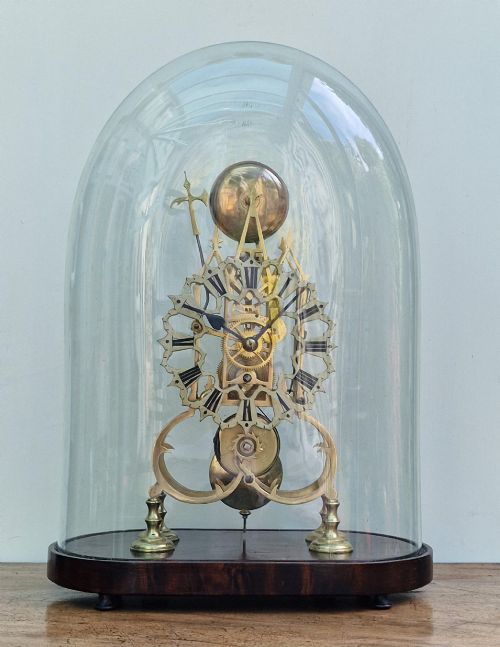
When a buyer searches for a movement table clock, they encounter an array of timepieces designed for placement on desks, mantels and brackets rather than hanging upon walls. The examples seen here range from substantial English fusee bracket clocks in mahogany and oak to delicate French carriage clocks and glass-cased library models spanning the eighteenth century through to the mid-twentieth century.
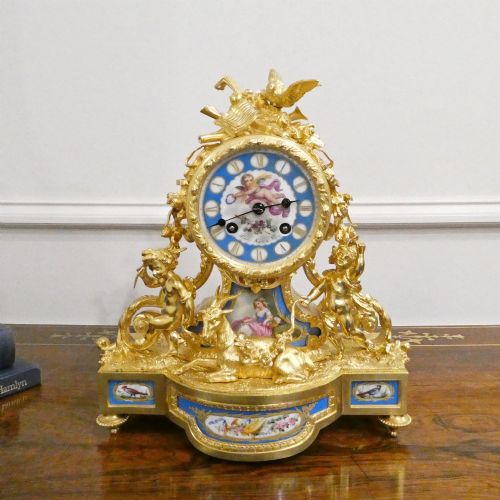
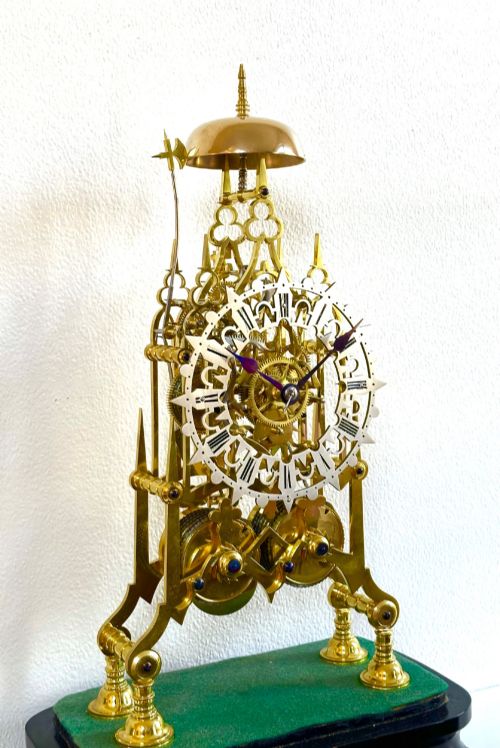
The dominant forms on this page include Victorian and Regency mantel clocks alongside specialised skeleton clocks that expose the mechanics of the movement to the eye. Buyers also encounter Art Deco desk clocks housing eight-day movements alongside elaborate nineteenth-century French gilt bronze and porcelain pieces.
Origins represented in these listings stretch from British workshops in London and provincial towns to continental makers in France and Germany. Materials shift according to period, moving from dark eighteenth-century woods through mid-Victorian marble and walnut to twentieth-century chrome and brass.
Materials and construction
Cases rely on traditional cabinet timbers such as mahogany, walnut, oak and ebonised wood, often complemented by gilt brass, bronze, marble and glass panels that reveal the internal architecture. Dials feature white enamel with Roman or Arabic numerals, engraved brass, or inset porcelain plaques decorated with painted scenes.
The mechanical heart relies on brass plates, steel wheels, pinions and escapements powered either by falling weights, coil springs or chain-driven fusee cones designed to equalize the pull of the mainspring. Striking mechanisms utilise bells, gongs or multiple chime trains to mark the passage of the hours.
French and English workshops employed distinct construction traditions, with English makers favoring reliable fusee movements while continental makers frequently utilised platform escapements and complex striking or repeating complications.
Movement Table Clock Retail Price Guide 2026
Typical asking prices for movement table clock among the pieces listed under this phrase on Sellingantiques today, from the lower quarter to the upper quarter. They describe what is for sale here now, not the wider market.
Listings feature movement table clocks spanning seven decades of the nineteenth century alongside eighteenth-century examples.
Assessing craftsmanship and execution
Quality reveals itself in the crispness of the movement components, the hand-engraving on backplates and dials, and the precision with which the escapement is adjusted. Finer pieces display fire-gilding on bronze mounts, perfectly fitted glass panels, and substantial cabinetwork with matched wood veneers.
The sophistication of the movement itself dictates value, separating simple timepieces from twin-fusee striking clocks, musical three-train movements, and skeleton clocks with complicated escapements. Makers with established reputations for precision engineering elevate the standing of an individual clock.
Originality of components and the survival of secondary elements such as matching brackets, pendulum bobs and winding keys preserve the integrity of the piece against later replacements.
Comitti Of London·Lenzkirch·Henry Marc·Walker and Hall·Mauthe·Schneckenburger·Philippes Paris·Japy Freres·Dent·William Payne·John Barwise of London·W. Burton·Phillips Brothers·Winterhalder W and H·William Evans of Handsworth·Charles Frodsham and Holingue Freres·Jaeger LeCoultre·Achille Brocot and Delettrez·Somersall London·Budgen Croydon
The Movement Table Clock Glossary
- Fusee
- A conical pulley connected to the mainspring by a chain or cord that equalizes the diminishing power of the spring as it unwinds.
- Verge escapement
- An early type of escapement utilising a crown wheel and a rod with pallets, common in seventeenth and eighteenth-century clocks.
- Skeleton clock
- A timepiece with an openwork frame designed to expose the gear train and movement plates to view from multiple angles.
- Carriage clock
- A small, portable spring-driven clock with a carrying handle, originally designed for travel during the nineteenth century.
- Platform escapement
- A self-contained escapement unit mounted on a small platform, frequently utilised in French carriage and desk clocks.
- Ting tang
- A striking mechanism that sounds two different notes on two bells or gongs to indicate the quarters or half hours.
Movement Table Clock: Frequently Asked Questions
What is a fusee movement?
A fusee movement employs a conical drum and a chain to regulate the force delivered by the mainspring, ensuring even tension as the power winds down.
This mechanical refinement helps maintain consistent timekeeping throughout the duration of the power reserve.
How do I wind an antique clock?
Antique clocks require a matching key inserted into the winding holes on the dial or backplate to tension the spring or lift the weights.
Care must be taken not to overwind the mechanism, stopping as soon as resistance is felt against the key.
Where should I place a bracket clock?
Bracket clocks suit sturdy furniture surfaces such as sideboards, desks or dedicated wall brackets where vibrations are minimised.
Level placement ensures the pendulum or balance wheel swings evenly to maintain accurate time.
How do I identify a French carriage clock?
French carriage clocks feature upright rectangular brass cases with bevelled glass panels and a folding handle on top.
They rely on platform escapements rather than pendulums, allowing them to function reliably while portable.
What maintenance do antique movements need?
Mechanical clocks benefit from professional cleaning and lubrication every few years to prevent wear on the brass pivots and steel teeth.
Dust accumulation and dried oil can slow the gear train and affect the reliability of the strike train.