


Mounted Bronze Study
A mounted antique bronze study combines sculptural animal or figural work with a dedicated stone base, offering a tactile focal point for a desk or cabinet.
Mounted Bronze Study
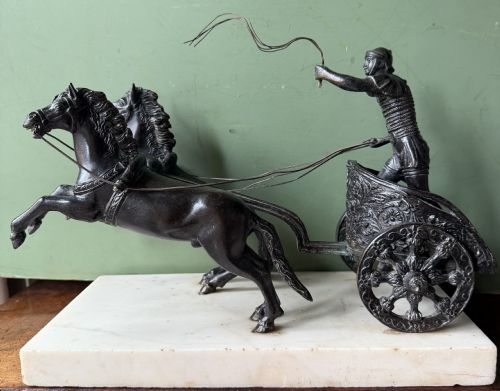
When you search for a mounted antique bronze study, you encounter sculptural depictions of animals and figures cast in metal and permanently fixed to stone plinths or bases. These pieces span from the mid-nineteenth century into the twentieth century, originating from European foundries and workshops.
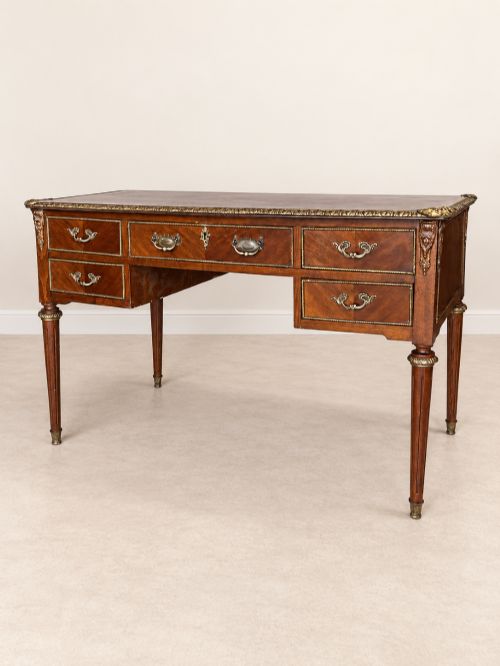
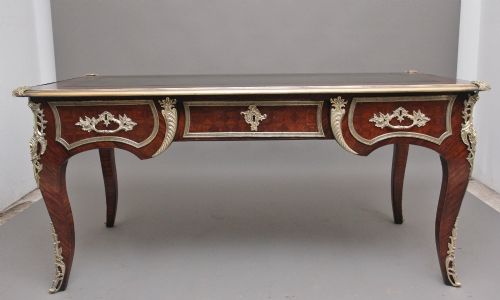
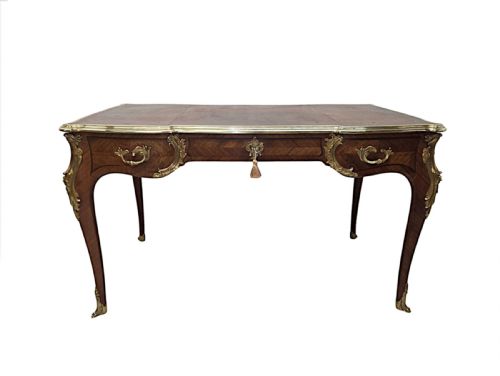
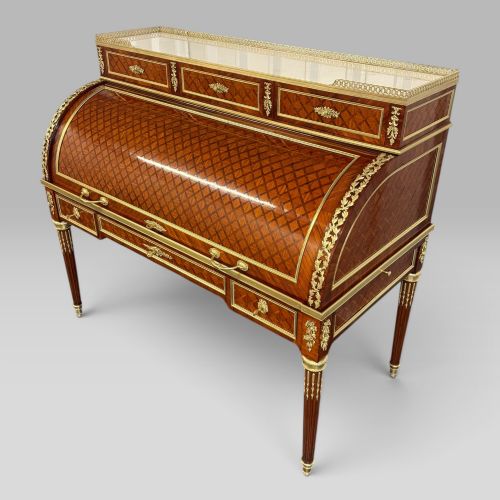
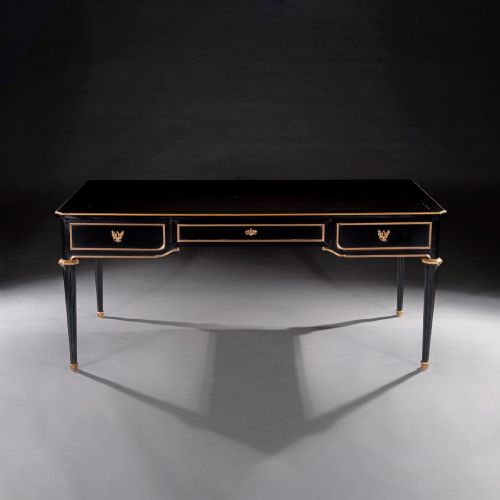
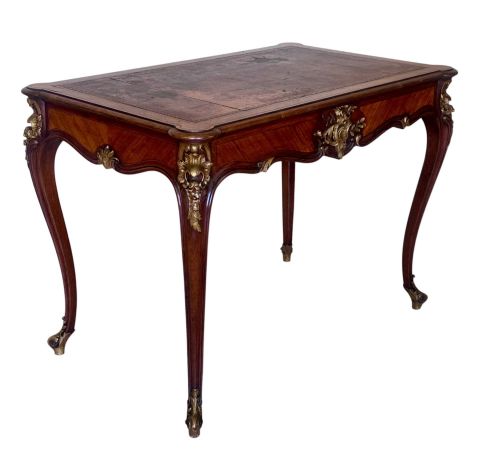
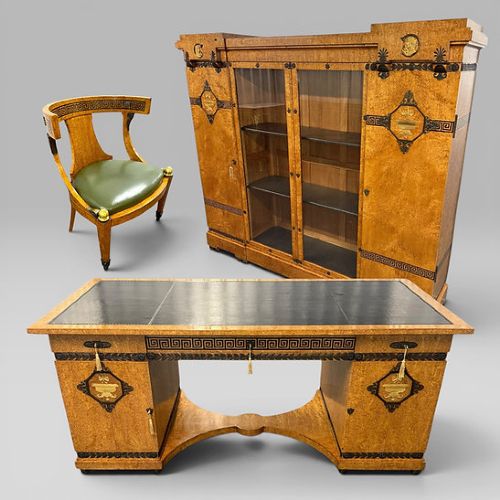
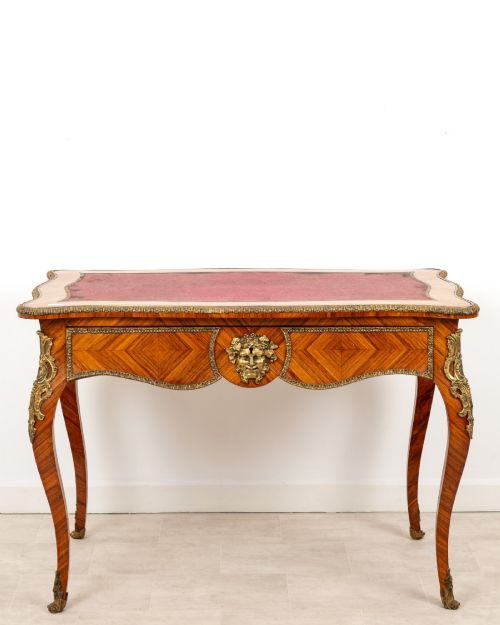
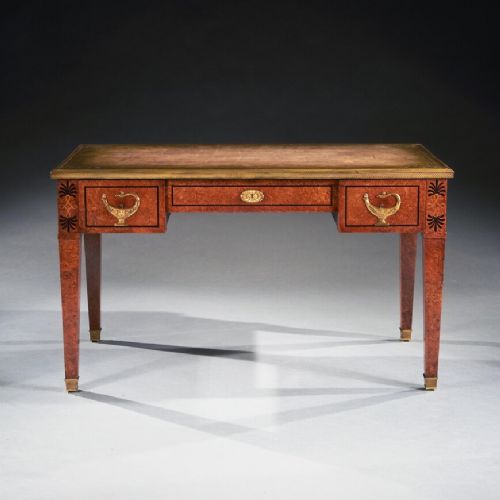
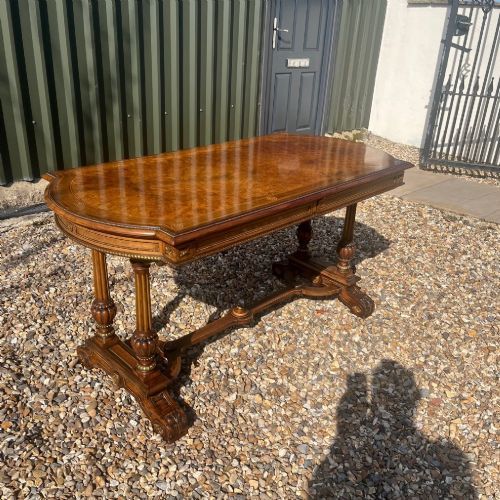
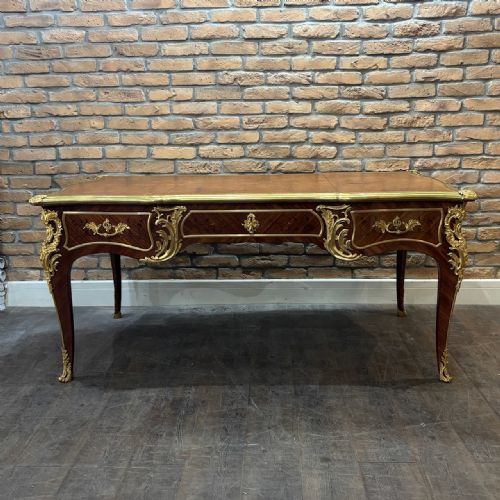
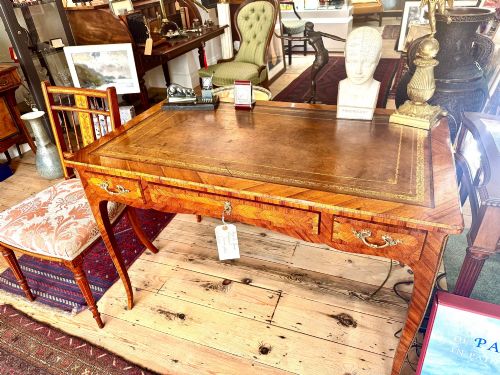
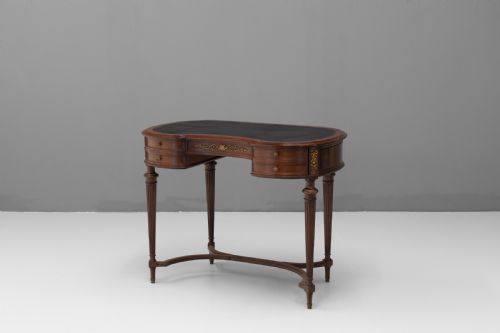
The selections on this page divide broadly into two distinct forms. You find animal and figural studies cast in bronze or cold-painted metal, mounted directly onto marble or onyx plinths. Alternatively, the term also encompasses larger nineteenth-century writing desks and bureau plats embellished with gilt bronze or ormolu mounts.
The sculptural animal studies capture subjects like foxes, birds on the wing, and classic figures. Meanwhile, the furniture pieces incorporate gilt bronze mounts onto timber structures of kingwood, walnut, and satinwood. Both categories reflect nineteenth-century and early twentieth-century decorative tastes across France, Austria, and Italy.
How they were made
The sculptural studies on this page utilise traditional casting methods, capturing fine anatomical detail in bronze before finishing. Cold-painted techniques apply polychrome pigments to specific animal subjects, while others retain the rich dark patina of the cast metal.
Mounts and decorative furniture elements rely on ormolu and gilt bronze, cast and chased by hand to achieve crisp relief work. These decorative mounts are fastened securely to timber carcases or directly integrated into the design of writing desks and tables.
Foundries anchor the metal figures onto heavy natural stone foundations, utilising green onyx, black marble, and white marble plinths. This combination provides both structural stability and a contrasting visual frame for the central bronze casting.
Listings feature items incorporating bronze, ormolu, marble, onyx, leather, and multiple exotic timbers like kingwood and burr walnut.
What varies in quality
The standard of a cast rests entirely in the crispness of the chasing and the fidelity of the final detail. Superior bronze studies preserve fine feather and fur textures without softening from worn moulds or heavy subsequent polishing.
In mounted furniture and plinths, quality reveals itself in the integration of the metalwork with the primary material. Hand-chiselled ormolu mounts fit flush against timber or stone, showing sharp undercutting and vibrant fire-gilt surfaces rather than dull, uniform plating.
CH. Jeanselme & Co·Mercier Frères·Maison Millet
The Mounted Bronze Study Glossary
- Ormolu
- Finely ground high-carat gold amalgam applied to a bronze base through mercury gilding, or later cast brass given a similar rich finish. It provides a bright golden surface that highlights the carved details of furniture mounts.
- Cold-painted bronze
- A manufacturing method where bronze figures are painted with oil or enamel colours after casting, rather than undergoing high-temperature firing. This technique produces realistic animal studies with delicate polychrome surfaces.
- Crested wave
- A stylised sculptural element depicting the curled crest of water, often utilised as an integral mount or base to support dynamic bird or marine subjects in flight.
- Grand Tour
- A traditional cultural excursion undertaken by wealthy young Europeans through France and Italy, which generated a strong market for portable souvenir bronzes and antiquities.
Mounted Bronze Study: Frequently Asked Questions
What is a cold-painted bronze study?
A cold-painted bronze study is a metal casting finished with hand-applied oil or enamel colours after the metalwork is complete. This process avoids high-temperature firing, allowing for fine polychrome detail on animal sculptures.
These pieces typically date from the late nineteenth and early twentieth centuries, capturing realistic wildlife subjects meant for display on desks or cabinets.
How do I care for a marble plinth?
Marble plinths require gentle dusting with a soft, dry cloth to prevent surface scratching from airborne grit. Avoid using acidic household cleaners or abrasive pads, which permanently etch polished stone surfaces.
If cleaning is necessary, use a damp cloth with mild, pH-neutral soap, followed immediately by thorough drying with a clean linen cloth.
Are furniture mounts solid bronze?
Furniture mounts on nineteenth-century pieces are typically cast in bronze or brass and subsequently chased by hand to sharpen the decorative relief. Many finer examples feature fire gilding or ormolu finishes that catch the light.
These mounts serve both an ornamental purpose and a structural one, protecting vulnerable corners and edges on bureau plats and writing desks.
Where were Grand Tour bronzes made?
Grand Tour bronzes were produced primarily in Italy and France during the nineteenth century to satisfy travellers collecting souvenirs of classical antiquity. Workshops in Rome, Florence, and Paris cast miniature figures and architectural models for this tourist market.
These souvenirs were frequently mounted on marble plinths to serve as decorative paperweights or cabinet pieces upon the owner's return home.