



Patinated Bronze Object
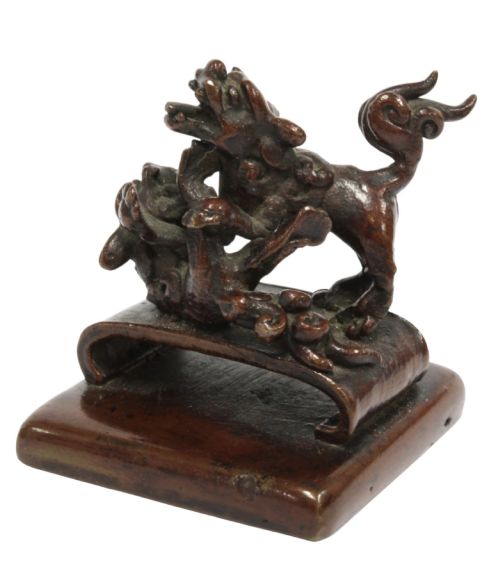
These patinated bronze object pieces bring cabinet figures, scholar's items and classical reductions into a room, offering rich surface tones and deep historical weight.
Patinated Bronze Object
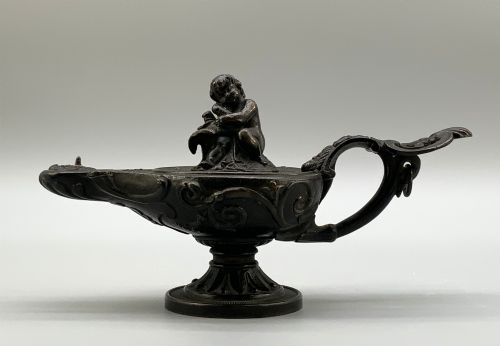
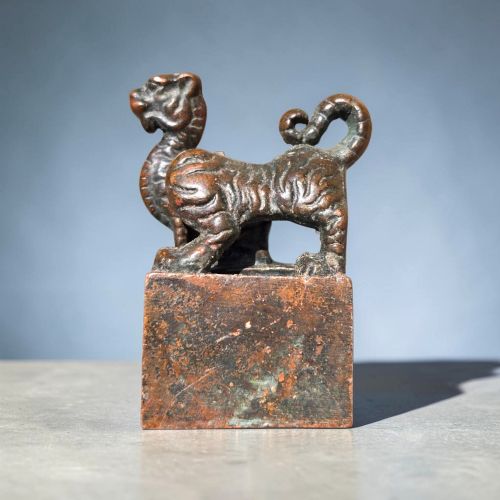
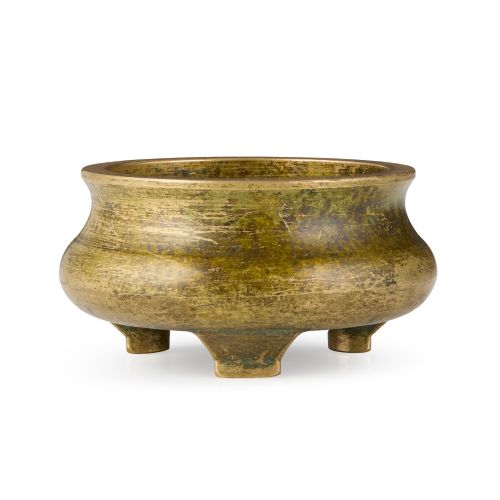
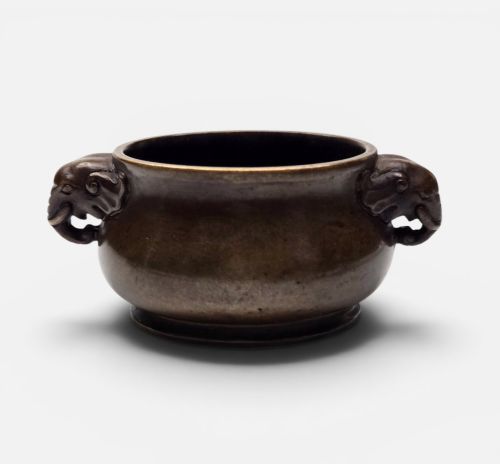
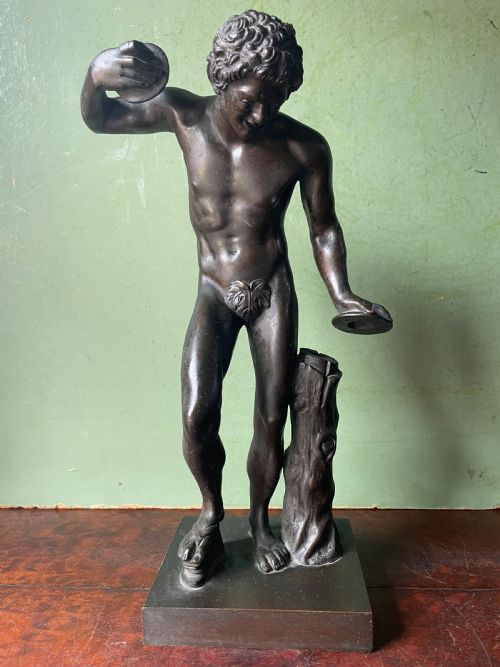
A patinated bronze object encompasses diverse forms ranging from Chinese scholar's seals and incense burners to French animalier sculptures and Grand Tour oil lamps. When searching for a patinated bronze object, buyers encounter varied items spanning the sixteenth to the twentieth centuries, crossing both Asian dynasties and European classical traditions.
Scholar's studio pieces such as tripod censers and nested qilin seals dominate alongside European reductions after the antique and animalier figures like frogs and minstrels. These works reflect both eastern scholastic traditions and western decorative arts designed for cabinets or desk display.
Origins stretch from Ming and Qing dynasty workshops to Parisian foundries and nineteenth-century Italian studios. Each piece carries the distinct surface finish imparted by age, handling and environmental exposure over centuries.
Materials and construction methods
Surfaces received applied patination, ranging from warm brown tones to dark patinas developed through chemical treatment, handling and natural oxidation over hundreds of years. Wood elements occasionally appear as bases or components accompanying bronze elements.
Listings feature items spanning the sixteenth to the twentieth centuries, encompassing Ming Dynasty scholar's objects and nineteenth-century French animalier bronzes.
Evaluating craftsmanship and detail
The integrity and nuance of the patinated surface dictate visual appeal, with rich, undisturbed patinas holding greater interest than flat or overly cleaned metals. Studio marks and signatures also distinguish works produced by known nineteenth-century European sculptors or specific eastern periods.
Ferrand·Renzo Colombo
The Patinated Bronze Object Glossary
- Patinated bronze
- Bronze metal that has developed or received a surface coloration distinct from raw metal. This finish protects the alloy and adds visual depth through varied tones.
- Scholar's object
- Items created for the desk or studio of an educated scholar, particularly in Chinese traditions. They include brush rests, seals and small censers.
- Animalier
- A nineteenth-century artistic style focusing on realistic depictions of animals. French animalier bronzes capture creatures such as frogs in naturalistic poses.
- Grand Tour souvenir
- A small-scale bronze reduction or artefact acquired by travellers on educational journeys through Europe. These pieces replicated famous classical sculptures for home display.
- Tripod censer
- A bowl raised on three feet used for burning incense. Chinese examples often feature studio marks on the base.
Patinated Bronze Object: Frequently Asked Questions
How do Grand Tour bronzes differ from original antiquities?
Grand Tour bronzes are nineteenth-century reductions or copies cast after famous classical sculptures seen by travellers in European museums and ruins. They brought ancient art into private Victorian homes.
Unlike ancient originals, these souvenir pieces utilise nineteenth-century patination techniques and foundry methods while celebrating classical forms.
Where should I display a small bronze sculpture?
Small bronze sculptures and scholar's objects suit tabletops, bookshelves or dedicated cabinets where their tactile surfaces can be examined closely. Placing them away from direct moisture protects the patinated finish.
Good lighting helps reveal the subtle dark or warm brown tones of the metal alloy.
How do I care for a patinated bronze object?
Care involves dusting the surface gently with a soft, dry cloth to prevent the buildup of particles without disturbing the underlying patina. Avoid using chemical polishes or water, which can strip away historic surface colorations.
Stable indoor humidity levels ensure the metal remains secure and free from active corrosion.