


Moulded Frosted Glass
Moulded frosted glass brings tactile depth and sculptural form to domestic interiors through tactile twentieth-century design.
Moulded Frosted Glass
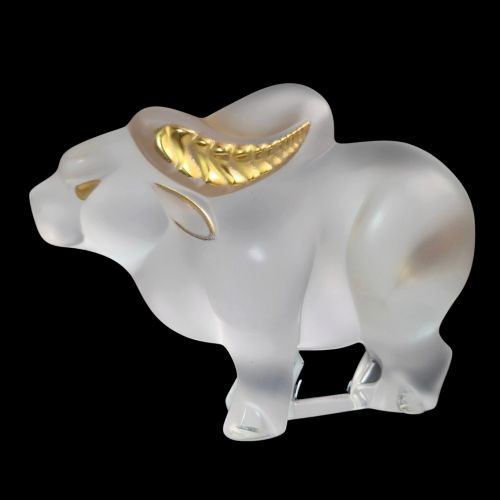
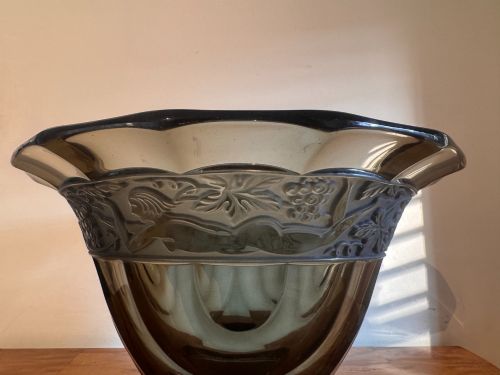
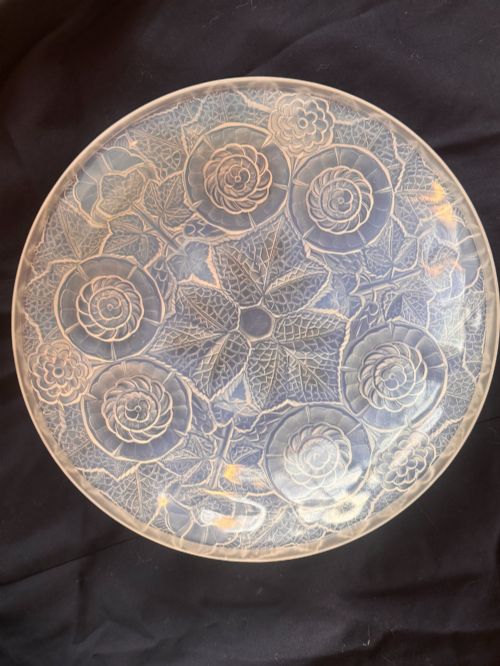
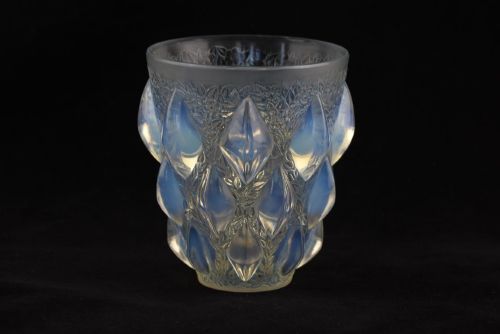
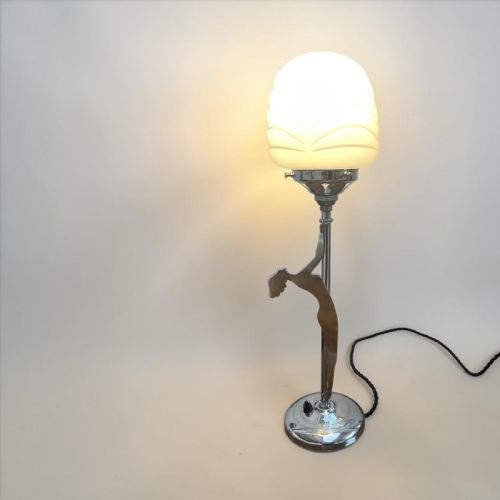
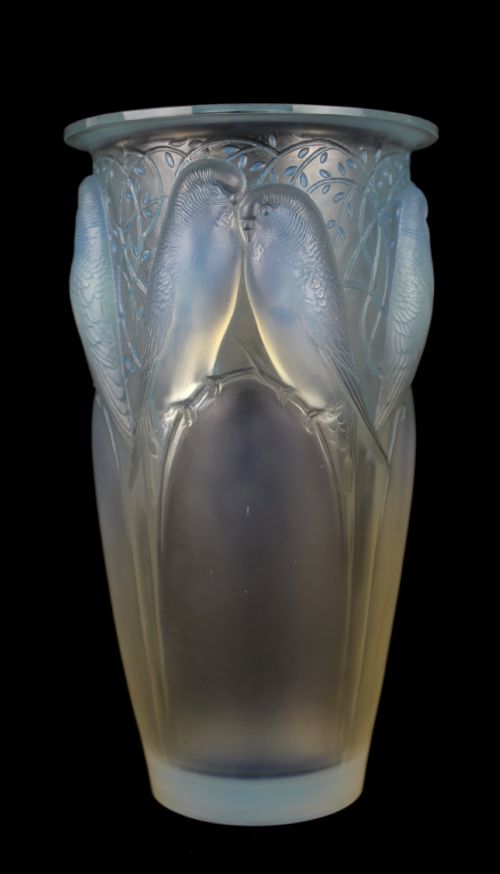
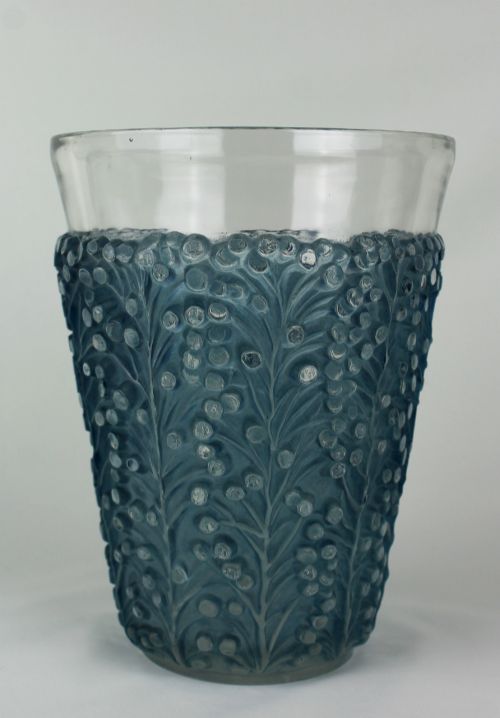
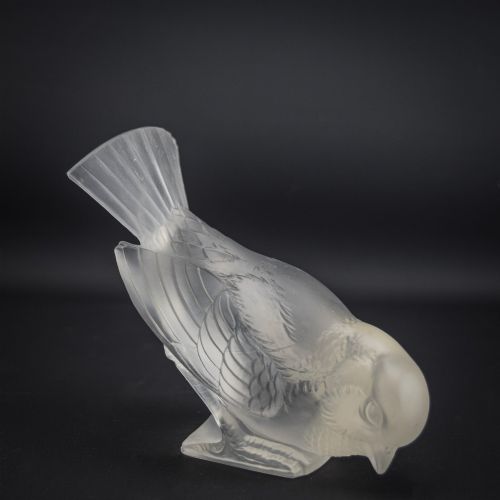
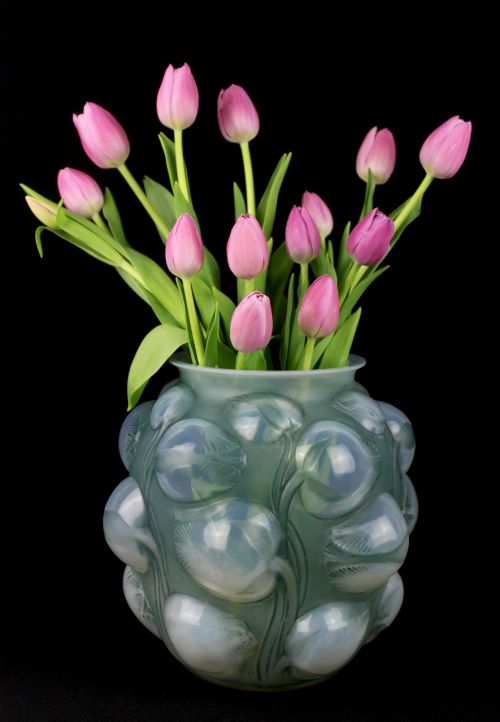
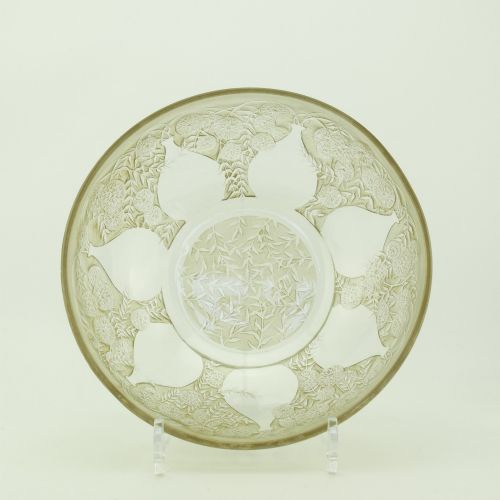
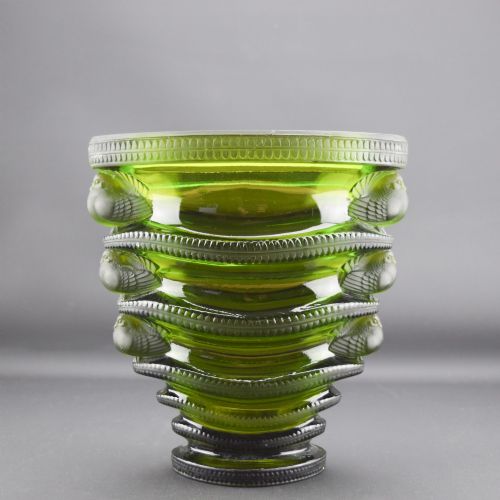
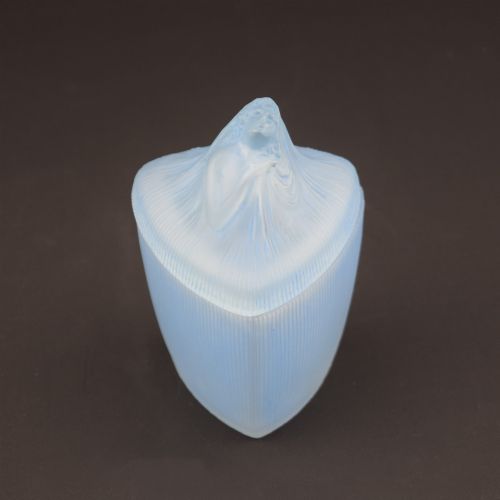
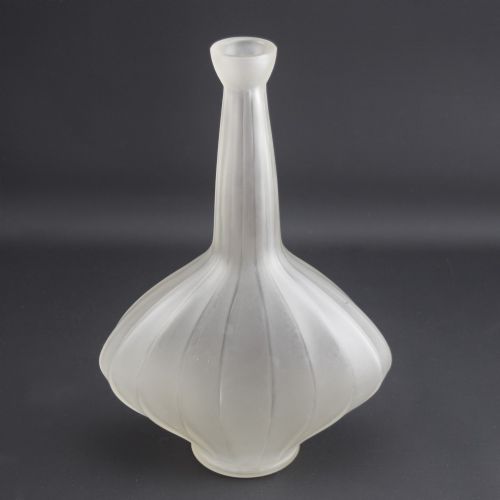
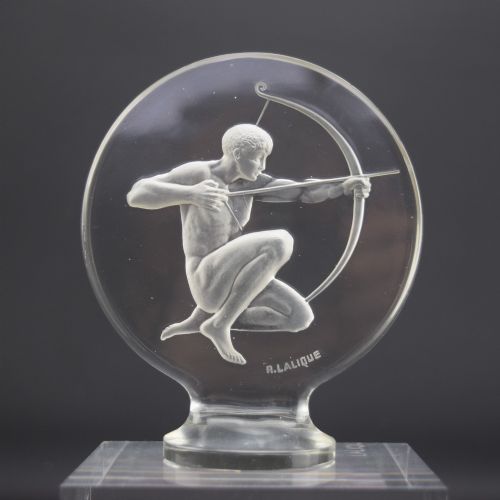
Moulded frosted glass encompasses decorative objects, lighting and tableware produced predominantly during the early decades of the twentieth century. These pieces emerge primarily from Art Deco and Art Nouveau movements, reflecting the aesthetic priorities of the Edwardian era through the nineteen-thirties.
Vases, decorative bowls, perfume bottles and wall lights dominate the forms found within this selection. Buyers encounter both utilitarian vessels and purely decorative sculptures created by prominent makers working in France and Britain.
Production Methods and Materials
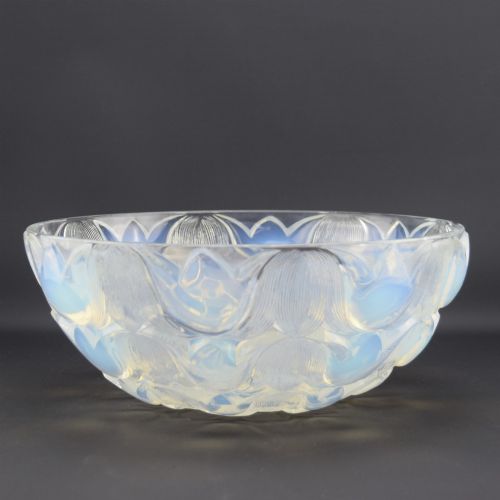
Makers utilised pressed and moulded glass techniques, often combining clear, opalescent and satin finishes within a single piece. Molten material was forced into metal moulds to create high-relief surface decoration that caught and diffused light.
Secondary materials such as chrome, nickel and enamel frequently complement the glass components, particularly in lighting fixtures and perfume atomisers. Surface staining or coloured patination was often applied manually to accentuate the intricate relief details.
Moulded Frosted Glass Retail Price Guide 2026
Typical asking prices for moulded frosted glass among the pieces listed under this phrase on Sellingantiques today, from the lower quarter to the upper quarter. They describe what is for sale here now, not the wider market.
The listings span the Edwardian era through the nineteen-thirties, dominated by French opalescent and frosted glass forms.
Judging Quality and Execution
The crispness of the moulded relief dictates the primary tier of execution, separating sharp, deeply articulated patterns from softer, worn impressions. Superior examples demonstrate precise control over the frosting and transparency gradients across the glass surface.
The sophistication of the design and the integration of auxiliary materials like metal mounts influence the overall standard. Pieces bearing clear signatures or registration marks from established workshops represent higher levels of period craftsmanship.
René Lalique·G Vallon·Gallé·Muller Bros·Jobling Opalique
The Moulded Frosted Glass Glossary
- Frosted glass
- Glass treated to scatter light and create a matte, translucent surface finish. This texture is achieved through acid etching, sandblasting or mechanical grinding during production.
- Opalescent glass
- Glass containing ingredients that cause it to milky-blue when viewed by transmitted light and warm amber by reflected light. This optical property creates shifting colour effects across curved surfaces.
- Moulded glass
- Glass formed by pressing molten metal into a prepared cavity or metal form to impart a specific shape and pattern. It allows for consistent production of complex decorative reliefs.
- Plafonnier
- A ceiling-mounted bowl light fixture that sits flush or close to the ceiling surface. These shades direct illumination upward or diffuse it evenly into the room.
Moulded Frosted Glass: Frequently Asked Questions
How do I clean moulded frosted glass safely?
Wash the glass gently in lukewarm water using a mild, non-abrasive detergent and a soft cloth. Avoid harsh chemical cleaners or abrasive scouring pads that can damage the delicate matte surface or remove historical staining.
Dry each piece thoroughly with a lint-free cloth to prevent water spots from forming on the textured areas. Take particular care with signed pieces or items retaining original coloured patination within the relief work.
Were these glass bowls used for display or dining?
Most decorative bowls and footed vessels served primarily as ornamental centrepieces rather than everyday tableware. Their intricate relief surfaces and delicate handles were designed to catch ambient light in drawing rooms and dining parlours.
Certain sturdy forms handled functional tasks such as holding potpourri or floating flowers. However, collectors today generally treat them as decorative works of art rather than utility items.
How can I tell Art Deco from Art Nouveau pieces?
Art Nouveau items, dating around the turn of the century, feature organic, flowing lines inspired by natural forms like plant stems and insect wings. The glass textures tend to mimic fluid movement and asymmetrical growth patterns.
Art Deco pieces from the nineteen-twenties and thirties favour geometric precision, symmetry and stylised motifs such as interlocking chevrons and rigid floral arrangements. The silhouettes are sharper and reflect the industrial machine age.