



Moulded Front Chest
A moulded front chest is a substantial storage piece offering deep drawers and architectural drawer front detailing, ideal for traditional interiors.
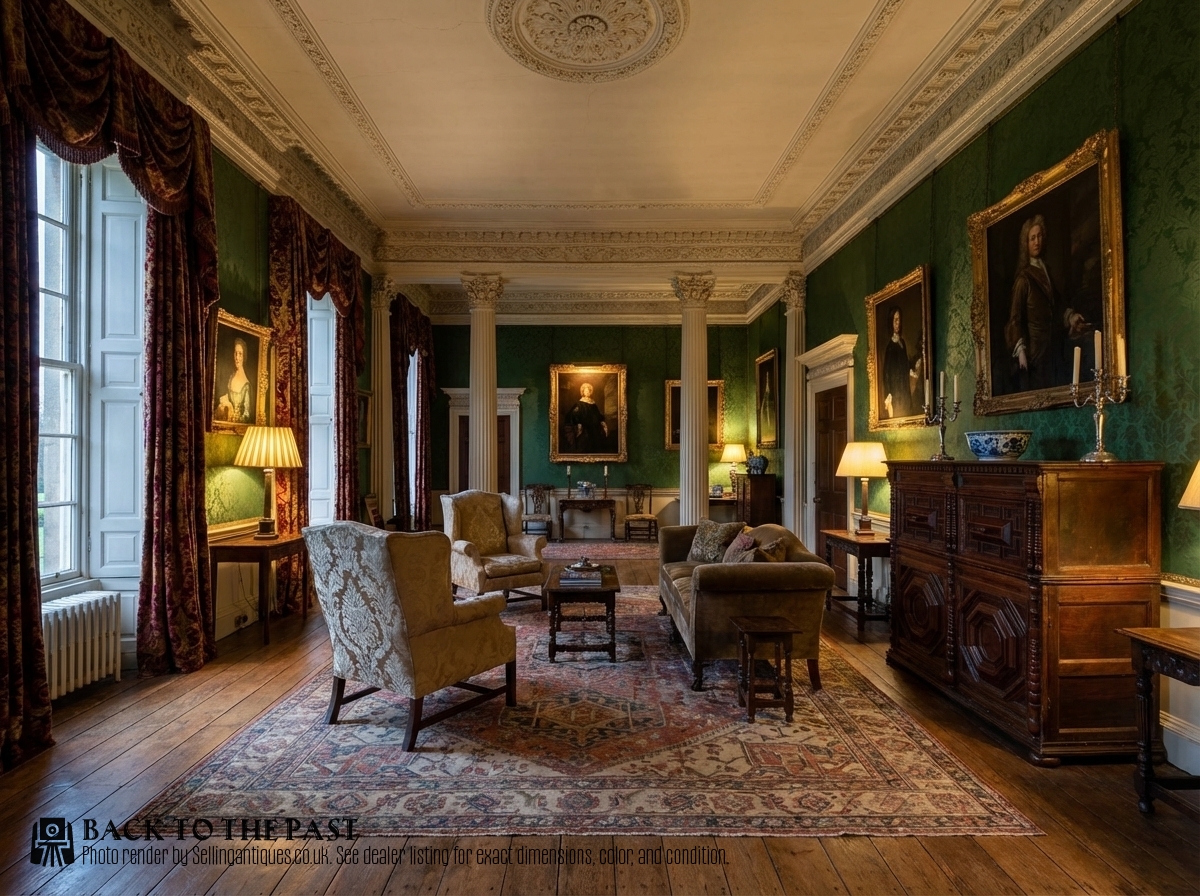
Moulded Front Chest
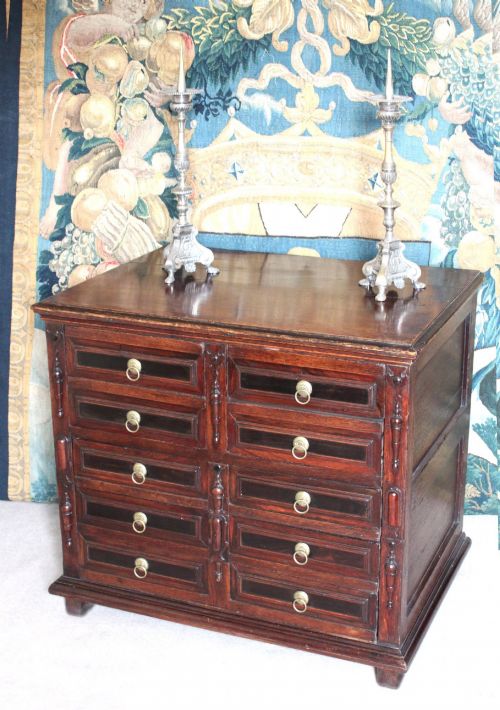
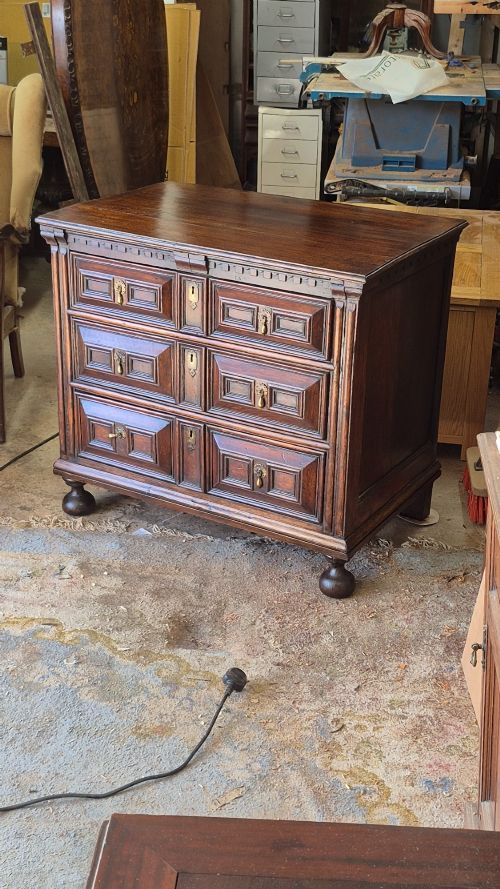
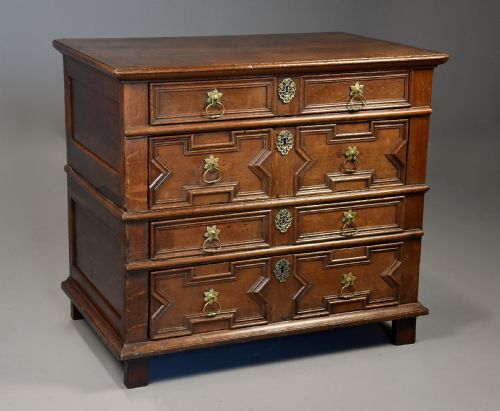
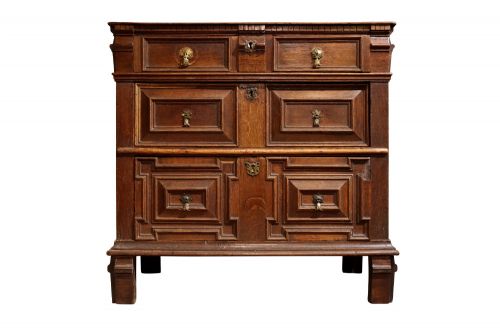
A moulded front chest is a practical storage piece defined by projecting geometric or linear mouldings applied to the drawer faces. When you search for this phrase, you find robust examples primarily rooted in the seventeenth and eighteenth centuries, alongside occasional later revivals.
The pieces appearing on this page span from the Charles II and Stuart eras through to the Georgian period. Oak forms the foundation of almost every example, complemented by regional variations such as French Provincial pieces.
Most items you encounter are chest of drawers configurations, though related forms such as desks, bureaux, and secretaires also appear. These vary from small proportions suitable for tight spaces to wider, four-drawer capacities.
How They Were Made
Cabinet makers built these chests using solid timber construction, predominantly oak, joined with traditional framing and panel techniques. Drawer fronts received applied geometric mouldings to create texture and depth across the facade.
Decorative embellishments often included contrasting secondary timbers such as snakewood, fruitwood, and walnut for inlay work. Iron and brass hardware, including drop handles and escutcheons, completed the assembly.
Listings for this phrase focus heavily on seventeenth and eighteenth century oak, with occasional walnut and fruitwood examples appearing alongside.
What Varies in Quality
Quality rests in the crispness of the applied mouldings and the integrity of the timber framing. Pieces exhibiting complex geometric arrangements and well-preserved secondary wood inlays sit at the upper end of the range.
The condition of the surface finish and the retention of original elements, such as bun feet and metal hardware, heavily influence the standing of an individual chest. Greater care in original construction yields superior structural longevity.
The Moulded Front Chest Glossary
- Geometric moulding
- Applied wooden strips shaped into repeating patterns such as mitred rectangles and octagons on drawer fronts. This technique defined much of the ornamentation during the seventeenth century.
- Patina
- The surface sheen and colour developed by wood over centuries of handling and exposure to light. A faded patina indicates natural ageing without harsh chemical stripping.
- Bun foot
- A spherical or compressed ball foot often turned from wood, frequently seen supporting late seventeenth century case pieces. It elevates the body slightly off the floor.
- Secretaire
- A cabinet or chest incorporating a fitted writing drawer with a drop-down front. It combines storage with a compact writing surface.
Moulded Front Chest: Frequently Asked Questions
What is a moulded front chest?
A moulded front chest is a drawer-based storage furniture piece featuring geometric wooden mouldings applied to the drawer faces. These architectural details create depth and shadow across the front elevation.
Most surviving examples date from the seventeenth and eighteenth centuries and are constructed primarily from solid oak.
How do I date a moulded front chest?
Dating relies on observing construction methods, timber choices, and stylistic markers such as moulding complexity and foot style. Seventeenth century pieces often display geometric panel moulding and pegged framing.
Later eighteenth century versions frequently introduce softer serpentine shapes or different primary woods like fruitwood and walnut alongside traditional oak.
Were these chests used in bedrooms?
These chests served multiple domestic functions for storing clothing, linens, and valuable household documents. Their robust construction suited them for prominent reception rooms as well as private chambers.
Smaller variants provided versatile storage options where floor space was limited.
How do I care for an antique oak chest?
Protect the wood by maintaining stable humidity levels away from direct heat sources and strong sunlight. Regular dusting with a dry, soft cloth preserves the historic surface.
Applying microcrystalline wax occasionally helps nourish the timber without building up heavy residues.