





Moonlit Landscape Artwork
Moonlit landscape artwork captures the quiet drama of night, offering collectors evocative scenes painted in oil, watercolour, and ink across the nineteenth and twentieth centuries.
Moonlit Landscape Artwork
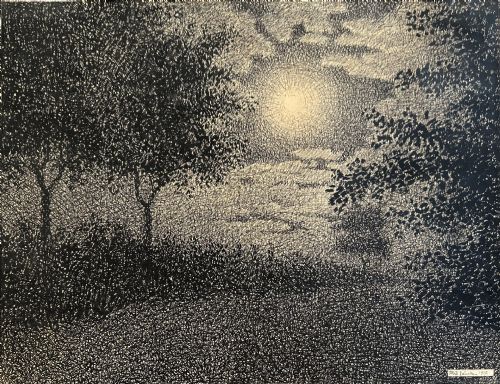
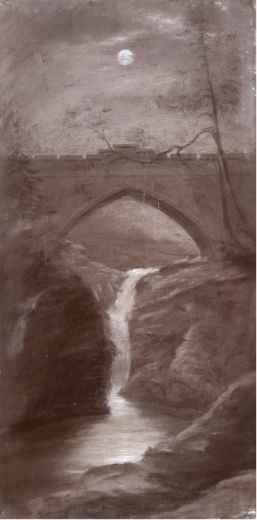
Moonlit landscape artwork encompasses oils on canvas, watercolours, and charcoal paintings depicting nocturnal rivers, castles, and seascapes. These works span the nineteenth century through to the mid-twentieth century, capturing night scenes in varied British and European locales.
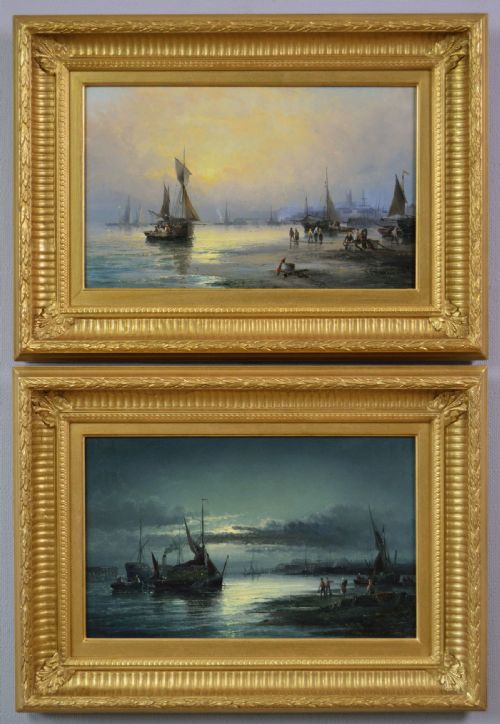
The version most frequently met on this page is the nineteenth-century or early twentieth-century oil painting on canvas, often portraying maritime subjects or highland lochs under moonlight. Such pieces draw on Victorian nocturnal and impressionist traditions.
How they were made
Artists built these compositions primarily using oil paint on canvas or board, applying pigments to render the subtle interplay of shadow and moonlight. Watercolour and ink upon paper appear alongside charcoal on canvas, demonstrating the varied handling of dark tones.
Framing often incorporates wood finished with gilt, serving to isolate and enhance the nocturnal palette of the painted surface.
Several artists clearly painted by the light of day while dreaming of the moon.
What varies in quality
Quality rests in the handling of light and atmosphere, distinguishing works with profound depth in the night sky from those with static contrast. The fluency of brushwork across water and architecture dictates the visual weight of each piece.
Attribution to documented painters or recognised schools elevates certain canvases, whereas anonymous school works rely entirely upon the strength of their tonal execution.
William Manners·Thomas Bush Hardy·George Cole·Hubert Thornley·Walter Meegan·Henri Joseph Harpignies
The Moonlit Landscape Artwork Glossary
- Nocturne
- A painting depicting a night scene or evening atmosphere. This term is frequently associated with Victorian interpretations of moonlight.
- Impressionism
- A style emphasising the accurate depiction of light in its changing qualities. Works here show mid-century and maritime variations of this approach.
- Gilt
- A gold leaf or gold paint application used on wooden frames. It provides a reflective border that complements dark compositions.
- Works on paper
- Art created using mediums such as watercolour, ink, or charcoal on a paper support. These pieces offer intimate nocturnal studies.
Moonlit Landscape Artwork: Frequently Asked Questions
What subjects appear in moonlit landscape artwork?
These works feature nocturnal views of the sea, rivers, castles, and country lanes under moonlight. Common motifs include shipping vessels, highland lochs, and street scenes.
Artists across the nineteenth and twentieth centuries utilised these subjects to explore the dramatic tonal contrasts between shadow and lunar illumination.
How do I date an antique moonlit painting?
Dating relies on the materials used, framing styles, and recorded signatures or dates within the evidence. Nineteenth-century works often exhibit traditional Victorian framing and handling.
Twentieth-century pieces tend toward impressionist or mid-century techniques, reflecting the evolving aesthetics of the period.
Where should I hang a night landscape?
These artworks suit rooms with controlled lighting where the deep tones and gilt frames can be appreciated. Placing them away from direct sunlight preserves the canvas and pigments.
Pairing smaller watercolours with larger oils creates visual balance across a gallery wall.
What is the difference between an oil and a watercolour nocturne?
Oils on canvas allow for thick pigment application and rich layering, creating heavy atmospheric depth in the night sky. Watercolours on paper offer a lighter, more translucent rendering of moonlight.
Both mediums capture nocturnal effects but achieve their tonal contrasts through distinctly different techniques.