




Monochrome Wood Engraving
Monochrome wood engraving works of art bring historic portraiture and architectural plates into interiors using ink on paper.
Monochrome Wood Engraving
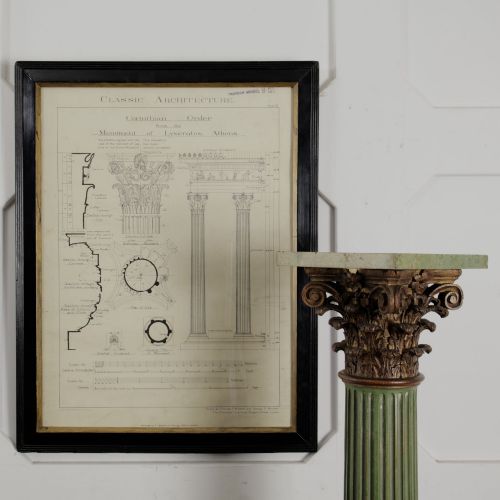
Monochrome wood engraving pieces include framed prints, wall art, and architectural plates that span the seventeenth century through to the early twentieth century.
Buyers encounter framed examples produced across British and continental European traditions, incorporating materials such as wood, glass, and gold leaf.
Materials and production methods
Works utilise ink applied to paper sheets, housed behind glass within timber and gold leaf frames.
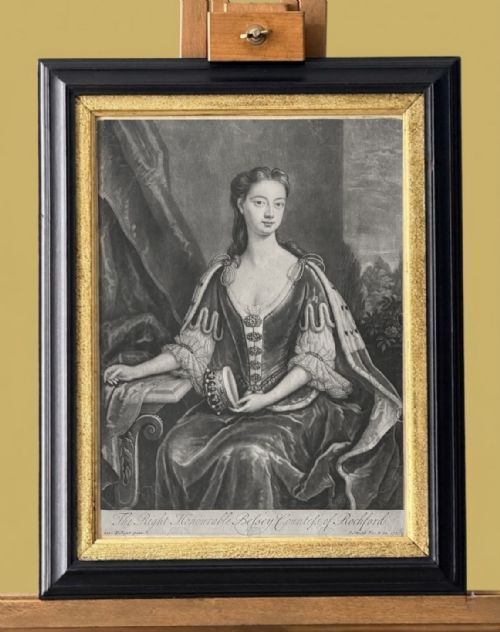
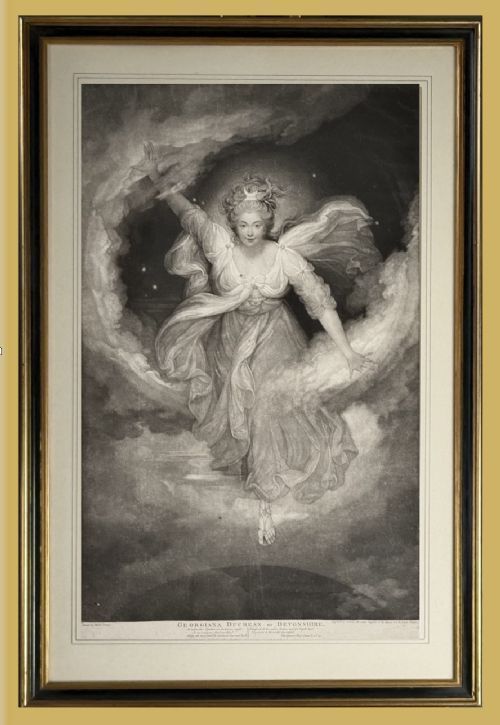
Printmaking techniques encompass copper engraving, mezzotint, etching, and plate printing executed by hand or specialised press work.
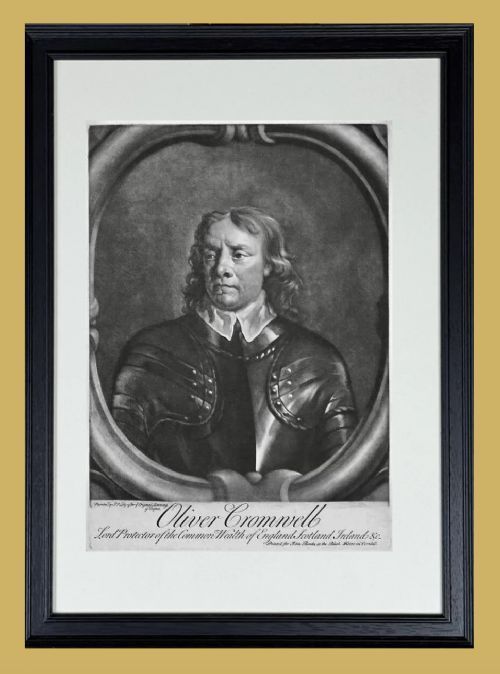
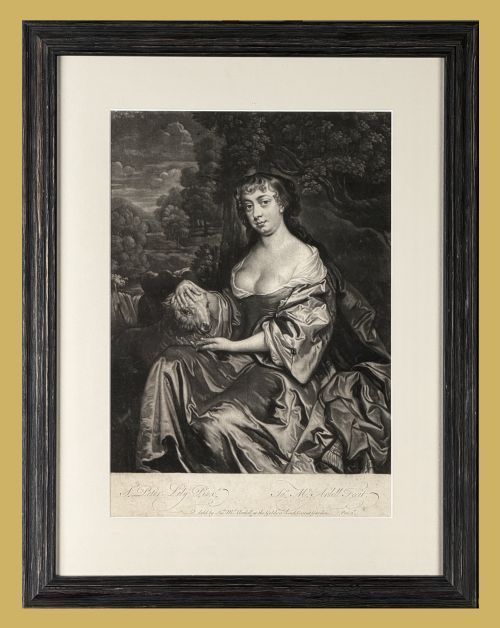
Several portraits capture notable historical figures, bringing centuries-old gazes directly into modern rooms.
Distinctions in quality
Quality rests upon the crispness of the ink impression and the fidelity of the print to the original painted or architectural source.
The integrity of the accompanying period frame and the preservation of the paper substrate further determine the standing of each piece.
John Bowles·John Smith·Valentine Green·James Macardell·Thomas G Appleton·Adolphe Pannemaker·Francesco Piranesi·Antonio Capellan·Alessandro Mocchetti
The Monochrome Wood Engraving Glossary
- Mezzotint
- A printmaking process of the tonal engraving category that allows smooth gradations of light and shade.
- Engraving
- A method of cutting a design onto a working plate, usually copper or wood, to hold ink for printing.
- Etching
- A technique where acid bites lines into a metal plate to hold the ink for the printed image.
- Plate
- A flat sheet of metal or wood prepared to carry the inked design for transfer to paper.
Monochrome Wood Engraving: Frequently Asked Questions
How should I hang these framed prints?
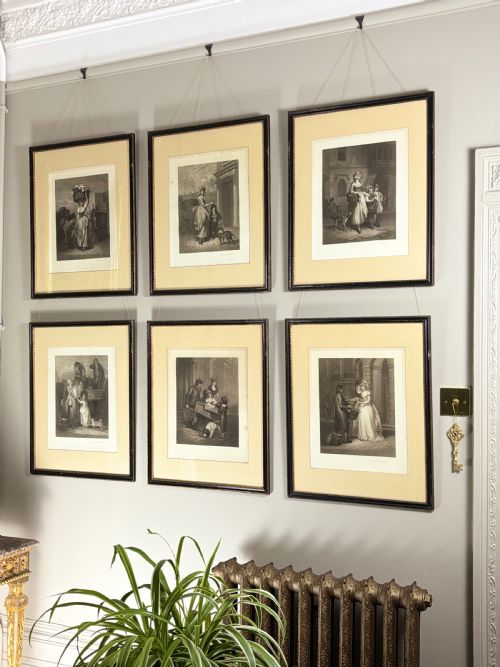
Keep framed paper works away from direct sunlight to prevent fading of the ink and paper over time.
Ensure wall fixings match the weight of the timber and glass frames.
What periods do these prints represent?
The listings encompass works from the seventeenth, eighteenth, and nineteenth centuries, extending into the early twentieth century.
Stylistic influences range from Baroque and Neoclassical to Victorian and Georgian designs.
Are original frames common?
Many examples retain period timber or gold leaf frames that complement the date of the artwork.
Framing styles reflect the aesthetic preferences of the era in which the print was published.
What subjects appear in the artwork?
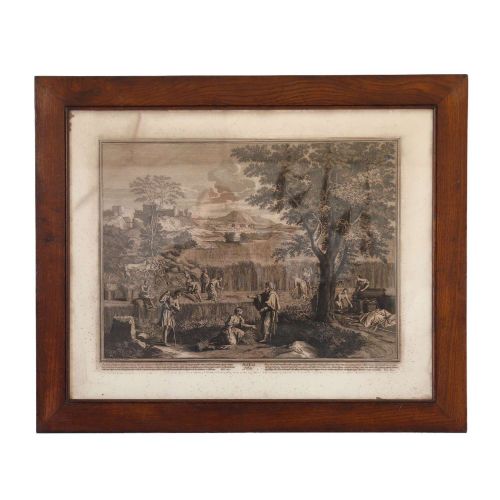
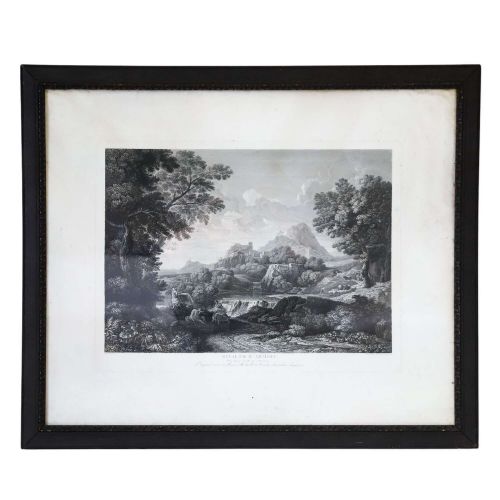
Subjects include historic portraits, architectural plates, hunting scenes, and narrative compositions after classical masters.
Works document figures from British and European history alongside biblical and mythological themes.