




Monochrome Pencil Portrait Drawing
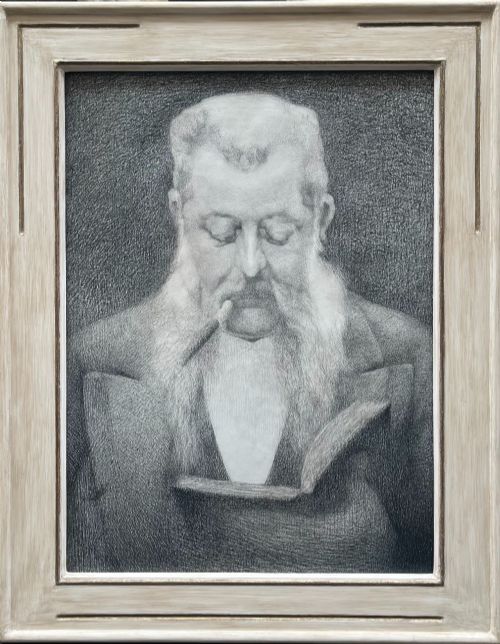
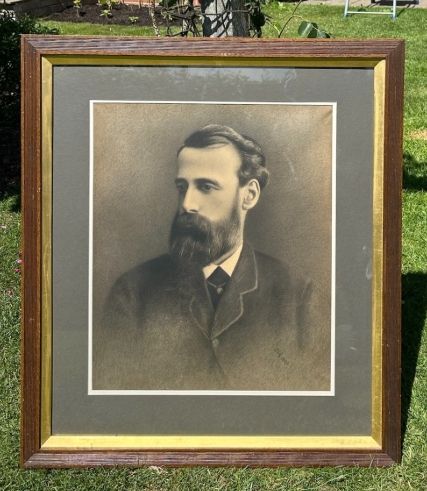
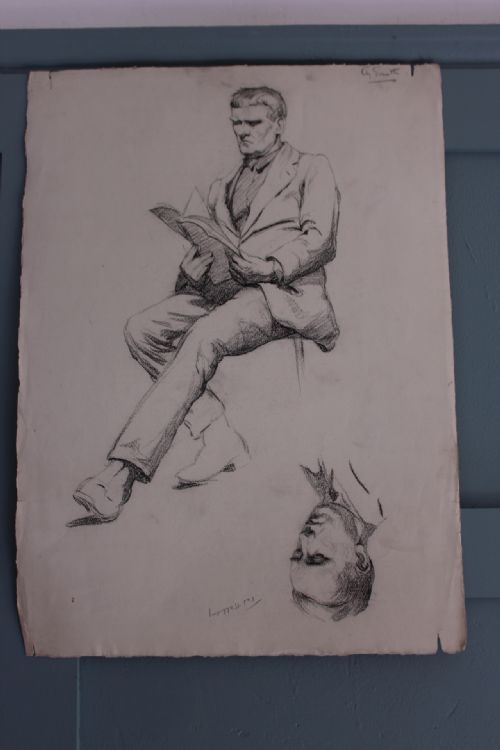
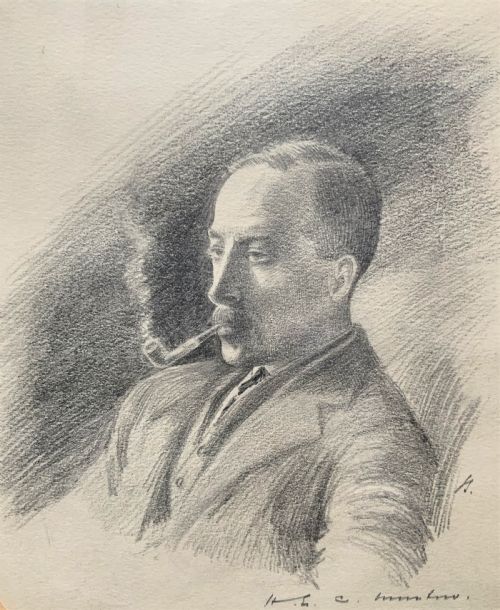
Monochrome pencil portrait drawing works on paper capture faces from centuries past with direct graphite and charcoal marks.
Monochrome Pencil Portrait Drawing
A monochrome pencil portrait drawing captures likenesses on paper using graphite, charcoal, and occasionally plumbago or watercolour wash. These works appear in forms ranging from small portrait miniatures and studio studies to framed fine art drawings.
The selection spans eras from the Georgian period through Victorian, Edwardian, and mid-century modernist movements. Subjects include gentlemen, ladies, explorers, and artists rendered by various international schools.
Framed artwork typically arrives behind glass within wooden, giltwood, or gesso frames. Buyers encounter both signed original sheets and anonymous studio drawings from the nineteenth and twentieth centuries.
How they were made
Artists executed these works primarily with graphite pencil, charcoal, and plumbago on paper or canvas surfaces. The application of dry media allowed for subtle tonal gradations and sharp contour lines.
Protection came from framing beneath glass, often housed in gilded timber moulding or gesso frames designed to preserve the delicate paper underneath.
One explorer is noted specifically as a bio-pirate, immortalised in graphite alongside quiet studio portraits of school girls and gentlemen.
What varies in quality
The degree of anatomical precision and expressive handling separates standard studio exercises from accomplished academic or modernist works. Draughtsmanship reveals the artist's ability to capture character and proportion with minimal media.
Preservation of the paper and the integrity of the original frame influence the overall character of the piece. Clean sheets without excessive foxing retain the intended visual contrast of the monochrome medium.
John Taylor·J D Fergusson·Augustus Edwin John·Charles Prosper Sainton·Faeq Hassan·Ernest Borough Johnson·Francis Dodd·Cecil CP Lawson
The Monochrome Pencil Portrait Drawing Glossary
- Plumbago
- An early form of graphite drawing often used for highly detailed miniature portraits. The term derives from the Latin for lead ore.
- Graphite
- A form of carbon used as the core writing and drawing material in pencils. It yields grey and silver tones across paper.
- Gesso
- A plaster-like mixture applied to wooden frames before gilding or painting. It provides a smooth base for decorative surface treatments.
- Symbolist
- An artistic movement focusing on metaphorical images and inner emotional experiences rather than strict realism. Works from this circle emphasise mood and atmosphere.
- Charcoal
- A porous form of burnt carbon used for swift, expressive marks and deep black tones. It creates softer lines than hard graphite.
Monochrome Pencil Portrait Drawing: Frequently Asked Questions
How should I hang a paper drawing?
Keep framed drawings out of direct sunlight to prevent the paper from yellowing and the graphite from fading over time.
Maintain stable indoor humidity levels to protect both the paper support and the historical wooden frame from warping.
What is plumbago?
Plumbago refers to early graphite drawings, particularly popular in the eighteenth century for precise and delicate portrait miniatures.
These pieces typically display a characteristic silvery-grey sheen distinct from modern pencil work.
How do I identify an Edwardian portrait?
Edwardian drawings often reflect the fashion and softer aesthetic prevalent in the early twentieth century before the First World War.
Clothing styles, hairstyles, and framing materials help distinguish these pieces from Victorian or later modernist works.
Are these works signed?
Certain sheets bear artist signatures, studio stamps, or inscriptions identifying the sitter and the date of creation.
Unsigned studio drawings frequently rely on stylistic markers, paper types, and framing style to suggest a period.