


Framed Figurative Drawing
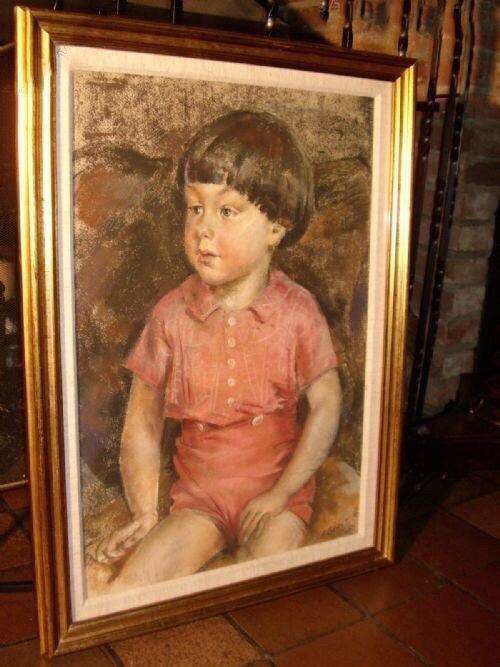
A framed figurative drawing captures the human form through direct draftsmanship preserved beneath glass in a traditional wood surround.
Framed Figurative Drawing
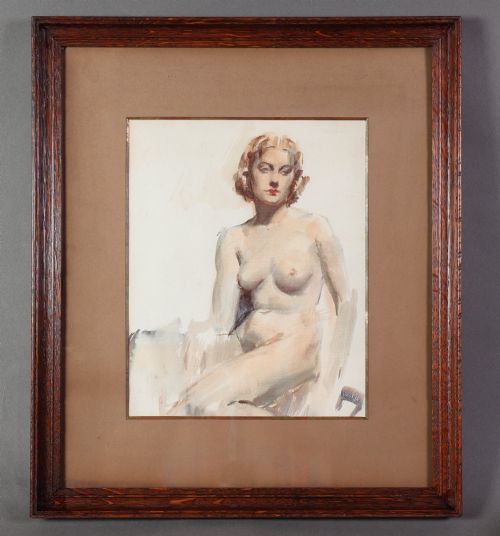
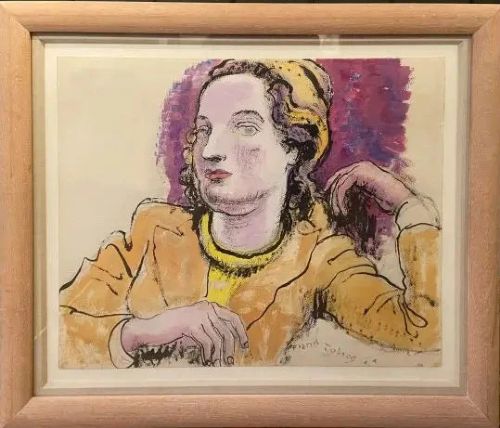
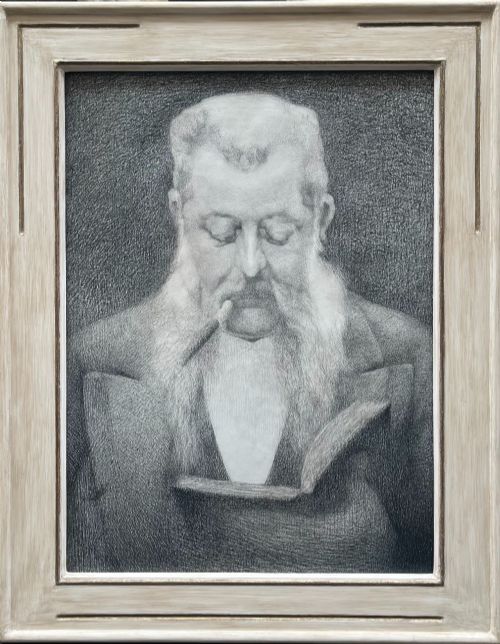
A framed figurative drawing represents the human body, portraits, or character studies captured directly through manual draughtsmanship. These works emerge from several distinct eras, spanning mid-nineteenth century studies through to mid-twentieth century modernism. The selection frequently includes nude life studies, classical portraiture, and avant-garde character sketches.
Buyers encounter works originating from British, French, Irish, and African schools, reflecting academic rigour alongside freer post-impressionist or cubist impulses. The pieces arrive mounted under glass within period or complementary wooden frames, preserving the vulnerable paper surfaces from atmospheric degradation.
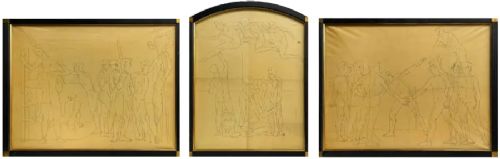
The documentation accompanying these works often attributes authorship to named academic artists or regional schools from the Edwardian era up to the nineteen-sixties. Formats range from intimate pencil sketches to large, expressive pastel and gouache compositions depicting dancers, sitters, and laborers.
Materials and Techniques
Artists executed these works primarily on paper using dry or liquid media such as graphite, charcoal, pastel, chalk, ink, and watercolour. Paper supports required careful handling and mounting to prevent the warping of delicate cellulose fibres over decades of display.
Protective framing utilises traditional wood mouldings paired with glass panels to shield the fugitive pigments of charcoal and pastel from dust and moisture. Pastels and chalks frequently demand fixed surfaces or secure glazing to prevent the gentle displacement of loose particulate matter.
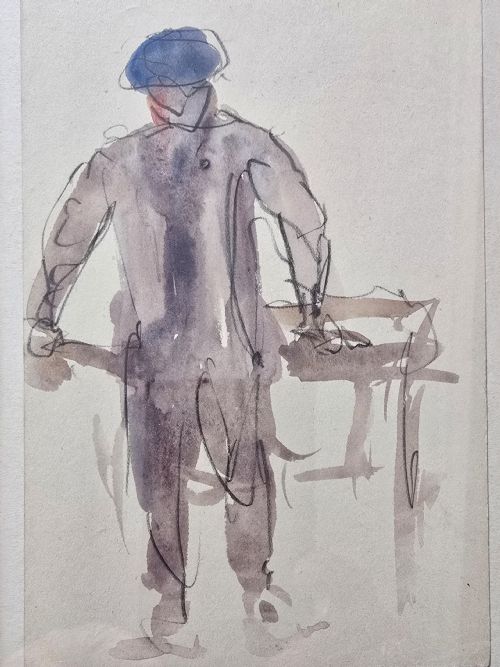
Techniques vary from tight academic realism showing precise tonal graduation to rapid gestural marks seen in avant-garde and mid-century modern interpretations. Masters of the medium exploited the absorbent qualities of paper to let ink washes and watercolour bleed or pool expressively.
Several drawings preserve the hurried studio atmosphere of the past, occasionally featuring stray thumbprints or stray charcoal dust left behind by the artist.
Quality Variations
The calibre of a framed figurative drawing rests upon the surety of the artist's line and the psychological depth captured in the subject's expression. Superior examples demonstrate an economy of stroke where every mark defines form and volume without hesitation or excessive correction.
Conservation and original condition critically divide the standard of available works, particularly concerning foxing, paper discoloration, and fading of fugitive pastel pigments. The integrity of the early mounting materials and the retention of the original or period-appropriate wood frame contribute significantly to historical authenticity.
Frank Dobson·James Stroudley·Augustus Edwin John·Raoul Millais·Lucien Freud·Pablo Picasso·Kees van Dongen·Yves Brayer·Gaston Bouy·Sonia Lawson
The Framed Figurative Drawing Glossary
- Pastel
- A dry painting medium consisting of powdered pigment and a binder rolled into sticks. It produces velvety surfaces with rich colour intensity that require glass protection.
- Charcoal
- Burnished vine or willow wood used to create deep black, smudgable lines. It serves primarily for rapid gesture drawing and dramatic tonal life studies.
- Gouache
- An opaque water-based paint featuring larger pigment particles and a binding agent like gum arabic. It allows artists to apply bright highlights over darker watercolour or ink washes.
- Provenance
- The documented history of ownership of an artwork. A traceable lineage enhances the historical value and authenticity of a signed sheet.
- Academic Realism
- A style of painting and drawing produced under the influence of European academies of art. It emphasises precise anatomical accuracy, polished finish, and classical proportions.
Framed Figurative Drawing: Frequently Asked Questions
How should I hang a framed figurative drawing?
Hang these works away from direct sunlight to protect delicate paper supports and fugitive media like pastel and watercolour from fading. Ensure the room maintains stable humidity levels to prevent the paper from warping inside the frame.
Position the drawing at eye level on a neutral wall where interior lighting can be angled safely. Heavy wooden frames require secure wall fixings suited to the weight of the glass and backing board.
What is the difference between pastel and charcoal?
Charcoal utilises burnt wood to produce monochrome black and grey tones focused on line, shadow, and structural form. It is the traditional medium for rapid life studies and anatomical practice.
Pastel introduces coloured pigments bound into sticks, allowing artists to blend hues directly on the paper surface. This medium yields painterly results that combine the precision of drawing with the rich palette of painting.
How do I identify the period of a drawing?
Examine the framing materials, backing boards, and any handwritten inscriptions or gallery labels preserved on the reverse of the work. Older papers often exhibit natural ageing characteristics such as uniform toning or watermark patterns specific to nineteenth-century mills.
Stylistic cues also reveal the era, moving from the strict academic realism of the Victorian and Edwardian periods to the looser abstraction of mid-century modernism. Signatures can be cross-referenced against historical artist registries and exhibition records.
Can I remove the drawing from its frame?
Opening vintage or antique frames risks damaging the fragile paper, historic mounts, and original seals that protect the artwork from environmental pollutants. Many older frames form an integral part of the piece's historical context and aesthetic presentation.
If inspection or conservation is necessary, consult a professional paper conservator rather than attempting to unpick old tapes or rusted fixings yourself.