


Monochrome Ink Sketch
A monochrome ink sketch captures line and shadow with direct economy, offering collectors intimate glimpses of landscapes, portraits, and historical scenes drawn across centuries.
Monochrome Ink Sketch
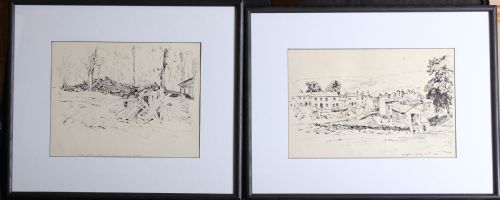
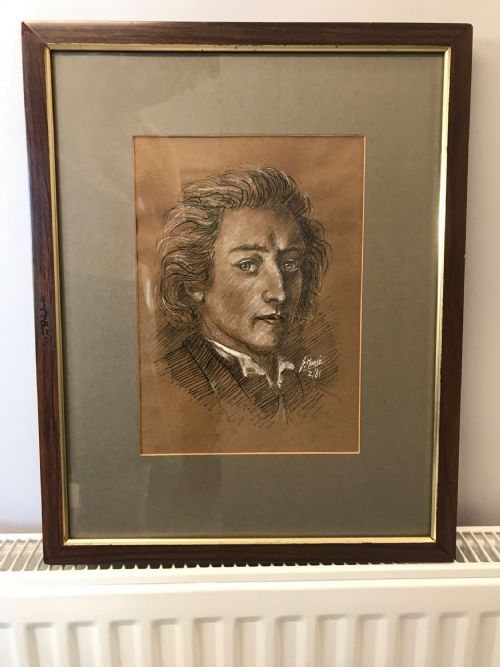
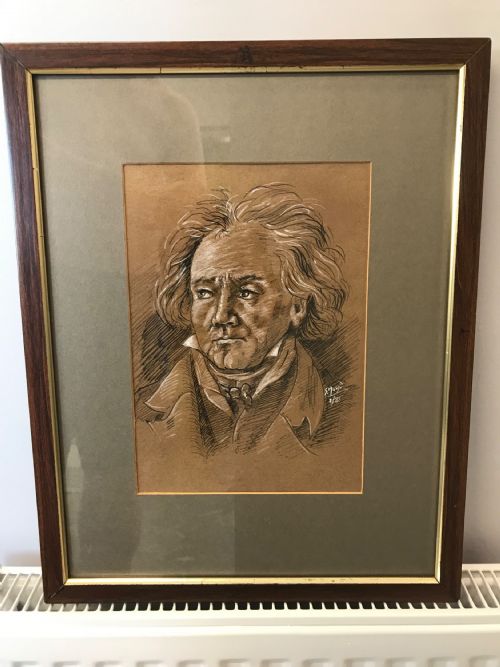
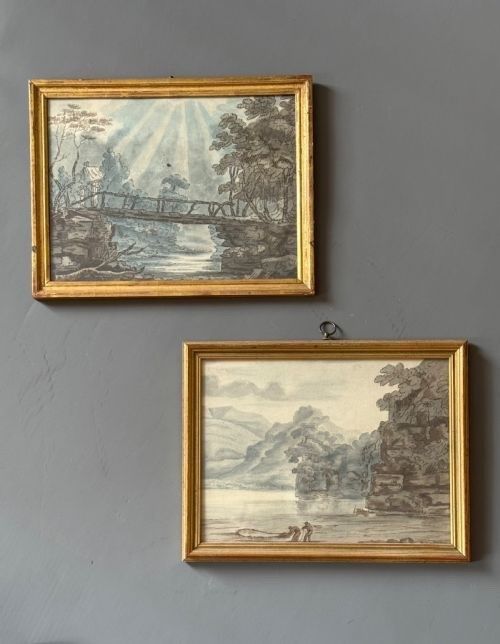
A monochrome ink sketch brings together original drawings rendered primarily in dark tones, spanning portraits, battle scenes, architectural studies, and sweeping countryside views. These works range from Georgian landscapes to twentieth-century modernist nudes and satirical illustrations.
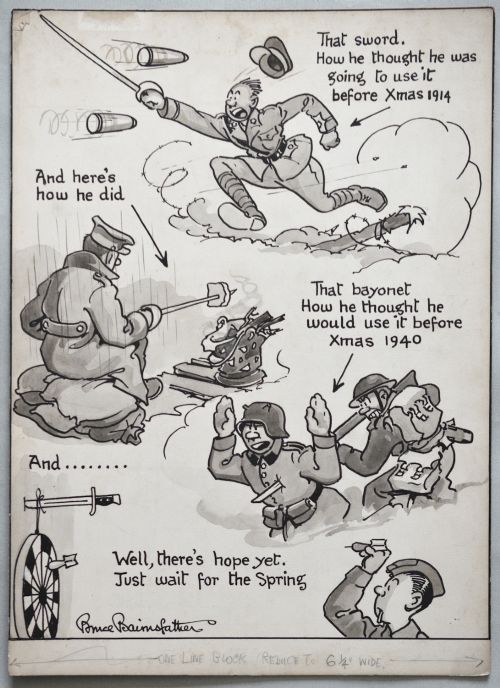
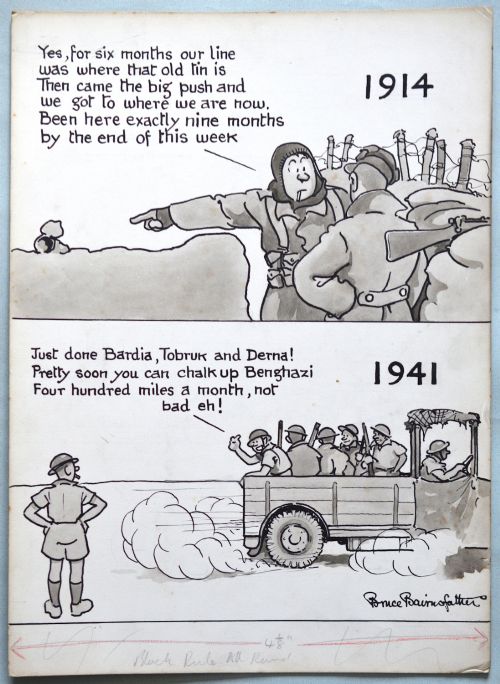
Collectors frequently encounter framed works on paper originating from the eighteenth and nineteenth centuries, alongside mid-twentieth-century examples by named artists such as Fred Lawson and Bruce Bairnsfather. The selection leans heavily toward British draughtsmanship, featuring topographical scenes and narrative compositions.
Subjects stretch from detailed architectural renderings of abbeys and castles to expressive character studies and theatrical portraits. Each piece operates as a direct record of the draughtsman's hand, preserved behind glass within wooden frames.
Materials and technique
Artists executed these works primarily with pen and ink applied to paper, often combining graphite underdrawings with fluid ink lines to establish form and contour. Many pieces integrate grey or sepia washes to build tonal depth and shadow.
Gouache and watercolour frequently appear alongside the ink to highlight specific areas or provide subtle colour accents within an otherwise monochromatic scheme. The finished works are typically housed in period wood frames, occasionally protected by glass.
Materials recorded across the selection include iron gall or carbon ink, gouache, wash, graphite, and antique wood frames.
Assessing quality
Quality rests upon the confidence of the line and the precision of the draughtsmanship, separating hastily composed studies from masterfully executed original drawings. The deft handling of wash and shadow determines how successfully the monochrome palette conveys atmosphere and three-dimensional form.
The significance of the subject matter and the documented attribution to a known hand elevate certain works above anonymous topographical records. Preservation of the paper sheet and the integrity of the original framing also influence the standing of an individual piece.
Bruce Bairnsfather·William Marshall Craig·Fred Lawson·Edward Dayes·John Duncan Fergusson·Peter Tillemans·Thomas Monro·Thomas Lound
The Monochrome Ink Sketch Glossary
- Wash
- A thin, transparent layer of diluted ink or watercolour applied to paper to create smooth tonal gradations and shadows. It gives monochrome drawings their atmospheric depth.
- Gouache
- An opaque water-based paint used to add highlights and solid areas of tone over an ink drawing. It provides a dense contrast to translucent ink lines.
- Draughtsmanship
- The skill and technique of making drawings, particularly those involving precise lines and observational accuracy. It forms the core measure of an artist's capability in ink works.
- Topographical
- Depicting specific real-world locations, buildings, or landscapes with a degree of geographical accuracy. These drawings served as visual records before the widespread use of photography.
Monochrome Ink Sketch: Frequently Asked Questions
What is a monochrome ink sketch?
A monochrome ink sketch is an original artwork created primarily with black or brown ink on paper, using single-colour tones to define subjects ranging from landscapes to portraits.
These drawings rely on line, cross-hatching, and tonal washes rather than full colour to build form and light.
How should I frame and display these drawings?
Works on paper require careful protection from direct sunlight to prevent the ink and paper stock from fading over time. Displaying them away from moisture in stable indoor environments helps preserve the delicate materials.
Many pieces arrive in period wood frames which can be maintained as they are, provided the backing offers adequate support.
How do I date an old ink sketch?
Dating relies on stylistic clues, paper characteristics, framing methods, and any inscriptions or signatures left by the artist. Comparing the subject matter and costume details with historical periods helps narrow down the decade of creation.
Archival records or attributions noted on the reverse of the frame often provide further chronological context.
What subjects are most common in these drawings?
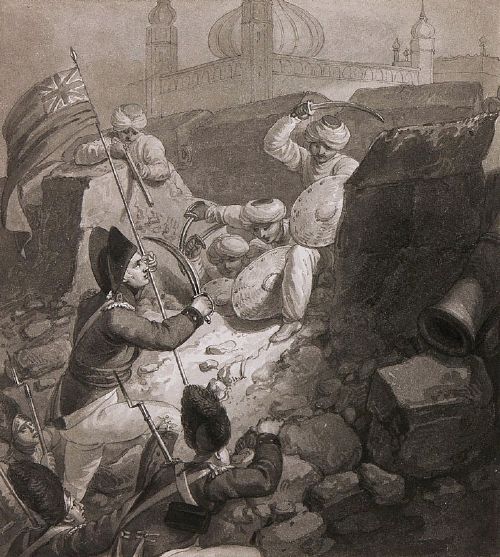
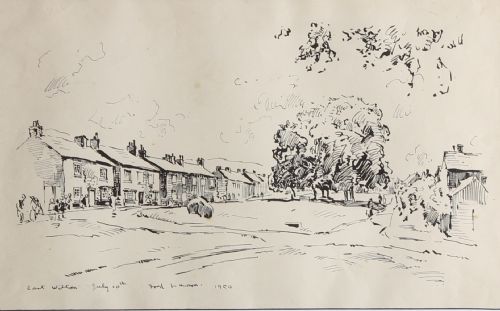
British landscape views, architectural studies of castles and abbeys, and historical battle scenes frequently appear among older examples. Portraiture and modernist figure studies emerge more prominently in twentieth-century pieces.
Illustrative works and satirical drawings also form a distinct category within the wider selection.