

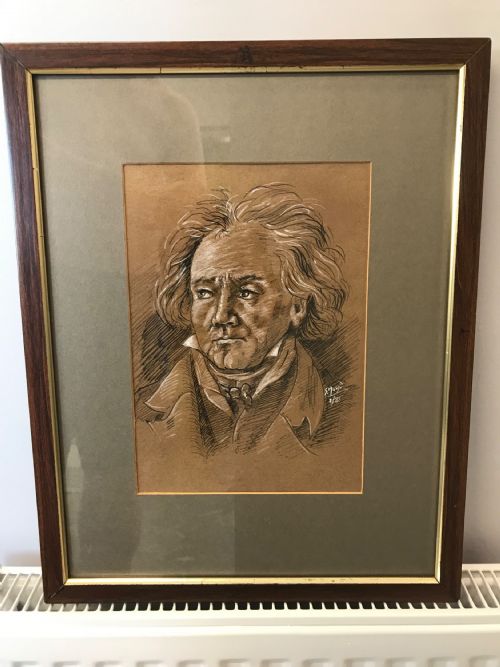


Monochrome Ink Original Drawing
A monochrome ink original drawing offers direct insight into an artist's hand, capturing form and shadow with immediate economy.
Monochrome Ink Original Drawing
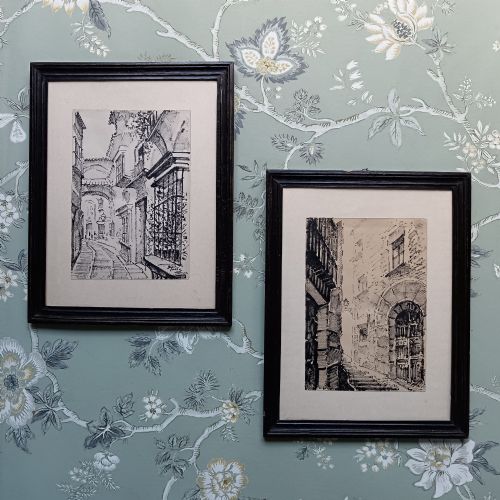
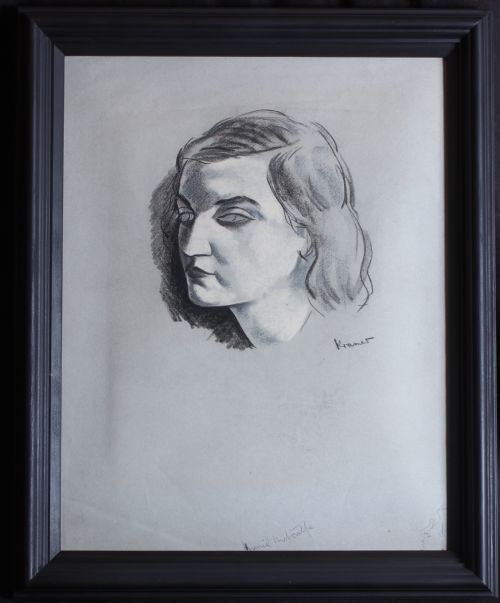
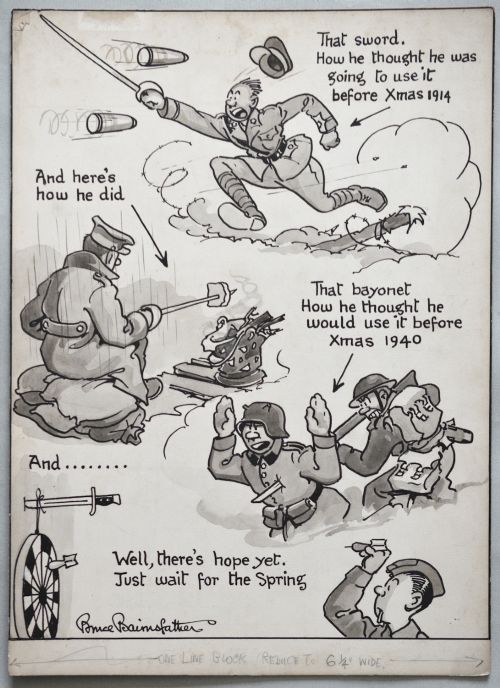
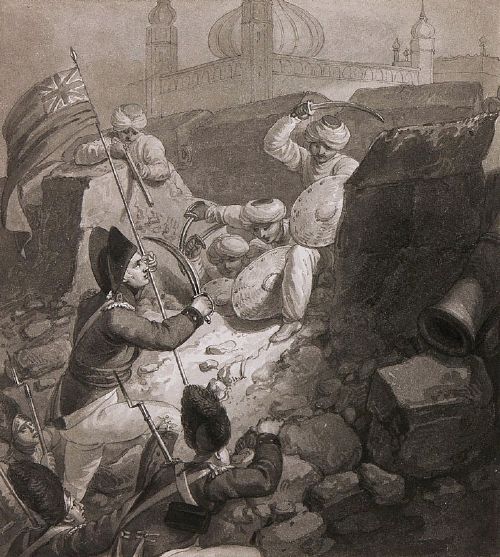
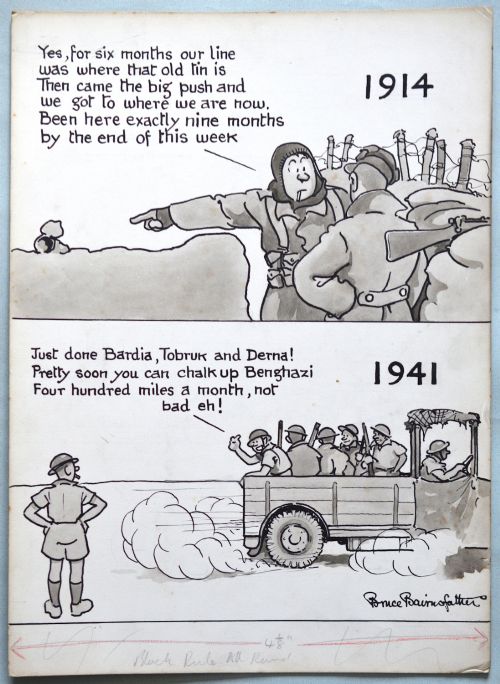
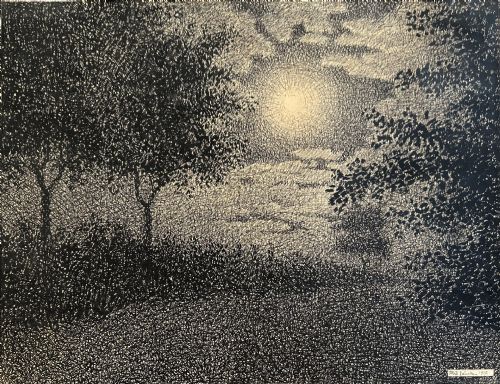
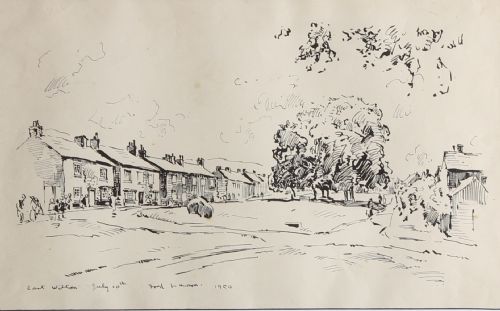
A monochrome ink original drawing represents a distinct category of works on paper spanning from the eighteenth century through to the mid-twentieth century. Buyers searching for a monochrome ink original drawing encounter diverse subject matter, ranging from satirical illustrations and topographical landscapes to architectural studies and anatomical sketches.
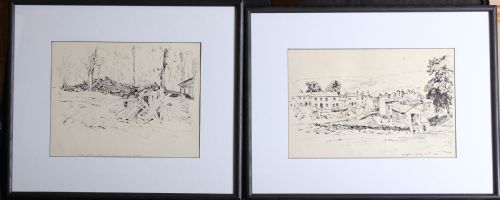
The pieces on this page include Georgian historical scenes, nineteenth-century battle and church compositions, and twentieth-century British landscapes. Formats vary from individual framed works and pairs to book illustrations, executed by named artists and anonymous hands alike.
Stylistically, these works cross multiple periods including Gothic Revival, Edwardian, Art Deco, and Modernist movements. The predominant format remains original framed artwork designed for wall display, preserving the direct application of ink on paper.
Materials and construction
These works rely fundamentally upon paper supports combined with fluid black or sepia ink media. Artists frequently reinforced linear ink work with washes of grey or brown watercolour, graphite underdrawing, and occasional touches of gouache for highlights.
Framing materials typically comprise period wood and glass to protect fragile works on paper from environmental degradation. The application of pen, wash, and brush requires precise control directly onto the paper surface without opportunity for correction.
Listings span from the eighteenth century to the mid-twentieth century, recording works on paper in ink, wash, and graphite.
Factors determining quality
Quality in a monochrome ink original drawing rests upon the sureness of the line and the expressive use of tone and wash. Masterful control over contrast creates depth and atmosphere using only minimal pigments.
Condition of the paper and stability of the ink significantly influence desirability. Strong provenance, legible signatures, and contemporary framing that preserves the sheet without acidic transfer elevate certain examples above standard archival pieces.
Bruce Bairnsfather·William Marshall Craig·Fred Lawson·Stanley Orchart·Edward Dayes·John Duncan Fergusson·Owen Bowen·Arthur E Gonne
The Monochrome Ink Original Drawing Glossary
- Wash
- A technique where diluted ink or watercolour is applied in thin, translucent layers to create tonal gradations and shadow. This method provides depth behind crisp pen lines.
- Sepia ink
- A brown pigment traditionally derived from the ink sac of the cuttlefish, widely utilised in historical drawings. It gives warm, earthy tones distinct from carbon black.
- Gouache
- An opaque water-based paint used by artists to add highlights and solid areas of light over ink and wash drawings. It creates sharp contrast against transparent monochrome washes.
- Works on paper
- A broad category encompassing drawings, watercolours, prints, and sketches executed upon paper supports. These items require protection behind glass to prevent light damage.
- Provenance
- The documented history of ownership of an artwork, establishing its authenticity and chain of custody. A clear record adds historical context to signed pieces.
Monochrome Ink Original Drawing: Frequently Asked Questions
How do I care for an ink drawing?
Keep works on paper away from direct sunlight and high humidity to prevent fading and foxing.
Ensure framing uses acid-free mounts and conservation glass for long-term preservation.
What is the difference between pen and wash?
Pen work provides the sharp, defining lines and intricate details of the composition.
Wash supplies the atmospheric shadows and tonal depth through diluted liquid pigment.
Are all these drawings signed?
Many pieces feature artist signatures, initials, or contemporary attributions recorded in the title.
Unsigned works from various historical schools rely on stylistic markers and period context for identification.
How are these artworks usually displayed?
Most pieces arrive in period wood frames under protective glass ready for wall mounting.
Framing protects the delicate paper and water-soluble media from accidental physical contact.