

Monochrome Etching Art
Monochrome etching art brings together centuries of inked impressions on paper, offering collectors a window into historical printmaking through intimate black and white compositions.
Monochrome Etching Art
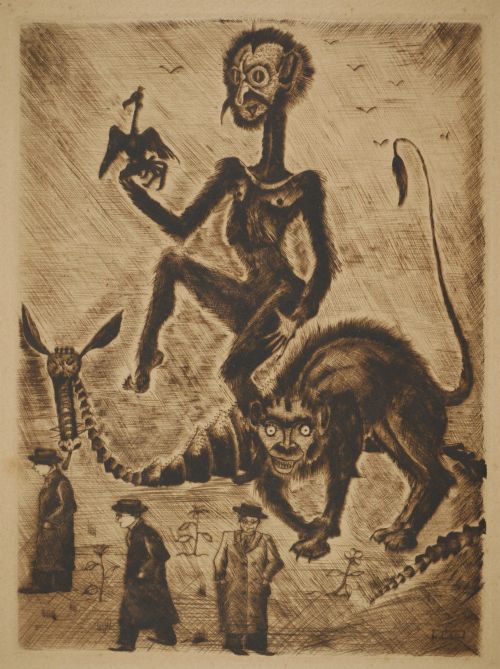
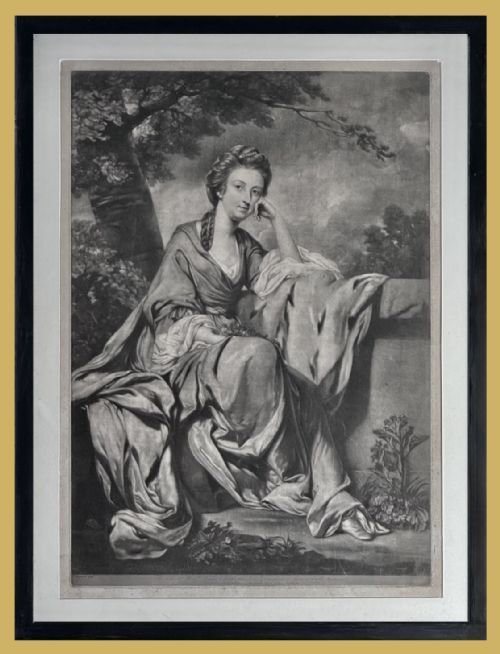
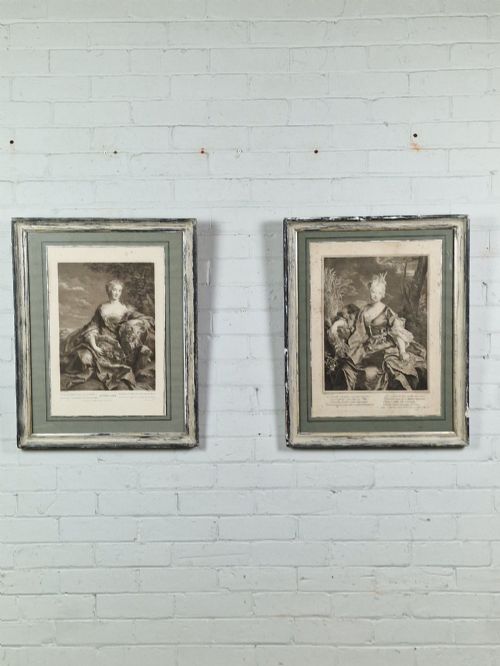
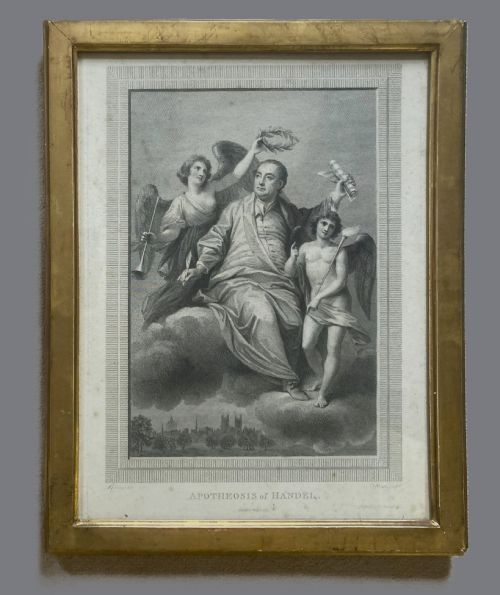
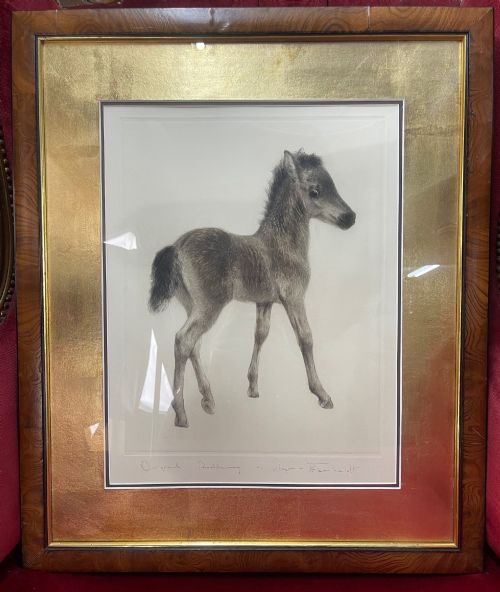
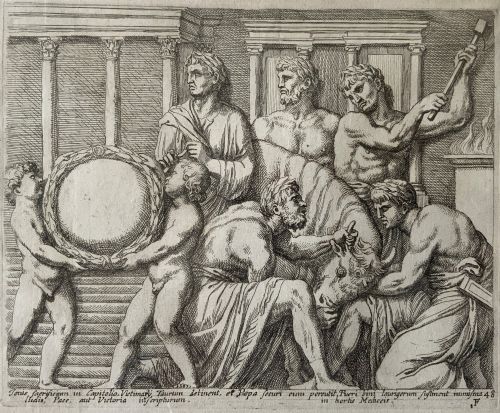
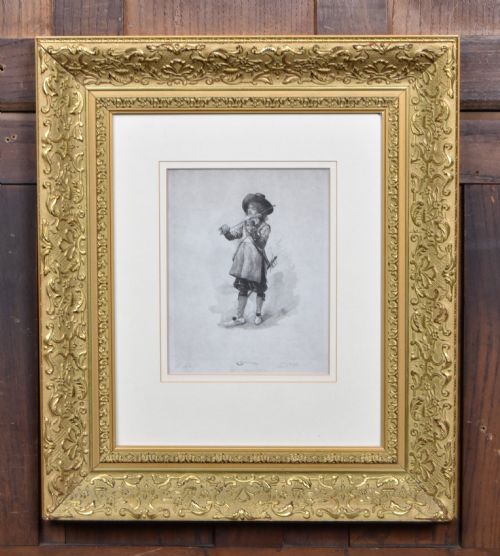
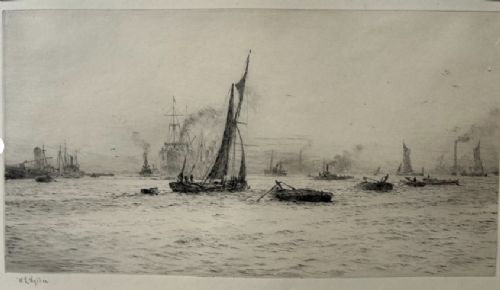
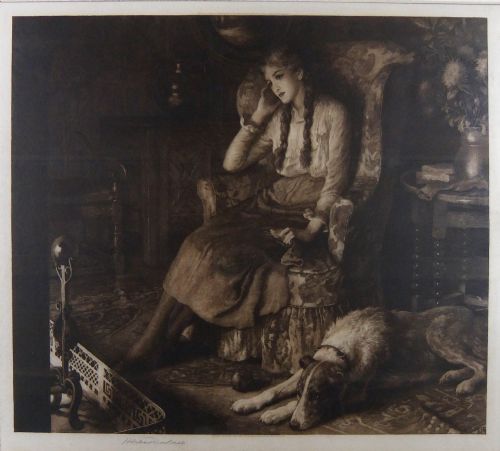
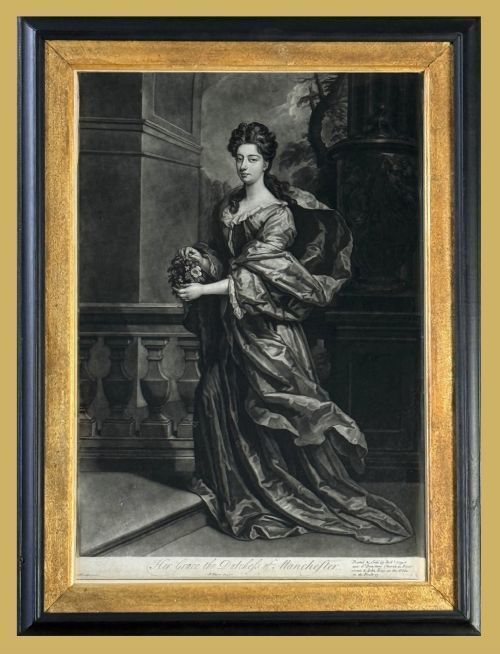
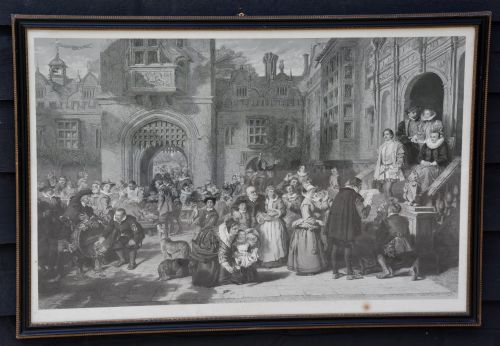
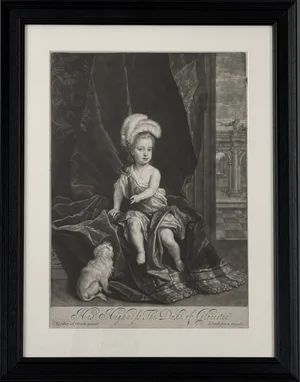
When buyers search for monochrome etching art, they encounter a diverse range of works spanning from the seventeenth century through to the early twentieth century. These pieces primarily manifest as framed prints, engravings, and original etchings executed in stark black and white or sepia tones. The selection encompasses detailed portraits, classical antiquities, and animal studies from periods including the Georgian, Victorian, and Edwardian eras.
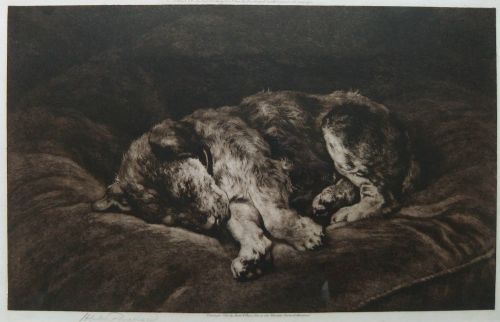
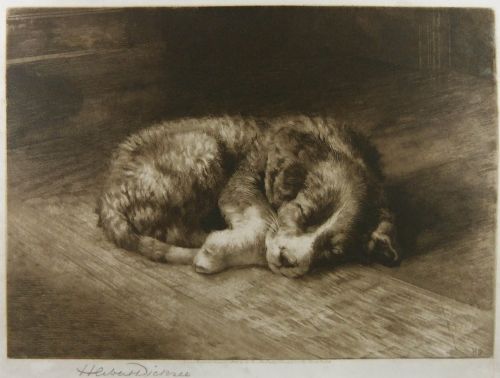
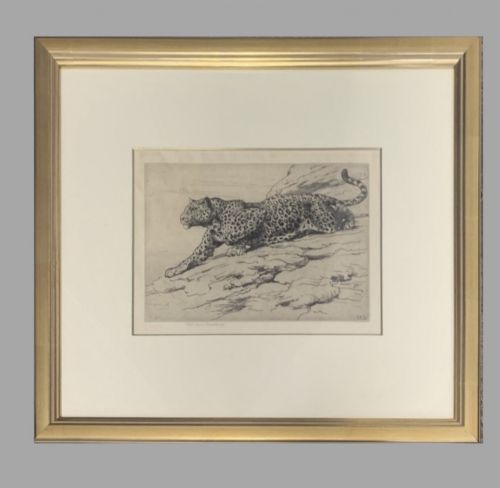
The most common examples on this page are early twentieth-century artist proofs and nineteenth-century historical engravings. Works by printmakers such as Herbert Dicksee sit alongside eighteenth-century mezzotints and seventeenth-century classical scenes. Buyers meet everything from large decorative wall prints to intimate pencil-signed plates housed in period wooden frames.
Materials and technique in monochrome prints
The foundation of these works relies on paper or vellum as the primary surface to receive the inked impression. Printers applied dark ink into etched or engraved lines on metal plates before pressing the design onto the sheet under considerable pressure.
Framing materials play an essential role in preserving these works, utilising oak, gilt wood, and glass to protect the delicate paper surfaces. Original frames, including Hogarth mouldings, frequently accompany the older pieces from the seventeenth and eighteenth centuries.
The selection includes animal studies by Herbert Dicksee alongside classical scenes after Poussin.
Distinctions in quality and execution
The distinction between standard decorative prints and superior collector pieces rests on the presence of artist signatures in pencil and the designation of limited edition proofs. Early impressions pulled directly from the metal plate display sharper line definition and deeper ink saturation compared to later or posthumous reprints.
The integrity of the paper support and the retention of the original period frame heavily influence the standing of an individual piece. Works accompanied by documented provenance or published by reputable galleries command greater attention from serious collectors.
Kurt Lorein Victor Peiser·Edward Fisher·James Heath·Kurt Meyer Eberhardt·François Perrier·William Lionel Wyllie·John Faber Jr·John Smith·E L Riepenhausen·Adolphe Pannemaker·W Roffe·Francesco Piranesi·William Hogarth·Antonio Capellan·Augustus Edwin John·Claes Jansz Visscher
The Monochrome Etching Art Glossary
- Etching
- A printmaking technique where a metal plate is covered with a waxy ground, drawn through with a sharp needle to expose the metal, and then submerged in acid to bite the lines before printing. This process allows for fluid, expressive lines that mimic freehand drawing.
- Engraving
- A method of cutting design lines directly into a metal plate using a hardened steel tool called a burin without the use of acid. The resulting lines are exceptionally crisp and clean.
- Mezzotint
- A tonal printmaking process where the metal plate is roughened uniformly across its surface with a rocker to produce solid black areas, then scraped and burnished to create lighter tones and highlights.
- Drypoint
- A printmaking process where the artist scratches directly into the metal plate with a sharp needle, raising a jagged ridge of metal called a burr that holds extra ink for a velvety line.
- Artist Proof
- An impression of a print taken before the final edition is produced, typically retained by the artist for personal inspection and often pencil-signed.
Monochrome Etching Art: Frequently Asked Questions
What is an original etching?
An original etching is a print where the artist personally created the design on the metal plate and oversaw or executed the printing process. These works carry the distinct physical impression of the plate edge on the paper.
Unlike photographic reproductions, every line holds a microscopic ridge of ink transferred directly from the incised metal during the press run.
How do I care for antique prints?
Antique paper requires protection from direct sunlight and high humidity to prevent fading and foxing spots over time. Keeping the works behind glass with acid-free backing materials ensures the paper remains stable.
Original wooden frames should be dusted gently without liquid cleaners to preserve the historic finish and integrity of the wood.
Are all antique engravings signed?
Most works created before the late nineteenth century bear printed attribution lettering on the plate itself rather than a handwritten signature. Master engravers routinely inscribed the names of the original painter, the draftsman, and the printmaker directly beneath the image.
Handwritten pencil signatures only became standard practice for limited edition artist proofs towards the end of the Victorian era.
What is a mezzotint portrait?
A mezzotint is a specialised tonal engraving method that produces rich, velvety gradients of dark and light without relying on traditional line work. Eighteenth-century publishers frequently utilised this technique to translate grand oil paintings into dramatic domestic portraits.
These plates require immense labour to roughen and smooth, making fine historical examples particularly valued for their tonal depth.