


Monochrome Equestrian Print
A monochrome equestrian print brings horses and riders to your walls through ink on paper, captured in styles from the seventeenth to the twentieth century.
Monochrome Equestrian Print
A monochrome equestrian print captures horses and hunting scenes through ink, etching, and engraving on paper, spanning periods from the seventeenth to the twentieth century. These works range from large nineteenth century framed pieces of hunts at Haddon Hall to eighteenth century French engravings of landscape hunting scenes.
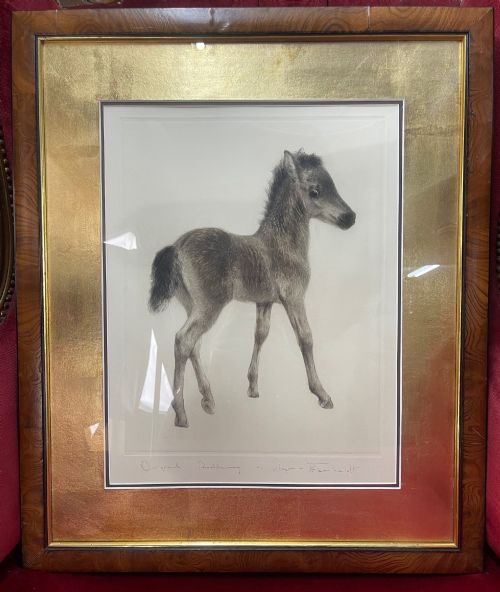
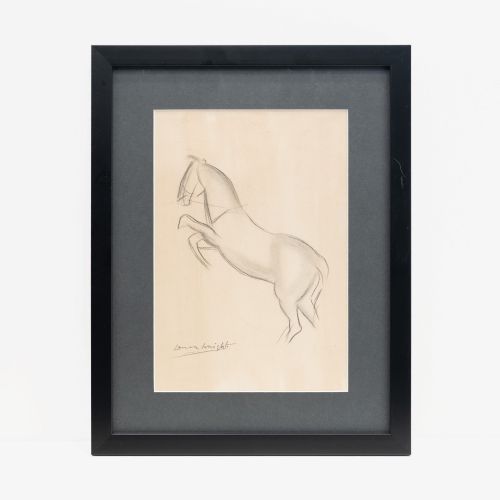
You will encounter framed art and etchings featuring subjects like the rearing horse by Dame Laura Knight or original drypoints of foals by Kurt Meyer-Eberhardt. The selection includes delicate pen and ink battle scenes alongside early twentieth century horse brass rubbings.
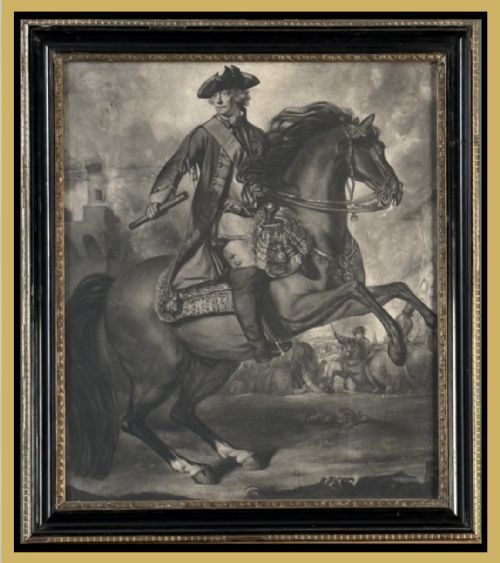
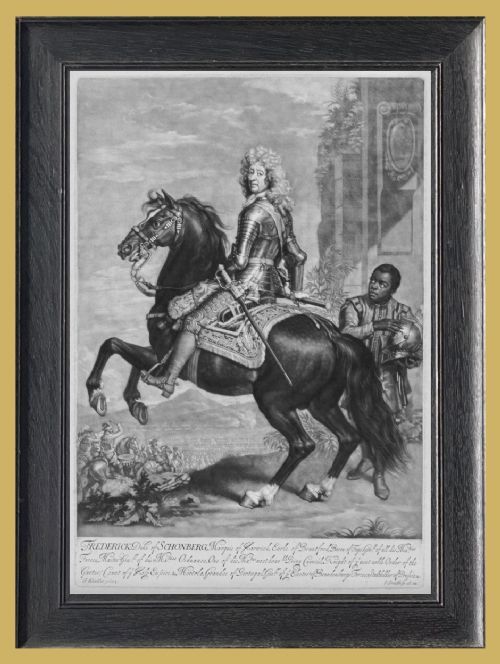
Mezzotint portraits of military figures on horseback also appear, alongside antique engravings of horses from the nineteenth century. Each piece relies on monochrome tones to emphasise the form and movement of the animal.
Materials and methods
Makers utilised paper as the primary surface for ink, graphite, and etching, often enclosing the works behind glass within wood or giltwood frames. Some pieces incorporate gold leaf and gilt to accentuate the surrounding frame.
Printmakers applied techniques such as mezzotint, drypoint, and engraving to transfer detailed lines and tonal depths onto the paper. These methods allowed artists like Edward Fisher and John Smith to render rich contrasts using black ink.
Listings span from the seventeenth century to the 1930s, featuring paper, ink, wood, and giltwood.
Measures of quality
Quality rests upon the clarity of the lines and the preservation of the paper beneath the glass. Fine impressions show sharp detail in the horse's musculature and the rider's expression without blurring or fading of the ink.
The sophistication of the framing, utilising wood and giltwood, complements the age of the paper. Works by documented artists and printmakers command attention through precise execution and enduring composition.
Edward Fisher·Sir Joshua Reynolds·John Smith·Sir Godfrey Kneller·Kurt Meyer-Eberhardt·Dame Laura Knight·Herbert Dicksee·C de Falens
The Monochrome Equestrian Print Glossary
- Drypoint
- A printmaking process where an image is scratched directly onto a metal plate with a hard needle. This technique creates a rich, velvety line due to the burr raised on the metal.
- Mezzotint
- A printmaking method of the intaglio family where the plate is roughened uniformly to produce dark tones. Lighter areas are scraped away to achieve gradations of light and shadow.
- Etching
- A process in which strong acid is used to cut into the unprotected parts of a metal surface to create a design in intaglio. The resulting plate holds ink to be transferred to paper.
- Engraving
- The practice of incising a design onto a hard, usually flat surface by cutting grooves into it. This creates clean, precise lines that define the subject.
- Brass rubbing
- An impression taken by placing paper over a brass plaque and rubbing it with graphite or ink. This records the engraved image onto the paper surface.
Monochrome Equestrian Print: Frequently Asked Questions
What is a monochrome equestrian print?
It is a work on paper depicting horses, riders, or hunting scenes using single-colour ink, graphite, or etching techniques. These pieces span multiple centuries and include various printmaking methods.
They are typically framed under glass within wood or giltwood surrounds, ready for display on domestic walls.
How do I date an antique horse print?
Dating relies on the style of the engraving, the watermark and quality of the paper, and the framing materials used. Seventeenth and eighteenth-century works often feature distinct portraiture styles and laid paper.
Twentieth-century pieces, such as drypoints or rubbings, exhibit modern artistic sensibilities and different paper textures.
Where should I hang these prints?
These works suit studies, hallways, or living rooms where their detailed linework can be appreciated up close. Keep them away from direct sunlight to protect the paper and ink from fading.
Pairing them with traditional wooden interiors or neutral walls allows the monochrome tones to stand out clearly.
What subjects appear in these artworks?
The subjects range from racing foals and rearing horses to extensive hunting scenes and military battle compositions. Portraits of notable figures on horseback also feature prominently.
Each subject highlights the cultural and historical significance of horses in art across different eras.