


Monochrome Architectural Print
A monochrome architectural print brings the grand scale of classical and gothic design directly to the wall with sharp ink and stark paper.
What these prints are
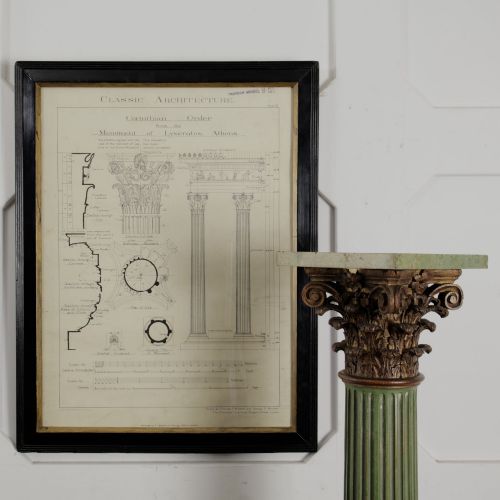
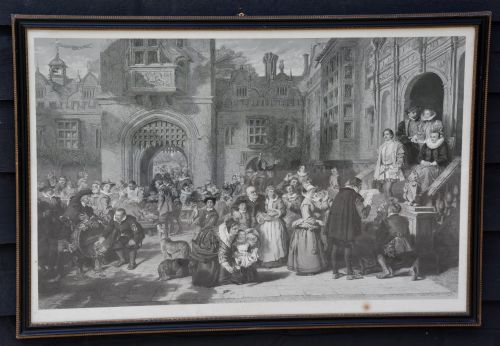
A monochrome architectural print captures buildings, ruins, and classical facades in stark black and white ink on paper. These works range from grand eighteenth century plates depicting antiquities to twentieth century etchings of historic English halls and doorways.
The selections span traditional British, Neoclassical, Edwardian, and Gothic Revival styles, reflecting the enduring fascination with historic structures. Pieces originate from periods including the eighteenth century, the nineteenth century, and nineteen fifty, offering varied interpretations of built form.
How they were made
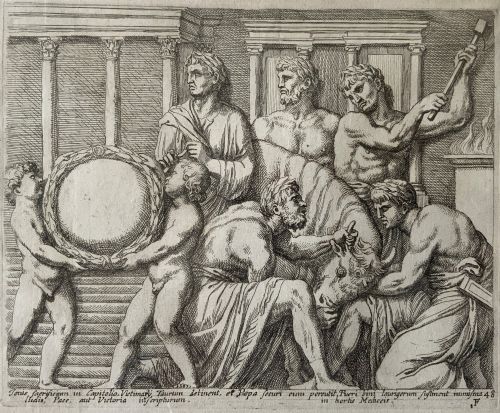
Makers produced these works using ink on paper, often employing etching or engraving techniques to achieve fine lines and deep contrast. Plates record intricate details of stonework, arches, and ornamental facades through precise manual incisions.
Many examples are preserved behind glass within wood frames, occasionally incorporating gold leaf to accent the surround. The combination of paper, ink, and traditional framing protects the monochrome image from environmental wear.
Retail Price Guide 2026
Typical UK retail prices for monochrome architectural print, calculated from the Sellingantiques database of over a million retail prices indexed since 2003. This retail price guide relies exclusively on Sellingantiques data; no external sources or auction records are used, so the figures do not describe the wider market.
Even ancient Greek gods find themselves immortalized in stark black ink, keeping watch over centuries of domestic walls.
What varies in quality
Quality rests in the crispness of the ink line and the precision of the plate impression against the paper. Finer prints capture minute architectural details of stonework and relief carving with exceptional clarity, while lesser examples lose definition in shadowed areas.
The sophistication of the composition and the historical significance of the subject matter elevate certain works above others. Evidence of skilled hand-etching by named artists distinguishes superior plates from standard decorative reproductions.
The Monochrome Architectural Print Glossary
- Etching
- A printmaking process where acid bites lines into a metal plate to hold ink. This technique allows for expressive and detailed linework on paper.
- Engraving
- A method of cutting a design directly into a metal plate with a sharp tool called a burin. The resulting lines produce sharp, clean architectural details.
- Neoclassical
- A style drawing inspiration from the classical art and architecture of ancient Greece and Rome. It emphasises symmetry, columns, and monumental scale.
- Gothic Revival
- An architectural and artistic movement reviving medieval forms such as pointed arches and vaulted doorways. Works in this style focus on historic ecclesiastical and domestic buildings.
Frequently Asked Questions
How do I hang a framed print?
Secure the frame using appropriate wall fixings suited to the weight of the wood, glass, and paper. Hang the piece at eye level to properly appreciate the fine ink details.
Keep the print away from direct sunlight to prevent the paper from yellowing and the ink from fading over time.
Are these prints originals?
The selection includes original etchings and engravings produced in the eighteenth, nineteenth, and twentieth centuries. Each piece bears the distinct impression of the printing plate upon the paper.
Artists and printmakers created these works by hand using traditional press methods rather than modern digital reproduction.
What periods do these pieces span?
The available works cover a broad timeline ranging from the eighteenth century through the Victorian era and into the mid-twentieth century. Styles shift from neoclassical antiquities to gothic revival doorways and regional British halls.
This variety reflects changing tastes in architectural recording across several hundred years.
How should I clean the glass?
Apply a mild glass cleaner to a soft cloth rather than directly onto the framed surface. Wipe gently to avoid moisture seeping under the glass and damaging the paper.
Check that the wood frame remains dry during the cleaning process to preserve the finish.