


Monochrome Animal Artwork
Monochrome animal artwork captures the dramatic presence of beasts through ink, paper and etching, bringing striking realism and timeless character to any room.
Monochrome Animal Artwork
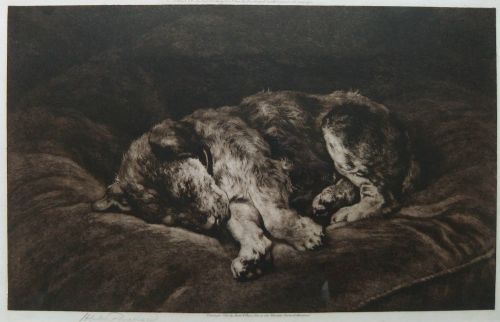
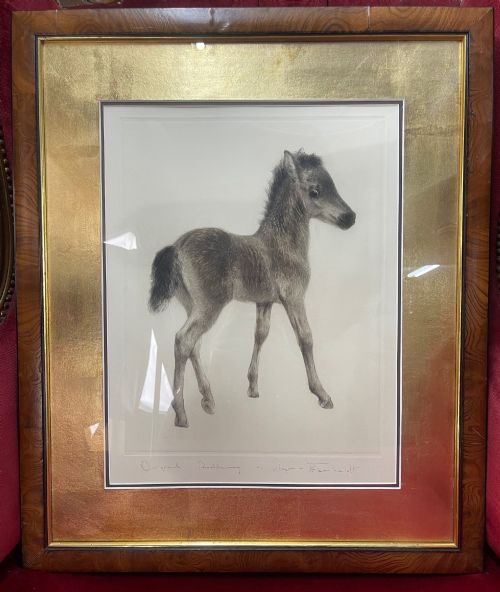
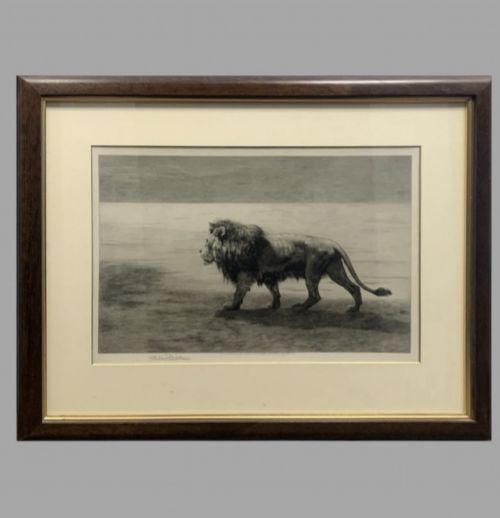
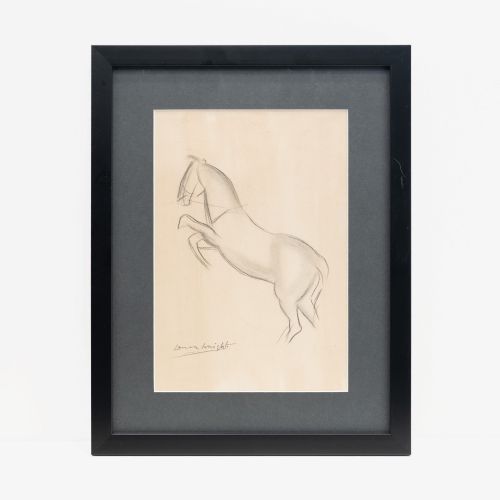
When you search for monochrome animal artwork, you encounter finely detailed prints, etchings and drawings executed in single-colour tones. These pieces focus purely on line, shadow and texture to portray wildlife, dogs and horses without the distraction of colour.
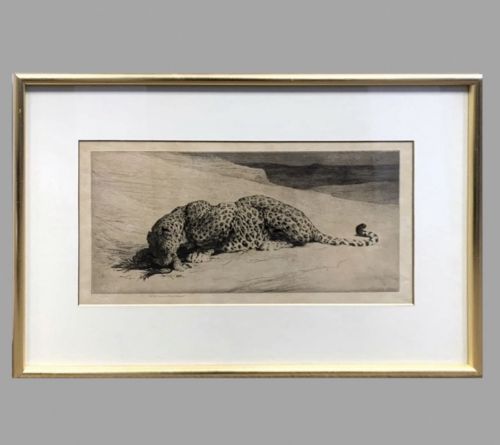
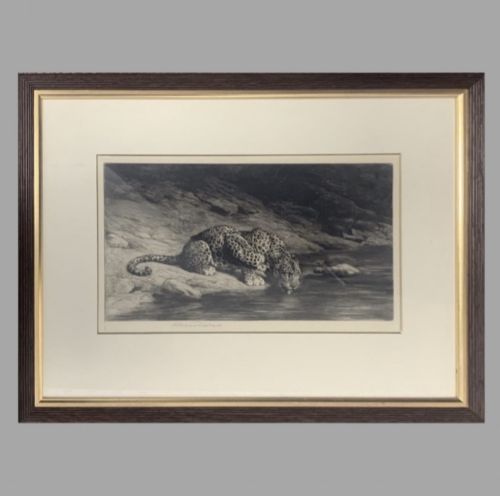
The selections available here range from Victorian Realism to twentieth-century modern British works. You will frequently find framed etchings and engravings created across the nineteenth and early twentieth centuries, capturing domestic animals and wild cats with remarkable precision.
Materials and techniques
Artists working in this field relied on paper, vellum and glass to support delicate applications of ink, graphite and charcoal. Printmakers utilised copper or steel plates to produce detailed etchings and drypoints, often working by hand to pull limited editions.
Framing materials such as wood, gilt wood and gold leaf frequently complete these works, protecting the fragile paper surfaces beneath glass. Each technique emphasises tone and contrast, allowing simple monochrome pigments to render fur, muscle and expression with great depth.
Listings feature works created across the nineteenth and twentieth centuries, spanning Edwardian, Victorian, and modern British styles.
Assessing quality and craftsmanship
Quality in these works rests upon the clarity of the line and the preservation of the paper or vellum surface. Strong impressions from the printing plate reveal finer details in the animal's coat, whereas worn plates yield softer, less distinct imagery.
The presence of artist signatures and limited edition proofs distinguishes standard prints from superior examples. Original framing and good preservation under glass also elevate a piece, ensuring the monochrome tones remain crisp and untnished by age.
Herbert Dicksee·Kurt Meyer-Eberhardt·Dame Laura Knight·Sir Edwin Landseer
The Monochrome Animal Artwork Glossary
- Etching
- A printmaking technique where lines are bitten into a metal plate with acid before being inked and pressed onto paper. This method allows for exceptionally fine and expressive detail.
- Drypoint
- A printmaking process where an artist scratches directly into a metal plate with a sharp needle, producing a rich, velvety burr on the printed line. It creates softer, darker lines than a traditional acid-bitten etching.
- Vellum
- A fine parchment prepared from calfskin, prized for its smooth surface and durability. Artists often used it as a premium alternative to paper for special print runs.
- Artist proof
- An early trial proof of a print kept by the artist for personal review or as part of a strictly limited edition. These impressions are typically among the sharpest and most desirable.
- Gilt wood
- Wood carved and coated with a thin layer of gold leaf or gold paint. It frequently appears on the frames enclosing these historical prints.
Monochrome Animal Artwork: Frequently Asked Questions
How do I care for monochrome animal artwork?
Keep these framed works away from direct sunlight to prevent the paper from yellowing and the ink from fading. Ensure the glass remains intact to protect the delicate charcoal, graphite or ink surfaces from moisture and dust.
Display them on interior walls with stable humidity and temperature levels. Proper framing preserves both the paper and any underlying vellum for decades.
What periods do these pieces come from?
The available selection spans the nineteenth and early twentieth centuries, including Victorian, Edwardian and early twentieth-century modern British periods. You will encounter works reflecting the shifting artistic styles of these decades.
Earlier pieces often lean towards Victorian Realism and traditional engravings, while later works embrace modernist printmaking techniques and refined drypoints.
What subjects are most common?
Animals form the core of these works, ranging from domestic dogs and bulldogs to powerful big cats like lions, leopards and tigers. Horses and foals also appear frequently in detailed etchings and paintings.
Artists focused on capturing the anatomical structure and distinct personality of each creature through careful tonal contrast and precise line work.
Are these works original prints?
Many listings feature original etchings, drypoints and artist proofs pulled directly from plates created by the artist. These are distinct from modern photographic reproductions because they involve manual printmaking processes.
Signatures and limited edition markings on the paper help confirm the authenticity and origin of each individual piece.