


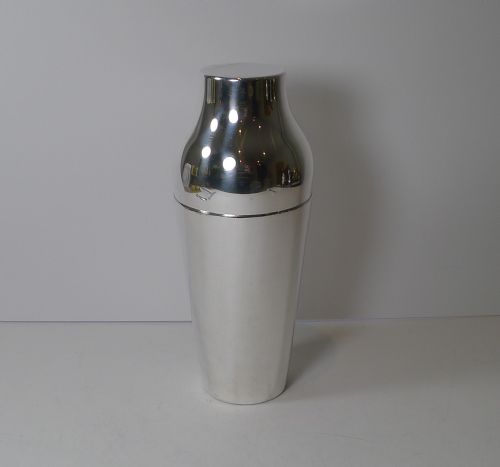


Modernist Silver Plate
Modernist silver plate brings clean lines and functional elegance to the table, uniting industrial design with domestic service across several decades.
Modernist Silver Plate
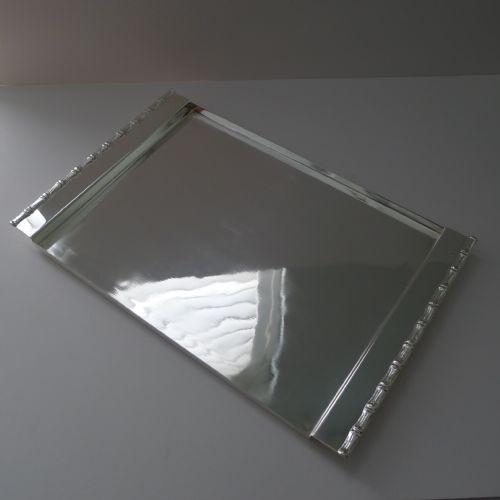
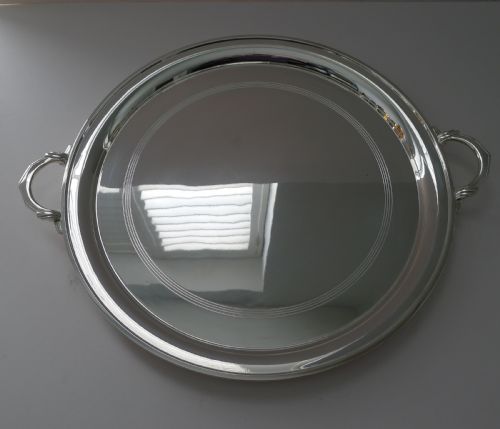
Modernist silver plate encompasses functional tableware, barware, and decorative objects shaped by twentieth-century design movements. Pieces on this page predominantly date from the Art Deco period through to the nineteen-sixties, reflecting shifting geometric and organic sensibilities.
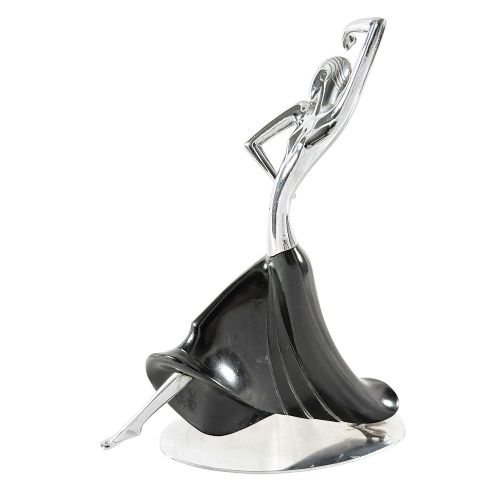
Origins span English, French, Italian, and Danish workshops, demonstrating how different European centres interpreted modernist principles. Domestic serving pieces sit alongside sculptural figures and lighting.
Materials and construction
Makers utilised silver plate over base metals, alongside electroplated nickel silver, chrome, and nickel-plated metal. These durable substrates allowed workshops to achieve sleek, reflective surfaces without relying on solid precious metals.
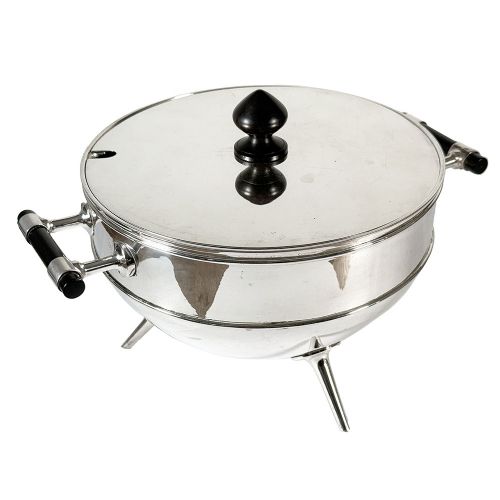
Designers combined metallic finishes with contrasting elements such as ebonised wood, glass, and enamel. This material pairing emphasised clean geometric planes and tactile variety in functional objects.
Materials recorded across the inventory include electroplated nickel silver, chrome, nickel-plated metal, glass, painted metal, and ebonised wood.
Design authorship and execution
Quality rests on the pedigree of the designer and the precision of the manufacturing workshop. Pieces associated with documented designers and established silversmiths command greater attention than anonymous production items.
The integrity of the plated surface and the crispness of construction define the standard of execution. Well-balanced proportions and secure material joints separate standard domestic wares from exceptional studio output.
Keith Murray·Mappin & Webb·Christopher Dresser·Hukin & Heath·Hagenauer·Lino Sabattini·Christofle·Crevillen·Liberty & Co.·Orfèvrerie Christofle·Gallia·ORBRILLE·Deschamps Freres·Elkington & Co.·Egidio Broggi·Walker & Hall·Alfe Nide
The Modernist Silver Plate Glossary
- Electroplated nickel silver
- A base metal alloy of copper, nickel, and zinc coated with a layer of pure silver through an electrolytic process. This method provided a durable and uniform finish for domestic tableware.
- Art Deco
- A design style spanning the nineteen-twenties and thirties characterised by stylised motifs, geometric shapes, and streamlined forms. It heavily influenced modernist metalwork of the period.
- Comport
- An elevated dish or bowl used for serving fruit, sweets, or small food items at the table. In modernist silver plate, these often feature minimalist pedestals and shallow basins.
- Cocktail shaker
- A vessel used to mix drinks by shaking, typically comprising a body, a strainer lid, and a cap. Mid-century examples often display cylindrical or rocket-like modernist profiles.
- Ebonised wood
- Timber treated to resemble ebony, providing a deep black, uniform finish. It was frequently used for handles and insulators on metal teapots, tureens, and trays.
Modernist Silver Plate: Frequently Asked Questions
What is modernist silver plate?
Modernist silver plate comprises household objects and decorative items coated in silver, created during the late nineteenth and twentieth centuries. These items prioritise geometric reduction, utility, and clean lines over ornate historical decoration.
The category includes barware, serving dishes, and personal accessories by notable designers and metalworking firms across Europe.
How do I clean silver plate?
Cleaning requires a mild silver polish and a soft cloth to remove tarnishing without wearing away the thin silver layer. Avoid abrasive cleaners or harsh scouring pads that scratch the metal substrate underneath.
Wash pieces in warm soapy water and dry them thoroughly immediately afterwards to prevent water spots and preserve the reflective finish.
When were these items made?
The pieces span from the late nineteenth-century Aesthetic Movement through the Art Deco era of the nineteen-thirties and into the mid-century modern period of the nineteen-fifties and sixties. Each decade brought distinct stylistic shifts in metalworking.
Earlier items draw on pioneering design reforms, while later mid-century works embrace streamlined industrial contours and organic silhouettes.
How do I style silver plate at home?
Silver plate items integrate easily into contemporary and traditional interiors by reflecting light and introducing metallic contrast. Cocktail shakers and trays suit bar carts or sideboards, while candlesticks anchor dining tables.
Mix different decades and European origins to create layered displays that highlight contrasting materials like ebonised wood and coloured glass.