


Modernist Landscape Painting
A modernist landscape painting captures scenery through simplified forms, dynamic brushwork and experimental palettes developed across the twentieth century.
Modernist Landscape Painting
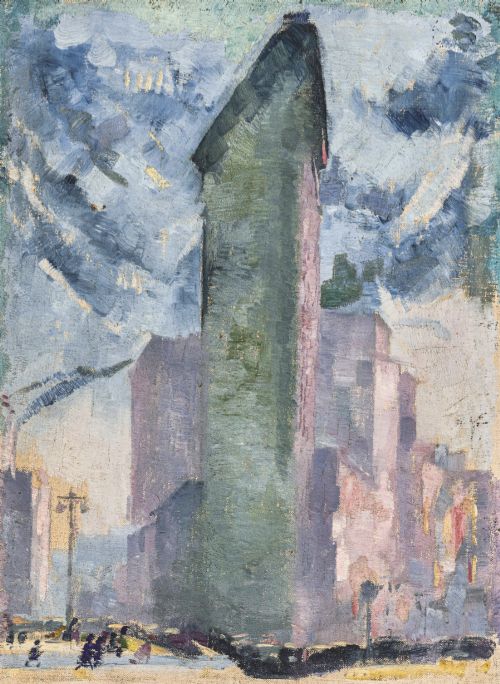
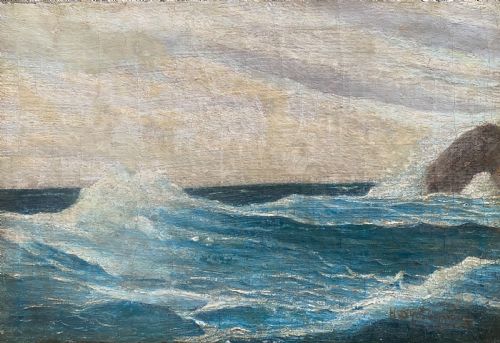
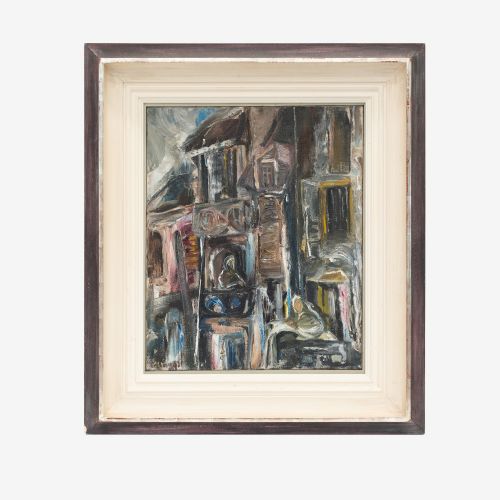
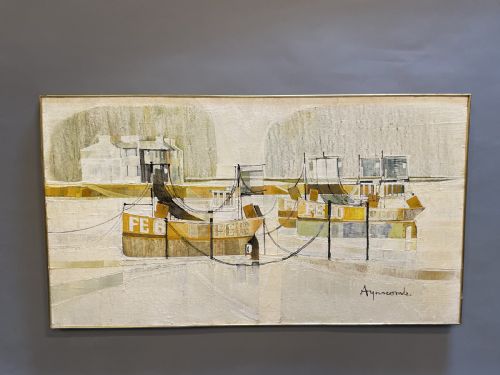
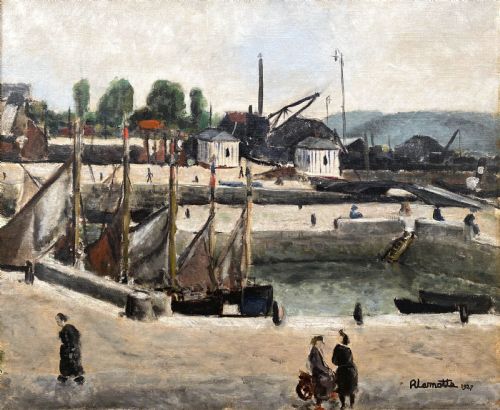
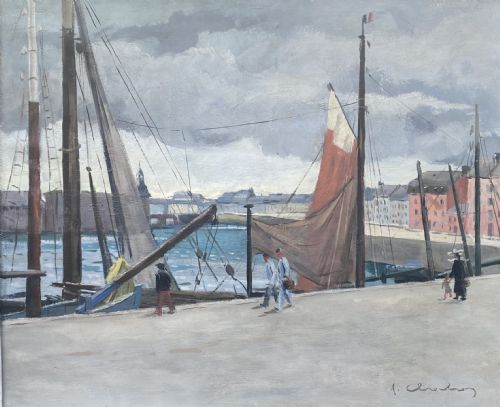
A modernist landscape painting translates natural and urban scenery into abstracted geometry, expressive textures and energetic colour harmonies. These works span the twentieth century, recording shifting visual philosophies from Edwardian experimentations through to mid-century abstractions.
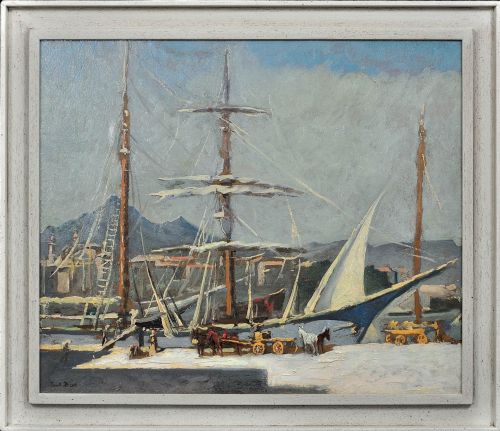
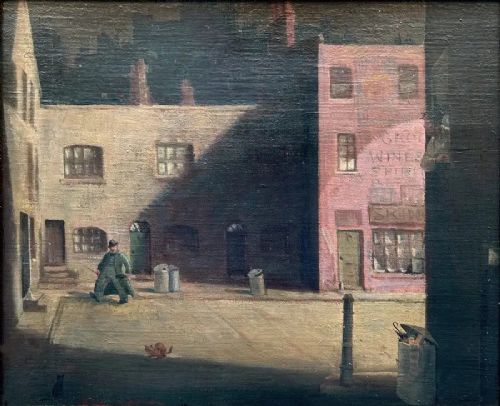
The selections range from French provincial scenes and Mediterranean coastal views to industrial harbours and cityscapes. Canvases and boards depict subjects transformed by individual brushwork, departing from strict realism to capture the essence of a place.
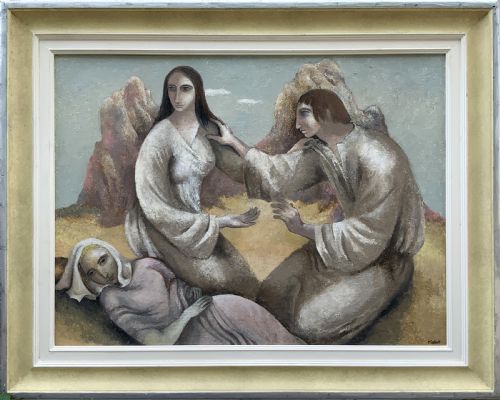
French and British makers dominate the offerings, working in styles that encompass post-impressionism, expressionism and cubist abstraction. Buyers encounter both intimate panels and large-scale canvases executed with varied pigment applications.
Materials and methods
Artists painted primarily in oil, applying heavy impasto or thin glazes directly onto prepared canvas, wooden board or paper. Wood panels and heavy woven fabrics provided sturdy foundations for the vigorous mark-making typical of the period.
Gouache and mixed media occasionally appear on paper supports, offering lighter tones and rapid execution for preliminary sketches or finished works. Frames in wood often accompany the paintings, sometimes bearing retail labels from establishments such as Liberty and Co.
Listings feature canvases, boards and papers painted in oil, gouache and mixed media across various twentieth-century styles.
Distinctions in quality
Quality rests on the confidence of the brushwork and the cohesion of the composition, where spatial relationships balance flat planes of colour. Stronger works demonstrate a deliberate handling of medium that transforms topographical views into compelling visual structures.
Provenance and documentation elevate certain pieces, particularly when signatures connect to documented exhibition histories or known artist circles. The vitality of the pigment application and the preservation of the original surface condition further separate standard studies from significant gallery pieces.
Paul Bret·Francisco Sancha·Alfred Wolmark·Christine Nesbit·Dubovsky·Lilian Colbourn·Raymond Moritz·Gabriel Dauchot·Kenneth B Malpass·Yves Brayer·Alastair Flatterly
The Modernist Landscape Painting Glossary
- Impasto
- Paint applied thickly to a canvas or board, standing out in relief from the surface and catching the light. This technique emphasises the physicality of the paint and the artist's gesture.
- Canvas
- A heavy woven fabric stretched across a wooden frame to serve as a painting support. It provides a flexible yet durable foundation favored by oil painters throughout the twentieth century.
- Board
- A rigid wooden or composite panel used as a substitute for stretched canvas. Many artists preferred boards for quick plein-air studies due to their stability and portability.
- Provenance
- The documented history of ownership surrounding an artwork, establishing its authenticity and exhibition record. A strong provenance connects a painting directly to its creator or reputable retail origins.
- Post-Impressionism
- An artistic movement following impressionism that rejected objective naturalism in favour of symbolic content and expressive colour. Practitioners emphasised geometric forms and heavier outlines.
Modernist Landscape Painting: Frequently Asked Questions
How do I hang a heavy oil painting?
Ensure your wall fixings anchor directly into wall studs or masonry rather than relying solely on plasterboard. Use appropriate picture wire attached securely to the frame's internal structure.
Position the centre of the canvas at approximate eye level for balanced viewing. Keep the work away from direct sunlight and excessive radiator heat to protect the oil pigments.
How can I date a modernist landscape?
Examine the materials, stretcher construction and framing methods for clues that align with specific decades. Canvas types and wooden panel preparations often reflect the manufacturing standards of their era.
Look for artist signatures, exhibition labels on the reverse, or inscriptions that record the year of execution. Stylistic markers such as cubist influences or post-impressionist brushwork also point to particular periods.
Are these paintings ready to hang?
Most works arrive framed and fitted with hanging wire, allowing immediate placement upon arrival. Frame styles often reflect the era of the painting, ranging from simple wooden battens to moulded profiles.
Check individual item details to confirm whether a frame is included with the canvas or board. Unframed pieces offer the opportunity to select custom framing tailored to your interior space.