
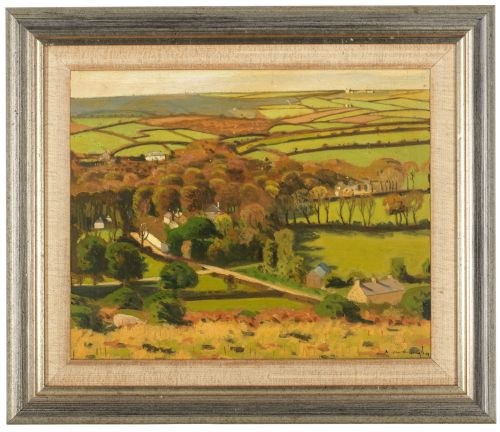
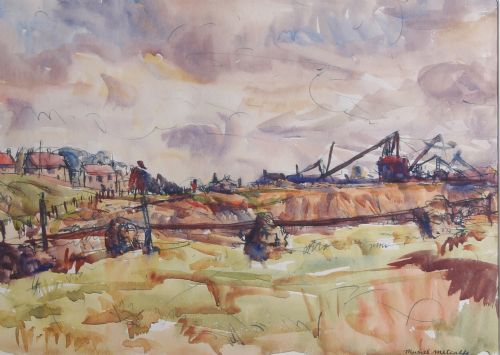
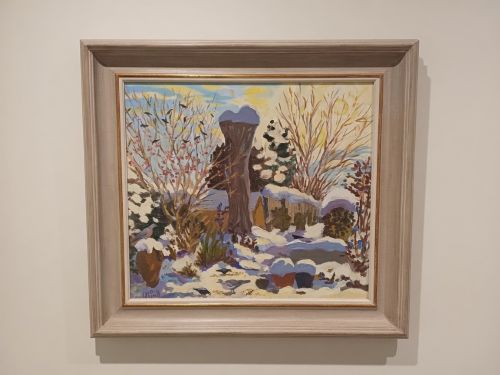
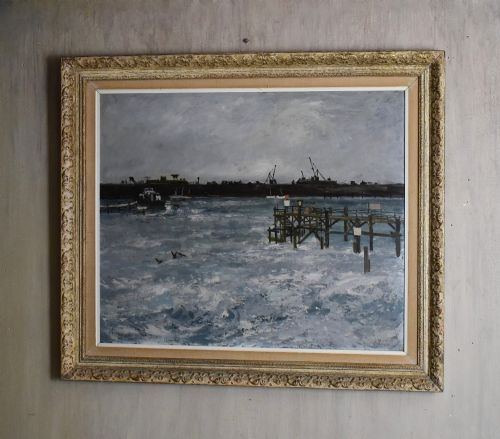


Modern British Landscape Painting
A modern british landscape painting captures the shifting moods of the countryside through twentieth-century eyes, offering an expressive window into rural and coastal life.
Modern British Landscape Painting
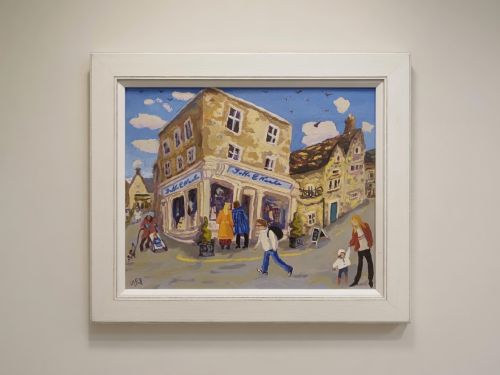
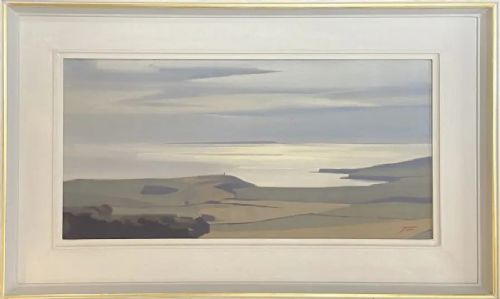
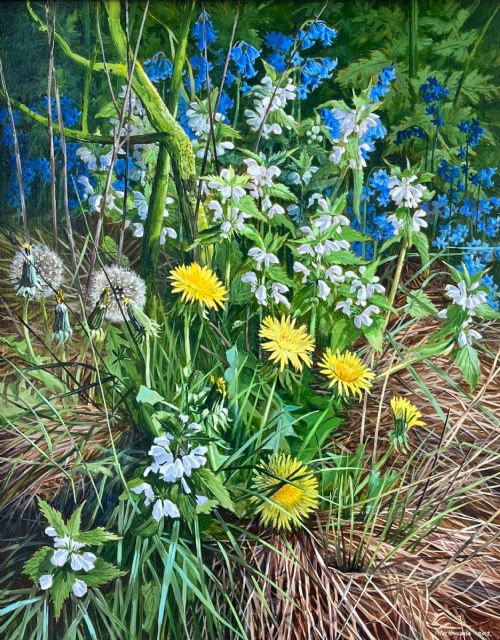
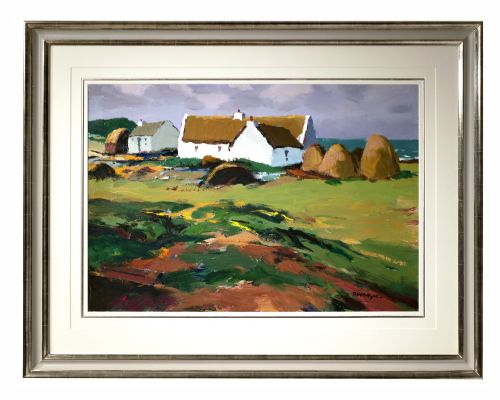
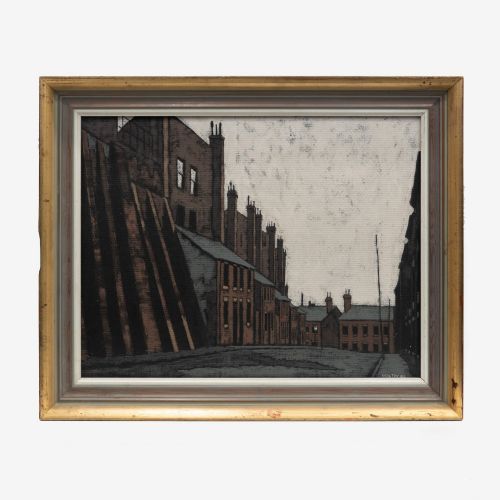
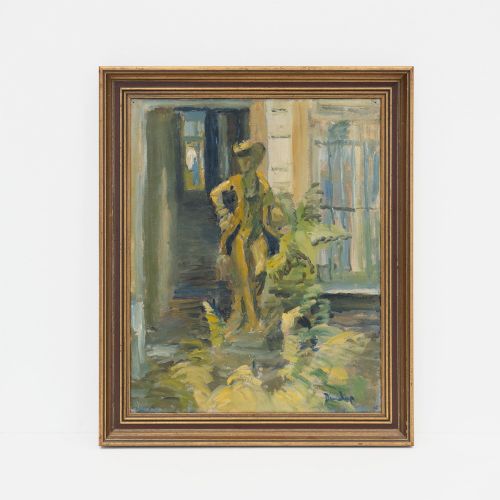
A modern british landscape painting encompasses original oil and watercolour works produced across the twentieth century, spanning Edwardian beginnings through to post-war experimentation. These artworks record specific topography, from Welsh valleys and Cornish coasts to Yorkshire dales and urban edges, rendered through various modernist lenses.
The selections available here lean heavily toward mid-century examples executed on board, canvas, and paper. Works by established regional artists sit alongside atmospheric watercolours, capturing both industrial scenes and tranquil rural vistas from the nineteen-twenties onward.
Materials and methods
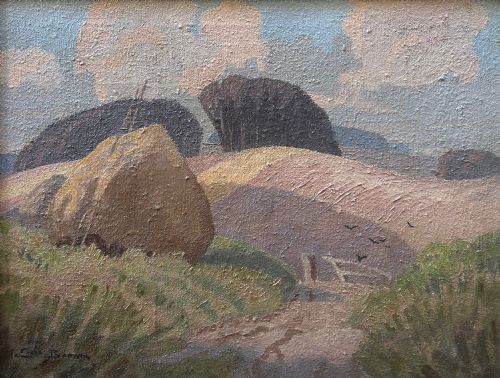
Artists relied primarily on oil paint applied to canvas, wooden panel, or board, often building thick impasto textures to describe light and atmosphere. Watercolours on paper offered a more immediate medium for capturing topographical detail and weather across regional settings.
Framed supports utilise traditional wood mouldings and glass for works on paper, protecting delicate watercolours while oils on canvas remain unglazed. Substrates range from simple card and board to stretched canvas.
Listings span several decades, featuring works executed in oil and watercolour on canvas, wood, paper, and board.
Assessing quality and execution
Quality rests upon the confidence of brushwork and the artist's command of light, colour, and composition within the chosen medium. Stronger pieces display a distinct personal vision rather than mere topographical recording.
The integrity of the surface condition and the preservation of original pigments dictate the overall merit of an individual painting. Works retaining their early framing often preserve the intended context of the period better.
Robert Morson Hughes·Muriel Metcalfe·Lucy Pratt·Peter Brannan·James Fry·Eric Brown·Peter Newcombe·Donald McIntyre·Stuart Walton·Ronald Ossory Dunlop·Hubert Wellington·Joan Gillchrest·Helen Layfield Bradley·Henry Charles Fox·Hazel M. Barnett·Fred Lawson·Edward Seago·Jeffrey Pratt·Sir William George Gillies·George Graham·Claude Muncaster·Ernest Higgins Rigg·Sonia Lawson·Nora Munro Summers·Hermoine Hammond
The Modern British Landscape Painting Glossary
- Impasto
- Paint applied thickly to a canvas or board, standing out in relief from the plane. This technique gives visible brush texture and physical depth to skies, water, and foliage.
- Oil on Board
- A painting executed directly onto a rigid wooden or composition board rather than stretched fabric. Artists frequently utilised this stable support for swift plein-air studies.
- Post-Impressionist
- A stylistic movement following Impressionism that prioritised expressive colour and structure over naturalistic depiction. These works emphasise emotional response to the landscape.
- Topographical
- Pertaining to the accurate representation of specific places, buildings, or local geography. Many mid-century watercolours served to document recognisable towns and regional landmarks.
Modern British Landscape Painting: Frequently Asked Questions
What defines modern british art?
Modern British art encompasses painting and sculpture created during the twentieth century that reflects broader European modernist movements while retaining a distinct national character. Artists during this era moved away from strict academic realism toward more expressive interpretations of the natural world.
This broad category bridges traditional topographical recording and bold abstraction. The works found here demonstrate how painters responded to changing rural and industrial environments across the decades.
How do I date a painting?
Dating relies upon stylistic markers, artist signatures, framing materials, and inscribed dates left on the reverse of the canvas or board. Twentieth-century works frequently carry artist signatures or exhibition labels that help establish a precise timeline.
Mid-century pieces often reflect the specific palette and modernist tendencies of the nineteen-fifties and sixties. Comparing an unfamiliar work against documented pieces by the same hand provides further chronological clarity.
Were these painted outdoors?
Many landscape painters executed initial studies directly in the open air to capture immediate changes in light, weather, and atmosphere. These quick oil sketches on board or watercolour notes on paper formed the basis for larger studio compositions.
Other works were completed entirely within the studio using preparatory drawings and memory. The handling of the paint often reveals whether a piece was born from rapid plein-air observation or careful studio construction.
How should I frame these?
Selecting a frame depends heavily upon the period and medium of the specific artwork, with simple wooden mouldings suiting mid-century aesthetics best. Paintings on canvas typically sit within open slat frames or traditional painted moulding without glass.
Watercolours and works on paper require archival mounting beneath glass to protect the delicate surface from airborne pollutants and moisture. Preserving original period frames maintains the historical context of the piece whenever possible.