

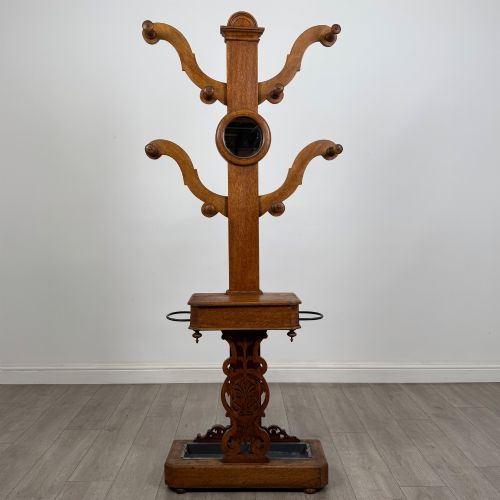
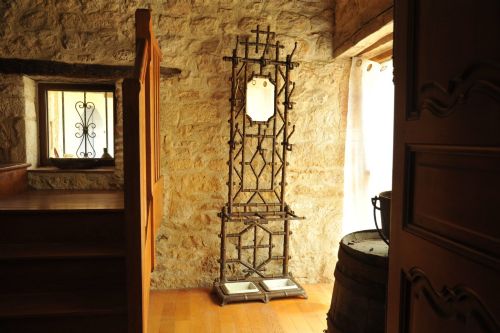
Mirrored Hall Stand
A mirrored hall stand combines a glass mirror with hooks and umbrella storage, greeting visitors by keeping entranceways orderly.
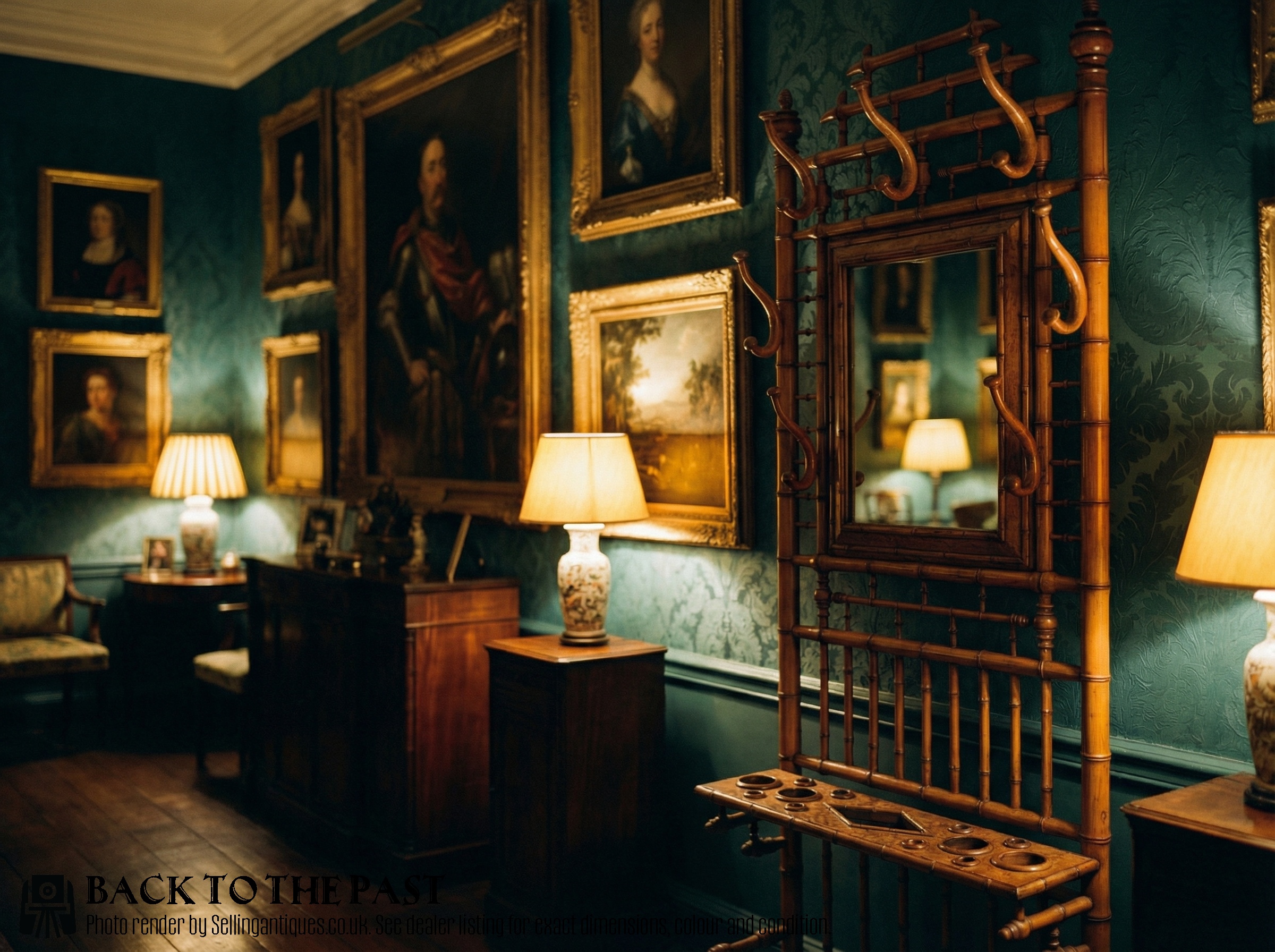
Mirrored Hall Stand
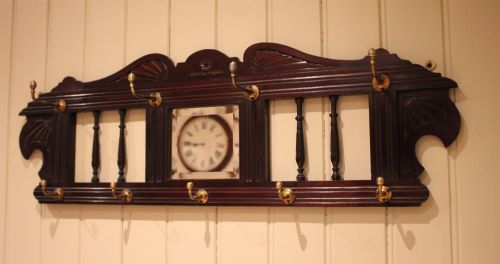
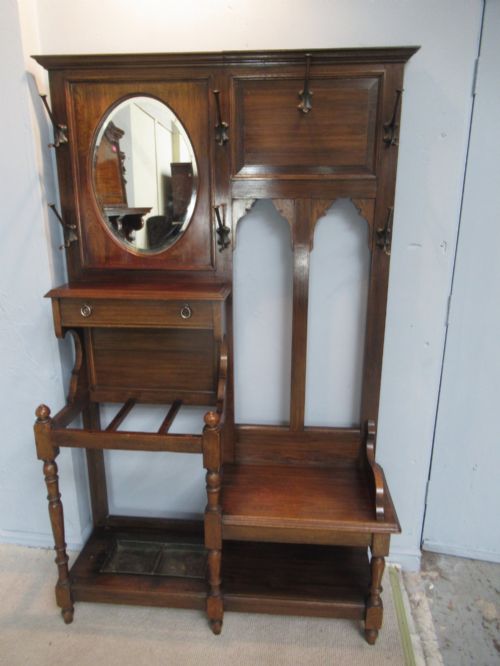
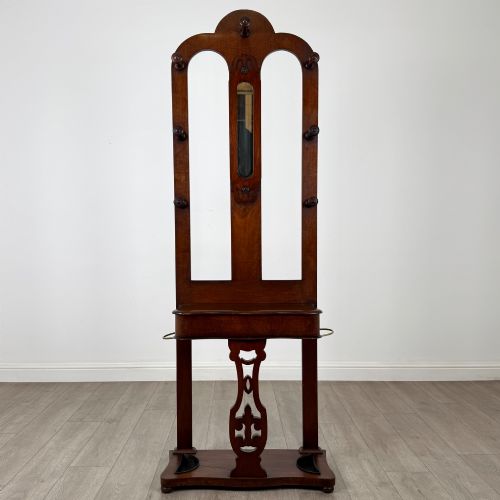
A mirrored hall stand provides a central station for hats, coats, umbrellas, and last-minute appearance checks upon entering a home. These hallway fixtures combine woodworking, glass, and metal hooks into a single functional piece of furniture.
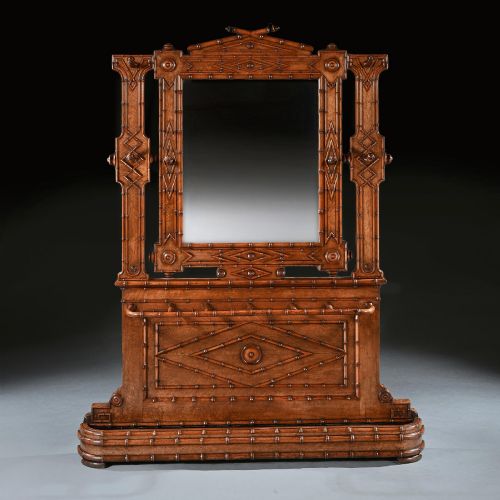
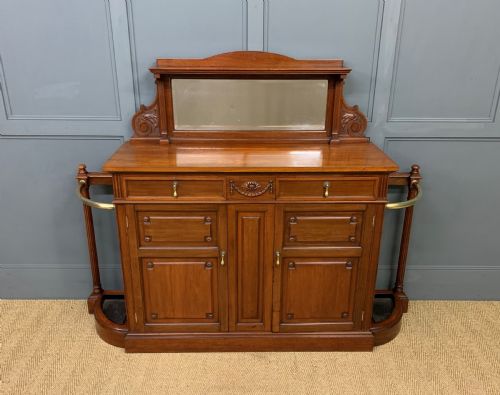
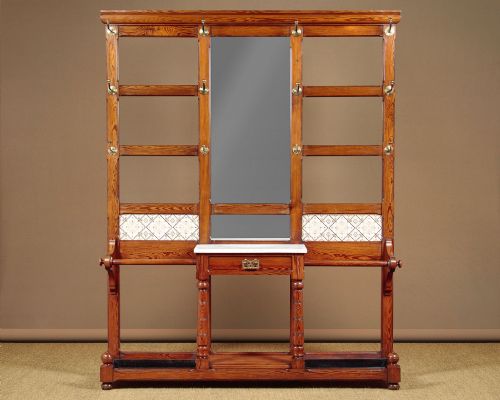
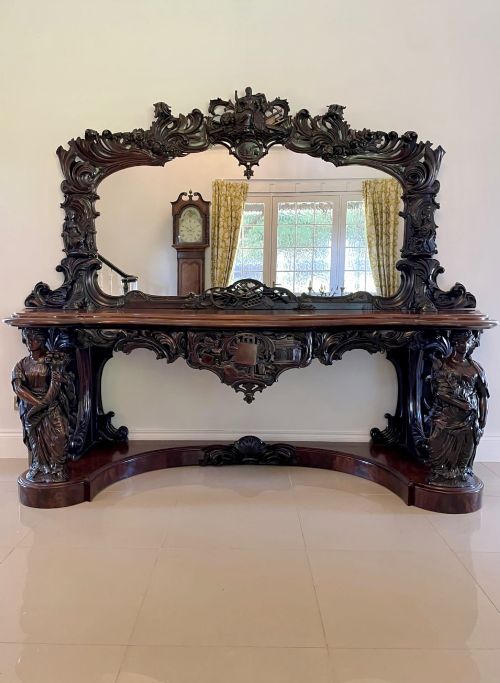
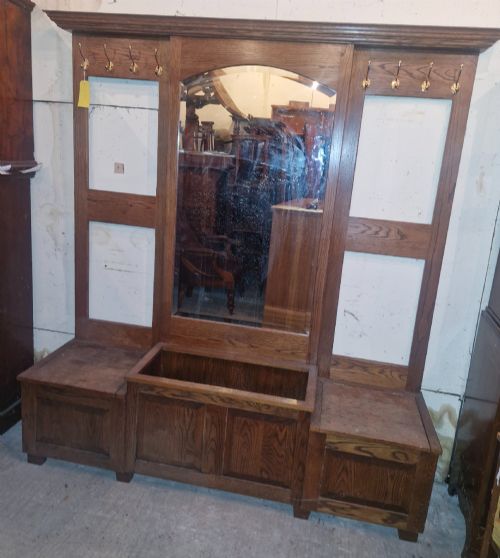
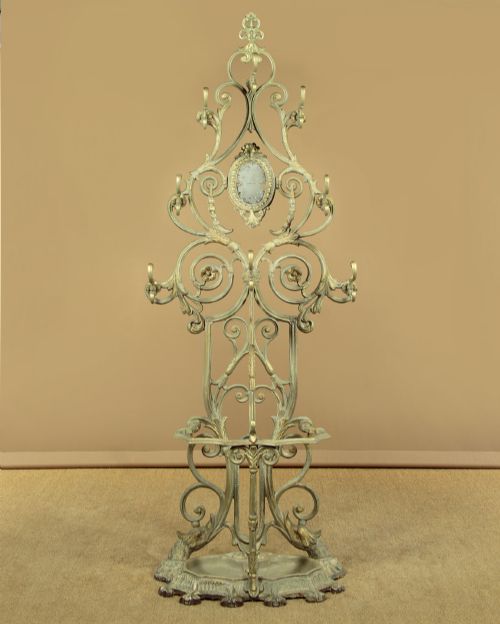
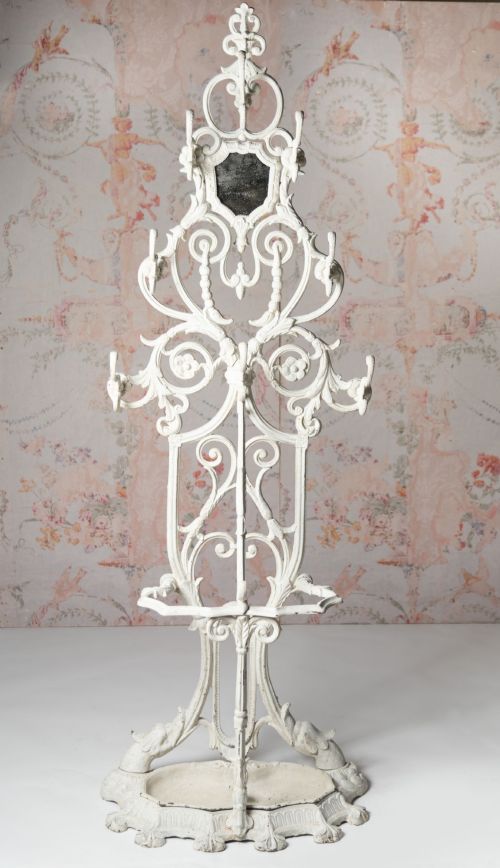
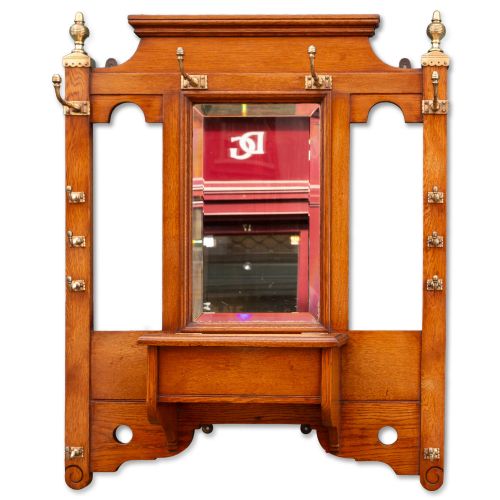
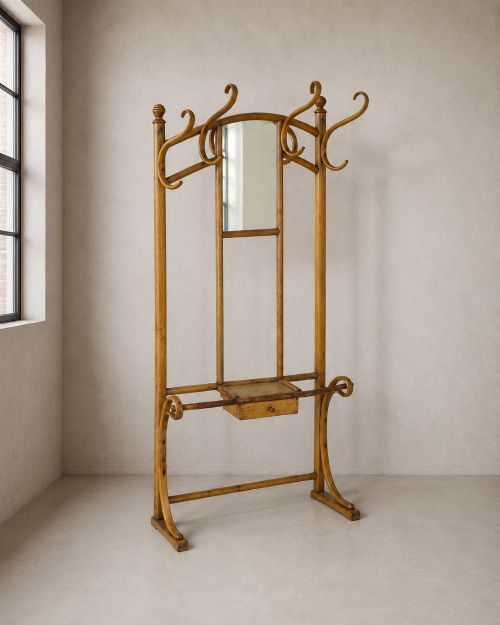
The versions most commonly met span from the Victorian period through the Edwardian era, with various forms appearing in oak, mahogany, and bamboo. Examples range from compact bamboo frames to large carved oak and walnut designs featuring integrated umbrella trays and console tables.
How they were made
Cabinet makers utilised solid woods like oak, walnut, and mahogany alongside alternative materials including cast iron and bamboo. Construction often involved carved woodwork, turned supports, and fitted glass mirrors secured into backboards.
Functional hardware such as brass coat hooks and metal drip trays were integrated into the wooden frames to withstand daily household use. Some French examples incorporated faux bamboo techniques to mimic natural materials with shaped and painted finishes.
Some oak stands feature carved wooden faces known as green men staring directly at your incoming guests.
What varies in quality
Construction substance distinguishes everyday hall furniture from exhibition pieces, with dense hardwoods and substantial timber frames sitting above lighter constructions. The scale of the carving and the complexity of the turned supports alter the visual presence.
The integration of materials determines the finish of the piece, from simple metal hooks to detailed brass fittings and bevelled mirror glass. Larger multi-functional designs require precise joinery to support heavy coats and umbrellas without destabilising.
Shoolbred & Co.·Thonet
The Mirrored Hall Stand Glossary
- Hall Stand
- A piece of furniture designed for entranceways, typically incorporating a mirror, coat hooks, and umbrella storage. These items often include a small shelf or console base.
- Aesthetic Movement
- A late 19th-century design style focusing on visual beauty over narrative meaning. Pieces from this movement often utilise bamboo and Japonisme influences.
- Bentwood
- Wood steamed and bent into curved shapes, commonly utilised in hat and coat stands. This technique creates lightweight yet strong frames.
- Console Table
- A table fixed or placed against a wall, frequently integrated into the base of hall furniture. It provides a flat surface for small daily items.
- Drip Tray
- A metal receptacle placed at the base of a hall stand to catch water from wet umbrellas. These trays protect the underlying wooden floor or frame.
Mirrored Hall Stand: Frequently Asked Questions
What is a mirrored hall stand?
A mirrored hall stand is a piece of entranceway furniture designed to hold outdoor garments while providing a reflective glass surface.
These combination units usually incorporate multiple coat hooks, umbrella wells, and a small shelf or bench seat.
How do I date a hall stand?
Dating involves examining the prevailing style, timber choices, and construction methods used by the cabinet maker. Victorian and Edwardian examples often display distinct decorative carving or bamboo framing characteristic of their decade.
Hardware styles and mirror bevels also offer clues to the manufacturing period.
Where should I place a hall stand?
These items suit entrance halls, corridors, and boot rooms where visitors arrive and deposit outdoor wear.
Sufficient wall space and clearance are necessary to accommodate the full height and depth of the frame.
How were umbrella trays used?
Metal drip trays sat at the base of the stand to hold wet umbrellas and walking sticks off the floor.
They allowed rainwater to pool safely away from the wooden structure and hallway flooring.