
Mirrored Bedroom Wardrobe
A mirrored bedroom wardrobe brings deep reflection and substantial storage into a sleeping space, combining utility with presence.
Mirrored Bedroom Wardrobe
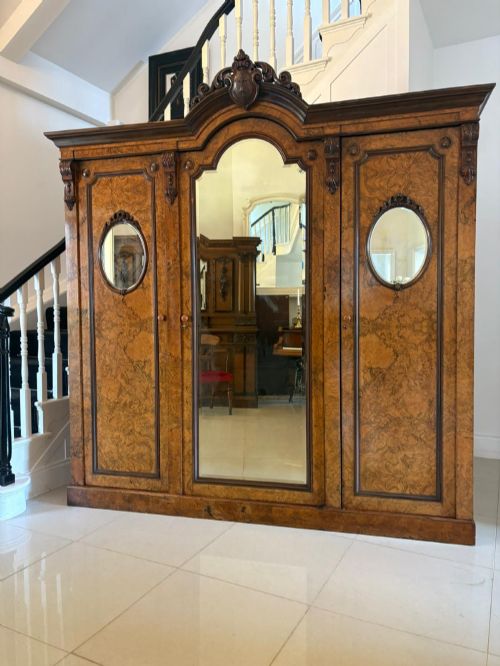
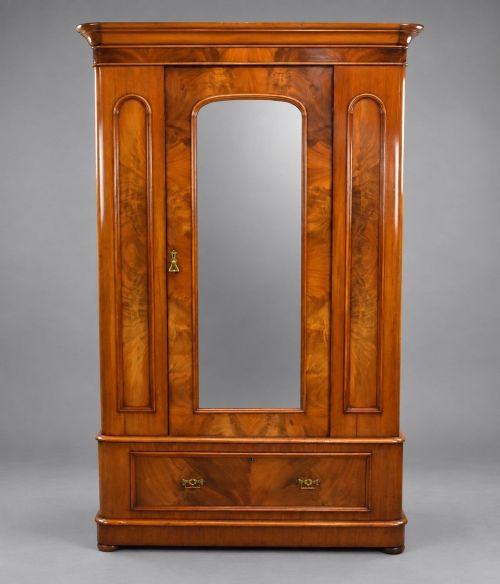
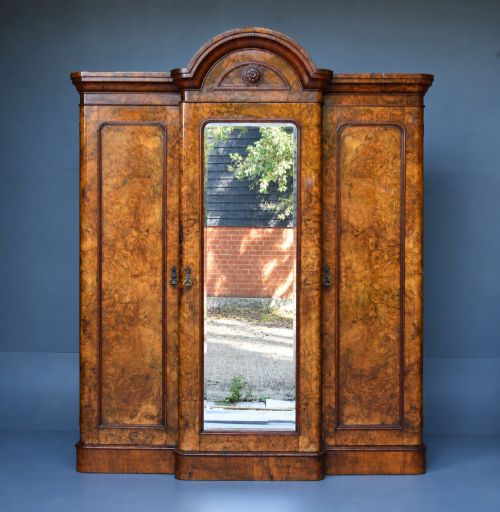
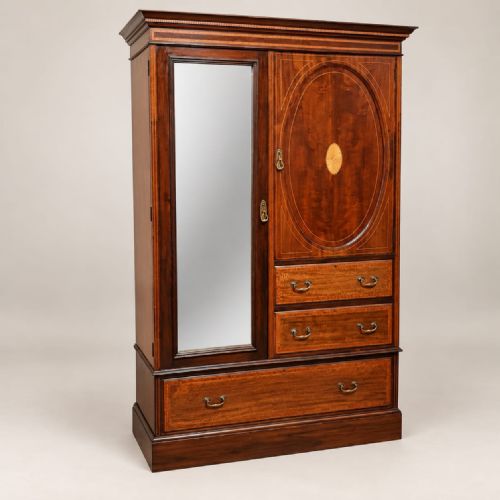
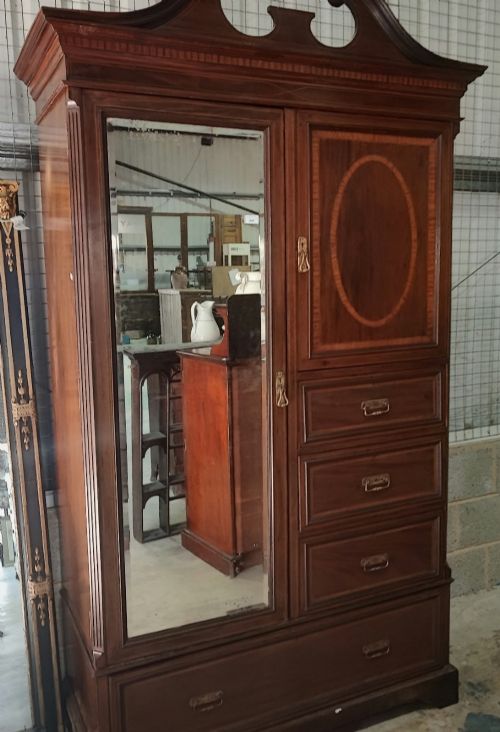
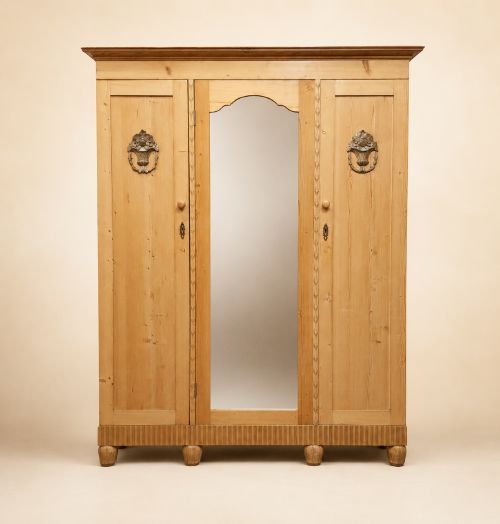
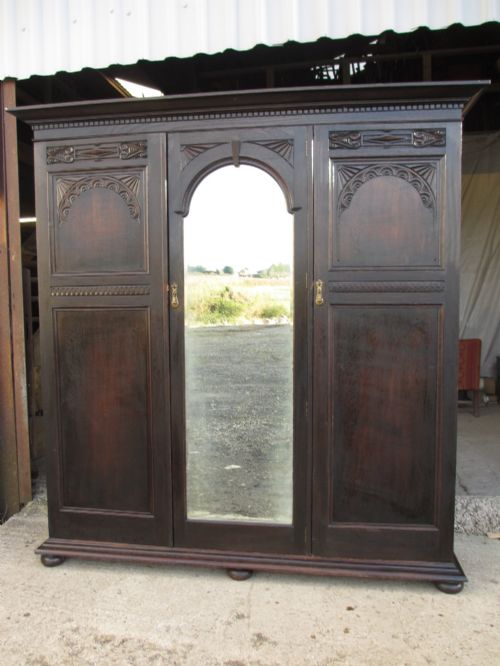
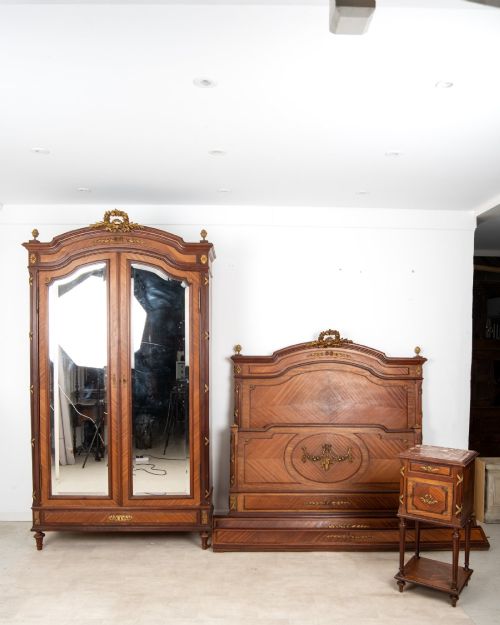
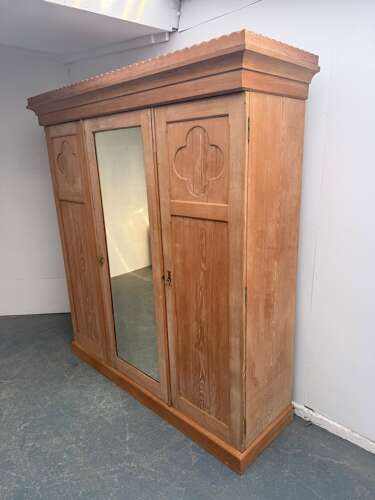
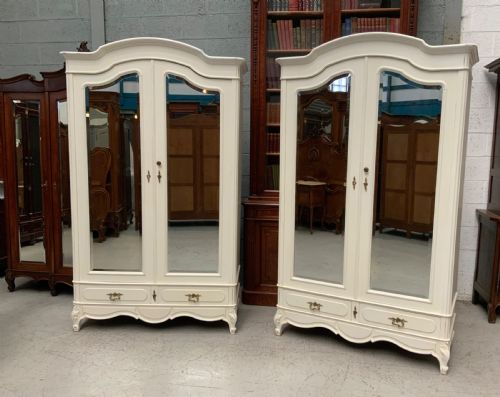
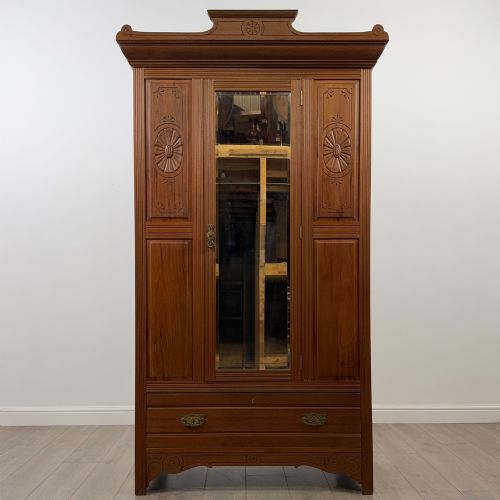
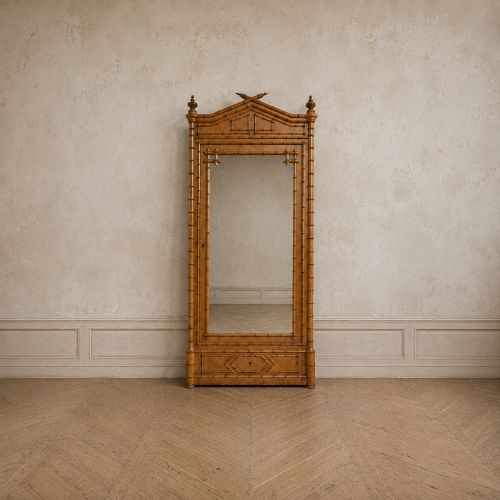
A mirrored bedroom wardrobe serves as a grand storage piece that anchors a sleeping chamber while brightening the room through its glass panels. These furniture items arrive in various configurations, from single door cupboards to expansive triple wardrobes and multi-piece bedroom suites.
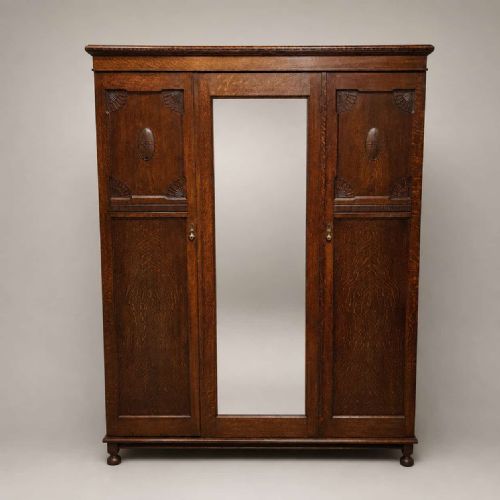
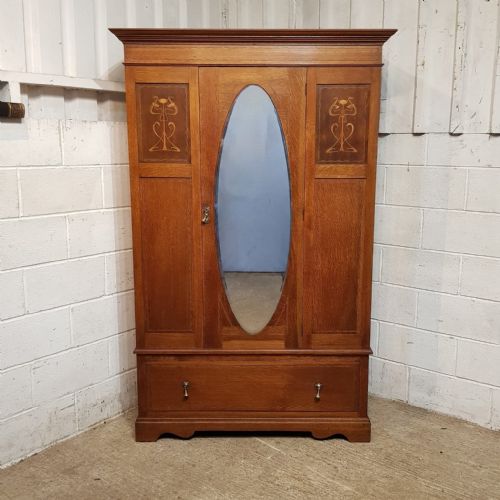
Most examples found here date from the Victorian and Edwardian eras, stretching from the late nineteenth century into the early twentieth century. Makers of these periods constructed them in numerous styles, including Arts and Crafts oak, Louis XVI Revival, and French Provincial designs.
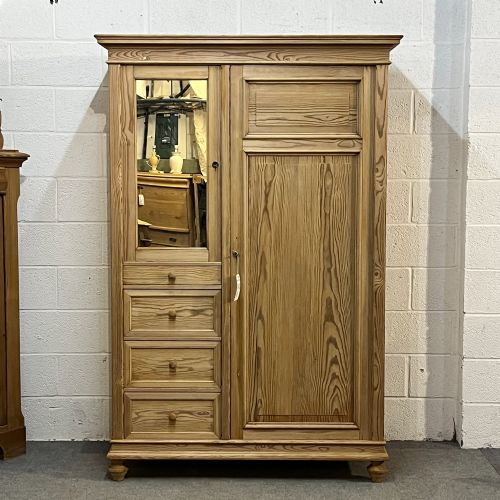
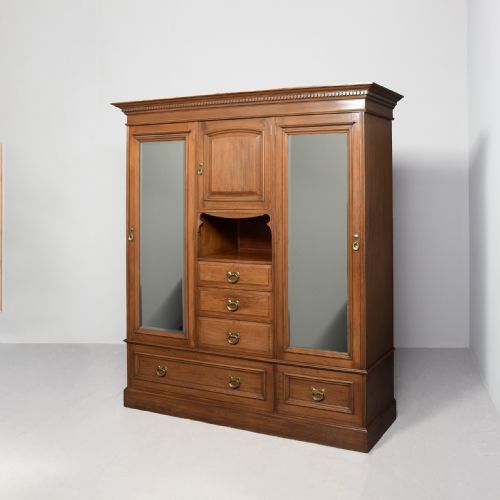
Buyers encounter substantial pieces designed to hold extensive garments alongside smaller compactum formats featuring integrated drawers and shelving. The inclusion of full-length glass doors defines the group, offering both practicality and a sense of added space within the room.
Construction and materials
Cabinet makers utilised a rich palette of timbers, selecting mahogany, walnut, burr walnut, satinwood, and oak for the primary carcases, often complemented by secondary woods like pine and ash. Artisans applied these materials through solid construction or by laying decorative veneers across expansive panel surfaces.
Decoration relied on skilled hand-carving, contrasting wood inlays, brass hardware, and gilt bronze ormolu mounts depending on the regional style. Glass plates were bevelled and secured within heavy door frames to withstand daily use while reflecting interior light.
Several pieces include hidden compartments behind internal drawer sets, designed for storing valuables safely out of sight.
Judging the standard
The distinction between standard commercial items and exceptional cabinet work lies in the depth of timber selection and the precision of the joinery. Superior examples display carefully matched burr veneers, intricate inlay work, and robust internal configuration with original drawers and hanging rails intact.
The integrity of the mirror glass and the weight of the brass hinges indicate the original workshop's commitment to durability. Heavy carved mouldings and balanced proportions separate ambitious suites from straightforward utility storage.
Edwards and Roberts·Holland and Sons·Waring and Gillows·Shapland and Petter
The Mirrored Bedroom Wardrobe Glossary
- Compactum
- A multi-functional wardrobe that incorporates hanging space alongside internal drawers, shelves, and sometimes a small desk compartment. This layout maximises storage efficiency within a single footprint.
- Armoire
- A large upright cupboard or wardrobe, often originating from continental Europe. These pieces frequently exhibit distinct regional styling and substantial door mouldings.
- Combination wardrobe
- A storage unit that merges hanging sections with banks of drawers and linen compartments. They represent the more complex end of bedroom furniture design.
- Ormolu
- Gilded bronze mounts applied as decorative highlights on furniture carcases. This technique appears predominantly on revival pieces influenced by French styling.
- Pitch pine
- A resinous and durable softwood utilised in regional cabinet making. It offers a distinct grain pattern when finished with wax or paint.
Mirrored Bedroom Wardrobe: Frequently Asked Questions
How do I dismantle a large triple wardrobe?
Most large wardrobes from the Victorian and Edwardian periods were constructed to be taken apart for transport. The cornice, plinth, and sides typically detach from the backboards and central sections using internal wooden pegs or metal bolts.
Careful labelling of each component during disassembly ensures reassembly proceeds smoothly in a new location without misaligning the heavy doors.
Are mirrored doors original to these antiques?
Original mirror glass on nineteenth and early twentieth-century pieces often exhibits light foxing, minor speckling, or subtle imperfections in the reflection. These natural ageing traits confirm the glass has remained in place since manufacture.
Brilliant, unblemished reflections in antique frames usually indicate a modern replacement pane rather than historical fabric.
How do I care for antique wood surfaces?
Regular dusting with a soft, dry cloth prevents particulate build-up that can dull polished timber finishes. Applying traditional beeswax periodically nourishes mahogany, walnut, and oak without creating artificial shine.
Avoiding direct sunlight and excessive humidity protects the underlying veneers from lifting or splitting over time.
What is the difference between an armoire and a wardrobe?
An armoire traditionally refers to a continental European standing cupboard with deeper historical roots in French and Dutch furniture traditions. They often feature decorative crests and elaborate door panels.
Wardrobes emerged strongly in Britain during the nineteenth century as fitted bedroom furniture became standard for domestic storage.