

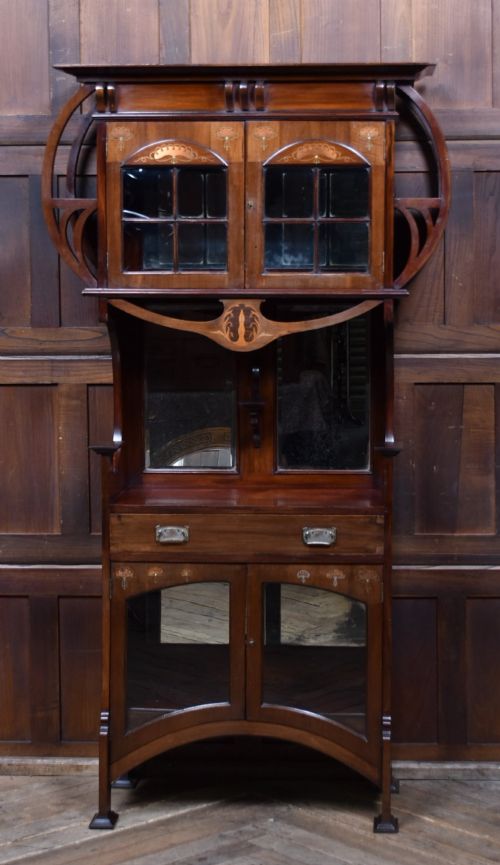


Mirrored Backing Chiffonier
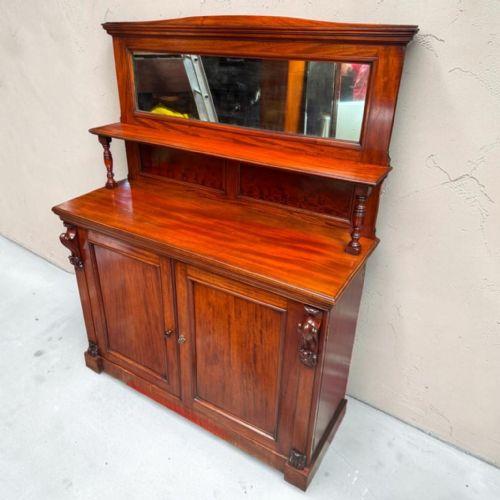
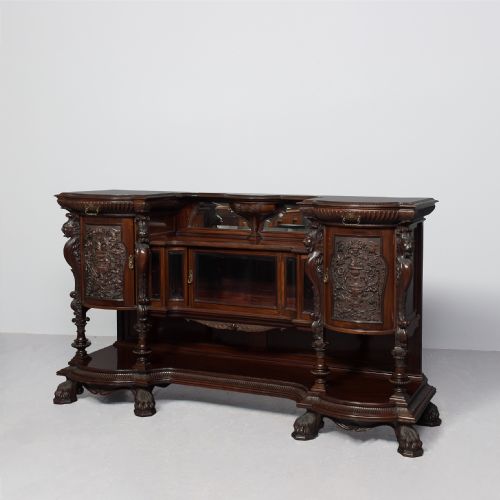
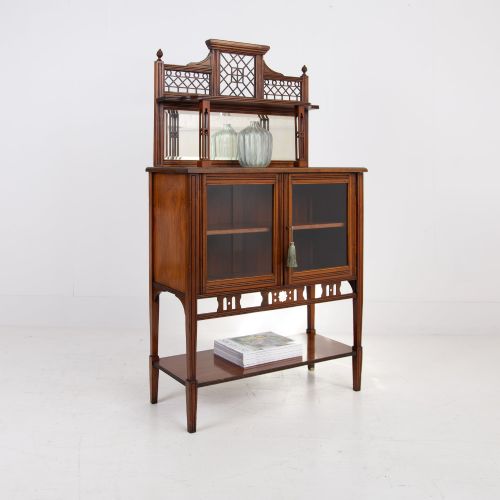
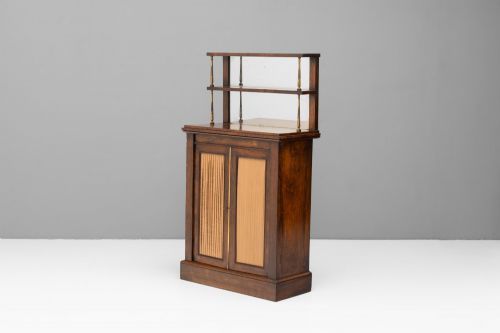
When you want a mirrored backing chiffonier, you are looking for a substantial low cabinet that combines display space with practical storage.
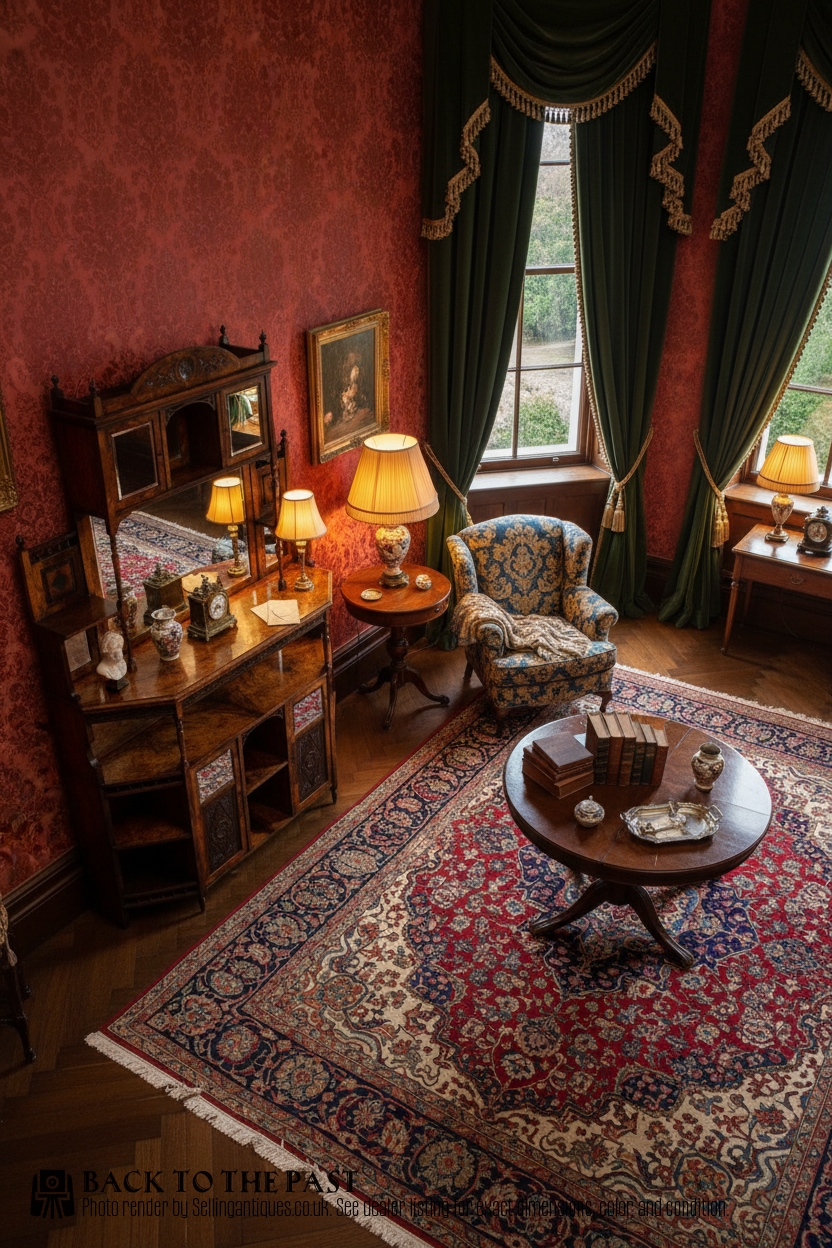
Mirrored Backing Chiffonier
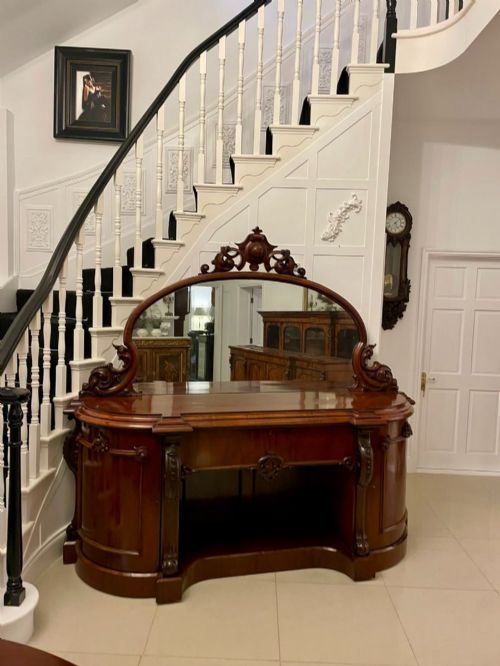
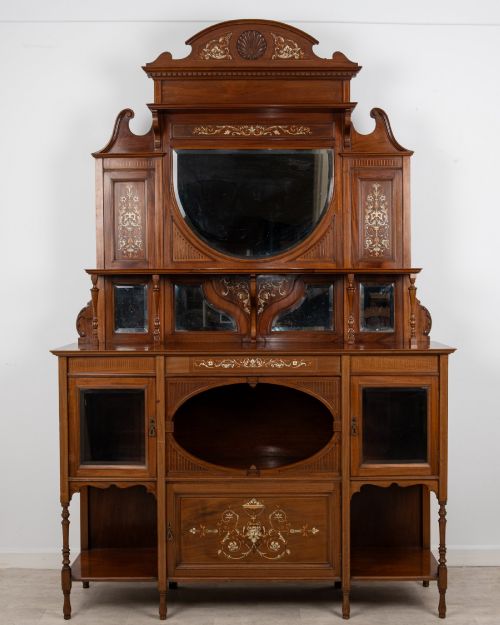
A mirrored backing chiffonier is a low cabinet designed for the principal living rooms of nineteenth-century homes, providing both closed storage and surface display. These pieces frequently appear from the Victorian and Regency periods, spanning years from the early nineteenth century through the Edwardian era.
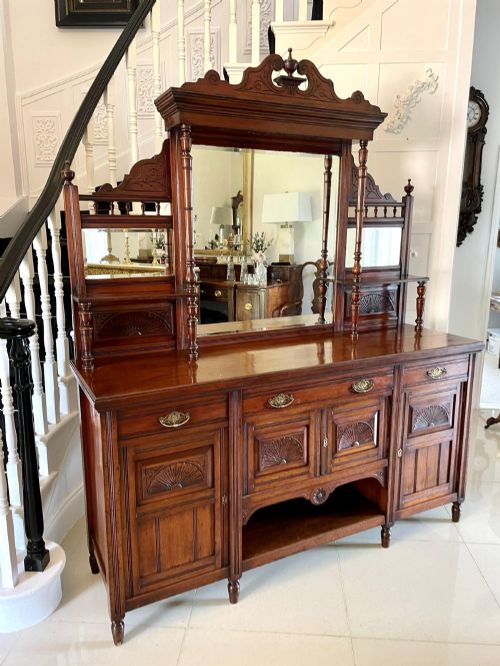
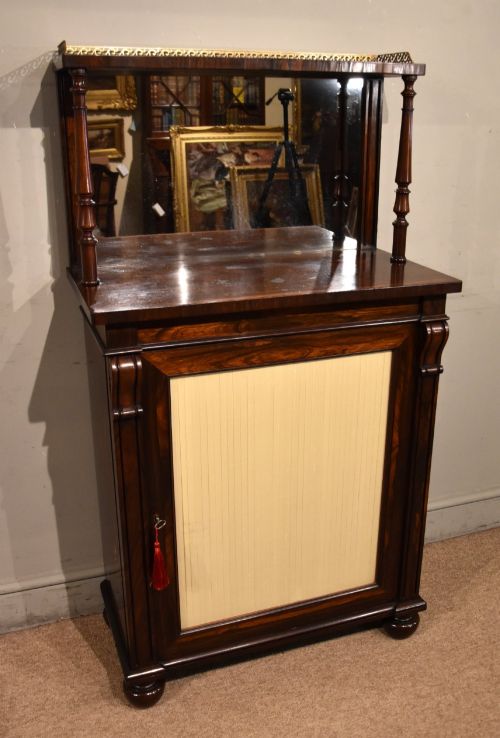
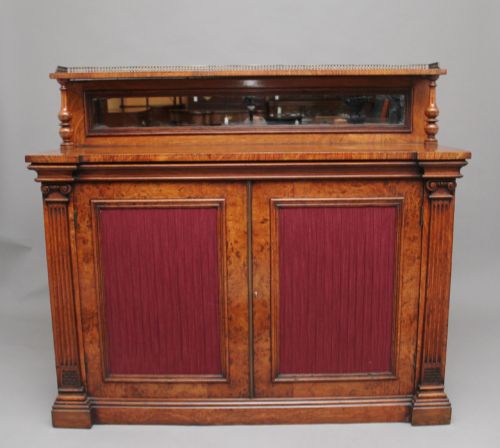
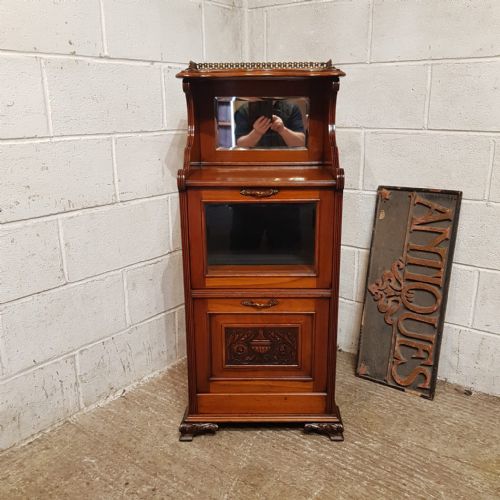
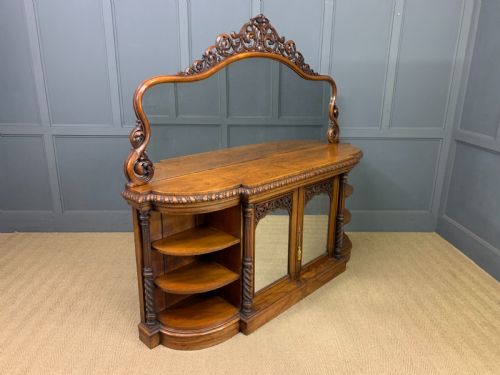
The form combines cupboards or shelving below with an upright superstructure holding glass mirror plates. You will encounter variants fashioned in mahogany, rosewood, walnut, and oak, often categorized alongside sideboards and credenzas.
Makers and cabinet-makers of these decades employed stylistic influences ranging from Regency and George IV to the Aesthetic Movement, Late Victorian, and Art Nouveau. The combination of timber carcases and reflective glass creates a formal presence suited to period interiors.
How they were made
Carpenters constructed these cabinets using dense hardwoods such as mahogany, rosewood, walnut, and pollard oak, sometimes applying intricate marquetry and inlaid details. Panels of burr timber and figured veneers formed the main visible surfaces of doors and carcases.
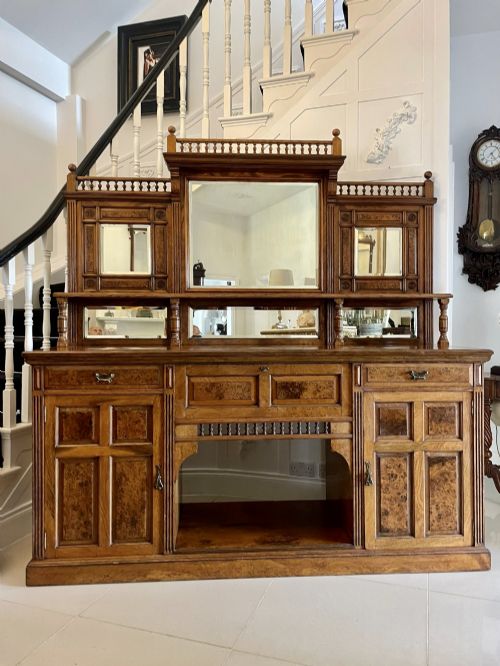
Glass mirror plates were integrated into the upright backs, secured within carved or moulded wooden frames, while brass hardware fitted the doors and drawers. Ebonised finishes and gilt highlights appeared on specific Aesthetic Movement examples.
Joinery techniques relied on solid timber frames housing panelled doors and fitted interior shelving, supported by plinths or turned feet.
What varies in quality
The selection of timber grain and veneer figure dictates much of the visual distinction between individual examples, with burr walnut, burr yew, and figured rosewood sitting at the upper end of the scale. The crispness of hand-carved ornamentation and the complexity of inlaid marquetry further separate standard production from exhibition pieces.
Makers of note, such as James Schoolbred, Gillows, and Holland & Sons, introduced structural refinements and superior joinery that elevate certain pieces above anonymous workshop output. The integration of the mirror back with the lower cabinet also shows varying degrees of architectural ambition, from simple upright plates to breakfront cornices and carved crestings.
Holland & Sons·Gillows
The Mirrored Backing Chiffonier Glossary
- Chiffonier
- A low sideboard or cabinet featuring cupboards beneath, originally developed in the Regency period. It serves as both a serving surface and a storage unit.
- Marquetry
- The art of applying decorative veneer pieces in geometric or pictorial patterns onto a wooden carcase. It frequently employs contrasting timbers to create visual depth.
- Pollard oak
- Timber taken from trees that have been pollarded, resulting in dense, knurled grain patterns with distinctive clustered knots. Cabinet-makers prized this material for its rich texture.
- Credenza
- A grand sideboard or display cabinet originating in the nineteenth century, often sharing formal characteristics with large mirrored chiffoniers.
- Aesthetic Movement
- A late nineteenth-century design style emphasising visual refinement, often utilising ebonised woods and gilt highlights. Pieces from this movement display clean architectural lines.
Mirrored Backing Chiffonier: Frequently Asked Questions
What is a mirrored backing chiffonier used for?
These cabinets served primarily in dining rooms and parlours to store tableware while displaying decorative items on the surface and reflecting light through the mirror.
The lower cupboards kept everyday items out of sight, while the upper mirror plate enhanced the sense of light and space in Victorian interiors.
How do I date a mirrored backing chiffonier?
Dating relies on identifying the prevailing styles, timbers, and construction methods characteristic of periods like the Regency, Victorian era, or Edwardian years.
Heavier carved mahogany and burr walnut typically point to mid-to-late Victorian production, whereas lighter inlaid rosewood often indicates late Victorian or Edwardian craftsmanship.
Where were these cabinets placed in a home?
They were traditionally positioned against the main walls of reception rooms, dining spaces, and formal parlours where guests would gather.
The low profile ensured they did not block windows or paintings while offering a functional surface for serving or display.
What is the difference between a chiffonier and a sideboard?
Chiffoniers are generally smaller and more compact than traditional sideboards, usually featuring an enclosed cabinet space beneath a shelf or mirror back.
While sideboards focused heavily on dining service, chiffoniers bridged the gap between a side cabinet and a display piece.