
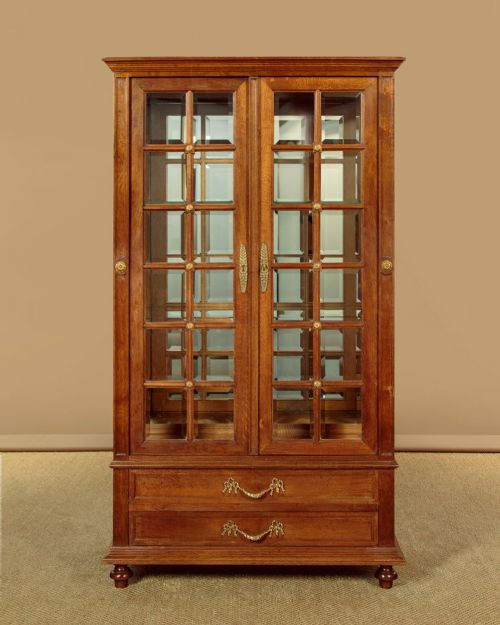


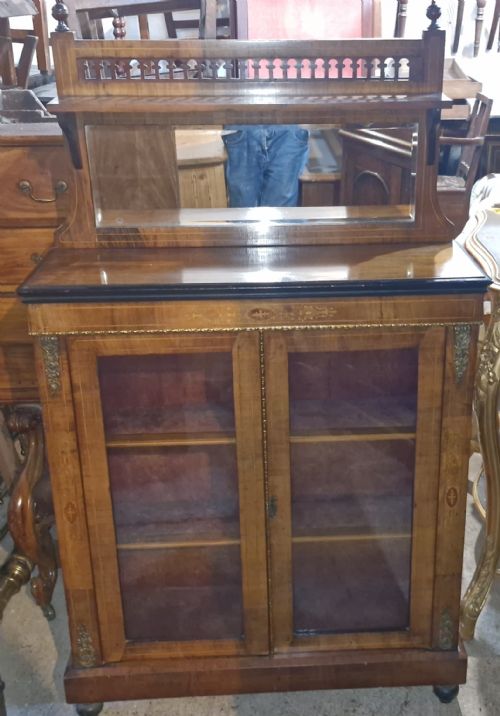


Mirrored Back Bookcase
A mirrored back bookcase brings light and depth into a room, reflecting the volumes it holds across mahogany, rosewood, and walnut surfaces.
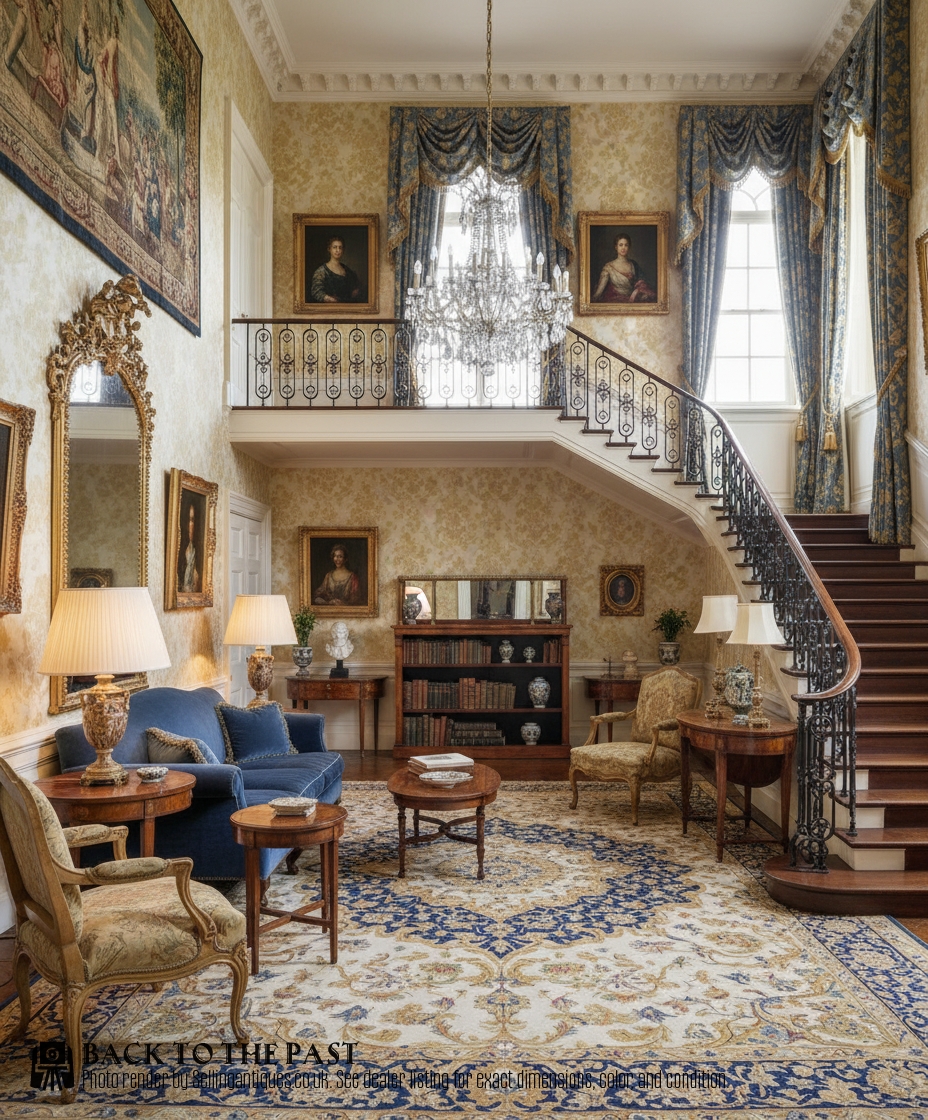
Mirrored Back Bookcase
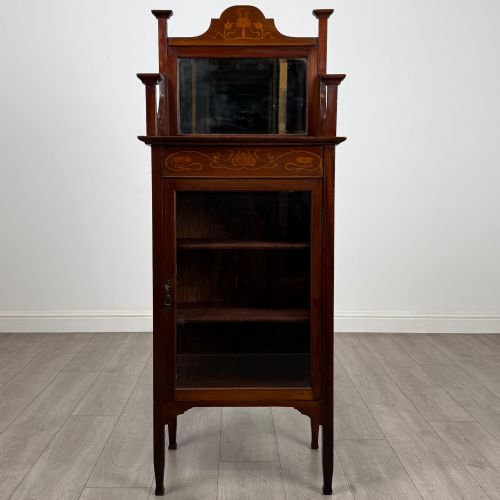
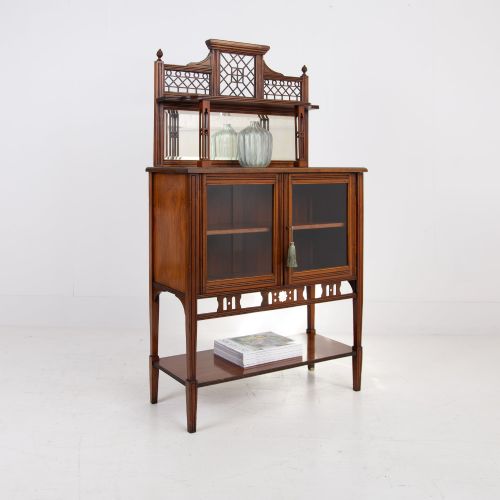
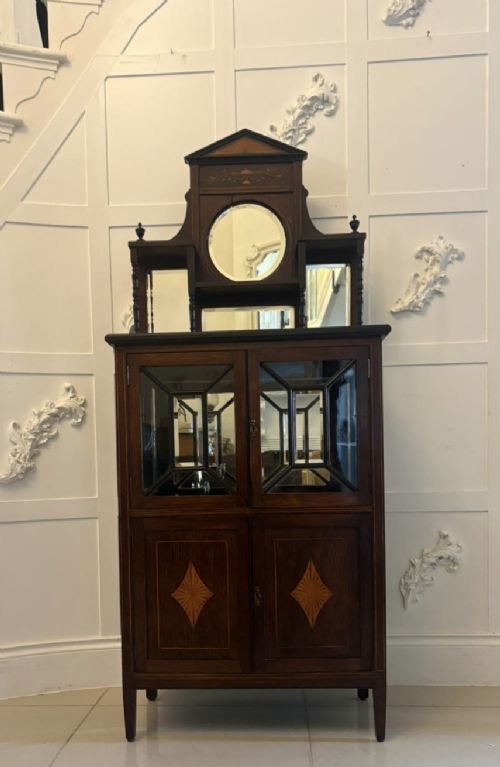
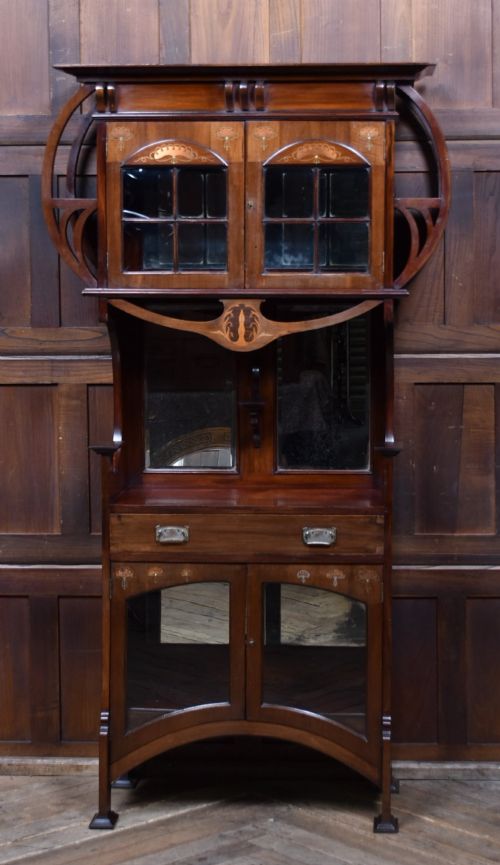
When you search for a mirrored back bookcase, you encounter pieces primarily from the nineteenth century, the Victorian era, the Edwardian period, and the Regency era. These items function as display cabinets, side cabinets, and chiffoniers, combining shelving with integrated glass mirror backs.
The version you are most likely to meet on this page is constructed from mahogany, rosewood, or walnut, often featuring inlaid details in satinwood or brass accents. They span forms from open shelving units to glazed cabinets with drop centres and multi-tiered whatnots.
These pieces originated to showcase cherished volumes and decorative objects while amplifying ambient light within a Victorian or Edwardian interior. The reflective glass panel behind the shelves serves both a practical and an aesthetic purpose, brightening dark corners.
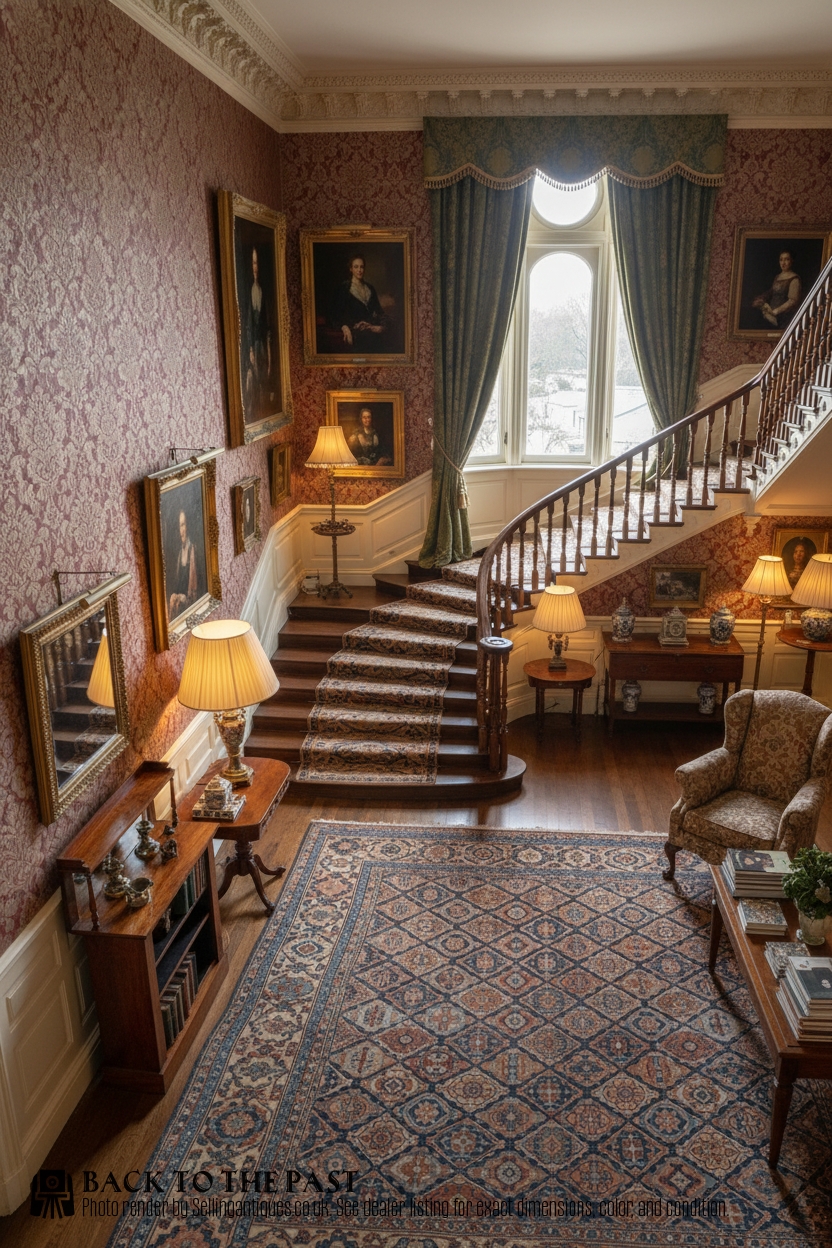
How they were made
Cabinet makers utilised dense hardwoods such as mahogany, rosewood, and walnut as the primary structural timbers for these pieces. Satinwood and brass provided contrasting inlay work and decorative mounts, while oak appeared in auxiliary framing.
Silvered glass mirror plates were set securely into the backboards behind open shelves or enclosed cabinets to reflect light. Glazing techniques secured glass panes within timber doors, and fine brass fittings completed the construction.
Listings span the nineteenth century through the Edwardian era, featuring woods including mahogany, rosewood, walnut, and satinwood.
What varies in quality
The refinement of the timber selection and the complexity of the cabinetwork set the higher examples apart from simpler utilitarian pieces. Dense grain figures in the rosewood or walnut and precise contrasting satinwood inlay indicate superior workshop production.
The integration of the mirror back and the finesse of any carved or gilt ornamentation determine the overall visual impact of the piece. Well-proportioned glazing bars and sound structural joinery distinguish the work of skilled cabinet makers.
Collinson and Lock
The Mirrored Back Bookcase Glossary
- Inlay
- A technique where contrasting woods or metals like satinwood and brass are set into the surface of the primary timber to create decorative patterns.
- Chiffonier
- A low cabinet, popular during the Regency and Victorian periods, often featuring a mirrored back and shelves for display.
- Whatnot
- A set of open shelves supported by slender pillars, utilised for displaying books and decorative objects in nineteenth-century interiors.
- Aesthetic Movement
- A late nineteenth-century design style focusing on art for art's sake, reflected in simpler cabinet lines and refined decorative details.
- Drop centre
- A cabinet configuration where the middle section sits lower than the flanking display towers, creating a stepped top surface.
Mirrored Back Bookcase: Frequently Asked Questions
How do I style a mirrored back bookcase?
Position the piece where it can catch natural daylight from a window, allowing the mirror to brighten the surrounding space.
Arrange books and decorative objects thoughtfully on the shelves to make the most of the reflected depth without overcrowding the glass.
Are these bookcases suitable for modern rooms?
The rich tones of mahogany, rosewood, and walnut integrate comfortably into contemporary interiors alongside simpler modern furnishings.
Their compact display formats allow them to function effectively in sitting rooms, hallways, or studies as both storage and decorative furniture.
How do I tell Victorian from Edwardian pieces?
Victorian examples often employ heavier timbers like rosewood and walnut, sometimes featuring rich inlays, dark finishes, or barley twist supports.
Edwardian pieces tend to utilise lighter mahogany with satinwood inlay, reflecting the Sheraton Revival styles popular at the turn of the twentieth century.
What is the difference between a chiffonier and a display cabinet?
A chiffonier generally combines lower enclosed storage cupboards with an upper tier of shelves and a mirror, originating in the Regency and early Victorian eras.
A display cabinet focuses primarily on glass-fronted or open shelving designed specifically to exhibit books and collections to visitors.