


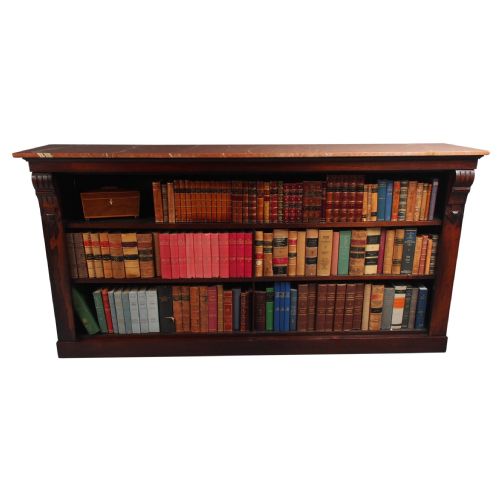


William IV Credenza Bookcase
A william iv credenza bookcase combines architectural presence with refined timber work, offering both display space and concealed storage for the discerning interior.
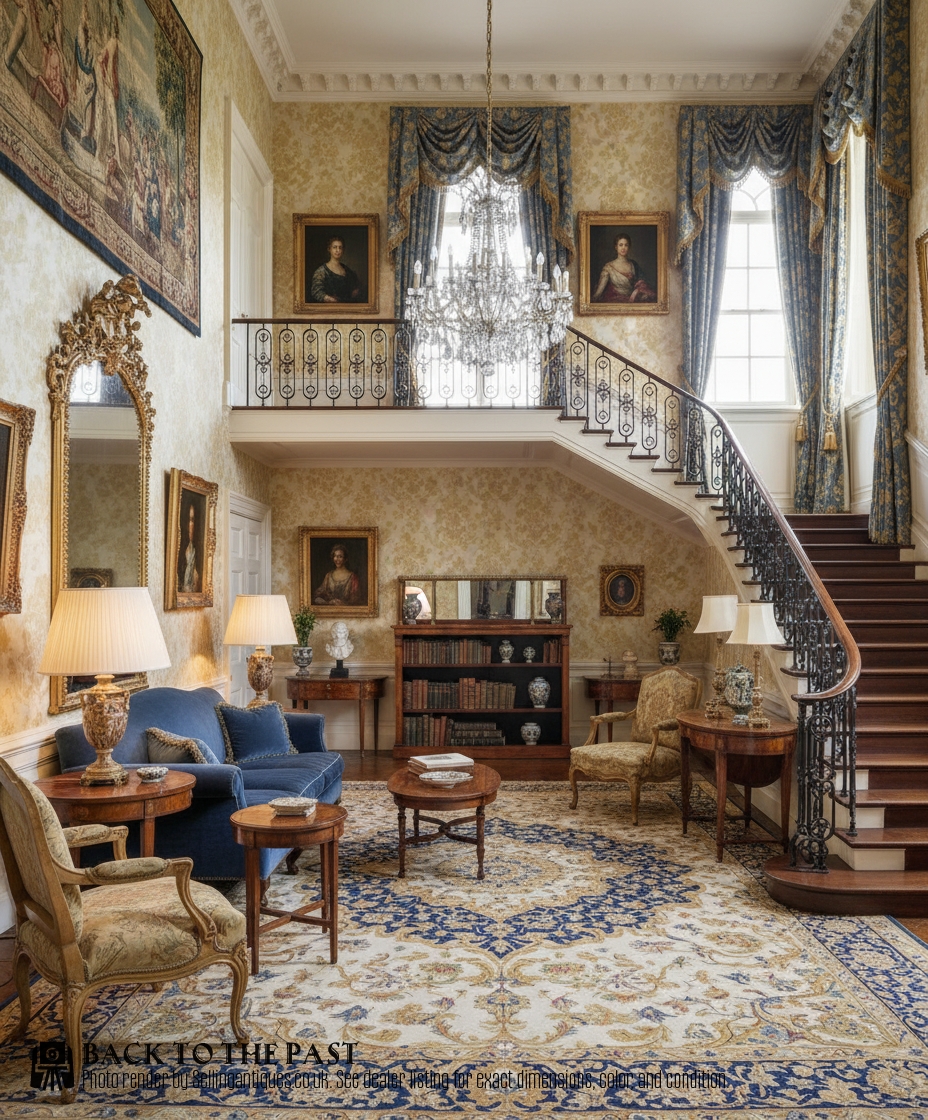
William IV Credenza Bookcase
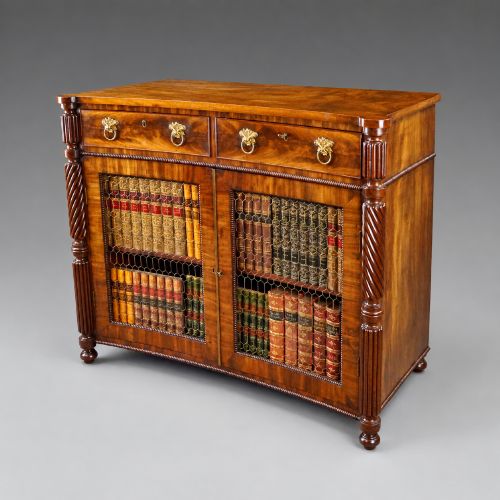
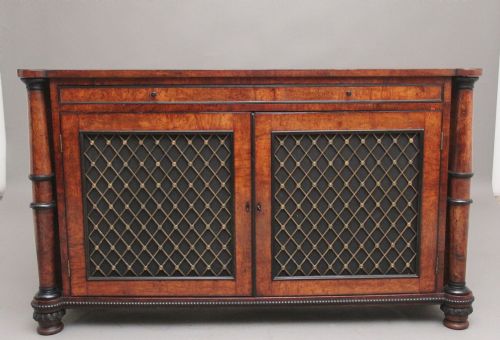
When you search for a william iv credenza bookcase, you encounter substantial low furniture designed primarily for the nineteenth century drawing room or library. These pieces unite the storage function of a sideboard with open shelving or enclosed glass display areas tailored for books and ornaments.
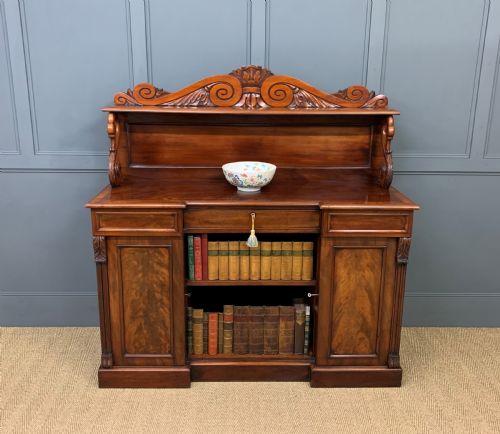
The selections on this page span the nineteenth century, encompassing Regency, William IV, and Victorian interpretations of the form. You will find low bookcases, side cabinets, and chiffonier bookcases constructed in dense hardwoods.
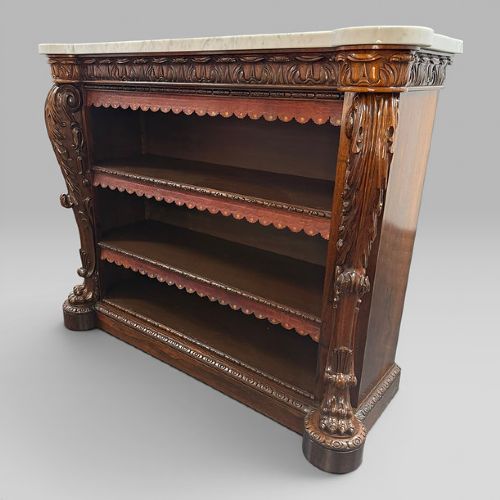
Forms vary from concave side cabinets to breakfront designs incorporating pink marble tops and brass inlay. The primary origins reflect British cabinet making traditions of the era, drawing upon styles established during the early nineteenth century.
Materials and Construction
Makers utilised rich timbers including rosewood, mahogany, flame mahogany veneer, and pollard oak as the primary structural bodies. These woods were frequently selected for their pronounced grain patterns and polished to a deep lustre.
Decoration relied on contrasting materials such as ebony stringing, brass inlay, and glass panel doors. Heavier architectural tops frequently featured pink marble inserts placed above the main cabinet carcase.
Secret compartments hidden within nineteenth century cabinet friezes offered owners a private space for correspondence and valuables.
Assessing Quality and Execution
Quality rests upon the selection of timber veneers and the precision of the brass inlay work set into the wood. Superior examples display seamless book matching on flame mahogany surfaces and finely cast brass mounts.
Structural integrity reveals itself in the heavy carcase construction and the original fitting of marble tops. Finer pieces demonstrate meticulous attention to interior shelving adjustments and door alignment.
Gillows
The William IV Credenza Bookcase Glossary
- Credenza
- A low dining room or drawing room cabinet featuring cupboards, frequently flanked by open shelves or glass doors. It evolved significantly during the nineteenth century to serve both display and storage purposes.
- Breakfront
- A piece of furniture whose central section projects forward from the flanking wings. This architectural arrangement creates depth and shadow across the front elevation.
- Flame mahogany
- A veneer cut from the fork of the mahogany tree where the branch joins the trunk. It produces a distinctive flickering flame pattern highly prized by period cabinet makers.
- Pollard oak
- Timber taken from trees that have been pollarded, resulting in a gnarled grain packed with small knots. This decorative wood creates a rich, mottled surface texture on cabinet doors.
- Chiffonier
- A compact sideboard or low cabinet typically equipped with enclosed shelving below and a raised shelf superstructure above. The form gained immense popularity throughout the nineteenth century.
William IV Credenza Bookcase: Frequently Asked Questions
How do I identify a william iv period piece?
William IV furniture bridges late Regency austerity and early Victorian elaboration, typically displaying robust classical proportions combined with rich timbers like rosewood.
Look for architectural mouldings, substantial plinth bases, and restrained carved details rather than the heavier scrolling motifs common later in the century.
Where were these bookcases placed?
Historically, these cabinets stood in formal entertaining spaces such as libraries, drawing rooms, and grand parlours.
Their low profile ensured they did not obscure wall hangings or tall windows while providing convenient access to bound volumes and objets d'art.
How should I care for rosewood and mahogany surfaces?
Maintain these dense hardwoods by keeping them away from direct sunlight and sudden temperature fluctuations that cause timber to dry and split.
Apply traditional beeswax sparingly and buff gently with a soft cloth to preserve the natural depth of the polished grain.