



Mirror Back Pedestal
These mirror back pedestal pieces bring useful display space and reflected light to a room, offering the classic combination of heavy timber cabinetry and integrated glass.
Mirror Back Pedestal
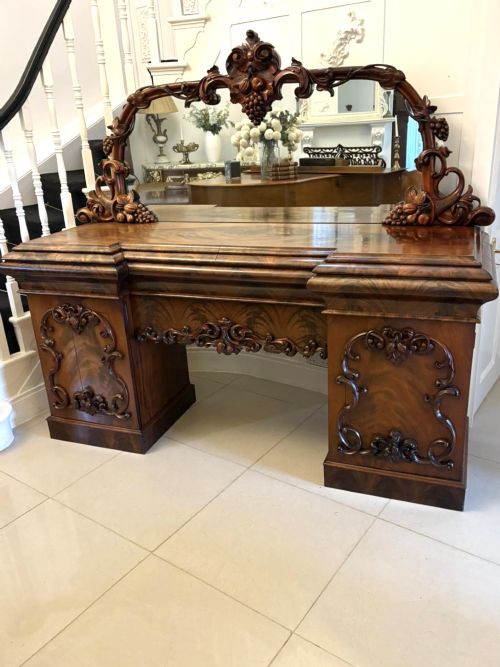
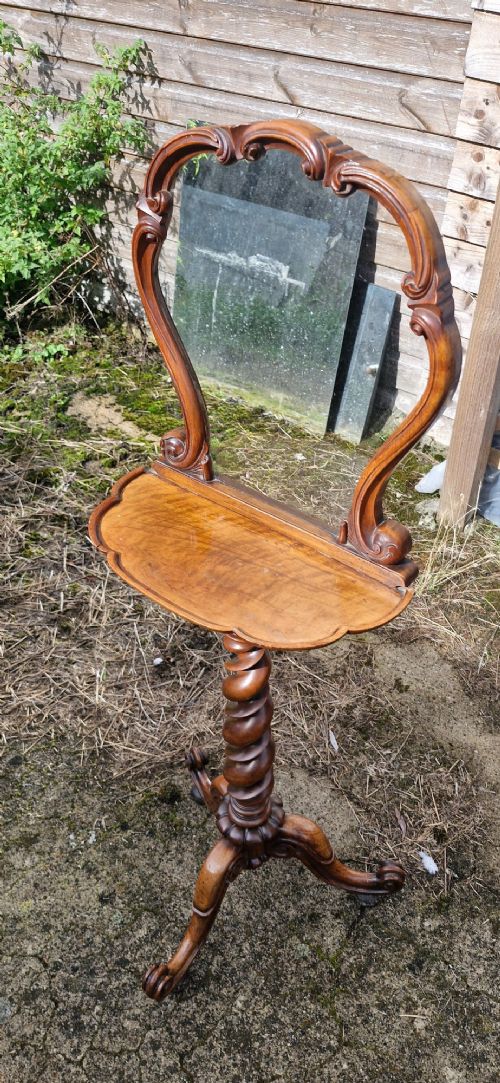
When you search for mirror back pedestal furniture, you encounter substantial dining room and drawing room pieces originating mainly from the Victorian and Edwardian eras. The selection encompasses large sideboards and buffets featuring upright mirrored superstructures, alongside smaller occasional tables and pedestal stands designed for lamps or display.
The most common form on this page is the large pedestal sideboard, frequently rendered in mahogany, oak, or walnut, featuring flanking cupboards beneath a central mirrored back. Alongside these grand dining pieces, you also find occasional lamp tables and tall pedestal stands incorporating glass elements or standing near mirrored surfaces.
Originating largely from the nineteenth century, these pieces span diverse stylistic revivals, including French Rococo, Gothic Revival, and Victorian Renaissance Revival. Whether you select a massive carved oak sideboard of grand proportions or a delicate walnut lamp table, each item unites practical storage with decorative reflective depth.
Materials and construction
Makers utilised dense timbers such as mahogany, oak, walnut, and kingwood, often applying flame mahogany veneer or specialist specimen wood inlays to create striking visual grain patterns. Structural carcases were built to withstand heavy daily use in formal interiors, supporting substantial marble tops or carved superstructure framing.
Mirror glass formed an integral component, set securely into carved wooden backs designed to bounce light around nineteenth-century dining rooms. Brass hardware and fittings appeared regularly, complementing the dark polished woods and securing doors on pedestal cupboards and chiffoniers.
Mirror Back Pedestal Retail Price Guide 2026
Typical asking prices for mirror back pedestal among the pieces listed under this phrase on Sellingantiques today, from the lower quarter to the upper quarter. They describe what is for sale here now, not the wider market.
Some Victorian sideboards are so grand they require their own architectural weather system to navigate a modern hallway.
Judging quality and craftsmanship
Quality rests upon the depth of the carving and the selection of the timber veneer, from standard mahogany through to figured flame mahogany and pollard oak with geometric detailing. Superior examples exhibit harmonious proportions between the heavy pedestal base and the towering mirror back above.
The integration of the mirror glass within its carved wooden frame demonstrates the maker's hand, alongside the precision of inlaid specimen woods and the stability of large breakfront cabinetry. The survival of original brass mounts and untouched polished surfaces further separates standard workshop production from finer cabinet work.
The Mirror Back Pedestal Glossary
- Pedestal sideboard
- A large dining room cabinet featuring flanking cupboards or pedestals beneath a central serving surface and an upright mirror superstructure.
- Flame mahogany veneer
- A thin layer of timber sliced from the point where a branch joins the trunk, creating a distinctive flamed or feathered grain pattern.
- Breakfront
- A piece of furniture where the central section projects forward from the flanking pedestals or cupboards.
- Gothic Revival
- A nineteenth-century design style drawing on medieval architectural motifs such as pointed arches, heavy carving, and geometric tracery.
- Vernis Martin
- A type of simulated Japanese lacquer developed in France during the eighteenth century and replicated on later decorative stands.
Mirror Back Pedestal: Frequently Asked Questions
What is a mirror back pedestal sideboard?
A mirror back pedestal sideboard is a large dining room storage unit featuring two flanking pedestal cupboards beneath a heavy wooden top. An upright mirror superstructure rises behind the main surface, originally intended to reflect candlelight and display silver.
These pieces served as the centrepiece of formal nineteenth-century dining rooms, combining practical storage for china and linen with decorative display space.
Where should I place a mirror back pedestal table?
A pedestal lamp or wine table with a glass back suits reception rooms and hallways where extra surface space is required. Their compact footprint allows them to fit neatly beside seating or in corners.
Position them where the glass element can catch natural light, or use them to hold small decorative objects and lamps.
How do I care for antique mahogany and oak?
Maintain antique timber surfaces by keeping them away from direct heat sources and sudden humidity changes. Regular dusting with a soft, dry cloth preserves the polished finish.
Apply high-quality beeswax sparingly when the wood appears dry, buffing gently to maintain the natural lustre of the grain.
How do I distinguish Victorian from Edwardian styles?
Victorian pieces generally feature heavier proportions, darker woods, and dense, deep-relief carving influenced by historicist revivals such as Gothic and Renaissance styles. They often present grand scales and imposing mirror frames.
Edwardian furniture tends to be lighter in construction and colour, reflecting a shift towards more streamlined domestic interiors while retaining traditional cabinet-making techniques.