
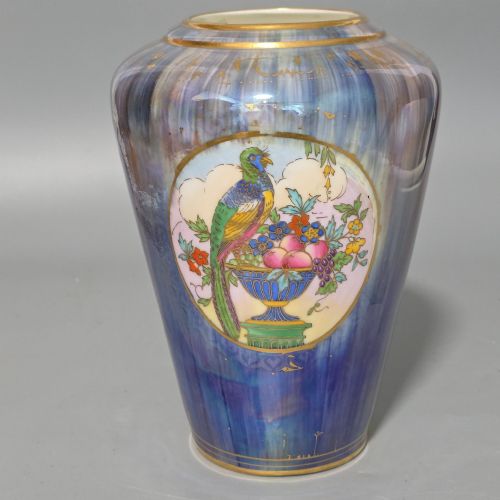


Minton Hand Painted Ceramics
These minton hand painted ceramics offer intricate porcelain forms and vibrant painted details, drawing collectors seeking classic Victorian and Regency craftsmanship.
Minton Hand Painted Ceramics
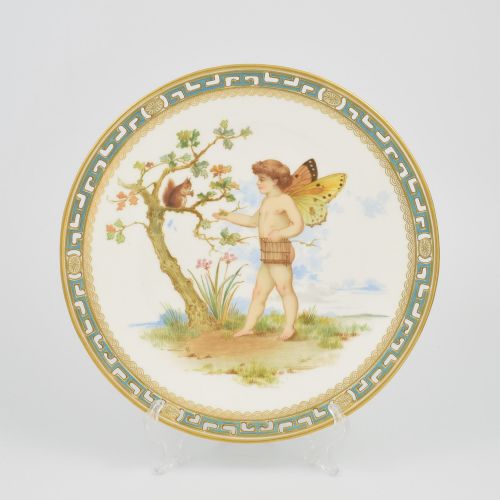
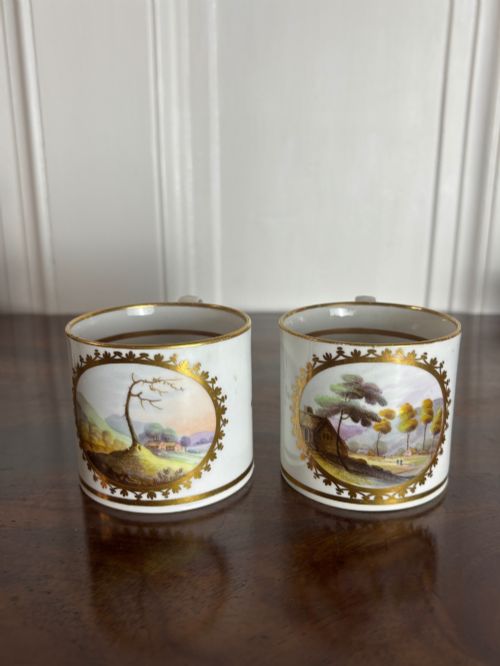
When you search for minton hand painted ceramics, you encounter a diverse range of ornamental and functional pieces from the Georgian, Regency, and Victorian periods. These items span various forms including cabinet plates, vases, coffee cans, lidded pails, and tea services.
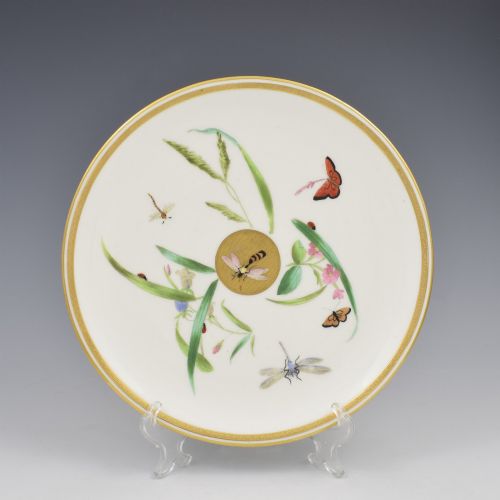
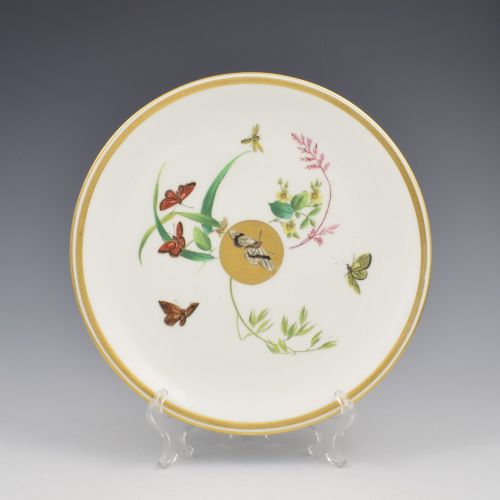
The pieces on this page are most frequently represented by Victorian and 19th-century dessert plates, decorative bowls, and vases. Many pieces showcase specific artistic influences such as the Aesthetic Movement, Japanese style motifs, and Rococo Revival designs.
Makers and decorators produced works that reflect changing tastes across the nineteenth and early twentieth centuries. From early landscape painted coffee cans to later lustre art pottery, the selection demonstrates notable breadth in form and decorative style.
Materials and Techniques
Minton hand painted ceramics rely primarily on high-grade porcelain and earthenware as the foundational body for their decorated surfaces. Artisans applied fine hand-painted designs using coloured paints, enamels, and meticulous gold leaf gilding.
Specialised surface treatments such as glaze, pearl jewelling, and lustre applications enhance the visual depth of the pieces. Artisans also utilised piercing techniques and basketweave moulding to shape complex forms like plates, ewers, and lidded pails.
The listings span the Victorian, Regency, and Georgian periods, incorporating porcelain, earthenware, enamel, and gold leaf.
Evaluating Quality and Execution
The quality of minton hand painted ceramics rests on the precision and artistry of the painted decoration. Works featuring detailed hand-painted landscapes, figures, or specific botanical and animal motifs by recognised decorators stand apart from standard production items.
The complexity of the physical form and the application of subsidiary techniques influence the standing of a piece. Elaborate gilding, pearl jewelling, raised enamel work, and intricate piercing require high technical skill and elevate the execution of the ceramic.
W.S. Coleman·Thomas Steel
The Minton Hand Painted Ceramics Glossary
- Coffee Can
- A small, straight-sided cylindrical porcelain cup designed for serving strong coffee during the nineteenth century. These items often feature detailed landscape paintings and pattern numbers.
- Aesthetic Movement
- A late nineteenth-century design style that emphasised visual beauty over narrative or moral content. Pieces from this period frequently incorporate Japanese style motifs such as suns, insects, and asymmetrical arrangements.
- Cabinet Plate
- An ornamental ceramic plate intended for display in a cabinet or on a wall rather than for practical dining use. These pieces often display intricate hand-painted central scenes and gilt borders.
- Gilding
- The application of gold leaf or powdered gold to the surface of ceramics to create decorative borders and accents. This technique adds reflective warmth to porcelain and earthenware objects.
Minton Hand Painted Ceramics: Frequently Asked Questions
How do I identify a Victorian Minton plate?
Victorian Minton plates often display distinct aesthetic movement motifs, Japanese style decorations, or pearl jewelled borders on porcelain grounds. Examining the pattern numbers and stylistic markers helps place the piece within the nineteenth century.
Looking closer at the hand-painted elements reveals the specific artistic influences of the period, distinguishing them from earlier Georgian productions.
What are Minton coffee cans used for?
These small porcelain cups were originally utilised for serving strong coffee after meals in the Regency and early nineteenth-century periods. Today, collectors primarily display them as cabinet pieces to appreciate their miniature hand-painted landscapes.
Their cylindrical forms provide a compact canvas for detailed artistic expression by factory decorators.
How should I display porcelain vases?
Porcelain vases require stable display surfaces away from direct sunlight to preserve the integrity of the hand-painted enamels and gilt surfaces. Placing them in enclosed cabinets protects the delicate forms and gold leaf details from accidental damage.
Ensuring adequate spacing around each piece highlights the individual shapes and decorative ground colours.
What is Kakiemon decoration on Minton ceramics?
Kakiemon decoration refers to a specific Japanese-inspired palette and style featuring motifs like tigers and floral arrangements. Minton adopted these designs during the nineteenth century, blending European porcelain forms with Eastern aesthetic principles.
This style is recognised by its restrained use of enamel colours on a clean white porcelain body.