

Miniature Wooden Furniture
Miniature wooden furniture gathers scale models, apprentice pieces and small domestic items shaped from timber across the eighteenth and nineteenth centuries.
Miniature Wooden Furniture
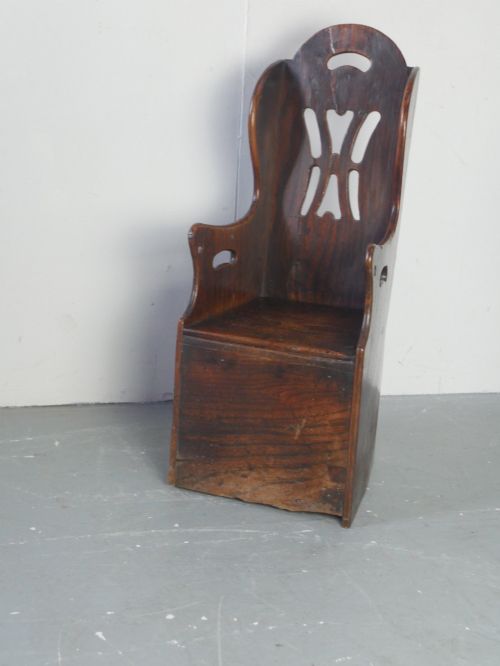
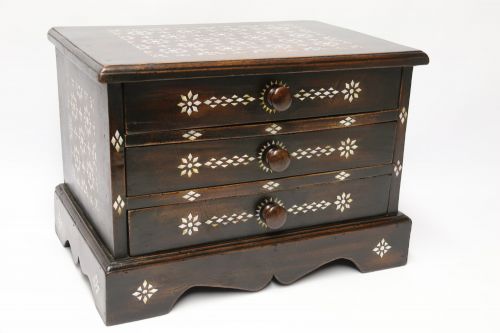
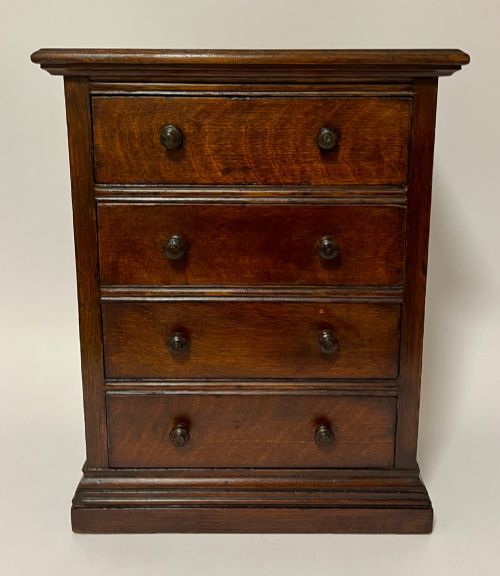
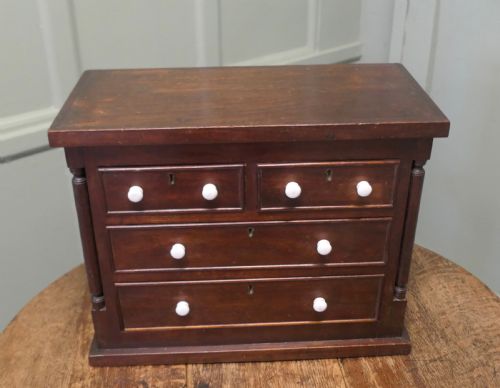
The selections span distinct regional vernaculars, including Welsh coffer baches, Scottish chests, and English country seating. Forms range from utilitarian elm stools to intricate walnut and mahogany apprentice chests complete with working drawers.
Makers produced these objects as trade test pieces, children's furnishings, or desk ornaments for collectors. Their survival preserves domestic woodworking traditions in miniature format.
Proportion and Detail
Superior examples exhibit correct architectural proportions and fine timber selection, such as burr yew or figured walnut. Construction fidelity distinguishes serious apprentice pieces from later toy reproductions, visible in precise dovetailing and secondary wood choices.
The retention of original hardware, working locks, and untouched patination elevates a piece. Subtle details like secret drawers or hand-carved splats separate standard production from masterwork output.
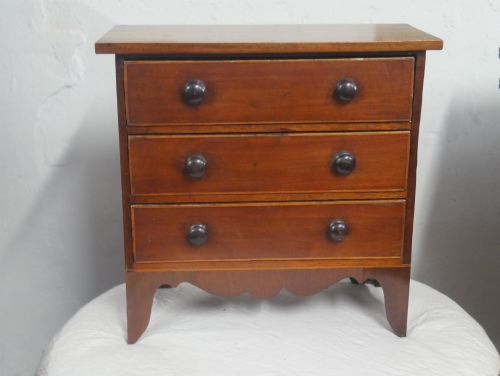
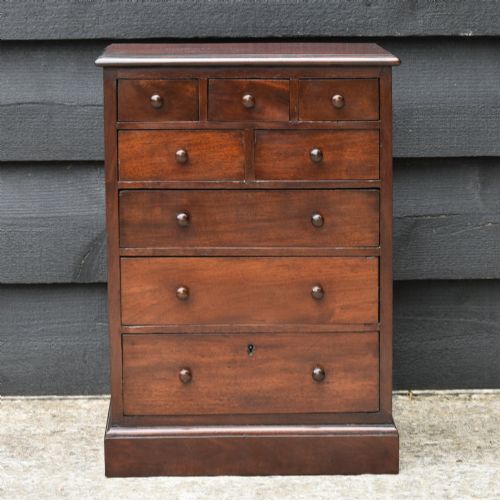
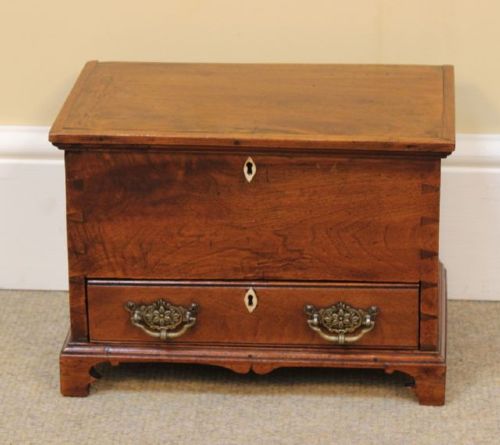
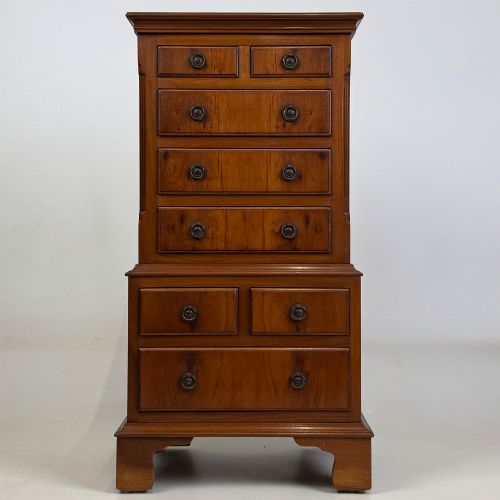
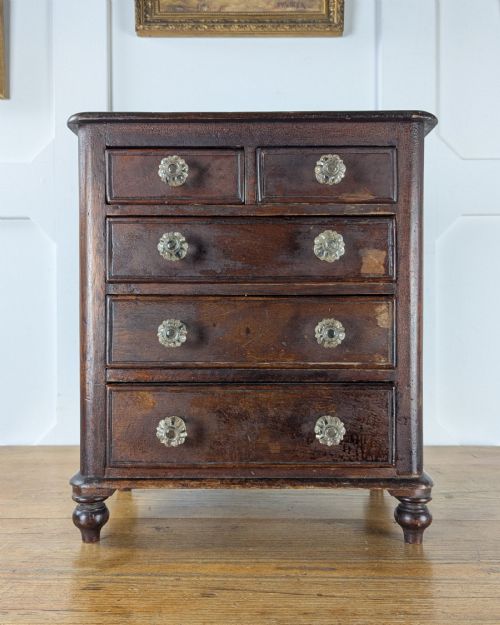
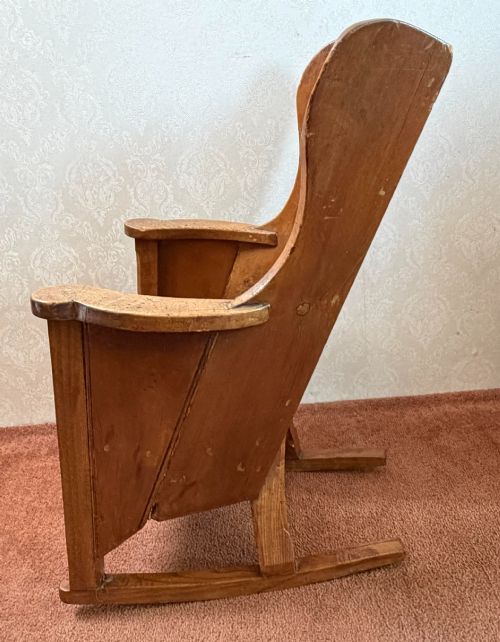
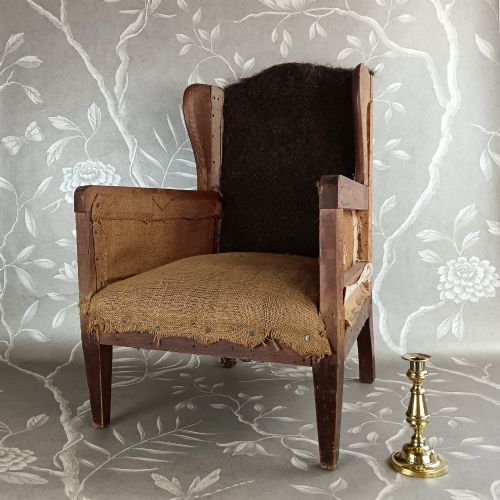
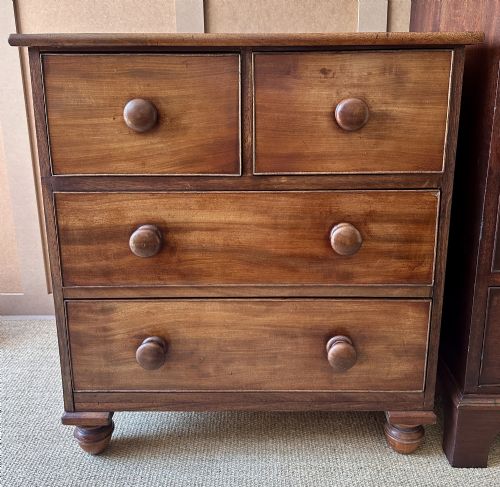
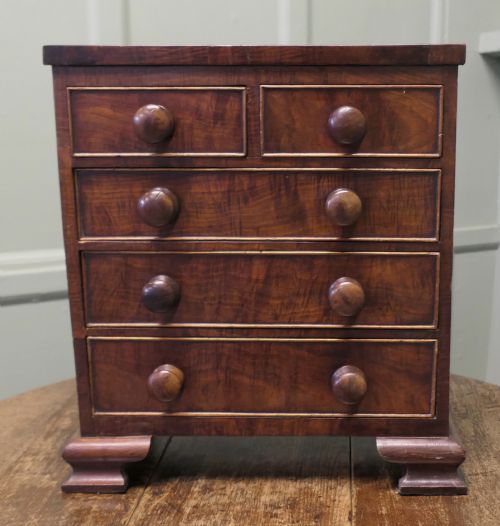
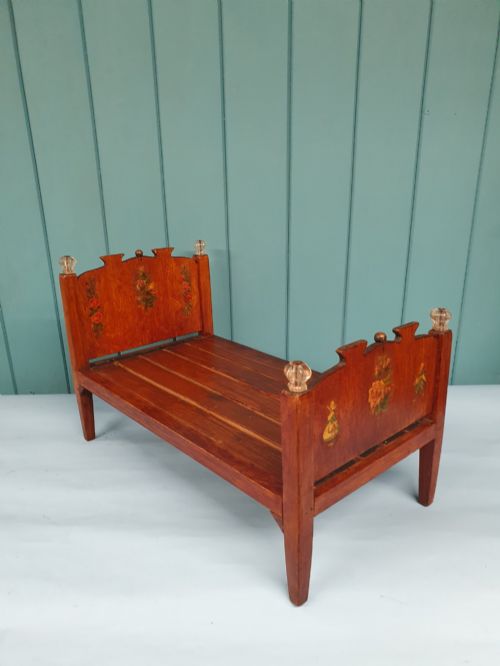
Object forms span chests of drawers, coffer baches, Windsor chairs, wingbacks, tea caddy sideboards, cradles, and four-poster dog beds.
The Miniature Wooden Furniture Glossary
- Apprentice piece
- A small-scale item created by a woodworker to demonstrate mastery of a craft for guild admission. These objects mirror full-sized furniture in construction detail.
- Coffer bach
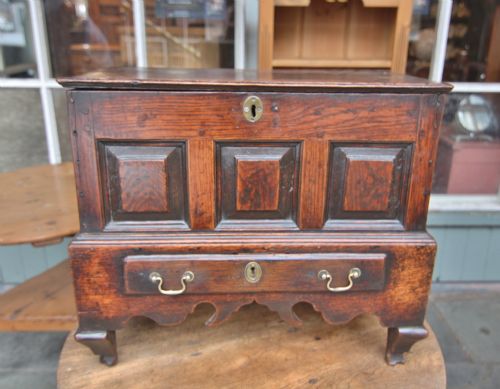
- A small Welsh oak chest fitted with a hinged lid and internal till, traditionally used for holding linen or valuables. The term translates from Welsh as small coffer.
- Mule chest
- A storage chest featuring one or more drawers beneath the main lifting compartment. Miniature versions replicate this hybrid storage form in walnut or oak.
- Windsor chair
- A wooden chair featuring a solid saddle-shaped seat into which turned legs and back spindles are raked. Small variations served children or served as dollhouse furniture.
- Escutcheon
- A protective plate surrounding a keyhole, frequently cast from brass on miniature drawers and coffers. It provides both decorative contrast and structural reinforcement.
Miniature Wooden Furniture: Frequently Asked Questions
What is an apprentice piece?
An apprentice piece is a miniature item built by a woodworker to prove skill before qualifying as a master craftsman. These objects replicate full-sized furniture with exact construction methods.
Cabinetmakers kept these small items as reference models or presentation pieces. Their detailed joinery distinguishes them from ordinary toys.
How were these miniature items used?
Cabinetmakers utilised these pieces as salesmen's samples to demonstrate designs to prospective clients without transporting heavy furniture. Wealthy families also purchased child-sized chairs and miniature beds for domestic nurseries.
Later periods saw adults collect small chests for jewellery storage and tabletop display. Their utilitarian origins merged with decorative appeal over generations.
How do I date a piece of miniature furniture?
Dating relies on identifying timber species, secondary woods, nail types, and joinery styles matching specific periods like Georgian or Victorian. Drawer construction and handle styles offer direct clues to the decade of manufacture.
Comparing the piece to standard furniture from the same era helps confirm its age. Regional quirks, such as Welsh framing techniques, further narrow down origins.
Are miniature chests of drawers sturdy?
Most pieces utilise solid hardwoods like oak, mahogany, or walnut joined with traditional dovetails, making them structurally sound. Drawers open and close on timber runners designed for functional use.
Gentle handling preserves internal linings and delicate brass hardware. They function well for storing small items like trinkets or keys.