


Miniature Wood Drawers
Miniature wood drawers are small-scale pieces created by makers to demonstrate mastery or hold precious objects, spanning Georgian, Victorian, and Regency periods.
Miniature Wood Drawers
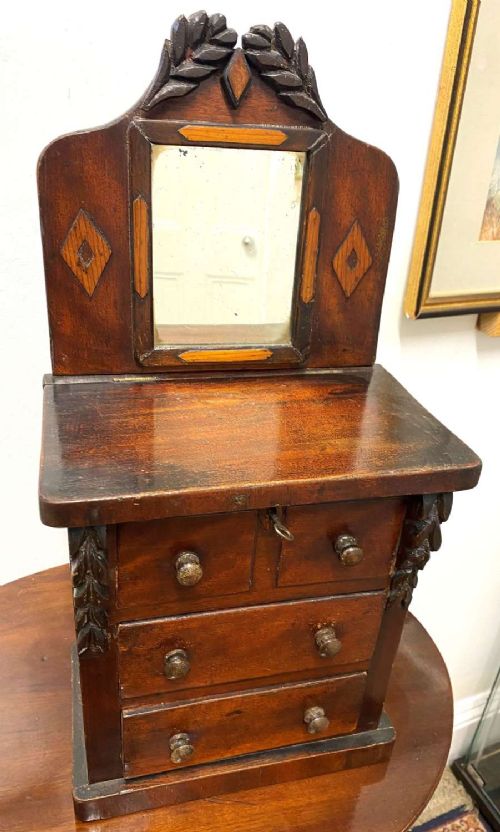
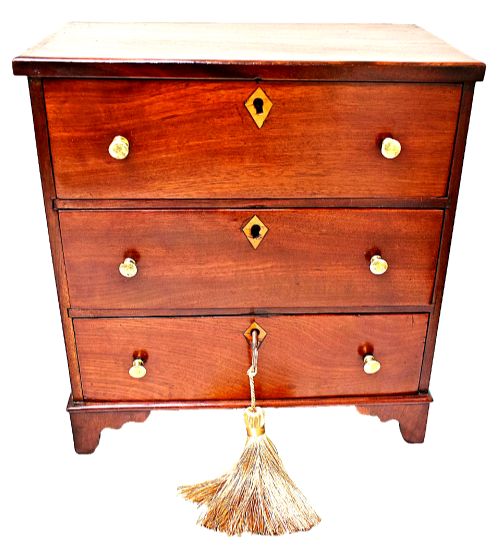
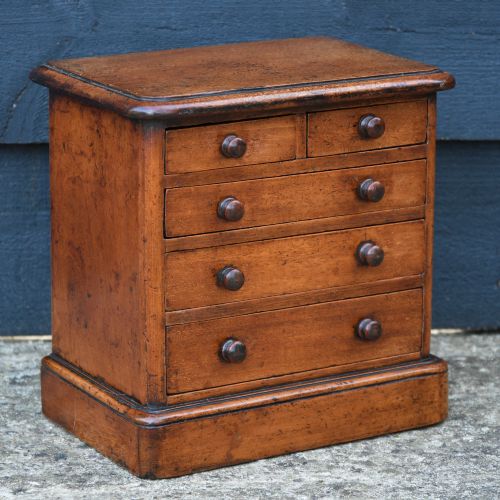
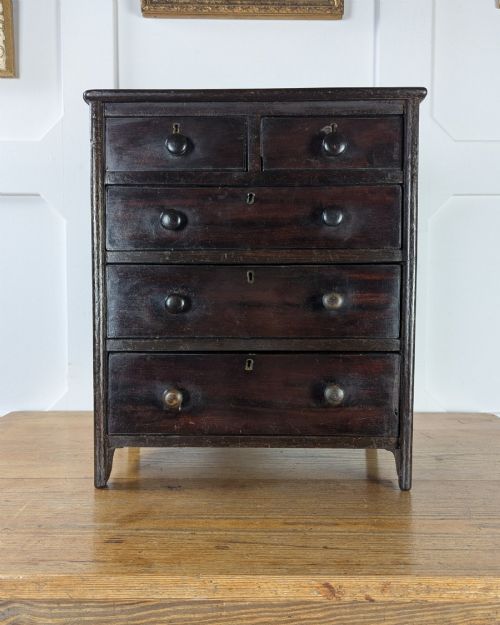
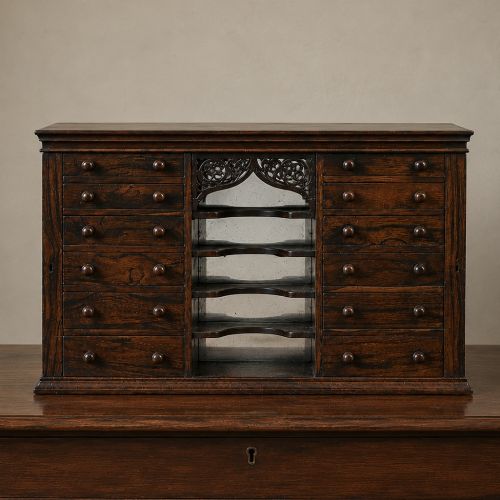
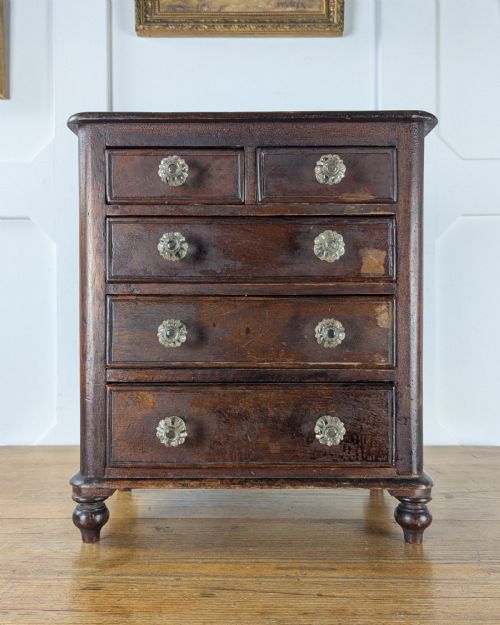
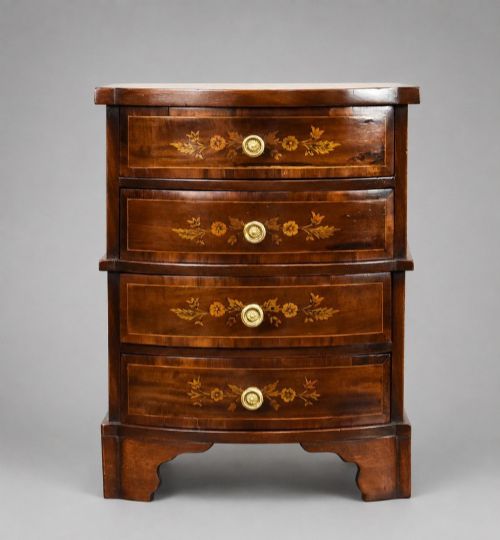
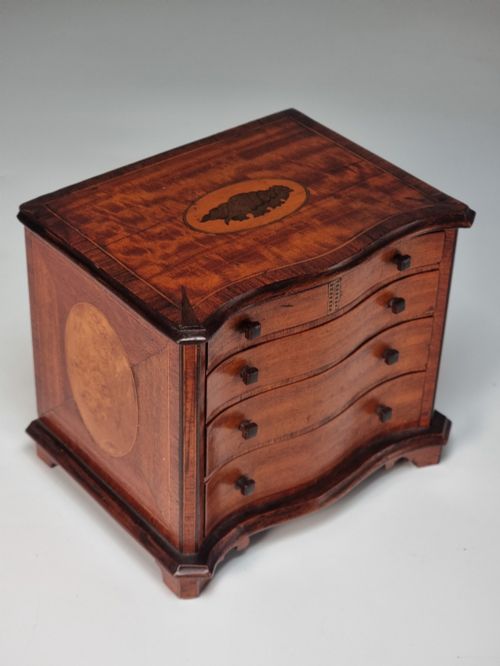
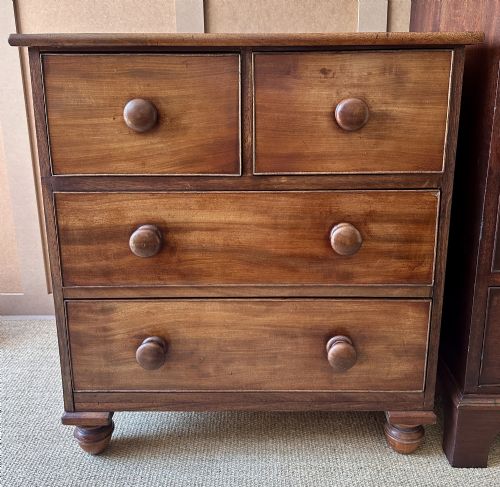
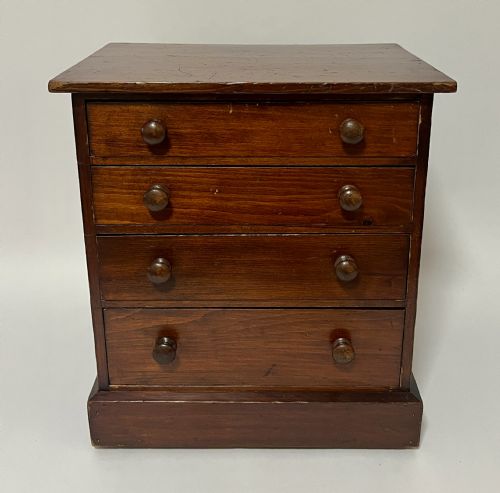
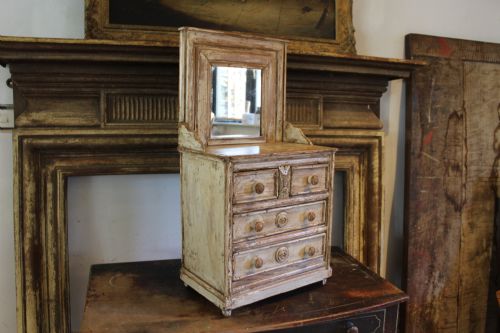
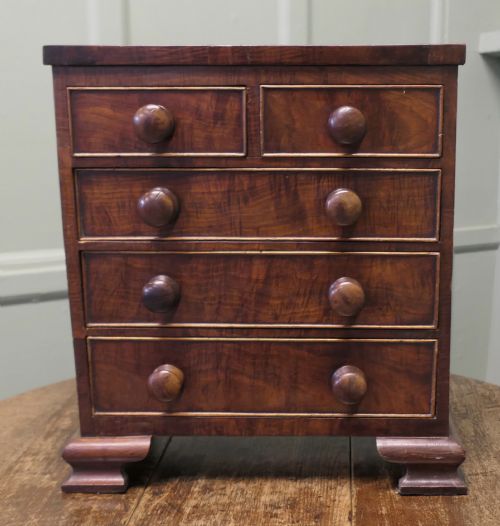
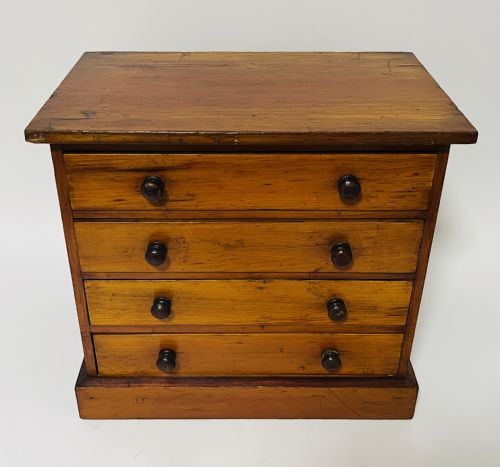
Miniature wood drawers include miniature chests of drawers, apprentice pieces, and collectors' cabinets that replicate full-sized furniture on a small scale. These objects emerge from periods such as the Georgian, Victorian, and Regency eras, reflecting the domestic styles of their time.
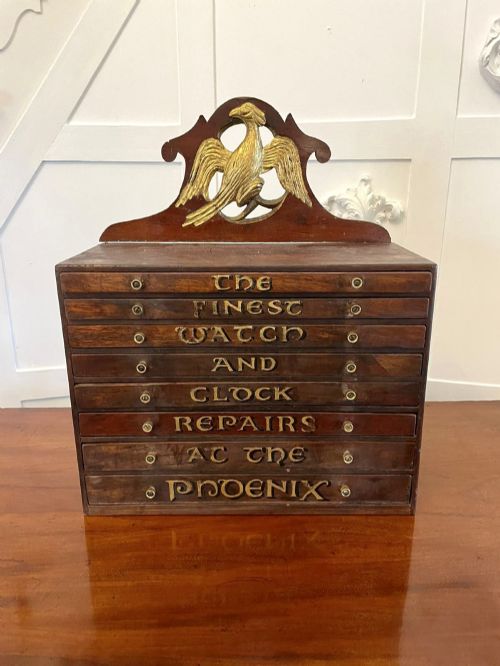
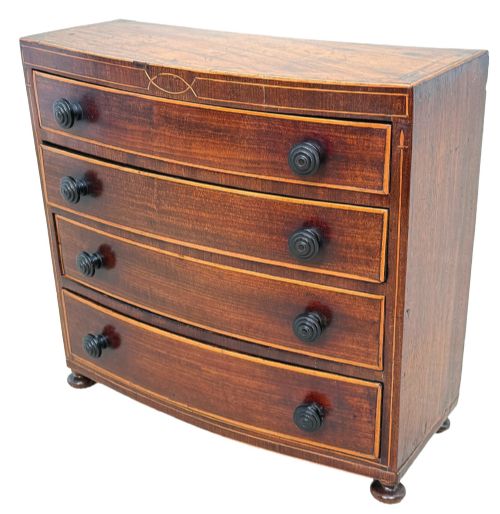
Buyers encounter forms ranging from simple desktop specimen cases to bowfront chests and multi-drawer slide cabinets. The typical piece follows traditional cabinetry formats translated down in dimension, often serving specialised uses like jewellery storage or watch repair.
How they were made
Makers constructed miniature wood drawers using dense timbers such as mahogany, oak, walnut, and yew, frequently enhanced with boxwood stringing, brass fittings, and mother-of-pearl inlay. These materials demanded precise woodworking techniques to scale down dovetail joints, miniature turned feet, and functioning locks.
Surfaces received careful finishes, utilising French polishing, staining, or marquetry to highlight the grain of woods like satinwood and rosewood. Structural integrity relied on traditional cabinet-making methods adapted for smaller proportions.
Miniature Wood Drawers Retail Price Guide 2026
Typical asking prices for miniature wood drawers among the pieces listed under this phrase on Sellingantiques today, from the lower quarter to the upper quarter. They describe what is for sale here now, not the wider market.
Listings feature woods like mahogany, oak, pine, and satinwood across Victorian, Georgian, and Regency periods.
What varies in quality
Quality separates pieces through the precision of the scaling and the choice of timber, where tightly figured burr walnut, mahogany, or amboyna denotes a higher tier of production. The complexity of the internal configuration, such as multiple graduated drawers or specialised compartments, marks superior craftsmanship.
The finesse of secondary details like hand-cut dovetails, matching wood grain across drawer fronts, and original brass hardware distinguishes workshop-made items from simpler utility pieces. Patina and the integrity of the original polish contribute further to the standing of an individual piece.
A. F. Lloyd·Reprodux
The Miniature Wood Drawers Glossary
- Apprentice piece
- A small-scale item created by a craftsman to demonstrate skill for guild admission or training completion. These objects mirror full-scale furniture designs with exact proportions.
- Bowfront
- A curved convex front typical of certain Georgian and Regency chests. This shape requires specialised joinery to bend or shape the timber and drawers.
- Collectors cabinet
- A specialised piece designed to store small objects like coins, minerals, or microscope slides. They feature multiple shallow drawers or glass doors.
- Marquetry
- The art of applying veneer pieces in decorative patterns using different coloured woods. It creates pictorial or geometric designs on drawer fronts and top surfaces.
- Specimen case
- A small cabinet or box utilised for organising natural history samples or small artefacts. They often include numerous small drawers secured by a locking door.
Miniature Wood Drawers: Frequently Asked Questions
What are miniature wood drawers?
Miniature wood drawers are small-scale chests and cabinets built to replicate full-sized furniture or serve specialised storage purposes.
Craftsmen produced them across the 18th and 19th centuries using traditional cabinet-making timbers and joinery.
How were apprentice pieces used?
Apprentice pieces functioned as physical proof of a craftsman's skill and capability before entering a trade guild.
Over time, owners repurposed them as desktop storage for jewellery, trinkets, or small collections.
How do I identify a Georgian miniature chest?
Georgian examples often display specific stylistic traits like bracket feet, cockbeading around drawers, and primary timbers such as mahogany or yew.
Proportions remain balanced, mimicking the architectural rules of full-sized furniture from the same period.
What materials did makers use?
Makers utilised dense hardwoods including mahogany, oak, walnut, rosewood, and satinwood for bodies and drawer construction.
Secondary additions included brass handles, bone escutcheons, glass panels, and boxwood stringing for decorative contrast.