



Miniature Country Furniture
Miniature country furniture brings together diminutive chests, cradles, and chairs fashioned by rural makers for domestic use and display.
Miniature Country Furniture
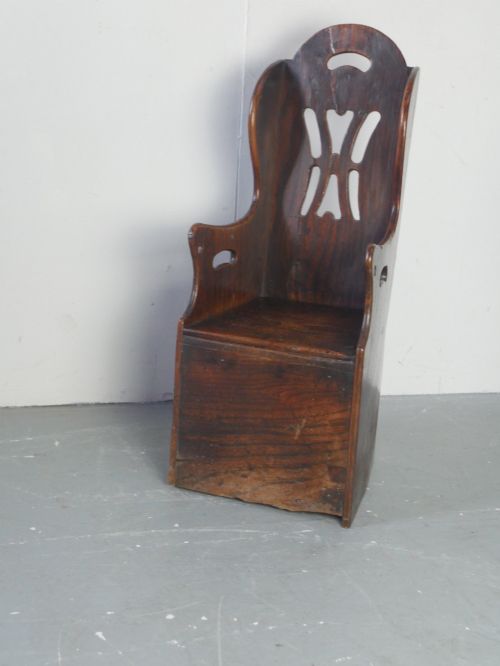
Miniature country furniture comprises small-scale items such as doll furniture, child's chairs, and miniature chests that reflect full-size domestic forms. These pieces span the eighteenth and nineteenth centuries, including Georgian and Victorian examples shaped by regional traditions.
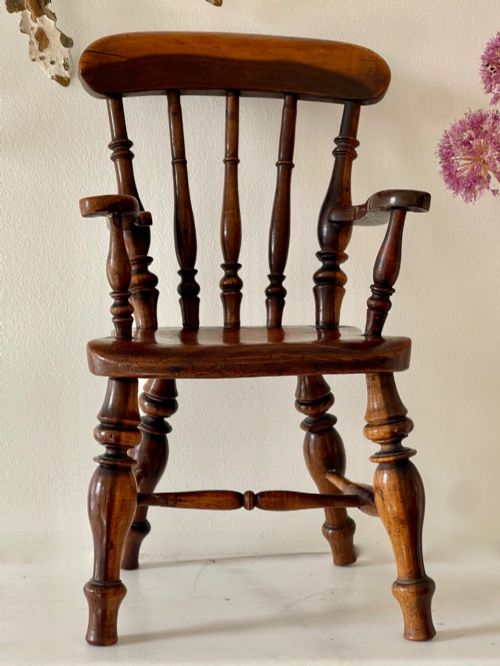
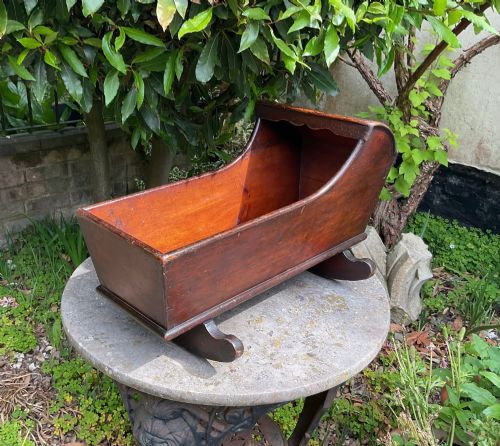
The version most commonly encountered on this page is the Welsh oak coffor bach, alongside child's Windsor chairs in elm, ash, and beech. Alongside these sit pine cradles, miniature tallboys, and dressers reflecting English and Welsh vernacular styles.
Makers fashioned these objects for domestic utility, child seating, or as apprentice pieces to demonstrate skill. Their smaller proportions suit modern interiors while retaining the rustic character of full-scale country pieces.
Distinctions in quality
Proportion and the handling of timber separate accomplished vernacular work from simpler items. The best examples maintain the balanced architectural proportions of their full-size counterparts without appearing clumsy at a reduced scale.
Surface patination and the preservation of original timber surfaces contribute significantly to the standing of a piece. Original brass fittings, minimal structural alteration, and clean lines distinguish superior regional workshops.
Miniature Country Furniture Retail Price Guide 2026
Typical asking prices for miniature country furniture among the pieces listed under this phrase on Sellingantiques today, from the lower quarter to the upper quarter. They describe what is for sale here now, not the wider market.
Apprentices practised their future trade by scaling down grand furniture into tiny, perfectly pegged trial chests.
The Miniature Country Furniture Glossary
- Coffor bach
- A small Welsh coffer or chest, often fitted with drawers beneath the till and supported on feet. These miniature boxes served as valuable storage for linen or keepsakes.
- Windsor chair
- A chair built with a solid wooden seat into which the legs and back spindles are direct-inserted. Country examples often feature combined woods like ash and elm.
- Vernacular
- Objects made by local craftsmen following regional traditions rather than formal architectural patterns. This approach relies on readily available materials and practical utility.
- Tallboy
- A miniature chest of drawers stacked one above another, echoing full-scale bedroom furniture. These diminutive pieces required considerable joinery skill to scale down successfully.
- Gustavian
- The Swedish interpretation of neoclassical style, characterised by lighter proportions and pale painted surfaces. It appears occasionally within rural miniature forms.
Miniature Country Furniture: Frequently Asked Questions
Were child's chairs used daily?
Child's chairs and armchairs were built for actual domestic use by children in rural households. Their sturdy construction using elm, ash, and oak ensured they withstood robust daily life.
Over generations, the wood develops a rich patina from handling, reflecting their original purpose within the family home.
How do I date a miniature chest?
Dating relies on observing construction methods, timber choice, and hardware. Eighteenth-century examples typically feature hand-cut dovetails, pegged joints, and native oak with deep patination.
Later nineteenth-century pieces often utilise pine or alternative secondary woods, showing subtle shifts in regional cabinet-making styles.
Where were these pieces made?
Rural workshops across England and Wales produced these items, with strong representation from Welsh vernacular cabinet makers. Local joiners utilised whatever timber grew nearby, resulting in regional variations.
Furniture from specific areas like South Wales often displays distinct foot styles and drawer configurations unique to local traditions.