


Miniature Ceramic Vases
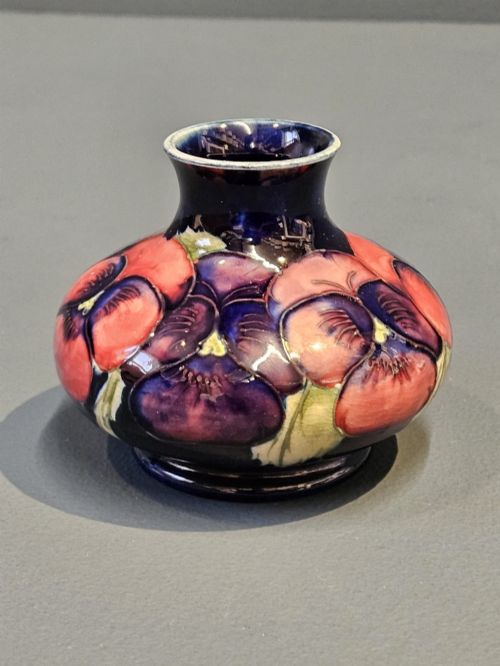
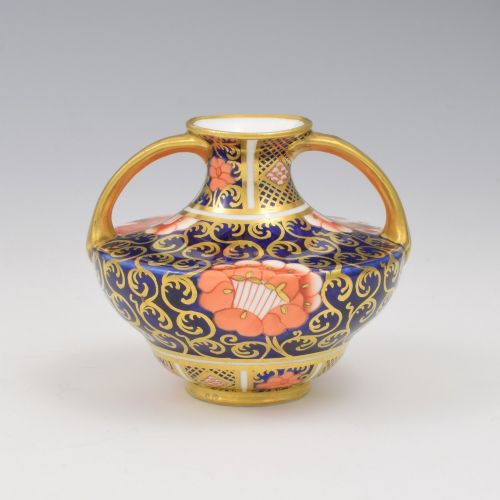
Miniature ceramic vases concentrate the ambition of major potteries and studios into vessels no taller than a hand, inviting close inspection.
Miniature Ceramic Vases
Miniature ceramic vases encompass small vessels, cabinet pieces, and diminutive scent or snuff bottles produced across the nineteenth and early twentieth centuries. Buyers searching for miniature ceramic vases will encounter everything from English earthenware and porcelain to Japanese Satsuma and Imari ware.
The selections span Victorian, Edwardian, and Meiji periods, presenting forms that range from twin-handled vessels to delicate tripod shapes and covered pots. English factories such as Royal Worcester, Doulton Lambeth, and Moorcroft sit alongside intricate Japanese imports.
Most pieces date from the 1880s through the 1920s, reflecting a period when cabinet ceramics commanded intense collector interest. These small vessels allowed potteries to experiment with glazes, hand-painted scenes, and gilding on a condensed scale.
What varies in quality
Quality rests upon the crispness of the hand-painted details and the control evident in the application of gold leaf and enamel. Finely articulated figural scenes or naturalistic studies by named artists distinguish exceptional cabinet pieces from standard production wares.
The harmony between the miniature form and the decorative scheme dictates visual success, ensuring the piece holds its presence despite its small scale.
Even the smallest snuff bottles managed to squeeze in entire imperial courts and botanical gardens.
Royal Crown Derby·Crown Staffordshire·Doulton Lambeth·Royal Worcester·William Moorcroft
The Miniature Ceramic Vases Glossary
- Satsuma
- A type of Japanese earthenware featuring a pale, ivory crackle glaze decorated with polychrome enamels and gilt. It gained immense popularity in the West during the Meiji period.
- Imari
- Japanese porcelain decorated in underglaze blue, iron red, and gilt, often featuring dense panel designs. European factories frequently imitated this distinct palette.
- Carrara Ware
- A fine white ceramic developed by Doulton Lambeth to mimic Italian marble. It provides a smooth matte surface well suited for hand-painted floral garlands.
- Overglaze
- Enamels or metallic pigments applied on top of a fired glaze and fixed with a secondary, lower-temperature firing. This technique permits a richer palette of colours.
Miniature Ceramic Vases: Frequently Asked Questions
How do I identify Satsuma miniature vases?
Satsuma wares are recognised by their characteristic fine crackle glaze and dense polychrome enamel painting heightened with gold leaf. They typically originate from Japan during the Meiji period.
Many pieces bear artist or studio signatures on the base, though earlier export items can carry simple workshop marks.
Were miniature vases used for flowers?
While some pieces function as miniature flower vases, many were strictly cabinet ceramics meant for display. Their small scale made them ideal for collector shelves and mantelpieces.
Items like scent bottles and snuff bottles served personal, decorative functions rather than holding botanical arrangements.
How do I date Edwardian porcelain vases?
Edwardian pieces generally date between 1901 and 1910, often displaying registration numbers or factory backstamps unique to the era. Makers such as Royal Crown Derby and Crown Staffordshire produced refined porcelain during this time.
Stylistic cues include pastel palettes, gilt accents, and symmetrical forms influenced by late Victorian tastes.
What is the difference between earthenware and porcelain?
Earthenware is a porous, opaque ceramic fired at lower temperatures, whereas porcelain is a dense, vitrified material that rings when struck and can be translucent.
Miniature pieces use both bodies depending on the factory, with Japanese Satsuma relying on earthenware and English makers like Royal Worcester frequently utilising fine porcelain.